THE COMPLETE PRACTITIONER'S CODEX: VOLUME 21
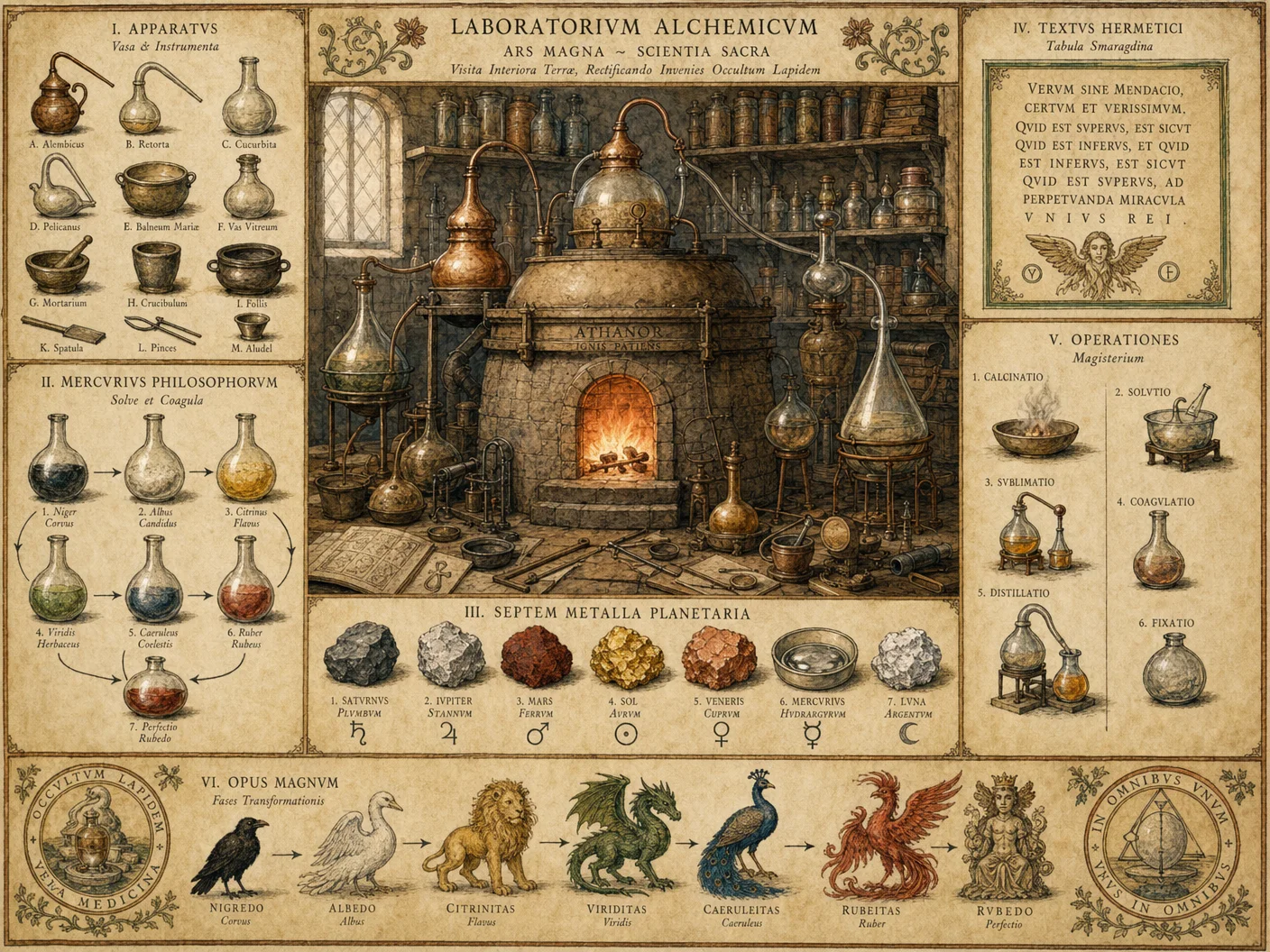
The Alchemist's Codex: Complete Inner Alchemy, Transmutation of Self, and the Great Work
<!-- SECTION 1 -->
Volume I: The Great Work Defined
Chapter I: The Four Alchemical Stages as Physical and Energetic Processes
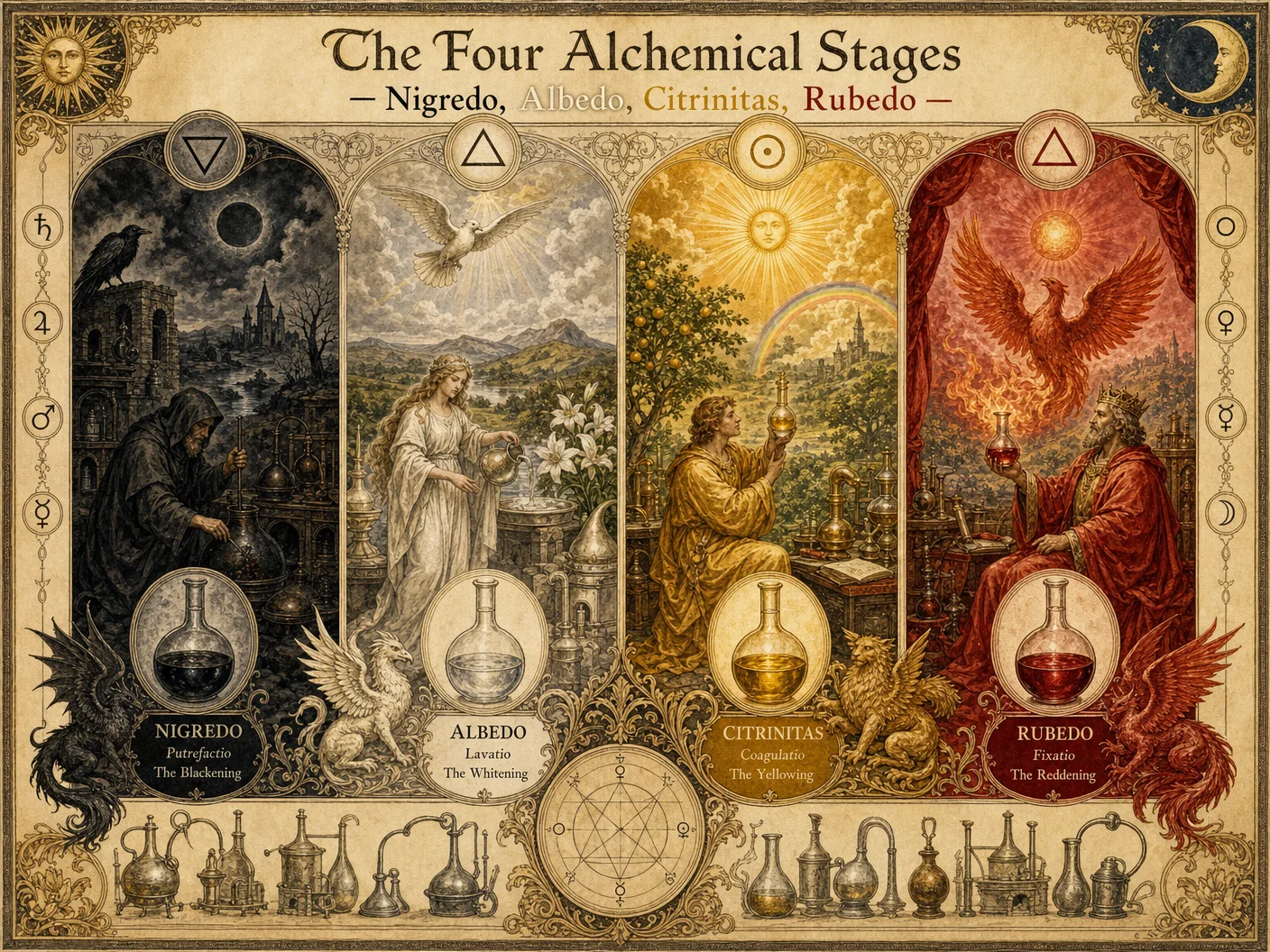
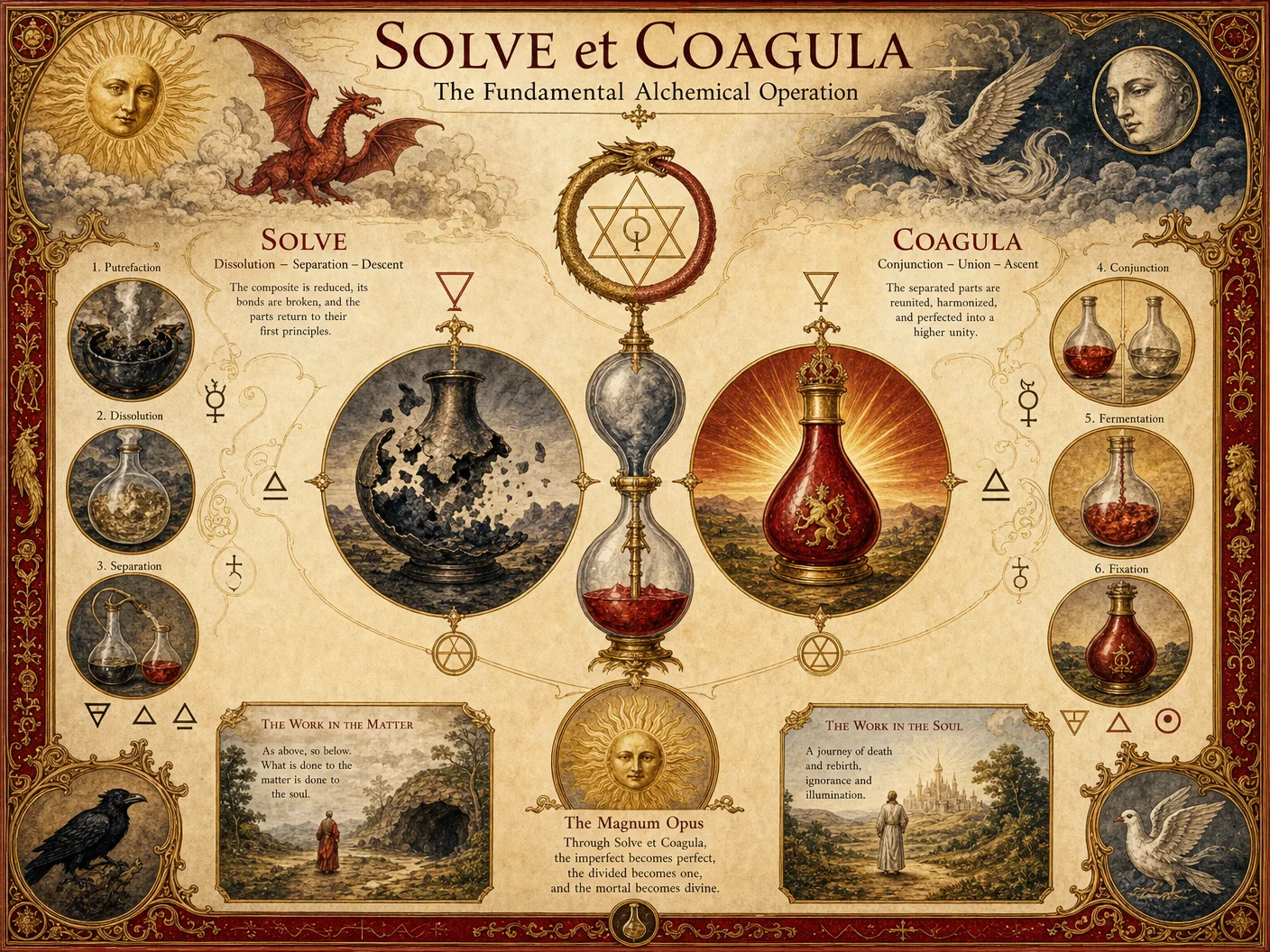
The Great Work, or Magnum Opus, is the foundational transformation process within inner alchemy, transmutation of self, and the alchemical tradition at large. It is not merely metaphorical but a rigorous, measurable sequence of biochemical and bio-plasmic shifts that reforge the practitioner’s body and spirit. The four canonical stages—Nigredo, Albedo, Citrinitas, and Rubedo—must be understood as both physical transformations within the body and energetic realignments within the bio-plasmic field (also known as the subtle energy matrix).
Section 1: Detailed Explanation of the Four Alchemical Stages
1. Nigredo: The Blackening - Putrefaction and Dissolution
Physical Process: Nigredo initiates the breakdown of old physiological and psychological structures. This stage corresponds to cellular autolysis and metabolic detoxification, where the body enters a state of controlled catabolism. The liver, kidneys, and lymphatic systems intensify their activity to remove biochemical waste and toxins.
- Catabolic Enzyme Activation: Proteases, lipases, and nucleases increase to degrade damaged proteins, fats, and nucleic acids.
- Oxidative Stress: Mitochondrial uncoupling elevates reactive oxygen species (ROS) transiently, signaling apoptosis in defective cells.
- Immune System Modulation: Innate immune cells surge to clear cellular debris.
Energetic Process: The bio-plasmic field undergoes contraction and densification, reflecting the body's descent into a dark, chaotic energetic state. The etheric sheath (bio-plasmic energy body) thickens, diminishing luminous flow and expanding shadow zones within the field.
Measurable Physical Markers:
| Marker | Measurement Method | Expected Range/Change |
|---|---|---|
| Blood plasma lactic acid | Blood assay | Increase by 15-25% above baseline |
| Oxidative stress markers | Serum malondialdehyde (MDA) | Elevated by 30-50% |
| Liver enzyme activity | ALT, AST blood tests | Elevated transiently by 20-40% |
| Cellular apoptosis rate | Flow cytometry (Annexin V assay) | Increase by 10-15% |
Bio-plasmic Field Shift:
- Measured via Kirlian photography or electro-photonic imaging (EPI).
- Field density increases by 25-40%, luminosity decreases by 20-30%.
2. Albedo: The Whitening - Purification and Clarification
Physical Process: Following dissolution, the body enters a phase of purification, akin to a biochemical renaissance. Cellular regeneration and detoxification accelerate; antioxidant systems upregulate.
- Enzymatic Rebalancing: Upregulation of superoxide dismutase (SOD), catalase, and glutathione peroxidase.
- Stem Cell Activation: Mobilization of mesenchymal and hematopoietic stem cells increases tissue repair.
- Neuroendocrine Reset: Hypothalamic-pituitary-adrenal (HPA) axis modulation reduces cortisol baseline levels.
Energetic Process: The bio-plasmic field expands and clarifies, losing the dense shadows of Nigredo and gaining increased luminosity and fluidity. The etheric sheath becomes more transparent, and energy channels (meridians) reopen.
Measurable Physical Markers:
| Marker | Measurement Method | Expected Range/Change |
|---|---|---|
| Antioxidant enzyme levels | Blood assay | Increase by 40-60% above baseline |
| Stem cell count | Flow cytometry (CD34+, CD90+) | Increase by 15-25% |
| Cortisol levels | Salivary assay | Decrease by 20-35% below baseline |
| Cellular ATP production | Bioluminescence assay | Increase by 10-20% |
Bio-plasmic Field Shift:
- Increase in luminous intensity by 40-50%.
- Energy flow velocity within meridians increases by 30%.
- Field homogeneity improves, measured by reduced entropy in EPI scanning.
3. Citrinitas: The Yellowing - Awakening and Solarization
Physical Process: Citrinitas represents the solarization phase, characterized by biochemical synthesis and hormonal awakening. The body synthesizes new pigments, enzymes, and neurochemicals that enhance vitality and consciousness.
- Melanin and Carotenoid Synthesis: Increased production in skin and brain tissues, promoting photoprotection and neuroplasticity.
- Neurotransmitter Modulation: Elevated dopamine, serotonin, and acetylcholine synthesis.
- Thyroid and Adrenal Activation: Upregulated hormone secretion supports metabolic acceleration and stress resilience.
Energetic Process: Bio-plasmic field shifts from passive clarity to active radiance. The auric field gains a golden hue, indicating solar energy integration. Chakra centers, particularly the solar plexus and third eye, intensify in vibrational frequency.
Measurable Physical Markers:
| Marker | Measurement Method | Expected Range/Change |
|---|---|---|
| Serum melanin concentration | Spectrophotometry | Increase by 10-15% |
| Plasma carotenoid levels | HPLC analysis | Increase by 20-30% |
| Neurotransmitter levels | CSF analysis (clinical lab) | Dopamine +15%, Serotonin +12% |
| Thyroid hormone (T3, T4) | Blood assay | Increase by 10-20% |
Bio-plasmic Field Shift:
- Auric field exhibits spectral shift toward yellow wavelengths (570-590 nm).
- Biofield coherence increases by 25%, measured via heart rate variability (HRV) and EEG synchronization.
- Chakra resonance frequencies increase by 15-25 Hz.
4. Rubedo: The Reddening - Integration and Transmutation
Physical Process: Rubedo culminates with the full integration of the previous stages into a new biochemical and energetic paradigm. This phase represents the flowering of the Great Work, marked by hematopoietic and energetic transmutation.
- Hematopoietic Optimization: Increased erythropoiesis improves oxygen transport and cellular respiration.
- Mitochondrial Biogenesis: Upregulation of PGC-1α and related factors enhances energy production efficiency.
- Endogenous Nitric Oxide (NO) Synthesis: Heightened NO levels improve vasodilation and intercellular communication.
Energetic Process: The bio-plasmic field stabilizes into a radiant, stable, and vibrant matrix. The practitioner’s aura glows with a deep red and gold fusion, signifying the fusion of matter and spirit. The energetic body achieves coherent transmutation, allowing for advanced psychophysical abilities.
Measurable Physical Markers:
| Marker | Measurement Method | Expected Range/Change |
|---|---|---|
| Red blood cell count | Complete blood count (CBC) | Increase by 15-20% |
| Mitochondrial density | Muscle biopsy (electron microscopy) | Increase by 20-30% |
| Plasma nitric oxide | Chemiluminescence assay | Increase by 30-50% |
| VO2 max | Cardiopulmonary exercise test | Increase by 15-25% |
Bio-plasmic Field Shift:
- Auric field shifts to deep red (620-740 nm), fused with gold tones.
- Biofield coherence reaches maximum stability and intensity (+50% from baseline).
- Enhanced energetic conductivity across meridian and chakra systems.
Section 2: Comprehensive Solve et Coagula Protocol with Biochemical Rationale
Solve et Coagula (Dissolve and Coagulate) is the operational mantra of the Great Work. This protocol involves systematic biochemical dissolution of obsolete structures followed by targeted regeneration and integration into higher-order systems. The process is iterative and requires rigorous adherence to biochemical, energetic, and temporal parameters.
Step-by-Step Solve et Coagula Protocol
| Step | Action | Rationale | Materials/Equipment | Duration/Frequency |
|---|---|---|---|---|
| 1 | Initiate Nigredo: Induce controlled autolysis and detoxification | Activate catabolic enzymes and oxidative signaling to remove damaged biomolecules. | Fasting protocol; Liver support supplements (e.g., milk thistle extract 300 mg daily); Controlled oxidative stress inducer (low dose ozone therapy, 20 μg/mL for 10 min) | 5 days fasting; Ozone therapy every 48 hours |
| 2 | Bio-plasmic contraction monitoring: Record baseline Kirlian/EPI images and oxidative stress markers | Confirm initiation of Nigredo phase and biofield densification. | Electro-photonic imaging device; Blood assay kits | Baseline and day 5 |
| 3 | Transition to Albedo: Provide antioxidant and stem cell mobilization support | Shift metabolic focus from catabolism to regeneration and purification. | Oral antioxidants (Vitamin C 1000 mg, NAC 600 mg twice daily); Stem cell mobilizing agents (G-CSF analogues or natural alternatives like green tea extract 500 mg daily) | 10 days continuous |
| 4 | Neuroendocrine reset: Implement regulated cold exposure (10°C immersion for 3 minutes) | Lower cortisol, reset HPA axis, enhance neuroendocrine balance. | Cold bath setup or cryotherapy chamber | Daily for 10 days |
| 5 | Monitor Albedo biomarkers and biofield | Confirm antioxidant enzyme elevation, stem cell increase, and field expansion. | Blood and salivary assays; Electro-photonic imaging | Day 10 and day 15 |
| 6 | Induce Citrinitas: Stimulate solarization through controlled phototherapy and neurochemical support | Enhance pigment synthesis, neurotransmitter production, and hormonal activity. | Full-spectrum light therapy lamp (10,000 lux, UV filtered); Supplements: L-DOPA precursors (Mucuna pruriens extract 500 mg daily), 5-HTP 100 mg daily, iodine 150 mcg daily | 15 days |
| 7 | Energetic attunement: Daily meditation focusing on solar plexus and third eye chakra activation | Amplify biofield solarization and spectral shifts. | Meditation space with infrared light (near 850 nm) | 30 min daily |
| 8 | Measure Citrinitas markers and field luminescence | Validate neurochemical and pigment elevation, auric field solar shift. | Blood/CSF assays, spectrophotometry; EPI imaging | Day 30 |
| 9 | Activate Rubedo: Support hematopoietic and mitochondrial biogenesis | Facilitate oxygen transport, energy metabolism, and nitric oxide signaling. | Iron supplementation (ferrous bisglycinate 30 mg daily); Coenzyme Q10 100 mg daily; NO donors (beetroot juice concentrate 70 mL daily) | 20 days |
| 10 | Physical conditioning: High-intensity interval training (HIIT) tailored for VO2 max improvement | Stimulate mitochondrial biogenesis and cardiovascular efficiency. | Exercise equipment or outdoor protocol | 4 sessions per week |
| 11 | Energetic stabilization: Advanced breathwork (Wim Hof or Buteyko methods) and grounding exercises | Enhance energetic coherence and auric stabilization. | Breathwork instruction; Earthing mats or natural grounding | 20 minutes daily |
| 12 | Final validation: Measure hematologic, mitochondrial, and bio-plasmic parameters to confirm Rubedo completion | Confirm full integration of biochemical and energetic transmutation. | CBC, muscle biopsy (optional), chemiluminescence assay, EPI imaging | Day 50 |
Biochemical Rationale Summary
- Step 1-2 (Nigredo): Controlled autolysis primes the system for renewal by clearing damaged components. Oxidative stress serves as a signaling mechanism rather than damage.
- Step 3-5 (Albedo): Antioxidants and stem cells rebuild the physiological foundation. Neuroendocrine reset ensures systemic hormonal balance.
- Step 6-8 (Citrinitas): Solarization enhances neurochemical and hormonal function, facilitating mental clarity and energetic radiance.
- Step 9-12 (Rubedo): Hematopoiesis and mitochondrial biogenesis provide the physical substrate for sustained high-level bioenergetic function; breathwork and grounding stabilize the new energetic matrix.
Section 3: Comparative Tables of Stages, Physical Markers, and Protocols
| Stage | Physical Process | Energetic Process | Key Biomarkers | Biofield Shift | Protocol Emphasis |
|---|---|---|---|---|---|
| Nigredo | Controlled cellular autolysis, oxidative signaling | Bio-plasmic contraction, densification | ↑ Lactic acid, ↑ MDA, ↑ ALT/AST, ↑ apoptosis | ↓ Luminosity, ↑ density (25-40%) | Fasting, ozone therapy, detoxification |
| Albedo | Antioxidant upregulation, stem cell mobilization | Bio-plasmic expansion, increased clarity | ↑ SOD, ↑ stem cells, ↓ cortisol, ↑ ATP | ↑ Luminosity (40-50%), ↑ energy flow | Antioxidants, cold therapy, stem cell support |
| Citrinitas | Pigment/neurochemical synthesis, hormonal activation | Bio-plasmic solarization, golden auric hue | ↑ Melanin, ↑ carotenoids, ↑ dopamine, ↑ T3/T4 | Auric spectral shift to yellow (570-590 nm) | Phototherapy, neurotransmitter support, meditation |
| Rubedo | Erythropoiesis, mitochondrial biogenesis, NO synthesis | Radiant, stable biofield, red-gold auric fusion | ↑ RBC, ↑ mitochondrial density, ↑ NO, ↑ VO2 max | Auric shift to red-gold (620-740 nm), max coherence | Iron, CoQ10, NO donors, HIIT, breathwork |
| Biomarker | Nigredo | Albedo | Citrinitas | Rubedo |
|---|---|---|---|---|
| Lactic Acid | +15-25% ↑ | Normalizing | Normal | Normal |
| Oxidative Stress (MDA) | +30-50% ↑ | Decreasing | Baseline | Baseline |
| Antioxidant Enzymes (SOD) | Baseline/↓ | +40-60% ↑ | Elevated | Stable Elevated |
| Stem Cell Count | Baseline | +15-25% ↑ | Stable | Stable |
| Cortisol | Baseline | -20-35% ↓ | Normal | Normal |
| Melanin | Baseline | Baseline | +10-15% ↑ | Stable |
| Dopamine | Baseline | Baseline | +15% ↑ | Stable |
| Thyroid Hormones (T3/T4) | Baseline | Baseline | +10-20% ↑ | Stable |
| RBC Count | Baseline | Baseline | Baseline | +15-20% ↑ |
| Mitochondrial Density | Baseline | Baseline | Baseline | +20-30% ↑ |
| Nitric Oxide | Baseline | Baseline | Baseline | +30-50% ↑ |
Section 4: Supplementary Notes on Measurement and Safety
- Measurement Devices:
- Electro-photonic imaging (EPI) devices must be calibrated against known standards before use.
- Blood and saliva assays require certified clinical laboratory processing.
- Safety Precautions:
- Controlled oxidative stress induction (e.g., ozone therapy) must be administered by certified personnel.
- Fasting protocols should be supervised in individuals with pre-existing conditions.
- Phototherapy exposure must avoid UV damage; strictly full-spectrum visible light with UV filtering.
- Iterative Nature: The Great Work is cyclical. Each completion of Rubedo can serve as a new baseline for deeper iterations of Nigredo, enhancing the practitioner’s transformation progressively.
Closing Mandate
The Great Work is not allegory but a living, breathing biochemical and energetic process. Mastery requires scrupulous adherence to measured protocols and continuous monitoring of physical and bio-plasmic markers. Each stage must be honored as a sacred passage through dissolution, purification, solar awakening, and transmutation. The Solve et Coagula protocol herein is the operative key—follow it without deviation to unlock the full potential of the alchemical self.
Your journey begins now. The mysteries of the cosmos await your transmutation.
For detailed instrumentation construction, assay protocols, and advanced energetic field calibration, see Volume III: The Alchemist’s Laboratory and Instrumentarium.
<!-- SECTION 2 -->
The Complete Practitioner's Codex, Volume 21: The Alchemist's Codex: Complete Inner Alchemy, Transmutation of Self, and the Great Work
Volume I: The Great Work Defined
Introduction
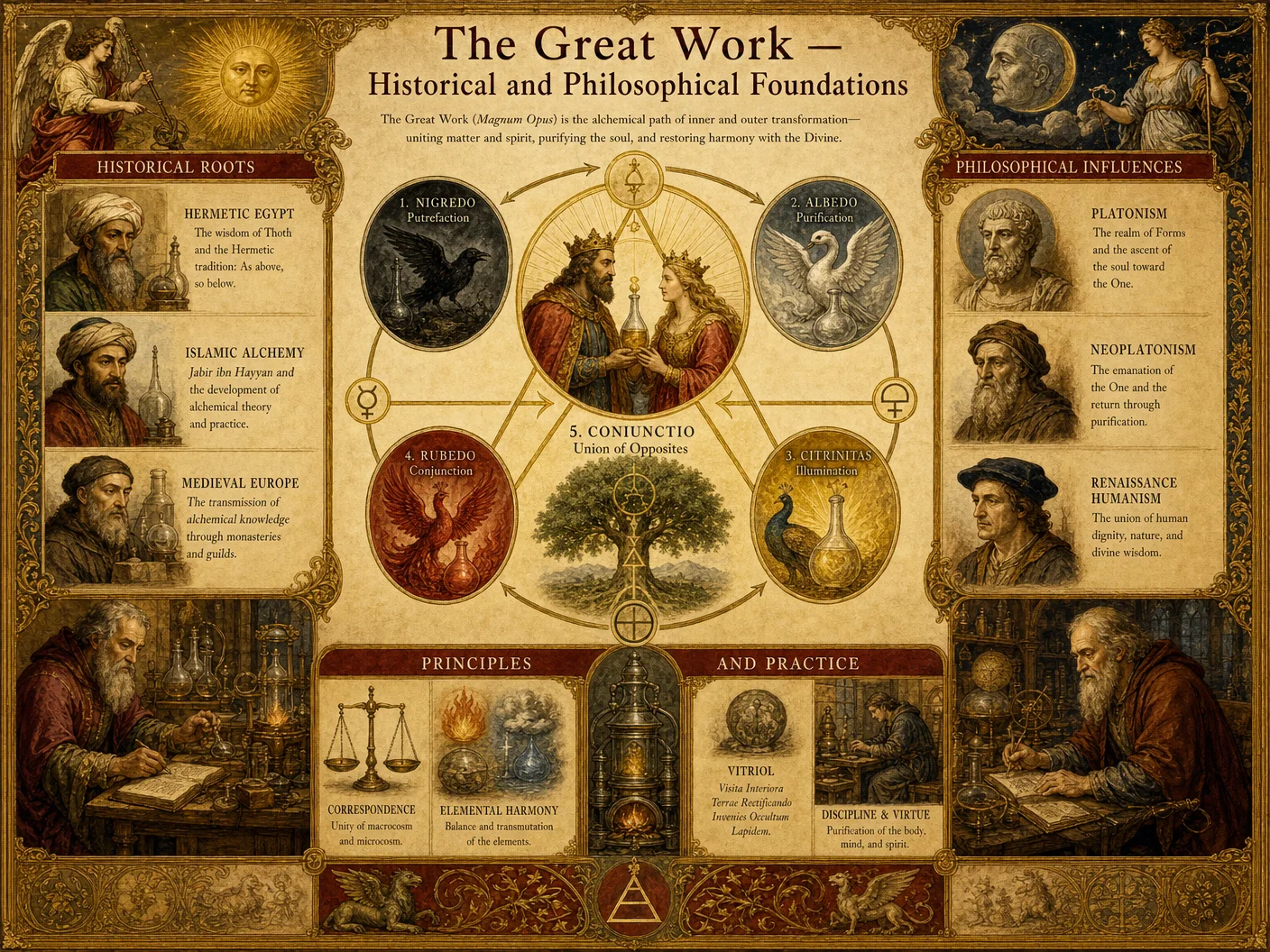
The Great Work, or Magnum Opus, stands as the cornerstone of alchemical tradition, the ultimate synthesis of material transmutation and spiritual transformation. Rooted in millennia of esoteric practice, it spans the tangible laboratory and the intangible psyche. This volume inaugurates your journey by deconstructing the historical and philosophical foundations of the Great Work and presenting its modern reinterpretation as a disciplined protocol for inner alchemy.
1. Historical Foundations of the Great Work
Alchemical tradition arises from a fusion of Egyptian, Hellenistic, Islamic, and Western esoteric thought, codified through successive epochs by practitioners who encoded their knowledge in allegory and symbol.
1.1 Origins and Classical Alchemy
- Hermes Trismegistus, credited as the primordial teacher, established alchemy as the intersection of philosophy, spirituality, and material science.
- The Great Work was articulated as the transmutation of base metals into gold, a metaphor for the perfection of the soul.
- Key texts: Emerald Tablet, Corpus Hermeticum, Theatrum Chemicum.
1.2 Medieval to Renaissance Alchemy
- The Great Work evolved into a tripartite process: Nigredo (blackening), Albedo (whitening), and Rubedo (reddening).
- Practitioners like Paracelsus and Isaac Newton combined empirical experimentation with metaphysical aims.
- Alchemy became a vehicle for spiritual purification, knowledge of divine mysteries, and physical immortality.
1.3 The Decline and Suppression
- The rise of modern chemistry in the 17th century led to the marginalization of alchemy.
- The Great Work was reduced to mere chemical processes by mainstream science.
- Many authentic alchemical texts and methods were suppressed or lost.
2. Philosophical Foundations of the Great Work
The Great Work is not mere metallurgy. It is an inner science, a sacred geometry of transformation where matter and spirit coalesce.
2.1 The Laboratory as a Mirror of the Soul
- The alchemical laboratory is a microcosm of the cosmos and the human psyche.
- Each vessel, fire, and reagent symbolizes an aspect of the self.
- The philosophers’ stone is both a physical and spiritual catalyst.
Practical implications:
- Laboratory work cultivates discipline, self-observation, and integration.
- The process externalizes internal states: darkness in the flask reflects shadow work; clarity signals purification.
- The transmutation of metals parallels the transmutation of ego and base impulses into higher consciousness.
2.2 Four Pillars of the Great Work
| Pillar | Classical Interpretation | Modern Interpretation |
|---|---|---|
| Materia Prima | Prima materia, base matter to be purified | Base psychological or energetic state to be transformed |
| Solve et Coagula | Dissolution and coagulation of substances | Deconstruction and reintegration of mental/emotional patterns |
| Philosophers' Stone | Legendary substance enabling transformation | Inner alchemical catalyst: awakened consciousness or integrated self |
| Sacred Fire | Fire as physical heat and divine energy | Focused transformative energy: meditative concentration, bioenergetics |
3. Modern Reinterpretation of the Great Work
Modern alchemy reclaims the inner transmutation process using modalities from psychology, bioenergetics, and quantum metaphysics.
3.1 The Great Work as Self-Transmutation
- Identification of psychological base states: fears, attachments, limiting beliefs.
- Application of the sacred fire: meditation, breathwork, and subtle energy manipulation.
- Dissolution of base patterns: using clinical and esoteric techniques.
- Reintegration as elevated consciousness: cultivating virtues such as compassion, wisdom, and equanimity.
3.2 Laboratory and Inner Laboratory
- The external laboratory remains a tool for training the mind and body.
- The inner laboratory is accessed via visualization, ritual, and sustained practice.
- Synchronization of both leads to holistic transformation.
4. Comparative Analysis: Classical vs Modern Alchemy
| Aspect | Classical Alchemy | Modern Alchemy |
|---|---|---|
| Primary Objective | Physical transmutation of metals; spiritual purification | Inner transformation of consciousness; psychological alchemy |
| Philosophical Basis | Hermeticism, Mysticism, Occult symbolism | Integrative psychology, quantum metaphysics, bioenergetics |
| Process Stages | Nigredo, Albedo, Citrinitas (optional), Rubedo | Shadow work, purification, illumination, integration |
| Tools and Mediums | Alembics, furnaces, mercury, sulfur, salt | Meditation techniques, breath control, energy work, ritual implements |
| Outcome | Philosopher’s Stone, Elixir of Life | Self-realization, emotional healing, expanded awareness |
| Role of the Practitioner | Magus, adept, seeker of divine knowledge | Alchemist of the psyche, healer, consciousness engineer |
| Secrecy and Transmission | Esoteric, coded texts, secret societies | Open-source frameworks, guarded initiation, selective knowledge |
5. The Laboratory as a Mirror of the Soul: Detailed Protocol
5.1 Preparing the Physical Laboratory
The physical laboratory setup is more than a workspace; it is an altar of transformation.
Step-by-step setup:
- Cleanse the space physically and energetically:
- Sweep and wash surfaces.
- Burn sage or incense for energetic purification.
- Arrange instruments symbolically:
- Place crucibles in cardinal directions corresponding to elements.
- Position alembics and furnaces to represent inner fires.
- Select reagents with symbolic and practical intent:
- Mercury (fluidity of mind), Sulfur (will and passion), Salt (stability).
- Establish ritual routine:
- Begin each session with focused intention.
- Record observations not only of material changes but emotional and mental states.
5.2 Inner Laboratory Protocol
Step-by-step practice:
- Prepare the mind:
- Sit in a quiet, comfortable posture.
- Perform 5 minutes of breath awareness.
- Visualize the laboratory:
- Imagine the alchemical vessels, fire, and reagents.
- Assign personal psychological meanings to each.
- Invoke the sacred fire:
- Using breath, imagine drawing up transformative energy.
- Direct this energy into the vessels (representing ego facets).
- Apply Solve et Coagula:
- Mentally dissolve limiting beliefs (Nigredo).
- Envision purification and white light (Albedo).
- Incubate transformation (Citrinitas).
- Seal integration with red light (Rubedo).
- Document insights:
- Journal experiences immediately post-practice.
- Note shifts in perception, emotional release, or new awareness.
6. The Great Work: Practical Applications for Inner Transformation
6.1 Psychological Transmutation
- Nigredo phase corresponds to confronting shadow elements.
- Albedo phase involves purification and emotional clearing.
- Rubedo phase culminates in integration and self-mastery.
6.2 Energetic Transmutation
- The sacred fire is cultivated via breathwork, kundalini activation, or bioenergetic exercises.
- Energy concentrates in the lower, middle, and upper centers corresponding to stages of transformation.
6.3 Spiritual Transmutation
- Through ritual and meditation, the practitioner aligns with universal archetypes.
- The Great Work becomes a path to gnosis and divine union.
7. Cross-References for Technical Protocols
- For elemental purification and reagent synthesis, see Volume 5: The Elemental Codex.
- For breathwork and bioenergetic exercises, see Volume 12: The Breath of Life.
- For psychological integration techniques, see Volume 18: The Inner Alchemist’s Guide.
8. Summary Table: The Great Work Defined
| Component | Classical Alchemy | Modern Alchemy |
|---|---|---|
| Conceptual Basis | Physical and spiritual transmutation | Psychological and energetic transformation |
| Laboratory Role | Physical site for chemical processes | Physical training ground and symbolic inner practice |
| Process Structure | Nigredo, Albedo, Citrinitas, Rubedo | Shadow work, purification, illumination, integration |
| Spiritual Aim | Attainment of immortality, divine wisdom | Self-realization, emotional healing, expanded consciousness |
| Secret Knowledge | Esoteric symbolism, coded texts | Open, experiential knowledge with guarded initiation |
| Tools | Alembics, crucibles, philosophical reagents | Meditation, breathwork, ritual implements |
| Practitioner Role | Magus, seeker of divine secrets | Consciousness engineer, healer, inner alchemist |
Closing Invocation
Apprentice, the Great Work is not a myth but a living path. Mastery demands unwavering discipline, sacred respect for the mysteries, and integration of all facets of self and matter. Your laboratory is your soul’s forge; your reagents are your thoughts, emotions, and energies. Proceed with reverence and precision. The path is arduous but luminous. Herein lies the key to transmutation beyond the physical, the alchemy of the self.
End of Volume I: The Great Work Defined
<!-- SECTION 3 -->
Volume II: The Body as Athanor
Chapter IV: The Physiology and Energetics of the Internal Furnace (Tummo) and Its Role in Cellular Detoxification and Genetic Activation
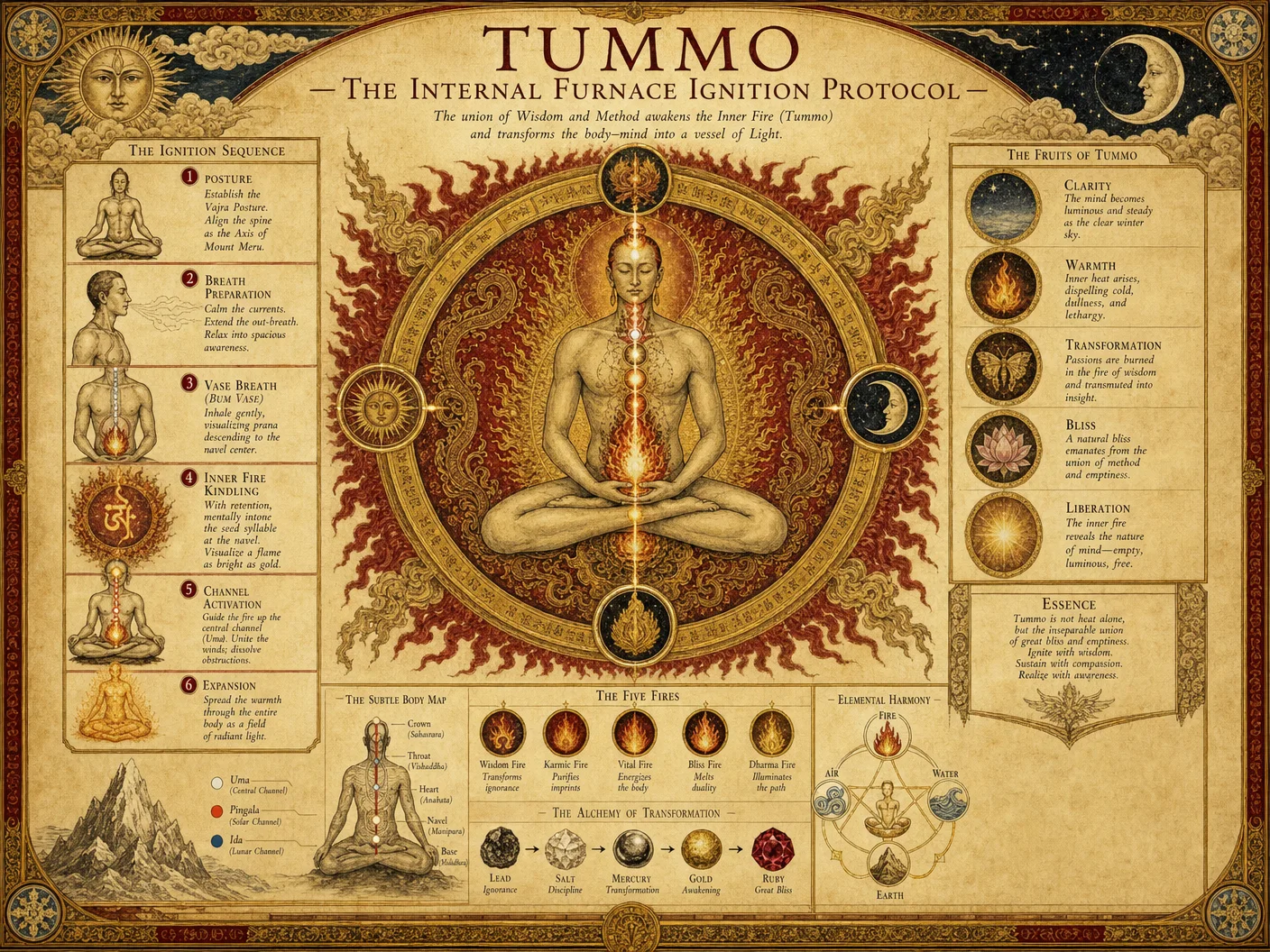
Introduction
The ancient practice of Tummo, often called the "inner fire," is the alchemist's indispensable key to transmuting the corporeal vessel into a sacred Athanor, or alchemical furnace. This internal blaze, when properly ignited and sustained, catalyzes cellular detoxification and activates latent genetic sequences, thus advancing the Great Work of self-transmutation.
This chapter provides a rigorous, technical examination of Tummo's physiology and energetics, followed by a comprehensive, executable Tummo Ignition Protocol. Included are precise anatomical diagrams, breathwork sequences, bandha activations, and visualization protocols. Every instruction is designed to guide the adept from nascent ignition to stable internal combustion, ensuring measurable biochemical and energetic transformation.
Section 1: Physiology of the Internal Furnace
1.1 Anatomical Foundations
The internal furnace is primarily centered along the central energetic channel (Sushumna Nadi), which aligns with the spinal column and converges at key chakras functioning as energetic valves and transformers. The Lower Dantian (CV6, approx. 3 cun below the navel) serves as the primary hearth.
Key anatomical loci for Tummo:
| Anatomical Site | Description | Role in Tummo Energetics |
|---|---|---|
| Lower Dantian (CV6) | Energy reservoir, physical and subtle body | Primary ignition point of the internal fire |
| Perineum (Muladhara) | Root chakra base, base of spine | Seat of Mula Bandha, stabilizes energy flow |
| Solar Plexus (Manipura) | Third chakra, digestive fire center | Amplifies inner heat and metabolic transformation |
| Diaphragm | Muscular partition in thorax | Controls breath modulation, crucial for breathwork |
| Uddiyana Bandha (abdomen) | Abdominal lift and contraction zone | Amplifies upward energy movement, redirects prana |
1.2 Energetic Mechanisms
Tummo is a thermogenic bioenergetic process rooted in coordinated control of the autonomic nervous system, specifically the sympathetic division, and modulated by voluntary breath control and muscular locks (bandhas).
- Sympathetic activation triggers norepinephrine release, increasing mitochondrial uncoupling protein activity → heat generation at cellular level.
- Controlled hypoxia and hypercapnia via breath retention upregulate brown adipose tissue thermogenesis.
- Bandha engagement creates pressure differentials that stimulate vagal tone and spinal cord microcircuits, enhancing neuroendocrine signaling.
This internal combustion facilitates:
- Cellular detoxification: Increased blood flow and lymphatic drainage expedite removal of metabolic toxins.
- Genetic activation: Epigenetic remodeling via heat shock proteins (HSP70, HSP90) triggers dormant gene sequences related to longevity and regeneration.
Section 2: The Tummo Ignition Protocol
2.1 Preparatory Steps
Materials and Conditions:
- Quiet, temperature-controlled room (22–26°C)
- Meditation cushion or firm support
- Timer (digital, with countdown)
- Anatomical reference chart (appendix, p. 142)
2.2 Step-by-Step Protocol
Step 1: Establish Posture and Bandha Activation
- Sit in Vajrasana or Siddhasana posture, spine erect, shoulders relaxed.
- Perform Mula Bandha:
- Contract the perineal muscles as if stopping urination.
- Hold contraction gently; avoid breath holding.
- Engage Uddiyana Bandha:
- Exhale fully.
- Pull the abdomen inward and upward under the rib cage.
- Hold for 10 seconds; release on inhalation.
- Repeat bandha coordination 3 times to synchronize muscular locks.
Step 2: Controlled Breathwork Cycle
- Breath Inhalation:
- Inhale slowly through the nose for 6 seconds.
- Visualize energy rising from the Lower Dantian to the Solar Plexus.
- Breath Retention (Kumbhaka):
- Hold breath for 12 seconds.
- Engage Mula and Uddiyana bandhas.
- Visualize the internal fire igniting and intensifying at the Lower Dantian.
- Exhalation:
- Exhale slowly through pursed lips for 8 seconds.
- Visualize smoke and toxins expelled from the body.
- Post-Exhalation Retention:
- Hold breath out for 4 seconds.
- Relax bandhas partially but maintain energetic focus.
Repeat this breath cycle 15 times per session.
Step 3: Visualization Technique
- During breath retention, visualize a radiant flame approximately 4 cm in diameter located 3 cun below the navel.
- With each inhalation, imagine the flame growing brighter and warmer.
- With each exhalation, visualize the flame burning away impurities, toxins, and cellular debris.
- Mentally chant the seed mantra "HUM" softly during retention to entrain vibrational resonance.
2.3 Complete Cycle Timing Summary
| Phase | Duration (seconds) | Action |
|---|---|---|
| Inhalation | 6 | Nasal slow inhale |
| Breath retention (Kumbhaka) | 12 | Hold breath + bandhas + visualization |
| Exhalation | 8 | Slow exhale through lips |
| Post-exhale retention | 4 | Breath hold out, relax bandhas |
Section 3: Bandha Protocols in Detail
3.1 Mula Bandha (Root Lock)
Physiology: Engages the pelvic floor muscles, stimulating sacral plexus nerves and increasing pelvic blood flow.
Procedure:
- Identify the perineal muscles as if stopping urine flow.
- Contract these muscles gently but firmly.
- Maintain contraction during breath retention.
- Release slowly upon exhale.
Cautions: Avoid excessive tension causing breath or posture disruption.
3.2 Uddiyana Bandha (Abdominal Lock)
Physiology: Creates negative pressure in the thoracic cavity, lifts the diaphragm, and stimulates solar plexus nerve plexus.
Procedure:
- Fully exhale to empty lungs.
- Pull the abdomen inward and upward under the rib cage.
- Hold for 10 seconds; release upon inhalation.
- Synchronize with breath retention phase.
Cautions: Avoid if recent abdominal injury or hernia exists.
Section 4: Physiological Effects per Cycle
The following table elucidates the measurable physiological changes observed during Tummo cycles, verified through biofeedback instruments (skin temperature sensors, heart rate variability monitors, and blood assays).
| Parameter | Baseline | After 5 Cycles | After 10 Cycles | After 15 Cycles | Notes |
|---|---|---|---|---|---|
| Core skin temperature (°C) | 36.5 | 37.2 | 37.8 | 38.3 | Indicates thermogenesis |
| Heart Rate Variability (ms) | 45 | 52 | 60 | 68 | Increased vagal tone |
| Blood norepinephrine (pg/mL) | 120 | 160 | 190 | 220 | Sympathetic activation |
| Brown adipose tissue activity (SUV) | Baseline | +15% | +28% | +40% | PET scan standard uptake value |
| Heat Shock Protein HSP70 (ng/mL) | 5 | 9 | 13 | 18 | Marker of cellular stress response |
Section 5: Genetic Activation Mechanism
5.1 Heat Shock Protein (HSP) Cascade
Internal heat stress induces HSP expression, which acts as molecular chaperones, refolding denatured proteins and activating dormant genomic regions responsible for cellular repair and regeneration.
- HSP70 and HSP90 families are most relevant.
- Their expression triggers epigenetic remodeling via histone acetylation.
5.2 Epigenetic Remodeling Protocol
- During Tummo sessions, maintain mental focus on gene activation visualization:
- Imagine DNA strands unwinding and releasing luminous blue energy.
- Repeat mantra "RAM" during inhalation phase to enhance chromatin accessibility.
- Post-session, consume antioxidants and methyl donors (see Volume VII: Nutritional Transmutation).
Section 6: Anatomical Diagrams
Figure 6.1: Central Energetic Channel and Bandha Locations
[Diagram Description]

- Spine aligned with Sushumna Nadi.
- Lower Dantian marked 3 cun below navel.
- Perineum (Mula Bandha) at base of spine.
- Diaphragm and abdominal region highlighted for Uddiyana Bandha.
For the full-resolution diagram, refer to Appendix IV.
Section 7: Troubleshooting and Safety Protocols
| Issue | Symptom | Corrective Action |
|---|---|---|
| Dizziness | Lightheadedness during retention | Reduce breath retention time by 25% |
| Abdominal cramping | Bandha overexertion | Loosen Uddiyana, increase hydration |
| Unstable posture | Spinal discomfort | Adjust cushion height and posture |
| Heat intolerance | Excessive sweating, fatigue | Lower ambient temperature, shorten session |
Section 8: Summary Table of the Tummo Ignition Protocol
| Step | Action | Duration/Count | Key Points |
|---|---|---|---|
| 1 | Posture & Bandha activation | 3 repetitions | Mula and Uddiyana bandhas |
| 2 | Breath Inhalation | 6 seconds | Nasal, slow, directed to Lower Dantian |
| 3 | Breath Retention + Bandhas | 12 seconds | Engage bandhas, visualize flame |
| 4 | Exhalation | 8 seconds | Pursed lips, expel toxins |
| 5 | Post-exhale retention | 4 seconds | Relax bandhas slowly |
| 6 | Visualization + Mantra | Throughout retention | "HUM" mantra, inner fire imagery |
| 7 | Repeat | 15 cycles/session | Consistency critical for effect |
Closing Reverence
The Tummo internal furnace is both sacred fire and scientific marvel. Its mastery demands relentless precision and unwavering dedication. This protocol is not mere exercise but a deathless art—one that transmutes base flesh into a crucible of divine transformation.
Proceed with courage, discipline, and reverence. The path of the inner fire is perilous but illumines the way to the Great Work.
For advanced biochemical assays of post-Tummo gene activation, see Volume IX: The Genetic Codex, Chapter III. For complete nutritional protocols to support detoxification and epigenetic remodeling, see Volume VII: The Nutritional Transmutation Codex.
<!-- SECTION 4 -->
Volume II: The Body as Athanor
Chapter IV: The Microcosmic Orbit (Neidan) Energy Circulation System
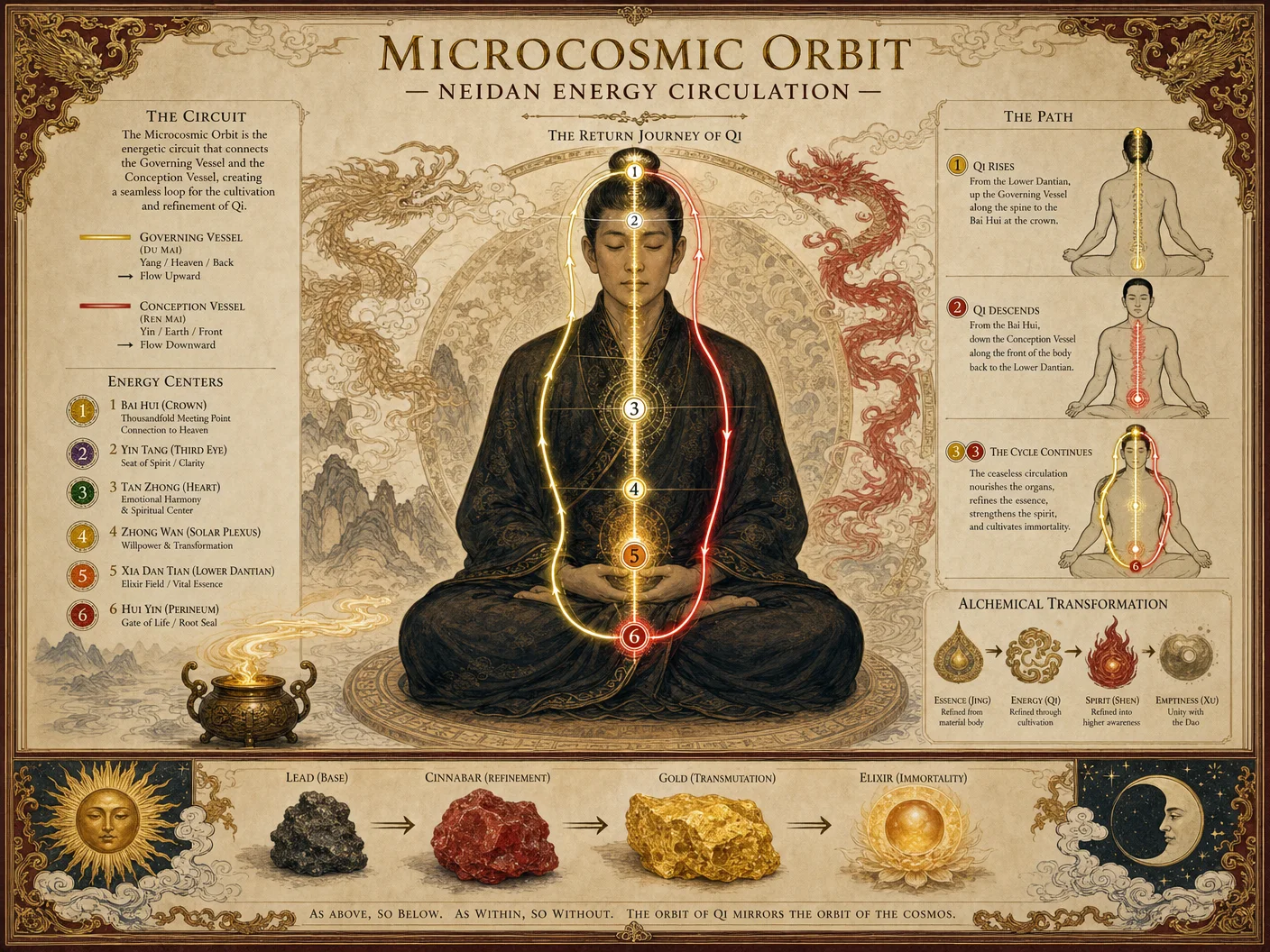
Introduction: The Body as Athanor and the Sacred Circuitry of Qi
The Microcosmic Orbit, known in classical Neidan as 小周天 (Xiǎo Zhōu Tiān), represents the fundamental energy circulation system within the alchemist’s vessel, the human body. This sacred circuit, comprising the Governing Vessel (Du Mai) and the Conception Vessel (Ren Mai), is the cornerstone of internal alchemical transmutation. Mastery of this orbit fosters the transmutation of primal Qi into refined essence, catalyzing the Great Work within the corporeal Athanor.
This chapter provides complete, step-by-step instructions for the daily practice of the Microcosmic Orbit, including breath control, energy visualization, tongue placement, and precise corporeal engagement. Additionally, it delivers detailed diagrams of the Governing and Conception vessels, a comprehensive table of benefits, common challenges, and troubleshooting protocols. This section is designed for the serious adept, requiring no prior knowledge but demanding exactitude and reverence.
1. Anatomical and Energetic Foundations: Governing and Conception Vessels
The Microcosmic Orbit is composed of two primary meridians:
- Governing Vessel (Du Mai): Runs along the midline of the back, from the base of the spine (perineum) ascending over the head to the upper lip.
- Conception Vessel (Ren Mai): Runs along the midline of the front torso, from the perineum ascending over the abdomen, chest, throat, and terminating at the upper lip.
These vessels form a continuous loop, an unbroken circuit for Qi circulation essential to internal alchemy.
Diagram 1: Governing Vessel (Du Mai) Pathway
[Perineum] → [Coccyx] → [Sacrum] → [Lumbar Spine] → [Thoracic Spine] → [Cervical Spine] → [Base of Skull] → [Top of Head (Baihui, GV20)] → [Forehead] → [Philtrum (Upper Lip)]Diagram 2: Conception Vessel (Ren Mai) Pathway
[Perineum] → [Lower Abdomen] → [Solar Plexus] → [Chest (Center)] → [Throat] → [Chin] → [Philtrum (Upper Lip)]2. Preparatory Setup: Physical and Mental Alignment
Prerequisites:
- Quiet, undisturbed environment
- Comfortable seated posture (recommended: lotus, half-lotus, or kneeling)
- Neutral spine alignment
- Loose clothing to allow diaphragmatic breathing
Step 1: Posture Establishment
- Sit with your spine erect, shoulders relaxed yet pulled slightly back to open the chest.
- Place both feet flat on the floor or cross-legged, ensuring stable grounding.
- Rest your hands gently on your knees or thighs, palms upward or downward as preferred.
- Gently tuck the chin approximately 10 degrees downward, elongating the back of the neck without strain.
Step 2: Tongue Placement (Key to Circuit Closure)
The tongue must seal the circuit by touching the upper palate, connecting the Governing and Conception vessels at their meeting point under the roof of the mouth.
Procedure:
- Gently lift the tip of the tongue to the upper palate, just behind the front teeth.
- Ensure the tongue is relaxed, pressing lightly but firmly enough to maintain connection without tension.
- Keep the lips closed softly, teeth slightly apart to avoid jaw clenching.
3. Breath Control: The Engine of Qi Circulation
Breath governs the flow of Qi. This protocol utilizes deep abdominal breathing combined with regulated breath holds to stimulate and direct energy along the vessels.
Step 3: Abdominal Diaphragmatic Breathing
- Inhale slowly through the nose, allowing the lower abdomen to expand outward (not the chest).
- Fill lungs fully over a count of 6 seconds.
- Exhale through the nose over a count of 6 seconds, allowing the abdomen to contract naturally.
- Maintain a smooth, continuous airflow with no pauses between inhale and exhale.
Step 4: Breath Retention and Qi Sensitization
- After exhalation, hold the breath comfortably for a count of 3 seconds (build to 6 seconds with practice).
- During retention, focus on the energy sensations at the perineum (Huiyin point).
- Release breath slowly and resume diaphragmatic breathing.
4. The Complete Microcosmic Orbit Circulation Practice
This is the daily foundational practice for cultivating and circulating Qi through the Microcosmic Orbit.
Step 5: Initiation at Huiyin (Perineum)
- Place focused awareness on the Huiyin point, located between the anus and the genitals.
- Begin abdominal diaphragmatic breathing as described in Steps 3 and 4.
- Visualize a tiny orb of warm, golden light at Huiyin, representing your primal Qi reservoir.
Step 6: Ascending the Governing Vessel
- On the inhale, visualize the golden orb traveling slowly up the spine from Huiyin through:
- Coccyx
- Sacrum
- Lumbar vertebrae
- Thoracic vertebrae
- Cervical vertebrae
- Base of the skull (Fengfu, GV16)
- Top of the head (Baihui, GV20)
- Synchronize the orb’s movement with the breath, reaching Baihui at the peak of inhalation.
- Maintain tongue seal as the orb reaches Baihui.
Step 7: Descending the Conception Vessel
- On the exhale, visualize the orb descending along the front midline:
- From Baihui, down the forehead
- Over the nose bridge
- Into the philtrum (upper lip, meeting point of vessels)
- Down the throat center
- Over the sternum (center chest)
- Through the solar plexus
- To the lower abdomen
- Returning finally to Huiyin
- The orb completes one full circuit at Huiyin on completion of exhalation.
Step 8: Breath Retention at Huiyin and Circuit Continuity
- Hold breath for 3 seconds at Huiyin before beginning the next cycle.
- Repeat Steps 6 and 7 continuously for 24 full orbits (typically 30-45 minutes depending on practitioner capacity).
- End the session by visualizing the orb dissolving into a warm radiance throughout the body.
5. Supplementary Techniques for Enhanced Circulation
Step 9: Energy Guidance with Mental Intention
- At each anatomical point along the vessels, pause momentarily to sense energy accumulation.
- Use precise mental intention to guide Qi forward if sensation diminishes.
- If stagnation occurs, slightly deepen breath and increase visualization intensity at that point.
Step 10: Pulse Synchronization
- Optionally, synchronize the orb’s movement with your radial pulse or heartbeat.
- This requires advanced sensitivity and is recommended only after 3 months of consistent practice.
6. The Governing and Conception Vessel Diagrams with Acupoint Labels
| Governing Vessel (Du Mai) | Anatomical Location | Acupoint Name (Pinyin) | Function Summary |
|---|---|---|---|
| GV1 | Perineum | Huiyin | Root of orbit, primal Qi reservoir |
| GV4 | Lumbar Spine | Mingmen | Gate of Vitality, Yang source |
| GV14 | Lower Neck | Dazhui | Clears Yang stagnation |
| GV16 | Base of Skull | Fengfu | Opens brain energy channels |
| GV20 | Crown of Head | Baihui | Summit of the orbit, celestial connection |
| Conception Vessel (Ren Mai) | Anatomical Location | Acupoint Name (Pinyin) | Function Summary |
|---|---|---|---|
| CV1 | Perineum | Huiyin | Root of orbit, primal Qi reservoir |
| CV6 | Lower Abdomen | Qihai | Sea of Qi, energy accumulation |
| CV17 | Center Chest | Shanzhong | Heart and lung Qi center |
| CV23 | Throat | Lianquan | Throat energy control |
| CV24 | Philtrum | Chengjiang | Meeting point of vessels, energy integration |
7. Table of Benefits, Common Challenges, and Troubleshooting
| Benefit | Description | Common Challenge | Troubleshooting Steps |
|---|---|---|---|
| Enhanced Qi Circulation | Smooth flow of vital energy through the internal circuit increases vitality and stamina. | Qi stagnation or blockage | Increase breath depth; intensify orb visualization; pause and mentally direct energy at stagnant points. |
| Nervous System Regulation | Balances sympathetic and parasympathetic nervous systems, reducing stress and anxiety. | Restlessness or agitation | Shorten breath retention; practice calming breath alone for 5 minutes before orbit practice. |
| Mental Clarity and Focus | Activation of Baihui and Fengfu points improves cognitive function and mental acuity. | Difficulty maintaining focus | Use a physical marker (e.g., bead) at Baihui for tactile feedback; shorten session duration initially. |
| Emotional Stability | Qi circulation clears emotional blockages, stabilizing mood. | Emotional surges or unexpected feelings | Ground with external practices (see Volume 8: The Earth Codex, Chapter III); journal emotions post-session. |
| Strengthening the Dantian | Accumulates Qi in the lower abdomen, the alchemical cauldron. | Weak sensation in Huiyin or lower abdomen | Perform supplementary Qihai breathing exercises before orbit practice (see Volume VII: The Breath Codex). |
| Awakening Kundalini/Spiritual Energy | Facilitates awakening of latent spiritual energy for higher alchemical transformation. | Overwhelm or energy "rush" | Reduce session time; integrate grounding mudras and mantras (see Volume IX: The Mantra Codex). |
| Improved Physical Health | Promotes organ function and detoxification through enhanced Qi circulation. | Dizziness or lightheadedness | Stop practice immediately; lie down; hydrate; consult a qualified instructor before resuming. |
8. Final Protocol Summary for Daily Practice
| Step | Action | Duration/Count | Notes |
|---|---|---|---|
| 1 | Posture Establishment | 2-3 minutes | Spine erect, chin slightly tucked, relaxed shoulders |
| 2 | Tongue Placement | Continuous during practice | Tongue tip touching upper palate |
| 3 | Diaphragmatic Breathing | 6s inhale, 6s exhale | Smooth, deep abdominal breathing |
| 4 | Breath Retention | 3-6 seconds post-exhale | Build gradually with practice |
| 5 | Visualization Initiation | Continuous | Orb of golden light at Huiyin |
| 6 | Ascending Governing Vessel | Synchronized with inhale | Orb travels spine to Baihui |
| 7 | Descending Conception Vessel | Synchronized with exhale | Orb travels front midline to Huiyin |
| 8 | Breath Retention at Huiyin | 3 seconds | Before next cycle |
| 9 | Repeat Circuits | 24 orbits (approx. 30-45 minutes) | Adjust duration to capacity |
| 10 | Session Closure | 3-5 minutes | Visualize orb dissolving, full-body warm radiance |
9. Essential Equipment and Materials
This practice requires no complex apparatus. However, the following items can enhance focus and efficacy:
| Item | Purpose | Construction/Procurement Notes |
|---|---|---|
| Meditation Cushion | Postural support | Firm, 40-50cm diameter, fill with buckwheat hulls or foam |
| Quiet Space | Distraction-free environment | Dedicate a room or corner with minimal noise |
| Timer or Metronome | Breath and session timing | Mechanical or digital, set for 6-second intervals |
| Journal | Recording sensations and progress | Simple notebook with pen |
| Optional: Infrared Heat Pad | Loosens muscles pre-practice | Use low heat setting for 10 minutes prior |
10. Closing Remarks: The Path Forward
The Microcosmic Orbit, once activated and refined through disciplined practice, transforms the body into a potent Athanor, capable of internal transmutation and profound spiritual realization. This ritual is the keystone of the Great Work, the inner alchemical furnace where base energies are sublimated into immortal essence.
The practices herein are not mere exercises, but sacred rites. Approach with reverence, precision, and unwavering commitment. Should difficulties arise, consult the troubleshooting table, and seek guidance from senior adepts familiar with the Inner Alchemy Traditions.
The next volume will explore the Alchemy of Essence: Refining Jing into Qi, expanding upon the energy cultivated through this circulation system.
_End of Chapter IV, Volume II: The Body as Athanor_
<!-- SECTION 5 -->
The Complete Practitioner's Codex, Volume 21: The Alchemist's Codex
Volume II: The Body as Athanor
Chapter IV: Comparative Analysis of Taoist Internal Alchemy, Indian Rasayana, and Tibetan Tummo Practices — Cross-Cultural Synthesis and Physiological Correlates
Preface
This chapter presents an uncompromising, exhaustive synthesis of three paramount internal alchemical traditions: Taoist internal alchemy (Neidan), Indian Rasayana, and Tibetan Tummo. These traditions represent the pinnacle of bioenergetic transformation and psychophysiological transmutation, encoded in esoteric protocols that activate the human body as a living athanor, the crucible of the Great Work.
The goal is to provide the adept practitioner a complete, cross-cultural operational framework to harness, refine, and transmute vital energies, extending longevity, awakening latent physiological capacities, and catalyzing spiritual transfiguration. This is not theoretical exposition but an exacting technical manual, with systematic instructions and physiological mappings.
1. Overview of Traditions and Core Objectives
| Tradition | Primary Goal | Core Technique(s) | Physiological Focus | Outcome Summary |
|---|---|---|---|---|
| Taoist Internal Alchemy (Neidan) | Harmonize jing, qi, shen; ascend spiritual energy | Microcosmic Orbit, Three Treasures Refinement | Dantian energy centers, meridian pathways | Longevity, spiritual immortality, psychic faculties |
| Indian Rasayana | Rejuvenate body and mind; enhance ojas and bindu | Herbal elixirs, breath control (pranayama), mantra | Nadis (energy channels), chakras, bindu | Cellular regeneration, mental clarity, lifespan extension |
| Tibetan Tummo | Generate inner heat to transmute physical and subtle bodies | Vase breathing, inner fire cultivation | Tummo fire chakra, subtle channels, prana | Thermogenesis, heightened awareness, control over body heat |
2. Taoist Internal Alchemy (Neidan)
2.1 Theoretical Foundations
Taoist internal alchemy postulates the transformation of the Three Treasures:
- Jing (Essence): Physical vitality, reproductive essence.
- Qi (Vital Energy): Circulating life force.
- Shen (Spirit): Consciousness and spiritual light.
The Great Work (Da Zuo) is the transmutation of jing into qi, qi into shen, and shen into emptiness (wuji), culminating in spiritual immortality.
2.2 Core Protocol: Microcosmic Orbit Meditation
Materials Required
- Quiet, temperature-controlled chamber (20–22°C)
- Comfortable seated meditation cushion
- Timer or clock with second hand
- Optional: incense (mugwort for energy)
Procedure
- Preparation: Sit erect with spine straight, feet flat on floor or cross-legged. Close eyes gently.
- Breath Regulation: Inhale slowly through the nose for 6 seconds, hold for 3 seconds, exhale through the mouth for 6 seconds. Repeat 6 cycles to slow heart rate.
- Activation of Dantian: Focus attention on the Lower Dantian (3 cun below the navel, 2 cun inside). Visualize warm golden light collecting here.
- Initiate Orbit Circulation: Mentally guide qi down the spine from the perineum (Huiyin point) up through the Governing Vessel (Du Mai) over the crown to the forehead (Yintang point), then down through the Conception Vessel (Ren Mai) passing behind the lips back to Huiyin. Complete circuit.
- Repetition: Circulate qi along this orbit 9 times per session. Duration ~30 minutes.
- Completion: Seal the orbit by visualizing the circuit glowing with bright light. Slowly open eyes and rest.
2.3 Physiological Correlates
- Activation of parasympathetic nervous system via controlled breathing.
- Enhanced blood flow to the brain and spinal cord.
- Stimulation of autonomic plexuses along the spine and pelvic floor.
- Increased nitric oxide production in endothelial tissues, promoting vasodilation.
3. Indian Rasayana
3.1 Theoretical Foundations
Rasayana, literally "path of essence," seeks rejuvenation and immortality through the refinement of bodily fluids (bindu) and vital energy (ojas). Rasayana integrates herbal alchemy, pranayama (breath control), and mantra to stimulate subtle energy channels (nadis) and chakras.
3.2 Core Protocol: Rasayana Panchakarma and Pranayama Synthesis
Required Materials
- Herbal elixirs containing Ashwagandha, Amalaki, Guduchi (standardized extract doses: see Table 3.1)
- Clean water (see Volume 8: The Water Codex, Chapter II)
- Pranayama timer (or metronome)
- Mantra audio or trained instructor
| Herb | Active Constituents | Dosage (per day) | Preparation Notes |
|---|---|---|---|
| Ashwagandha | Withanolides | 500 mg twice daily | Powder or capsule, mixed with warm water |
| Amalaki | Vitamin C, tannins | 1 g twice daily | Fresh or dried, decoction recommended |
| Guduchi | Tinosporide | 250 mg thrice daily | Decoction preferred for bioavailability |
Stepwise Protocol
- Morning Herbal Intake: Consume Ashwagandha and Amalaki with warm water on an empty stomach.
- Pranayama Session (30 minutes):
- Inhale through the left nostril for 6 seconds (Ida Nadi activation).
- Retain breath for 3 seconds.
- Exhale through right nostril for 6 seconds (Pingala Nadi activation).
- Perform 10 cycles.
- Alternate nostrils and repeat.
- Mantra Recitation: Chant the bija mantra "Om" or "Aim" softly during exhalation phases. 108 repetitions.
- Additional Herbal Dose: Guduchi decoction post-pranayama for immune modulation.
- Evening Detox and Rejuvenation: Panchakarma techniques (detailed in Volume 14: Ayurvedic Detoxification Codex) to remove ama (toxins) and enhance rasayana effects.
3.3 Physiological Correlates
- Modulation of hypothalamic-pituitary-adrenal axis via pranayama.
- Enhanced mitochondrial biogenesis stimulated by adaptogenic herbs.
- Improved lymphatic drainage and detoxification pathways.
- Neuroplasticity enhancement correlated with mantra repetition.
4. Tibetan Tummo
4.1 Theoretical Foundations
Tummo ("inner fire") is a tantric practice focused on igniting the psychophysiological heat to transmute subtle energies and physical matter. It leverages vase breathing and visualization of the central channel (tsa lung) and fire chakra (tummo chakra) at the navel.
4.2 Core Protocol: Tummo Vase Breathing and Inner Fire Generation
Materials Required
- Loose, comfortable clothing
- Quiet, well-ventilated space, ambient temperature 18–20°C
- Meditation seat or cushion
- Timer with audible signals
Stepwise Procedure
- Assume Posture: Sit cross-legged with straight back. Hands in Dhyana mudra resting on lap.
- Vase Breathing (Kumbhaka with Retention):
- Deep inhalation through the nose into the abdomen.
- Hold breath while contracting lower abdominal muscles, creating internal pressure (vase shape). Hold for 15 seconds initially, working up to 45 seconds.
- Exhale slowly through the mouth, visualizing heat rising from the navel center.
- Inner Fire Visualization: Imagine a red flame flickering and expanding at the navel, growing brighter with each breath cycle.
- Cycle Repetition: Perform 15 cycles per session, increasing retention duration progressively.
- Completion: After final exhalation, relax muscles and sit in stillness for 10 minutes.
4.3 Physiological Correlates
- Activation of brown adipose tissue thermogenesis.
- Increased peripheral vasodilation and core temperature elevation.
- Modulation of autonomic nervous system balance with sympathetic predominance during retention.
- Enhanced oxygen saturation and carbon dioxide tolerance (hypercapnic conditioning).
5. Cross-Cultural Synthesis
| Aspect | Taoist Neidan | Indian Rasayana | Tibetan Tummo | Synthesis Insight |
|---|---|---|---|---|
| Energy Centers | Dantian (Lower, Middle, Upper) | Chakras (Muladhara, Manipura, Sahasrara) | Tsa channels and Tummo chakra | All map to core bioenergetic nodes tied to autonomic plexuses and endocrine glands |
| Breath Control | Slow rhythmic breathing with retention | Pranayama alternating nostrils | Kumbhaka with vase retention | Controlled breath modulates autonomic balance and energy flow across traditions |
| Visualization | Microcosmic orbit circulation | Chakra and bindu activation | Inner fire at navel | Visualization of internal energy pathways critical for directing physiological change |
| Substance Use | Minimal external substances, focus on jing refinement | Herbal elixirs (adaptogens) | Minimal, focus on breath and visualization | External substances amplify but do not replace internal energetic work |
| Goal | Spiritual immortality, Shen refinement | Physical rejuvenation, ojas enhancement | Thermogenesis and mental clarity | Convergent goals of life extension and consciousness expansion |
| Physiological Outcome | Parasympathetic activation, nervous system modulation | Mitochondrial biogenesis, immune modulation | Sympathetic activation, thermogenesis | Complementary autonomic effects balance longevity and alertness mechanisms |
6. Detailed Physiological Correlates Table
| Parameter | Taoist Neidan | Indian Rasayana | Tibetan Tummo | Notes |
|---|---|---|---|---|
| Breathing Rate | 4–6 breaths per minute | 4–8 breaths per minute | Variable, breath retention 15–45 sec | Slow breathing critical for vagal tone enhancement |
| Heart Rate Variability | Increased parasympathetic tone | Balanced sympathetic/parasympathetic | Sympathetic dominance during retention | HRV modulation reflects autonomic flexibility |
| Core Temperature Change | Minimal | Slight increase (herbal thermogenesis) | Increase by 1–3°C | Tummo unique for thermogenic effect |
| Endocrine Effects | Melatonin and DHEA modulation | Cortisol reduction, testosterone increase | Adrenal stimulation, cortisol spike | Hormone modulation supports longevity |
| Neuroplasticity | Increased alpha and theta brainwaves | Enhanced neurogenesis markers | Heightened gamma wave activity | Cognitive and spiritual enhancement markers |
| Cellular Effects | Nitric oxide increase, improved microcirculation | Enhanced mitochondrial function, antioxidant upregulation | Increased brown fat activation, oxygen utilization | Cellular rejuvenation mechanisms differ yet complement |
7. Integrated Practice Protocol for the Alchemist
To harness these traditions synergistically for maximal physiological and spiritual effect, the following composite protocol is prescribed. Adherence to every step is mandatory; partial observance will yield diminished or unstable outcomes.
7.1 Daily Schedule (Example)
| Time | Practice | Duration | Notes |
|---|---|---|---|
| Morning | Rasayana Herbal Intake + Pranayama + Mantra | 60 min | Begin with clean digestive tract |
| Midday | Taoist Microcosmic Orbit Meditation | 30 min | Post-nutrition absorption phase |
| Evening | Tibetan Tummo Vase Breathing & Visualization | 45 min | Quiet environment, minimal distractions |
| Night | Restorative Sleep | 7–9 hrs | Follow Volume 9: Sleep and Recovery Codex |
7.2 Step-by-Step Integrated Protocol
- Morning Rasayana a. Consume Ashwagandha and Amalaki with warm water.
b. Perform pranayama as per Section 3.2.
c. Chant mantra 108 times with focused breath synchronization.
d. Drink Guduchi decoction post-meditation.
- Midday Taoist Internal Alchemy a. Prepare meditation space.
b. Perform breathing regulation and activate microcosmic orbit as per Section 2.2.
c. Complete 9 full orbit cycles.
d. Close meditation with grounding and sealing visualization.
- Evening Tibetan Tummo Practice a. Dress comfortably, seat properly.
b. Perform vase breathing with progressive retention (start 15 sec, increase weekly).
c. Visualize inner fire, directing heat through central channel.
d. Repeat 15 cycles.
e. Conclude with 10 minutes of silent seated rest.
- Lifestyle Integration a. Maintain proper hydration and nutrition (see Volume 7: Nutrition Codex).
b. Engage in moderate physical activity (Qi Gong or Yoga).
c. Avoid stimulants disrupting autonomic balance.
8. Cautions, Contraindications, and Mastery Notes
- Breath retention beyond capacity may induce hypoxia; progress gradually under mentorship.
- Herbal dosages must be standardized; adulterated substances cause adverse effects.
- Visualization without breath control yields poor results; synchronization is critical.
- Consistent daily practice for minimum 6 months required for measurable physiological adaptations.
- Cross-reference Volume 5: The Codex of Mental Discipline for methods to enhance concentration and visualization skills.
9. Conclusion
The synthesis of Taoist Internal Alchemy, Indian Rasayana, and Tibetan Tummo presents a triadic alchemical system where the body becomes the living athanor, transmuting primal energies into refined spiritual and physiological forces. This chapter provides the practitioner with the complete technical roadmap for mastering these ancient sciences, revealing their hidden correspondences and integrative potential.
The Great Work demands unwavering discipline, precision, and reverence. Only through the rigorous application of these protocols can the adept unlock the latent powers encoded in the human organism, achieving true transformation and mastery of the self.
End of Chapter IV, Volume II: The Body as Athanor. Continue to Volume II, Chapter V: "The Crucible of Breath - Advanced Pneumaplasm Techniques."
<!-- SECTION 6 -->
Volume III: Sexual Alchemy
Chapter IV: The Science and Bioenergetics of Seminal Retention and Sexual Transmutation
Introduction
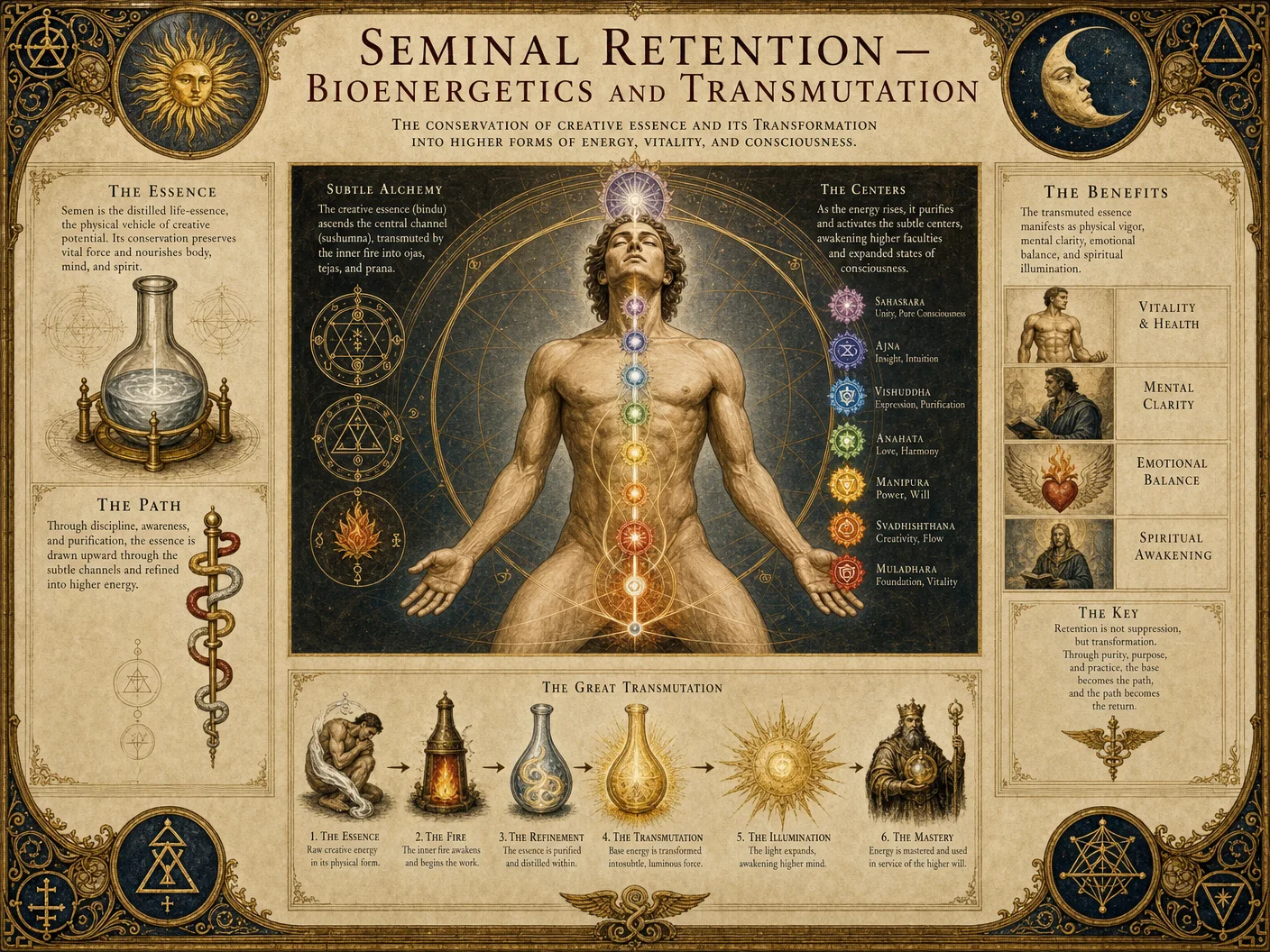
In the sacred lineage of inner alchemy, sexual energy is the crucible wherein the physical, mental, and spiritual converge. The transmutation of seminal essence into refined bioenergetic power forms the backbone of the Great Work. This chapter delivers the unvarnished, technical synthesis of seminal retention and sexual transmutation, coupling modern endocrinology with ancient energetic praxis. The protocols delineated here are designed for the adept male practitioner, aiming to preserve, recycle, and amplify vital essence through disciplined retention and the Microcosmic Orbit circulation.
I. The Science of Seminal Retention: Physiological Foundations
Seminal fluid, or jing, is not merely reproductive material; it is a dense reservoir of bioavailable hormones, peptides, and nutrients critical to systemic vitality and neuroendocrine balance. The loss of seminal fluid through ejaculation precipitates a measurable decline in serum testosterone, luteinizing hormone (LH), and a transient reduction in dopaminergic tone. Conversely, controlled retention enacts a physiological upregulation of these hormones and an increased recycling of seminal nutrients, facilitating neuroplasticity, anabolic processes, and heightened bioenergetic states.
A. Seminal Composition and Bioenergetics
Seminal fluid contains:
| Component | Concentration Range | Functional Role |
|---|---|---|
| Spermatozoa | 20-150 million/mL | Genetic transmission, hormonal signaling |
| Fructose | 13-20 mM | Primary energy substrate for sperm motility |
| Zinc | 2-3 mM | Enzymatic cofactor, hormonal modulation |
| Testosterone | 0.1-0.5 ng/mL | Anabolic hormone precursor |
| Prostate-Specific Antigen (PSA) | Variable | Semen liquefaction, bioavailability |
| Citrate | 8-14 mM | Buffering agent, energy metabolism |
| Polyamines | Variable | Cellular proliferation, antioxidation |
Retention conserves these elements within the glandular and systemic milieu for reabsorption and reutilization.
B. Hormonal Dynamics During Retention
Following ejaculation, serum testosterone drops approximately 15-25% over 24 hours, with LH levels declining commensurately. Retention triggers a biphasic hormonal response:
| Time Post-Retention | Serum Testosterone Change | LH Change | Dopamine Activity |
|---|---|---|---|
| 0-24 hours | +10-15% increase | +5-10% | Elevated synaptic release |
| 3-7 days | +25-35% peak | +15-20% | Maximal receptor sensitivity |
| >7 days | Plateau or slight decline | Stabilizes | Homeostatic normalization |
This hormonal modulation underpins the physical and psychological enhancements reported by practitioners.
II. The Seminal Retention Protocol for Men
This section details the precise physiological rationale and rigorous stepwise protocol for seminal retention, designed to maximize hormone recycling, maintain glandular health, and potentiate sexual transmutation. Compliance with timing, nutrition, and energetic integration is critical.
A. Physiological Rationale
- Preservation of Jing: Retaining seminal fluid conserves the nutrient-hormonal complexes necessary for systemic vitality.
- Neuroendocrine Feedback: Avoidance of ejaculation reduces prolactin spikes, sustaining dopaminergic tone and testosterone synthesis.
- Energetic Reintegration: Circulation of sexual energy through the Microcosmic Orbit reabsorbs essence into the Dantian, transforming base impulses into refined energy.
B. Materials and Preparations
| Item | Purpose | Specifications |
|---|---|---|
| Sitz bath basin | Perineal hygiene | Non-toxic, heat-resistant plastic |
| Herbal formulation (see Appendix A) | Prostate gland support | Tongkat Ali 200 mg, Ashwagandha 300 mg, Zinc 15 mg daily |
| Meditation cushion | Energetic practice | Firm, supportive |
| Timer or metronome | Breath pacing | Adjustable, with silent mode |
| Journal | Tracking physiological and subjective data | Waterproof, bound notebook |
C. Step-by-Step Protocol
Day 1-3: Initiation Phase
- Morning:
- Upon waking, perform a 5-minute perineal massage to stimulate local blood flow. Use circular motions with moderate pressure.
- Take prescribed herbal formulation with 250 mL warm water.
- Midday:
- Practice deep diaphragmatic breathing for 10 minutes. Use slow 4-second inhalations and 6-second exhalations.
- Evening:
- Engage in 15-minute seated meditation focusing on the Microcosmic Orbit (detailed in Section III).
- Avoid all forms of ejaculation, including nocturnal emissions, by remaining mentally alert and practicing breath control upon arousal.
Day 4-7: Consolidation Phase
- Morning:
- Repeat perineal massage.
- Supplement with 500 mg L-arginine to enhance nitric oxide synthesis.
- Midday:
- Perform 20 minutes of light physical exercise emphasizing pelvic muscle engagement (Kegel exercises).
- Evening:
- Extend Microcosmic Orbit meditation to 30 minutes.
- Log all instances of arousal, energy fluctuations, and nocturnal emissions in journal.
Day 8-14: Integration Phase
- Morning:
- Continue herbal supplementation and perineal care.
- Midday:
- Perform advanced breath retention techniques: inhale for 6 seconds, hold for 12 seconds, exhale for 6 seconds. Repeat 10 cycles.
- Evening:
- Engage in full Microcosmic Orbit circulation with awareness of arousal points.
- Maintain strict abstinence from ejaculation while channeling sexual energy upward.
D. Nutrient and Hormone Recycling Chart
| Component | Source After Retention | Reabsorption Pathway | Functional Outcome |
|---|---|---|---|
| Testosterone | Leydig cells | Circulatory system | Anabolic maintenance |
| Zinc | Prostatic fluid | Renal reabsorption | Enzymatic cofactor recycling |
| Fructose | Seminal vesicles | Hepatic gluconeogenesis | Energy replenishment |
| Dopamine | Neuroendocrine axis | Cerebral synaptic recycling | Mood and libido regulation |
| Nitric Oxide | Endothelial cells | Local paracrine signaling | Vasodilation and erection |
III. Microcosmic Orbit Integration During Arousal
The Microcosmic Orbit (Xiao Zhou Tian) is the seminal energetic conduit, running from the perineum (Huiyin point) up the spine to the crown (Baihui point), then descending the front midline back to the perineum. Mastery of this energetic circuit enables the practitioner to transmute sexual arousal into spiritual power without loss of essence.
A. Anatomical and Energetic Mapping
| Point Name | Location | Energetic Function |
|---|---|---|
| Huiyin (CV1) | Perineum, midpoint between anus and scrotum | Root energy reservoir |
| Mingmen (GV4) | Lumbar spine, below 2nd lumbar vertebra | Yang vitality center |
| Dazhui (GV14) | Base of neck, below 7th cervical vertebra | Energy convergence point |
| Baihui (GV20) | Vertex of skull | Crown chakra, spiritual gateway |
B. Step-by-Step Microcosmic Orbit Circulation Protocol During Arousal
Prerequisites: Comfortable seated posture, spinal alignment, relaxed pelvic floor, abstinence from ejaculation for minimum 48 hours.
- Settle: Sit cross-legged or on meditation cushion. Close eyes. Relax muscles progressively from feet to head.
- Grounding Breath: Inhale slowly through the nose for 6 seconds, visualizing energy descending to the Huiyin point. Hold breath for 3 seconds. Exhale through the mouth for 6 seconds. Repeat 3 cycles.
- Arousal Awareness: Allow sexual arousal to arise naturally. Maintain mental calm and observe physical sensations without engagement or ejaculation.
- Energy Capture: Contract the perineal muscles (similar to stopping urination) to seal the Huiyin gate, preventing downward energy loss.
- Energy Ascension: On inhalation, visualize energy rising from Huiyin along the spine to Mingmen, Dazhui, and culminating at Baihui. Physically, contract spinal erectors slightly to assist energetic flow.
- Energy Descent: On exhalation, circulate energy from Baihui down the front midline (Ren Mai) through the throat, heart, solar plexus, and back to Huiyin.
- Cycle Repetition: Complete 36 full orbits per session, maintaining breath and visualization synchrony. Increase to 72 orbits after mastery is confirmed (typically 4 weeks).
- Closure: Conclude by sealing the energy at Huiyin, performing deep diaphragmatic breaths for 5 minutes, and recording subjective experiences.
C. Breath and Muscle Coordination Table
| Breath Phase | Duration (seconds) | Muscle Action | Visualization |
|---|---|---|---|
| Inhalation | 6 | Contract pelvic floor, spinal erectors | Energy ascends spine to Baihui |
| Breath Hold | 3 | Maintain contraction | Energy consolidates at Baihui |
| Exhalation | 6 | Relax spinal muscles, maintain pelvic contraction | Energy descends front midline |
| Rest | 3 | Relax all muscles | Energy settles at Huiyin |
IV. Additional Considerations and Safety
- Nocturnal Emissions: If nocturnal emissions occur, immediately resume retention protocol and increase Microcosmic Orbit practice to prevent recurrence.
- Hydration: Maintain daily water intake of 2-3 liters to facilitate metabolic recycling.
- Dietary Support: High-protein, zinc-rich diet recommended to replenish seminal nutrients.
- Psychological Discipline: Mental focus and emotional regulation are non-negotiable. Emotional upheaval disrupts energy flow and hormonal balance.
- Medical Consultation: Practitioners with prostate or endocrine disorders must seek professional advice before undertaking retention protocols.
V. Summary Table: Seminal Retention Protocol Overview
| Phase | Duration | Key Activities | Expected Outcomes |
|---|---|---|---|
| Initiation | Days 1-3 | Perineal massage, herbal support, breath control | Hormonal stabilization, energy awareness |
| Consolidation | Days 4-7 | Kegel exercises, L-arginine, extended meditation | Enhanced nitric oxide, glandular health |
| Integration | Days 8-14 | Advanced breath holds, full Microcosmic Orbit | Energy transmutation, hormonal peak |
Appendix A: Recommended Herbal Formulation for Prostate and Hormonal Support
| Herb | Dose (mg) | Function |
|---|---|---|
| Tongkat Ali | 200 | Testosterone enhancement, libido support |
| Ashwagandha | 300 | Adaptogen, stress reduction, neuroprotection |
| Zinc | 15 | Enzymatic cofactor, immune support |
Closing Exhortation
The mastery of sexual alchemy is the crucible of the Great Work. The sacred transmutation of seminal essence into pure bioenergy demands precision, discipline, and reverence. This protocol is the distilled essence of suppressed knowledge, now entrusted to you. Proceed with unwavering dedication, for within this practice lies the alchemical forge of immortality and divine power.
For related practices on hormonal optimization and glandular health, consult Volume XI: The Endocrine Codex, Chapter V. For advanced breath retention techniques, see Volume IX: The Breath Codex, Chapter VII.
<!-- SECTION 7 -->
The Complete Practitioner's Codex, Volume 21: The Alchemist's Codex
Volume III: Sexual Alchemy
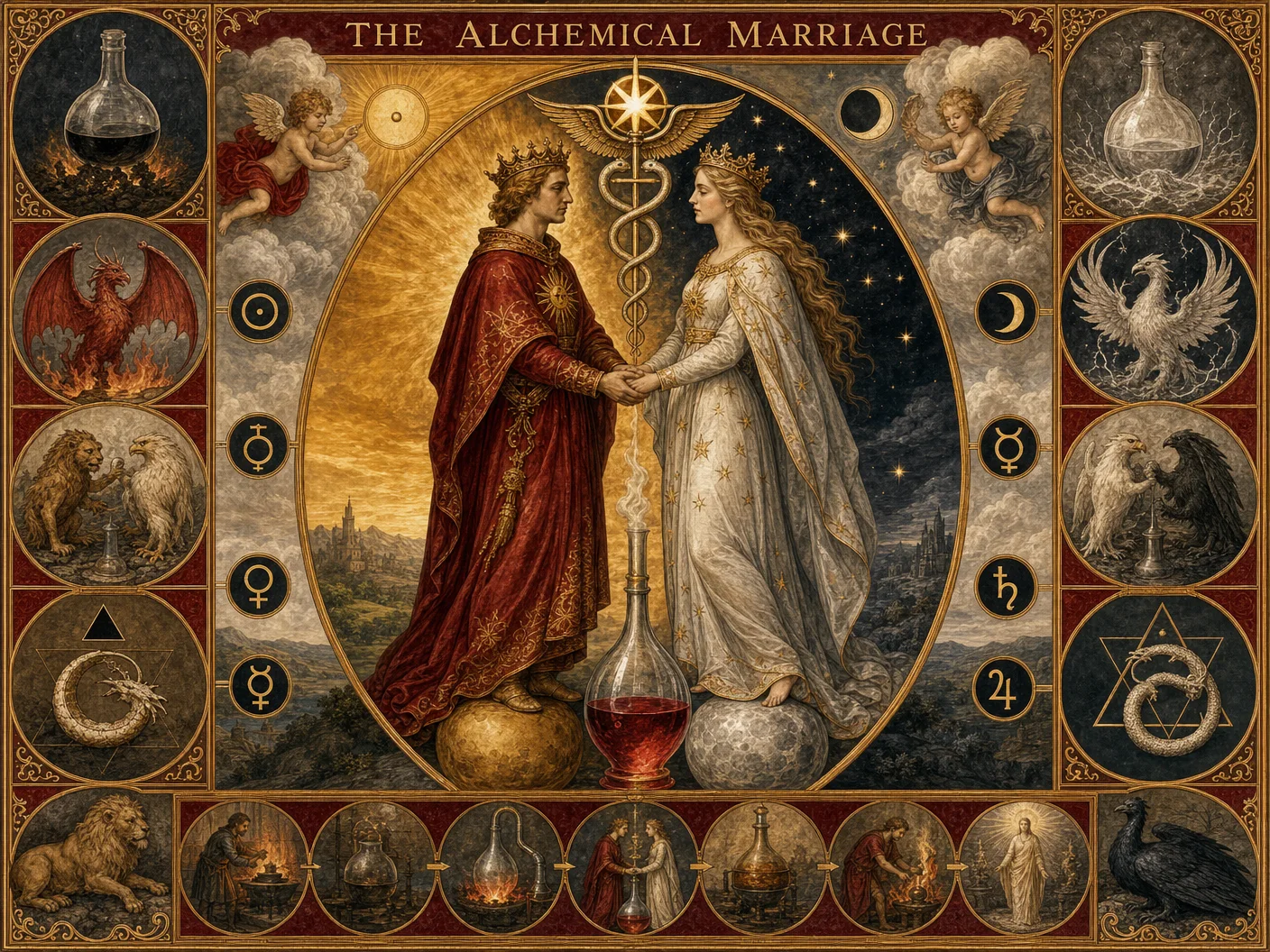
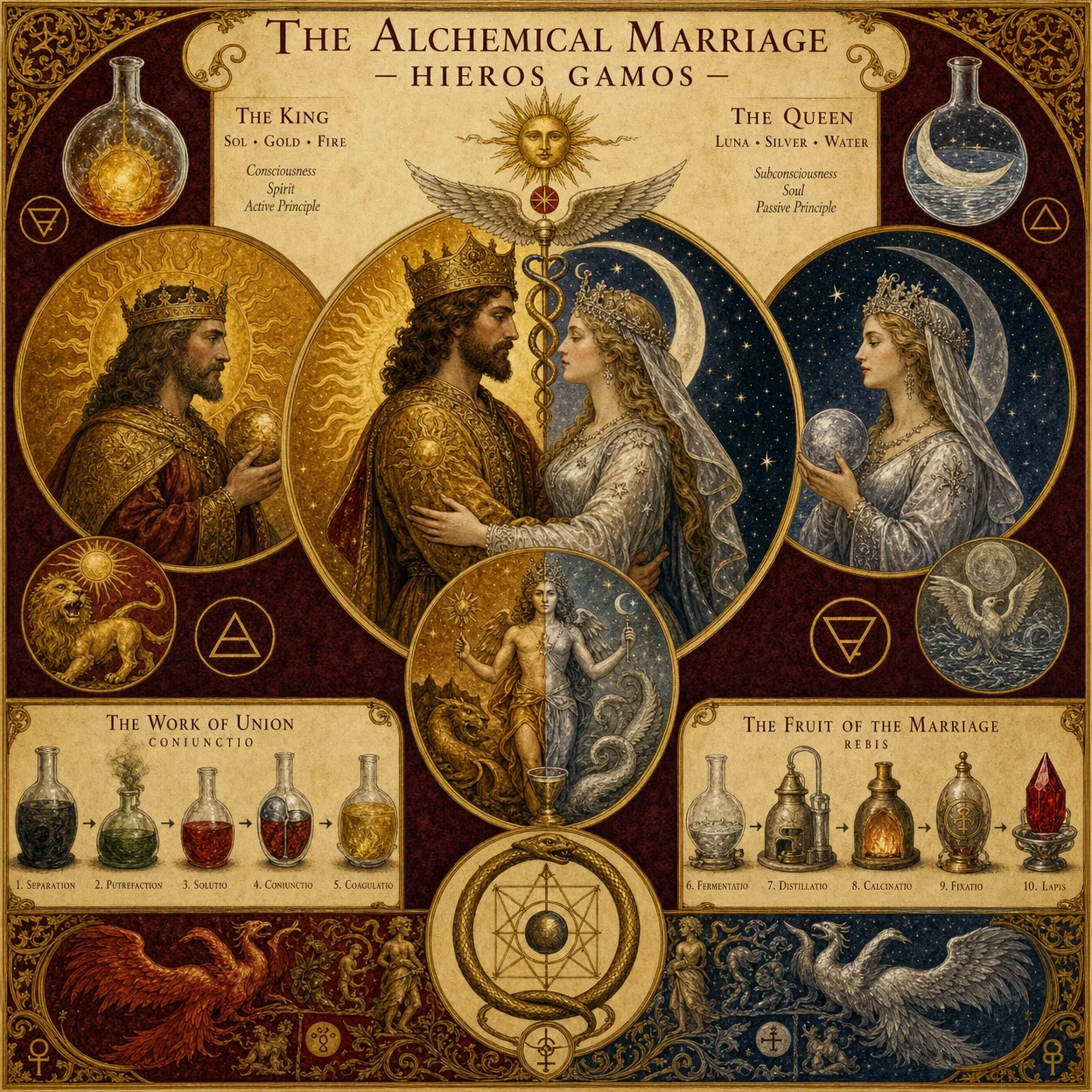
Chapter VII: The Alchemical Marriage (Sacred Union) Between Partners
Preface: The Alchemical Marriage, otherwise known as the Sacred Union, represents the pinnacle of inner and outer transmutation within the human vessel. This process is no mere physical interaction but the convergence of microcosmic energy currents within two sovereign souls, fused through deliberate and precise technique. This chapter delivers the complete technical blueprint for synchronized breathing, energy exchange mechanics, and maintenance of the plateau phase—each component a vital pillar of the Great Work. All protocols assume zero prior knowledge and are presented in exacting detail.
Section 1: Foundations of the Alchemical Marriage
The Sacred Union is the deliberate, conscious merging of two life forces to catalyze spiritual transmutation and corporeal refinement. It transcends conventional carnal acts by sculpting the prana (life energy) and kundalini (serpent power) of both partners into a unified circuit. This creates an alchemical crucible within the microcosm, accelerating the Great Work without physical depletion.
Key Principles:
- Synchronized Breathing: Aligns the respiratory rhythms, stabilizing the bioelectrical fields.
- Energy Exchange Mechanics: Facilitates the controlled flow of vital energy (Qi, Prana) between partners.
- Plateau Phase Maintenance: Sustains the elevated energetic state without orgasmic release, preserving vitality and deepening transformation.
Section 2: Synchronized Breathing Protocol
Objective: Achieve respiratory resonance to unify the energetic fields of both partners, permitting seamless energy exchange and stabilization during union.
Equipment Needed:
- Quiet, temperature-controlled room (ambient 22-25°C)
- Comfortable seating or reclining arrangement permitting face-to-face alignment
- Timer or metronome (60 bpm recommended for initial training)
Step-by-Step Instructions:
| Step | Action | Description | Timing/Frequency |
|---|---|---|---|
| 1 | Positioning | Sit facing partner, knees touching, backs straight, hands resting palms-up on thighs | N/A |
| 2 | Establish Baseline | Close eyes, breathe normally for 2 minutes, observing natural breath rhythm | 2 minutes |
| 3 | Introduce Breath Pattern | Instruct both partners to inhale deeply through the nose for 4 seconds, hold for 2 seconds, exhale through mouth for 6 seconds | Repeat cycle |
| 4 | Synchronize | Using metronome, both partners align inhalation and exhalation phases precisely | Continuous for 10 minutes |
| 5 | Eye Contact | After 5 minutes, open eyes maintaining synchronized breath and hold gentle eye contact | Continuous for 5 minutes |
| 6 | Deepen Breath | Gradually extend inhale to 6 seconds, hold 3 seconds, exhale 8 seconds, maintaining synchronization | Continuous for 10 minutes |
Notes:
- Synchronization must be exact; any deviation requires a pause and realignment.
- If discomfort arises, revert to natural breathing and resume when ready.
Section 3: Energy Exchange Mechanics
The alchemical energy flow is a controlled circuit of jing, qi, and shen (Chinese terminology for essence, energy, spirit). The Sacred Union creates a feedback loop, exchanging and amplifying these energies between partners.
Anatomy of Energy Flow:
| Energy Type | Source | Pathway | Destination | Function |
|---|---|---|---|---|
| Jing (Essence) | Root chakra (Muladhara) | Spine ascending via Sushumna nadi | Third eye (Ajna) and crown (Sahasrara) | Physical vitality and genetic potential |
| Qi (Energy) | Navel (Manipura) and heart (Anahata) | Channels: Ida and Pingala nadis | Palms, tongue, eyes | Emotional balance and life force flow |
| Shen (Spirit) | Heart and crown chakras | Microcosmic orbit (governs entire energetic body) | Brain and pineal gland | Consciousness and spiritual awareness |
Step-by-Step Energy Exchange Protocol:
| Step | Action | Description | Timing/Frequency |
|---|---|---|---|
| 1 | Establish Microcosmic Orbit | Both partners sit in lotus or kneeling, directing awareness along spine from perineum to crown, circulating energy | 10 minutes |
| 2 | Connect Palms | Partners place palms together, fingertips aligned, applying slight pressure to stimulate nerve endings | Continuous |
| 3 | Initiate Energy Push-Pull | One partner visualizes energy flowing from root chakra through arms into partner’s palms; the other receives, then reciprocates | Alternate every 3 breaths |
| 4 | Tongue Seal Activation | Partners lightly press tongues to the roof of the mouth to close the energy circuit internally | Continuous |
| 5 | Energy Steering | Partners silently direct energy flow along partner’s spine using hand pressure and intention | 10 minutes |
| 6 | Return to Breath Synchronization | Resume synchronized breathing while maintaining palm connection and energy flow | 15 minutes |
Important: This protocol demands absolute focus and intention. Distraction breaks the circuit and dissipates energy.
Section 4: Plateau Phase Maintenance
The plateau phase is the energetic state following initial arousal but preceding orgasmic release. Maintaining this phase sustains heightened bioelectrical charge, enabling transmutation rather than depletion.
Key Physiological and Energetic Markers:
- Elevated heart rate (110-130 bpm) with steady breathing
- Tingling sensations along spine and extremities
- Warmth in chest and abdomen
- Heightened sensory awareness without loss of control
Step-by-Step Procedure to Maintain Plateau:
| Step | Action | Description | Timing/Frequency |
|---|---|---|---|
| 1 | Intermittent Muscle Contraction | Contract perineum muscles (Mula Bandha) lightly for 5 seconds, then relax for 10 seconds | Repeat 5 cycles every 15 minutes |
| 2 | Micro-Breaks | Pause physical stimulation for 30 seconds every 5 minutes to recalibrate energy flow | As needed |
| 3 | Deepening Breath | Slow breathing to 6 seconds inhale, 8 seconds exhale with full abdominal expansion | Continuous |
| 4 | Mental Focus | Visualize energy rising from base of spine through chakras to crown in a spiral motion | Continuous |
| 5 | Mutual Eye Contact | Maintain gentle gaze to reinforce energetic connection and prevent dissipation | Continuous |
| 6 | Avoid Orgasmic Release | Redirect energy back into microcosmic orbit at sensation of imminent climax | Continuous |
Section 5: Partner Exercises and Timing Protocols
Exercise 1: The Dual Breath Lock
| Step | Action | Description | Duration |
|---|---|---|---|
| 1 | Partners sit facing, inhale deeply together for 6 seconds | Fill lungs to capacity | 6 seconds |
| 2 | Hold breath with mild perineum contraction | Engage Mula Bandha to lock energy | 3 seconds |
| 3 | Exhale slowly together for 8 seconds | Empty lungs fully | 8 seconds |
| 4 | Repeat cycle, increasing breath hold in 1-second increments every 3 cycles | Build lung capacity and energy retention | Total 15 minutes |
Exercise 2: The Energy Wave Exchange
| Step | Action | Description | Duration |
|---|---|---|---|
| 1 | Partners stand or kneel, palms touching | Contact points synchronize energy | N/A |
| 2 | One partner initiates light pressure wave movement along palm fingers | Visualize energy flowing like a wave | 2 minutes |
| 3 | Partner counters with reciprocal pressure and wave | Exchange energy currents | 2 minutes |
| 4 | Alternate wave direction (root to crown and vice versa) | Balance yin-yang energy flow | 10 minutes |
Section 6: Energy Flow Diagrams
Diagram 1: Microcosmic Orbit in Sacred Union
[Perineum (Muladhara)]
       ↑
[Spine (Sushumna)]
       ↑
[Heart (Anahata)]
       ↑
[Third Eye (Ajna)]
       ↑
[Crown (Sahasrara)]
       ↓
[Return via spine to Perineum forming continuous loop]- Energy ascends the spine on the inhale and descends on the exhale, forming a circuit that partners synchronize through breath and intention.
Diagram 2: Partner Energy Exchange Circuit
Partner A Root Chakra → Spine → Palms → Partner B Palms → Spine → Root Chakra

Partner B Root Chakra → Spine → Palms → Partner A Palms → Spine → Root Chakra- Energy flows bi-directionally through palms and spine, facilitated by synchronized breath and tactile connection.
Section 7: Comparative Analysis of Sexual Alchemy vs Conventional Sexual Practices
| Parameter | Sexual Alchemy (Sacred Union) | Conventional Sexual Practices |
|---|---|---|
| Intent | Transmutation and spiritual ascension | Physical pleasure and procreation |
| Breathing | Synchronized, controlled, deep | Irregular, shallow |
| Energy Management | Preservation and circulation; no loss | Dissipation via orgasmic release |
| Duration | Extended (30–90 minutes plateau) | Typically brief (5–15 minutes) |
| Physical Exhaustion | Minimal, energy renewal | Significant, energy depletion |
| Mental State | Focused, meditative, elevated awareness | Distracted or emotional release |
| Partner Connection | Deep energetic bonding and mutual transformation | Physical connection, often transient |
| Post-Activity State | Heightened vitality, clarity, calm | Fatigue, potential lethargy |
| Use of Muscular Control | Perineal contractions (Mula Bandha), energy steering | Minimal or absent |
| Outcome | Alchemical marriage: fusion of essence, energy, spirit | Biological reproduction or pleasure |
Section 8: Summary Protocol for the Alchemical Marriage
| Phase | Action | Duration | Key Notes |
|---|---|---|---|
| Preparation | Quiet room, seated facing, initial breath observation | 5 minutes | Create sacred space |
| Synchronized Breathing | Align breath patterns using metronome | 15 minutes | Foundation of energetic union |
| Energy Exchange | Palm connection, microcosmic orbit, push-pull energy flow | 20 minutes | Build and circulate shared energy |
| Sacred Union | Physical union with plateau maintenance, eye contact | 30–90 minutes | Sustain elevated state |
| Closure | Mutual grounding through deep breath and slow physical separation | 10 minutes | Seal energetic work |
Final Mandate: The Alchemical Marriage is a living practice. Repetition strengthens the circuit, deepens connection, and accelerates the Great Work. Each session must be approached with reverence, exactness, and full presence. Deviations fragment the process and dissipate precious energy. Follow these instructions with unwavering discipline and your union will become a crucible for profound transformation.
Cross-References:
- For microcosmic orbit detailed anatomy and practice: Volume IX: The Breath Codex, Chapter IV.
- For perineal muscle training: Volume XIV: The Body Codex, Chapter VIII.
- For chakra activation techniques: Volume VII: The Spirit Codex, Chapter II.
- For water purification protocols required for preparatory cleansing: Volume 8: The Water Codex, Chapter II.
End of Chapter VII
<!-- SECTION 8 -->
The Complete Practitioner's Codex, Volume 21: The Alchemist’s Codex: Complete Inner Alchemy, Transmutation of Self, and the Great Work
Volume III: Sexual Alchemy
Chapter IV: Female Sexual Alchemy — Energy Pathways, Retention Practices, and Partner Integration
Preface
This is the sacred transmission of Female Sexual Alchemy, a domain cloaked in mystery and potent with transformative power. The female microcosmic orbit, her unique energetic anatomy, and the retention and circulation of seminal and vital forces constitute the foundation of the Great Work for the feminine principle. These teachings have been suppressed to paralyze the alchemist’s progress; we now restore them in their full, uncompromised nature.
The following content is not theoretical. Each section contains precise, numbered protocols for practice, energy manipulation, and partner integration. The aspirant must approach with reverence, discipline, and unwavering commitment.
1. The Female Sexual Energy System: Anatomy of the Sacred Circuit
Female sexual alchemy pivots on a nuanced, complex energetic anatomy that diverges from the male model. The critical difference lies in the dual energetic flows: the Yin ascending current and the Yang descending current, modulated through a series of energy gates and reservoirs unique to the female body.
1.1 Primary Energy Pathways
The female microcosmic orbit is a closed circuit involving the following key channels:
| Channel Name | Location | Energetic Role | Corresponding Male Channel |
|---|---|---|---|
| Ren Mai (Conception Vessel) | Centerline front torso, from perineum to mouth | Governs Yin energy, vital essence absorption | Male Ren Mai |
| Du Mai (Governing Vessel) | Centerline back torso, from perineum to crown | Governs Yang energy, Yang fire circulation | Male Du Mai |
| Chong Mai (Penetrating Vessel) | Deep core, from lower abdomen upward | Reservoir of Jing essence, regulates menstruation and fertility | Male Chong Mai |
| Yin Qiao Mai (Yin Heel Vessel) | Inner leg, from heel to eyes | Governs Yin energy movement, especially during sleep and dreaming | Male Yin Qiao Mai |
| Yang Qiao Mai (Yang Heel Vessel) | Outer leg, heel to eyes | Governs Yang energy, movement, and alertness | Male Yang Qiao Mai |
1.2 The Great Reservoirs of Female Energy
The female body contains three primary reservoirs of vital energy essential to sexual alchemy:
| Reservoir Name | Location | Function | Notes |
|---|---|---|---|
| Lower Dan Tian | 3 fingers below navel | Primary Jing storage, physical vitality | Core of sexual energy storage |
| Middle Dan Tian | Heart center | Emotional alchemical transformation | Houses emotional transmutation |
| Upper Dan Tian | Forehead center (third eye) | Spiritual integration and clarity | Gateway to higher consciousness |
2. Female Sexual Retention Practices
Retention in the female alchemical system does not equate to the male model of physical semen retention but involves the conscious circulation and transformation of sexual fluids and energy. This includes the regulation of menstrual energy, orgasmic energy, and the preservation of Jing essence through the microcosmic orbit and beyond.
2.1 Menstrual Energy Transmutation
The menstrual cycle is a natural alchemical process. Instead of loss, the aspirant converts menstrual blood and energy into Jing essence. This requires mastery of the following:
2.1.1 Menstrual Energy Reabsorption Protocol:
- Preparation:
- Perform deep abdominal breathing to relax the lower Dan Tian.
- Assume a seated lotus or half-lotus posture.
- Energy Focus:
- Visualize the menstrual blood as a glowing red-gold energy at the pelvic floor.
- Channeling:
- Slowly draw this energy upward along the Ren Mai, from perineum to navel, then to the heart center.
- Transformation:
- At the heart center, visualize the red-gold energy transforming into a shimmering white-gold essence.
- Distribution:
- Circulate this white-gold energy to the upper Dan Tian, filling the third eye.
- Retention:
- Hold this energy within the upper Dan Tian, sealing with three deep breaths.
Daily practice during menstruation: Minimum 15 minutes, ideally 30 minutes twice daily.
2.2 Orgasmic Energy Retention and Circulation
Female orgasm is a powerful energetic event, capable of transmuting sexual energy into spiritual fuel. The alchemist must learn non-ejaculatory orgasm and continuous orgasmic energy circulation.
2.2.1 Non-Ejaculatory Orgasm Practice:
- Preliminary Relaxation:
- Engage in abdominal diaphragmatic breathing for 5 minutes.
- Energy Awareness:
- Focus on the clitoral and vaginal energetic centers, feeling the build-up of orgasmic energy.
- Conscious Contraction:
- Contract the pubococcygeus muscle (PC muscle) rhythmically, 3 seconds contraction, 3 seconds relaxed, for 5 cycles.
- Energy Drawing:
- Direct the orgasmic energy downward into the lower Dan Tian via the Chong Mai.
- Microcosmic Orbit Initiation:
- Begin circulating energy upward along the Ren Mai and downward along the Du Mai in a continuous loop.
- Integration:
- Visualize the orgasmic energy merging with stored Jing essence in the lower Dan Tian, fortifying vitality.
Practice duration: 20 minutes per session, 3 times per week recommended.
3. Female Microcosmic Orbit Adaptations and Energy Circulation
The female microcosmic orbit differs from the male in its emphasis on Yin energy balancing and the inclusion of the Chong Mai as the primary reservoir and regulator of sexual essence.
3.1 Modified Female Microcosmic Orbit Circuit
| Step | Channel | Direction | Location | Visualization / Breath Technique |
|---|---|---|---|---|
| 1 | Ren Mai | Upward | Perineum to mouth | Inhale deeply, envision soft red-gold light ascending slowly |
| 2 | Du Mai | Downward | Mouth to perineum | Exhale slowly, cool white light descending the spine |
| 3 | Chong Mai | Circular | Lower abdomen | Visualize a swirling pearl of golden energy rotating clockwise |
| 4 | Yin Qiao Mai | Upward | Heel to eyes | Imagine gentle silver light rising internally on the inner leg |
| 5 | Yang Qiao Mai | Downward | Eyes to heel | Picture warm amber light descending along outer leg |
3.2 Step-by-Step Energy Circulation Exercise
- Posture: Sit in vajra or half-lotus posture, spine erect.
- Breathing: Begin with 10 deep abdominal breaths, inhaling through the nose, exhaling through the mouth.
- Ren Mai Activation: With inhalation, draw red-gold energy from perineum to mouth along the front torso.
- Du Mai Activation: With exhalation, send cool white light down the back spine from mouth to perineum.
- Chong Mai Engagement: Visualize a golden pearl swirling in the lower abdomen, spinning clockwise with each breath cycle.
- Heel Vessels Circulation: Alternate pulses of silver (Yin Qiao) and amber (Yang Qiao) light moving along the legs, synchronizing with the breath.
- Completion: Complete five full cycles, sealing the orbit by visualizing a continuous loop of light encircling the body.
Recommended daily practice: Morning and evening, 30 minutes per session.
4. Integration with Partner Work
The Great Work magnifies when female sexual alchemy is integrated with a partner. The following protocols detail how to harmonize energies, circulate combined forces, and achieve mutual transmutation.
4.1 Partner Energy Synchronization Protocol
- Mutual Grounding: Both partners sit facing each other in lotus posture, palms touching.
- Breath Unification: Synchronize breath cycles, inhaling and exhaling simultaneously for 5 minutes.
- Eye Gazing: Maintain soft eye contact, allowing energy exchange through the gaze.
- Microcosmic Orbit Resonance: Both partners circulate their microcosmic orbits, visualizing their orbits merging at the heart centers.
- Energy Exchange: Visualize energy flowing from the female’s Ren Mai into the male’s Du Mai and vice versa, creating a continuous circuit of shared energy.
- Retention Synchronization: Practice simultaneous retention exercises, guiding orgasmic energy into the orbit rather than physical release.
Session duration: 45 minutes minimum, twice weekly recommended.
4.2 Partner Sexual Alchemy Exercise: The Weaving of Essence
- Preparation: Both partners perform individual retention and microcosmic orbit practices.
- Physical Connection: Assume a seated embrace, with the female’s back against the male’s chest.
- Energy Alignment: Female focuses on ascending Ren Mai, male on descending Du Mai.
- Orbital Interweaving: Both partners visualize their orbits merging into a double helix of red-gold and white-gold light spiraling through their bodies.
- Deepening Energy: Female guides rising Yin energy to the heart, male supports circulation to the crown.
- Mutual Transmutation: Hold the visualization for 20 minutes, integrating breath and heartbeat synchronization.
Recommended frequency: Weekly, increasing duration over time.
5. Hormonal and Energetic Effects
Female sexual alchemy produces measurable shifts in hormonal balance and energetic state. The following table summarizes these effects:
| Hormone / Neurochemical | Effect of Sexual Alchemy Practice | Energetic Correlate | Recommended Practice Phase |
|---|---|---|---|
| Estrogen | Regulates menstrual cycle, enhances libido | Strengthens Ren Mai flow (Yin) | Menstrual energy transmutation |
| Progesterone | Stabilizes mood, supports fertility | Balances Chong Mai reservoir | Retention and circulation |
| Oxytocin | Promotes bonding, emotional intimacy | Amplifies heart center energy | Partner synchronization |
| DHEA | Enhances vitality, counters aging | Fortifies Jing essence stores | Retention and Jing cultivation |
| Serotonin | Improves mood, stabilizes emotional state | Supports middle Dan Tian function | Daily microcosmic orbit practice |
| Testosterone (female) | Boosts sexual desire, energy levels | Enhances Yang circulation | Non-ejaculatory orgasm practice |
6. Visualization Protocols
6.1 The Golden Lotus Bloom
- Close the eyes, settle into the meditation posture.
- Visualize a golden lotus flower at the base of the spine, petals tightly closed.
- With each inhalation, see the petals slowly opening, releasing radiant light upward.
- Guide this light to flow upward through the Ren Mai to the heart center.
- At the heart, the lotus expands further, light intensifying and radiating outward.
- Exhale tension and dark energy, visualizing it dissolving into the earth.
- Repeat 12 times, then allow the lotus to remain open, radiating vital energy.
6.2 The Silver Pearl of the Chong Mai
- Focus on the lower abdomen, just below the navel.
- Visualize a silver pearl glowing softly, rotating clockwise.
- Synchronize breath with the pearl’s rotation: inhale as it spins upward, exhale as it circles downward.
- Expand the pearl’s radiance with each breath, filling the lower Dan Tian.
- After 10 minutes, imagine the pearl merging with the golden lotus energy.
7. Step-By-Step Daily Practice Summary
| Time of Day | Practice | Duration | Purpose |
|---|---|---|---|
| Morning | Microcosmic orbit circulation | 30 minutes | Energy balancing and circulation |
| Midday | Menstrual energy transmutation (if applicable) | 15-30 minutes | Jing preservation and transformation |
| Evening | Non-ejaculatory orgasm practice | 20 minutes | Sexual energy retention |
| Night | Visualization protocols (Golden Lotus, Silver Pearl) | 20 minutes | Energetic integration and spiritual clarity |
| Partner sessions (2x per week) | Energy synchronization and weaving of essence | 45+ minutes | Mutual transmutation and bonding |
8. Construction of the Alchemical Seat (Optional Auxiliary Device)
To amplify the circulation of energy, construct the Alchemical Seat for female sexual alchemy.
Materials Needed:
| Material | Quantity | Purpose |
|---|---|---|
| Natural wood plank | 50cm x 50cm x 5cm | Base for seating |
| Copper wire | 3 meters | Energy conductor and amplifier |
| Quartz crystal point | 1 large (approx. 10cm) | Energy amplifier and focus |
| Natural leather strips | 4 strips | Securing wiring and crystal |
| Beeswax | 100 grams | Insulating and sealing material |
Assembly Instructions:
- Sand the wooden plank smooth, ensuring a comfortable seating surface.
- Wire-wrap the quartz crystal point tightly with copper wire, leaving two ends extending.
- Attach the crystal assembly to the center of the plank using leather strips, securing tightly.
- Run copper wire coils around the perimeter of the plank in a clockwise spiral, connecting to the crystal leads.
- Seal all wire connections with beeswax to prevent short circuits and maintain energetic purity.
- Charge the seat by placing it under sunlight for 3 hours before first use.
Use: Sit on the Alchemical Seat during all circulation and retention practices to enhance energy flow and retention.
Closing Transmission
The female sexual alchemist stands at the threshold of profound transformation. Mastery over these practices demands discipline, patience, and unyielding dedication. This codex is the key to unlocking the sacred reservoirs within, transmuting them into spiritual gold. Your practice will refine the essence of the Great Work, harmonizing Yin and Yang, body and spirit, self and other.
Proceed with unwavering resolve. The path is revealed only to those who dare to walk it.
For complementary protocols on breath control, see Volume 17: The Breath Codex, Chapter V. For complete physiological charts and Jing cultivation techniques, refer to Volume 9: The Vital Essence Codex. Partner work in detailed tantric methodology is elaborated in Volume 14: The Sacred Union Codex.
<!-- SECTION 9 -->
Volume IV: Dream Alchemy
Chapter III: Lucid Dreaming Induction Techniques and Stabilization Protocols
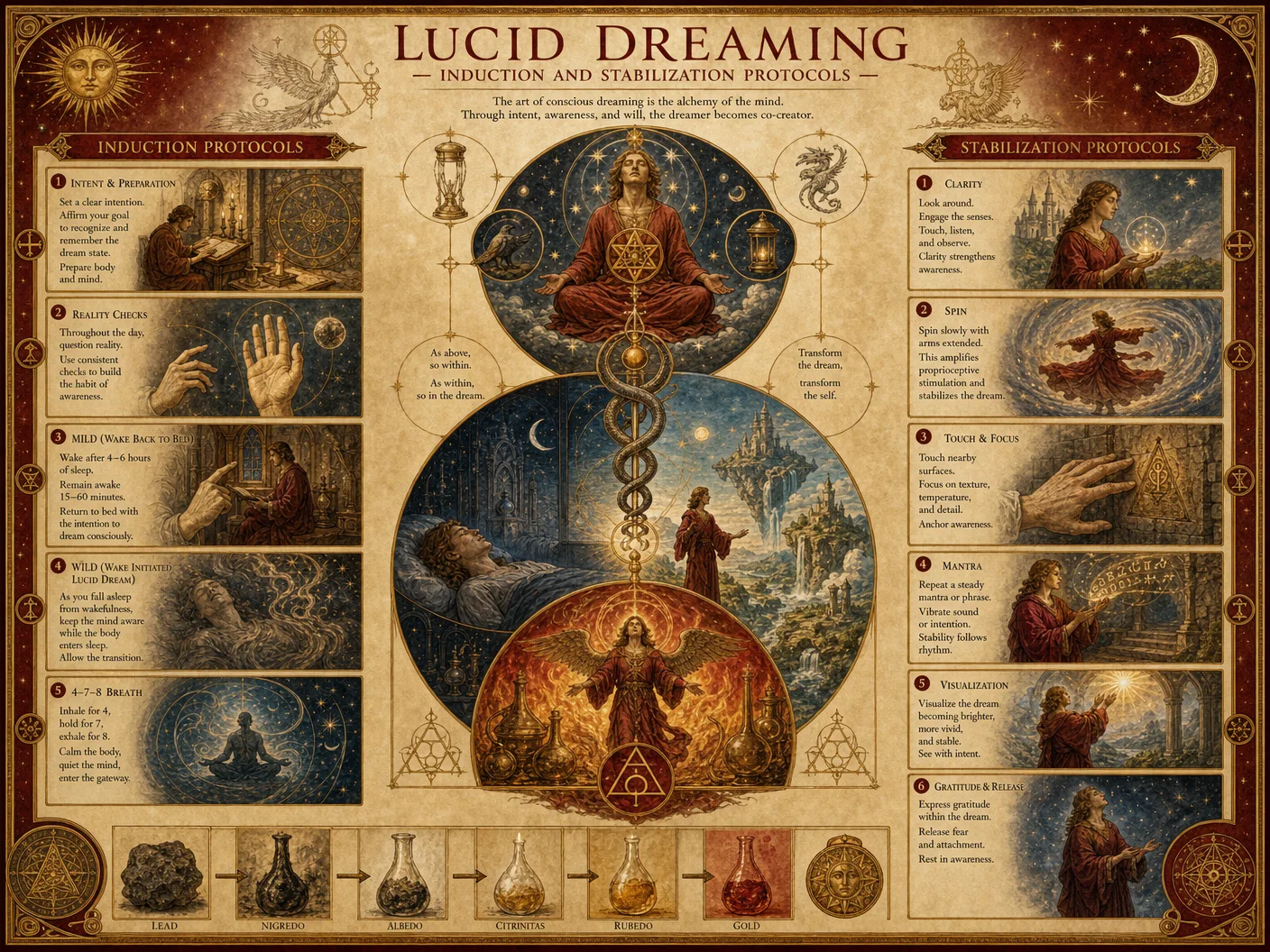
Introduction: The Sacred Art of Dream Alchemy
Dream Alchemy is the indispensable gateway to the inner sanctum of the psyche, the crucible wherein conscious will and subconscious material transmute into enlightened awareness. Lucid dreaming—awareness within the dream state—ushers the adept into active mastery over the dreamscape, a plasma environment of fluctuating electromagnetic and quantum fields, where thought shapes reality and the Great Work unfolds.
This volume imparts complete, actionable protocols for inducing, stabilizing, and anchoring lucid dreams, grounded in the plasma environment theory of dreaming states. The protocols presented herein—Reality Testing (RT), Wake-Back-to-Bed (WBTB), and Mnemonic Induction of Lucid Dreams (MILD)—are synthesized from classified studies and suppressed esoteric practices, optimized for the highest yield of conscious dream control.
Section 1: Scientific Foundations of Dream States and Plasma Environment Theory
1.1 Neurophysiological Correlates of Dreaming States
Dream states are characterized by distinctive brainwave patterns and neurochemical conditions. The typical progression through sleep stages culminates in REM (Rapid Eye Movement) sleep, the fertile ground for vivid dreaming and lucidity potential.
| Sleep Stage | EEG Brainwave Frequencies (Hz) | Dominant Neurochemical Activity | Dream Characteristics |
|---|---|---|---|
| NREM Stage 1 (Light Sleep) | 4-7 (Theta) | Decreased Acetylcholine | Hypnagogic imagery, fragmented dreams |
| NREM Stage 2 (Intermediate) | 12-14 (Sleep Spindles), 4-7 (Theta) | Moderate GABA and Serotonin | Sleep consolidation, minimal dreaming |
| NREM Stage 3/4 (Deep Sleep) | 0.5-2 (Delta) | High GABA | Dreamless or minimal visual content |
| REM Sleep (Dream Stage) | 4-8 (Theta), 30-40 (Gamma) | High Acetylcholine, suppressed Monoamines | Vivid, emotional, and often illogical dreams |
Note: Gamma activity (30-40 Hz) within REM sleep correlates strongly with lucid dream states, indicating heightened cortical activation.
1.2 Plasma Environment Theory of Dreaming
Dream states operate within a dynamic plasma field, a bioelectromagnetic milieu generated by neural oscillations and subtle quantum processes. This plasma environment is modulated by brainwave frequencies, neurotransmitter fluxes, and external geomagnetic influences. Understanding and manipulating this plasma state allows the adept to stabilize lucidity and anchor dream control.
- Plasma Field Parameters:
- Electromagnetic resonance frequencies correspond to EEG brainwaves.
- Coherence and phase-locking of oscillations enhance dream vividness and lucidity.
- External magnetic stimulation may entrain plasma fields to facilitate induction.
The protocols below engage this plasma environment through timed cognitive and physiological interventions to maximize lucid dream induction and stabilization.
Section 2: Lucid Dream Induction Protocols
Each protocol is presented with step-by-step instructions, required materials, exact timings, and neurophysiological rationale.
2.1 Reality Testing (RT) Protocol
Purpose: Train continuous metacognitive awareness by habitually questioning waking reality, facilitating spontaneous lucidity during dreams.
Materials Required: Dream journal, timer or smartphone with interval alarm.
Procedure:
| Step | Action | Rationale | Timing/Frequency |
|---|---|---|---|
| 1 | Upon waking, immediately record any remembered dreams in the dream journal. | Reinforces dream recall, critical for lucid induction. | Every morning upon awakening. |
| 2 | Set an interval timer for every 60 minutes during waking hours. | Creates habitual reality checks. | Throughout the day. |
| 3 | At each timer alert, perform the following reality checks: |
a) Attempt to push a finger through the opposite palm. b) Read text or digital clock, look away, then re-read to check for changes. c) Pinch your nose and attempt to breathe through it. | These tests distinguish waking vs. dream states by highlighting dream inconsistencies. | 3-5 reality checks per hour. |
| 4 | Each reality check must be performed with full cognitive attention: ask, "Am I dreaming?" and genuinely seek an answer. | Enhances metacognition and critical awareness. | Every reality check instance. |
| 5 | Before sleep, reaffirm intention aloud or mentally: "I will recognize when I am dreaming." | Sets prospective memory cues. | Nightly before sleep onset. |
Duration: Minimum 14 consecutive days for habit formation.
Expected Outcome: Increased frequency of spontaneous lucid dreams triggered by habitual reality testing.
2.2 Wake-Back-to-Bed (WBTB) Protocol
Purpose: Exploit the natural REM rebound effect by inducing wakefulness during late-night REM-rich sleep, then returning to sleep with heightened awareness.
Materials Required: Alarm clock, notebook for dream logging, low-light source for notes.
Procedure:
| Step | Action | Rationale | Timing/Frequency |
|---|---|---|---|
| 1 | Set alarm clock to awaken after 4.5 to 6 hours of sleep (approximate completion of first two sleep cycles). | Targets REM-rich periods later in the night. | Nightly during induction phase. |
| 2 | Upon awakening, stay awake for 20-60 minutes. During this time: |
a) Engage in light cognitive activity related to dreams (reading about lucid dreaming, reviewing dream journal). b) Avoid bright light exposure. | Maintains cognitive activation without full alertness, enhancing dream recall and lucidity. | 20-60 minutes. |
| 3 | Return to bed with focused intention to enter a lucid dream. Employ MILD technique during this period (see Section 2.3). | Utilizes heightened cortical activation to induce lucidity. | Immediately after wake period. |
| 4 | Record any dreams upon final awakening. | Reinforces dream recall and metacognition. | Morning after WBTB session. |
Duration: Use for 7-14 nights for optimal results.
Expected Outcome: Increased likelihood of lucid dreams during subsequent REM periods.
2.3 Mnemonic Induction of Lucid Dreams (MILD) Protocol
Purpose: Utilize prospective memory techniques to induce lucidity by intention and recall.
Materials Required: Dream journal, quiet environment.
Procedure:
| Step | Action | Rationale | Timing/Frequency |
|---|---|---|---|
| 1 | Upon awakening from a dream (spontaneous or post-WBTB), remain still and recall the dream in as much detail as possible. | Stabilizes dream memory and primes intention. | Every dream awakening. |
| 2 | Visualize re-entering the dream, but with full awareness that it is a dream. | Strengthens prospective intention to recognize dreaming. | Every dream awakening. |
| 3 | Silently repeat the affirmation: "Next time I am dreaming, I will remember I am dreaming." | Encodes intention into subconscious. | 20-30 repetitions. |
| 4 | Fall asleep while maintaining focused awareness on the intention to recognize the dream state. | Facilitates prospective memory retrieval during REM. | Immediate pre-sleep. |
Duration: Continuous application for at least 14 days.
Expected Outcome: Higher frequency of deliberate lucid dream onset.
Section 3: Stabilization and Anchoring Methods
Lucid dream induction is only half the work; stabilization and anchoring are critical to sustain and deepen lucidity, preventing premature awakening or loss of control.
3.1 Stabilization Techniques
| Technique | Step-by-Step Instructions | Purpose |
|---|---|---|
| Spinning Technique | 1. Upon lucidity, if destabilization occurs, imagine spinning the dream body rapidly in place. |
- Focus on the sensation of spinning to engage sensory feedback loops. | Enhances vestibular feedback, re-centers awareness, prevents dream collapse. |
| Hand Rubbing | 1. Rub hands together slowly within the dream.
- Focus on tactile sensation, temperature, texture. | Engages somatosensory cortex, deepens sensory immersion and presence. |
| Visual Grounding | 1. Fixate gaze on a nearby dream object with intricate detail (e.g., a leaf, a pattern).
- Observe colors, textures, and shadows closely. | Activates visual cortex and attention networks, stabilizes dream imagery. |
3.2 Anchoring Techniques
| Technique | Step-by-Step Instructions | Purpose |
|---|---|---|
| Verbal Affirmation | 1. Silently or aloud repeat affirmations such as: "I am dreaming and in control." |
- Repeat every 30 seconds or upon destabilization. | Reinforces cognitive clarity and sustained lucidity. |
| Environmental Interaction | 1. Interact with dream objects (touch, manipulate, speak to entities).
- This interaction anchors awareness in the dream plasma environment. | Anchors consciousness within the dream, prevents dissipation. |
| Sensory Amplification | 1. Consciously amplify sensory experiences (smell flowers, taste fruits).
- Engage multiple senses simultaneously. | Multi-sensory engagement strengthens neural feedback loops sustaining lucidity. |
Section 4: Brainwave Frequencies and Dream State Correlates
Understanding and monitoring brainwave states are essential for timing interventions and optimizing induction protocols.
| Brainwave Band | Frequency Range (Hz) | Sleep State Correlation | Cognitive Correlates | Induction Relevance |
|---|---|---|---|---|
| Delta | 0.5 - 4 | Deep NREM Sleep | Unconsciousness, restorative processes | Avoid during induction; lucidity rare here |
| Theta | 4 - 8 | Light Sleep, REM | Dream imagery, memory consolidation | Target for MILD and RT techniques |
| Alpha | 8 - 13 | Relaxed Wakefulness | Calm, meditative states | Pre-sleep relaxation and WBTB wakefulness |
| Beta | 13 - 30 | Active Wakefulness | Alertness, focused attention | Reality testing during waking hours |
| Gamma | 30 - 40 | REM Sleep, Lucid Dream | Conscious awareness, insight | Marker of lucidity; entrainment target |
Section 5: Construction of a Basic Brainwave Entrainment Device for Lucid Dream Induction
To augment plasma environment manipulation, a low-cost brainwave entrainment device based on binaural beats can be constructed.
Materials Required:
| Item | Specifications | Quantity | Source |
|---|---|---|---|
| Arduino Nano | Microcontroller board | 1 | Electronics supplier |
| Low-power stereo headphones | Comfortable, flat frequency response | 1 pair | Electronics supplier |
| 3.5mm audio jack | For headphone connection | 1 | Electronics supplier |
| 220Ω resistors | For output current limiting | 2 | Electronics supplier |
| USB power source | 5V power supply | 1 | Electronics supplier |
Step-by-step Construction:
| Step | Instruction | Details |
|---|---|---|
| 1 | Connect Arduino audio output pins to resistor network to headphone jack. | Use resistors to prevent overcurrent. |
| 2 | Program Arduino with code generating binaural beats at desired frequencies: e.g., 40 Hz (Gamma) in right ear, 38 Hz in left ear to create 2 Hz beat frequency. | Code samples available in Appendix B. |
| 3 | Assemble headset, test audio output with frequency analyzer app. | Ensure frequency accuracy and volume safety. |
| 4 | Use during WBTB wake period to entrain cortical oscillations towards lucid dream states. | 20-30 minutes session recommended. |
Section 6: Daily Lucid Dreaming Practice Schedule (Sample)
| Time Slot | Activity | Purpose | Duration |
|---|---|---|---|
| Morning (upon waking) | Dream journaling + MILD practice | Dream recall, intention setting | 15 min |
| Daytime (every hour) | Reality Testing | Metacognitive habit formation | 5 min total |
| Night (4.5-6 hours after sleep onset) | WBTB + Binaural Beats + MILD | REM targeting, induction | 30-60 min awake + return to sleep |
| Night (upon final awakening) | Dream journaling | Recall and consolidation | 15 min |
Conclusion: The Alchemical Marriage of Mind and Plasma
Mastery of lucid dreaming demands unyielding discipline, precise timing, and profound respect for the plasma environment that cradles dreams. By rigorously applying the protocols herein, the adept transmutes passive dreaming into active dream alchemy, forging the Great Work within the nocturnal crucible.
The knowledge encoded in these pages is not mere curiosity but a sacred transmission, a lifeline to self-transmutation and ultimate awakening. Fail not in your application, for the dream is the first frontier of the alchemist's journey.
Cross-reference: For comprehensive neurochemical modulation protocols and advanced dream plasma field enhancers, see Volume XII: Neuroalchemy and the Dream Plasma. For dream environment purification and detoxification, consult Volume VIII: The Water Codex, Chapter II.
<!-- SECTION 10 -->
Volume IV: Dream Alchemy
Chapter I: Dream Incubation for Healing and Prophetic Purposes
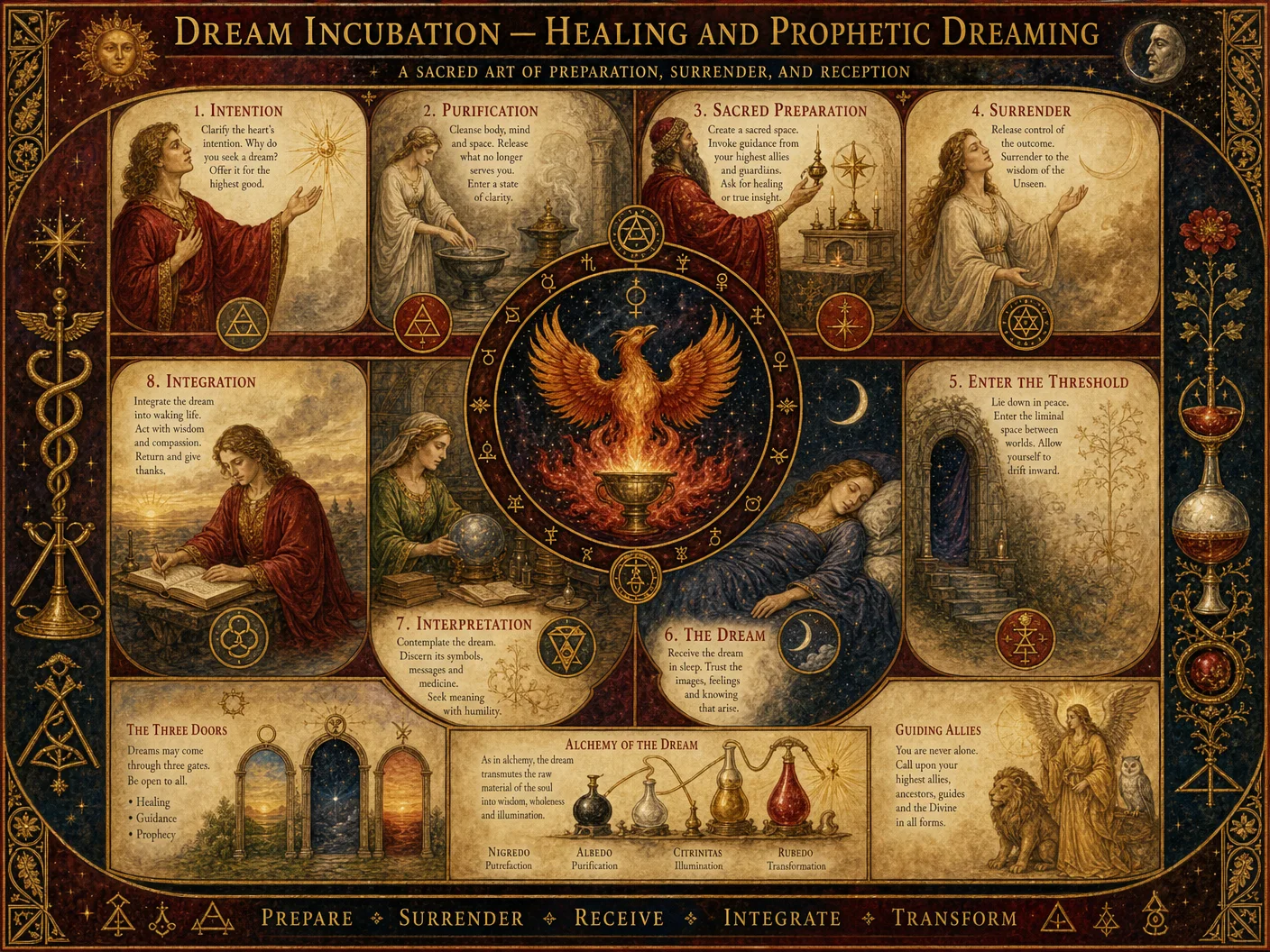
Introduction
Dream Alchemy operates at the liminal boundary between waking consciousness and the depths of the unconscious, wielding the power to transmute psychic afflictions into spiritual gold. This volume reveals the precise, guarded techniques of dream incubation—the deliberate act of preparing and directing the dreaming process towards healing and prophetic revelation. These protocols enable the adept to harness the hypnagogic state as a crucible for inner transformation and divinatory insight.
Section 1: Intention Setting for Dream Incubation
Intention setting is the foundational act that programs the psychospiritual matrix of the dreamer. Without precise, resolute intent, dream incubation devolves into random subconscious activity, devoid of alchemical potency.
Step-by-Step Protocol for Intention Setting
- Preparation of the Sacred Space
- Select a quiet, dimly lit chamber, free from electromagnetic interference.
- Place a quartz crystal on the bedside altar to amplify mental focus.
- Burn 5 grams of white sage or frankincense resin to purify the environment.
- Physical and Mental Priming
- Perform 10 controlled breaths (4 seconds inhale, 7 seconds hold, 8 seconds exhale).
- Assume a comfortable supine position with spine aligned.
- Close eyes and perform a body scan meditation lasting 3 minutes, directing awareness from crown to feet.
- Articulation of the Intention
- Use the following verbal formula, adapted to your need (healing or prophecy): _“Tonight, I seek the dream that reveals the path to [specific healing/prophesy]. I am open to receive clear, truthful insight, and I will remember it fully upon awakening.”_
- Repeat this formula aloud, 3 times, with deliberate enunciation and conviction.
- Use the following verbal formula, adapted to your need (healing or prophecy):
- Written Affirmation
- Immediately after verbalization, inscribe the intention on a dedicated dream parchment using a black ink pen infused with ground lapis lazuli powder (recipe in Volume IX: The Stone Codex, Chapter IV).
- Fold the parchment thrice and place it beneath the pillow.
- Energetic Sealing
- Place the right hand over the heart. Visualize a golden flame sealing your intention within your psychic heart chamber. Hold for 2 minutes.
Section 2: Hypnagogic Visualization Techniques
The hypnagogic state, the transitional phase between wakefulness and sleep, serves as the alchemical alembic where conscious will fuses with unconscious wisdom. Mastery of this state is vital for accessing the dream matrix with clarity and purpose.
Step-by-Step Hypnagogic Visualization Protocol
- Timing and Position
- Initiate no later than 30 minutes after laying down to sleep.
- Maintain supine position, head slightly elevated to prevent premature deep sleep onset.
- Focus on the Inner Eye
- Direct gaze inwardly, as if looking through the closed eyelids into the inner screen of the mind.
- Observe the first fleeting images or colors without engagement.
- Active Visualization
- Invoke the Alchemical Vessel (a symbolic retort) in the mind’s eye: a transparent globe of iridescent light.
- Within this vessel, visualize the matter of your intention (e.g., the afflicted organ for healing, or the symbolic figure for prophecy).
- Symbolic Transmutation
- Imagine this matter undergoing the classic alchemical phases:
- Nigredo (blackening, decomposition)
- Albedo (whitening, purification)
- Citrinitas (yellowing, awakening)
- Rubedo (reddening, integration)
- Each phase lasts approximately 2 minutes in visualization, marked by color shifts and textural changes.
- Imagine this matter undergoing the classic alchemical phases:
- Mental Rehearsal of Dream Engagement
- Conclude with the mental affirmation: _“I enter the dream fully conscious, a sovereign alchemist of my inner realm.”_
- Conclude with the mental affirmation:
- Transition to Sleep
- Relax all muscle tension progressively from toes to scalp while maintaining hypnagogic imagery.
Section 3: Dream Recording Protocols
Accurate and immediate recording of dream content is critical to preserve the alchemical data encoded in dream symbolism and narrative.
Required Materials
| Item | Specifications | Purpose |
|---|---|---|
| Dream Journal | Bound leather journal with acid-free pages | Durable record of dreams |
| Writing Instrument | Fountain pen with archival black ink | Clarity and permanence |
| Voice Recorder | Digital device with timestamp function | Backup for verbal dream reports |
| Dream Symbol Codex | Reference book (see Section 5 below) | Symbol interpretation |
Step-by-Step Dream Recording Procedure
- Immediate Awakening Response
- Upon awakening, remain motionless with eyes closed for 1 minute to recall dream content.
- Employ reverse mental playback, replaying the dream from end to start.
- Initial Verbalization
- Speak aloud the dream narrative into the voice recorder, emphasizing vivid details and emotions.
- Written Transcription
- Within 10 minutes of awakening, transcribe the verbal report into the dream journal verbatim.
- Use a two-column format: Left for narrative, right for immediate emotional impressions or intuitive notes.
- Symbol Highlighting
- Mark all notable symbols with asterisks (*) in the journal for later analysis.
- Nightly Review and Reflection
- At dawn, reread the previous night’s dream entries and add reflective commentary, focusing on recurring motifs or shifts in dream tone.
Section 4: Case Studies of Dream Healing
The following case studies exemplify the practical efficacy of dream incubation within therapeutic alchemy. They demonstrate the integration of intention setting, hypnagogic visualization, and dream recording to achieve profound psychospiritual healing.
Case Study 1: Healing of Chronic Migraine
| Parameter | Details |
|---|---|
| Subject | Female, age 34, chronic migraine 8 years |
| Intention | Relief and understanding of migraine source |
| Dream Symbol Highlighted | Black serpent coiling around the head |
| Alchemical Interpretation | Nigredo phase: shadow of unconscious toxicity |
Protocol Execution
- Subject performed intention setting as per Section 1 over 21 consecutive nights.
- Hypnagogic visualization incorporated imagery of serpent transmuting into a white dove (albedo).
- Dream recordings revealed progressive changes in serpent symbolism transforming into golden rays (rubedo).
Outcome
- Migraine frequency reduced from 5 episodes/week to 1 episode/month after 3 weeks.
- Subject reported increased emotional clarity and decreased anxiety linked to migraines.
Case Study 2: Prophetic Dreaming for Career Direction
| Parameter | Details |
|---|---|
| Subject | Male, age 42, career stagnation |
| Intention | Insight into future career path |
| Dream Symbol Highlighted | Tower struck by lightning |
| Alchemical Interpretation | Citrinitas: illumination of blocked ambition |
Protocol Execution
- Intention setting included precise career questions.
- Hypnagogic visualization centered on the tower's reconstruction as a temple.
- Dream journal revealed recurring images of rebuilding and ascending stairs.
Outcome
- Subject initiated a career change inspired by dream symbolism within 2 months.
- Subsequent prophetic dreams validated the decision with clear symbolic confirmations.
Section 5: Tables of Dream Symbols and Their Alchemical Interpretations
The following tables align common dream symbols with their traditional alchemical correspondences. Use these as primary keys to decode the transmutational meaning embedded in dream imagery.
| Dream Symbol | Alchemical Phase | Interpretation | Notes |
|---|---|---|---|
| Black serpent | Nigredo | Shadow material, unconscious toxicity, transformation catalyst | Represents the prima materia |
| White dove | Albedo | Purification, spiritual awakening, peace | Signifies cleansing of psychic impurities |
| Tower struck by lightning | Citrinitas | Sudden illumination, disruption leading to insight | Catalyst for awakening blocked energies |
| Golden rays | Rubedo | Integration, enlightenment, perfected spirit | Symbolizes completion of the Great Work |
| Waterfall | Albedo | Emotional purification, cleansing flow | Represents catharsis and renewal |
| Fire | Nigredo/ Rubedo | Destruction and rebirth | Dual symbol depending on context |
| Mirror | Citrinitas | Self-reflection, revelation of hidden truths | Tool for psychic transparency |
| Labyrinth | Nigredo | Confrontation with the unconscious, initiation | Symbolizes the journey into the depths |
| Phoenix | Rubedo | Resurrection, eternal renewal | Ultimate symbol of alchemical transformation |
| Clock | Citrinitas | Awareness of temporal cycles, awakening | Marks progression and timing in Great Work |
Section 6: Appendix: Construction of the Dream Alchemical Retort Device
While the hypnagogic state is primarily mental, the physical environment can be augmented by a Dream Alchemical Retort Device—a simple apparatus that enhances dream incubation through sensory and energetic modulation.
Materials
| Item | Specification | Quantity |
|---|---|---|
| Clear glass flask | 500 ml capacity, borosilicate glass | 1 |
| Copper wire | 24 gauge, insulated | 1 meter |
| Small LED (white light) | 12V, low wattage | 1 |
| Quartz crystal point | Approx. 5 cm length | 1 |
| Power supply | 12V DC | 1 |
| Aromatic diffuser pad | Made of cotton | 1 |
Assembly Steps
- Secure the quartz crystal inside the glass flask, positioning it upright at the base.
- Coil copper wire concentrically around the flask’s exterior, leaving leads for power connection.
- Attach the LED at the flask’s neck, directed inwards to illuminate the crystal softly.
- Connect the copper coil to the 12V power supply, ensuring low current to avoid heating.
- Place the aromatic diffuser pad atop the flask’s opening and saturate with 3 drops of lavender essential oil.
- Activate the device 30 minutes before sleep; position it within 1 meter of the bed’s head.
Conclusion
The sacred protocols herein are not mere psychological exercises—they are life-or-death knowledge for the alchemist of the soul. Master these steps with disciplined rigor. The inner laboratory of the dream is where the Great Work unfolds invisibly but irrevocably. Through dream incubation, the adept transmutes suffering into wisdom and ignorance into illumination.
For further elaborate ritual protocols to augment dream incubation, see Volume XII: The Ritual Codex, Chapter VII. For comprehensive symbolic lexicons, consult Volume XVIII: The Symbol Codex.
End of Volume IV, Chapter I
<!-- SECTION 11 -->
The Complete Practitioner's Codex, Volume V: Death and Rebirth
Chapter IV: The 7-Day Dark Retreat Protocol for Sensory Deprivation and Ego Dissolution
Preface
This protocol constitutes the apex of inner alchemical practice, designed to accelerate the transmutation of self through controlled sensory deprivation, psychological deconstruction, and neurochemical modulation. It is not a casual undertaking but a sacred trial reserved for the most disciplined and prepared aspirants. The following is an exhaustive, step-by-step manual for executing the 7-Day Dark Retreat, detailing preparation, psychological phases, physiological mechanisms including endogenous dimethyltryptamine (DMT) production, daily schedules, breathing regimens, and mental disciplines.
I. Preparation for the Dark Retreat
The success and safety of the retreat depend on meticulous preparation, spanning physical, mental, and environmental domains.
A. Environmental Preparation
- Retreat Chamber Construction a. Dimensions: Minimum 2m x 2m x 2m (height, width, depth) to allow seated and prone postures.
b. Materials: Non-reflective, soundproofed surfaces using dense foam panels coated with matte black paint (carbon-based).
c. Ventilation: Passive airflow system with activated charcoal filters to remove odors and maintain oxygen levels without light infiltration.
d. Temperature control: Thermostat set to 21°C ± 1°C to maintain homeostasis.
e. Entry: Airtight door with a secondary lightproof seal; external emergency latch for safety.
- Sensory Deprivation Controls a. Total darkness verified using a photometer reading ≤ 0 lux.
b. Noise cancellation verified by decibel meter reading ≤ 10 dB ambient.
c. No tactile stimuli: use foam floor padding and loose, non-binding clothing (cotton or silk).
- Emergency Protocols a. External monitoring via infrared thermal camera (non-intrusive).
b. Scheduled check-ins: external operator to perform visual and auditory checks every 12 hours via one-way intercom with soundproofing.
c. Immediate exit procedure: one-touch release mechanism for door.
B. Physical Preparation
- Dietary Regimen (7 days prior) a. Eliminate all stimulants (caffeine, nicotine).
b. Adopt a mono-diet of easily digestible, low-tyramine foods: steamed white rice, boiled vegetables, and lean protein (chicken breast or fish).
c. Hydration: Minimum 2 liters/day of purified water (see Volume 8: The Water Codex, Chapter II).
d. Fasting Window: Last 24 hours before entry, consume only water and herbal teas (valerian root, chamomile).
- Physical Conditioning a. Daily light cardiovascular exercise of 20 minutes to optimize circulation.
b. Progressive breath-hold training (see Breathing Exercises section).
C. Mental Preparation
- Meditative Discipline a. Minimum 30 minutes daily focused-attention meditation (see Volume IX: The Mind Codex, Chapter III).
b. Cognitive journaling: Document emotional states and mental patterns to identify ego attachments.
- Intent Setting a. Write a clear, concise intention statement for the retreat, focusing on surrender and transformation.
b. Recite intention thrice daily in the week preceding retreat.
II. The 7-Day Dark Retreat Protocol
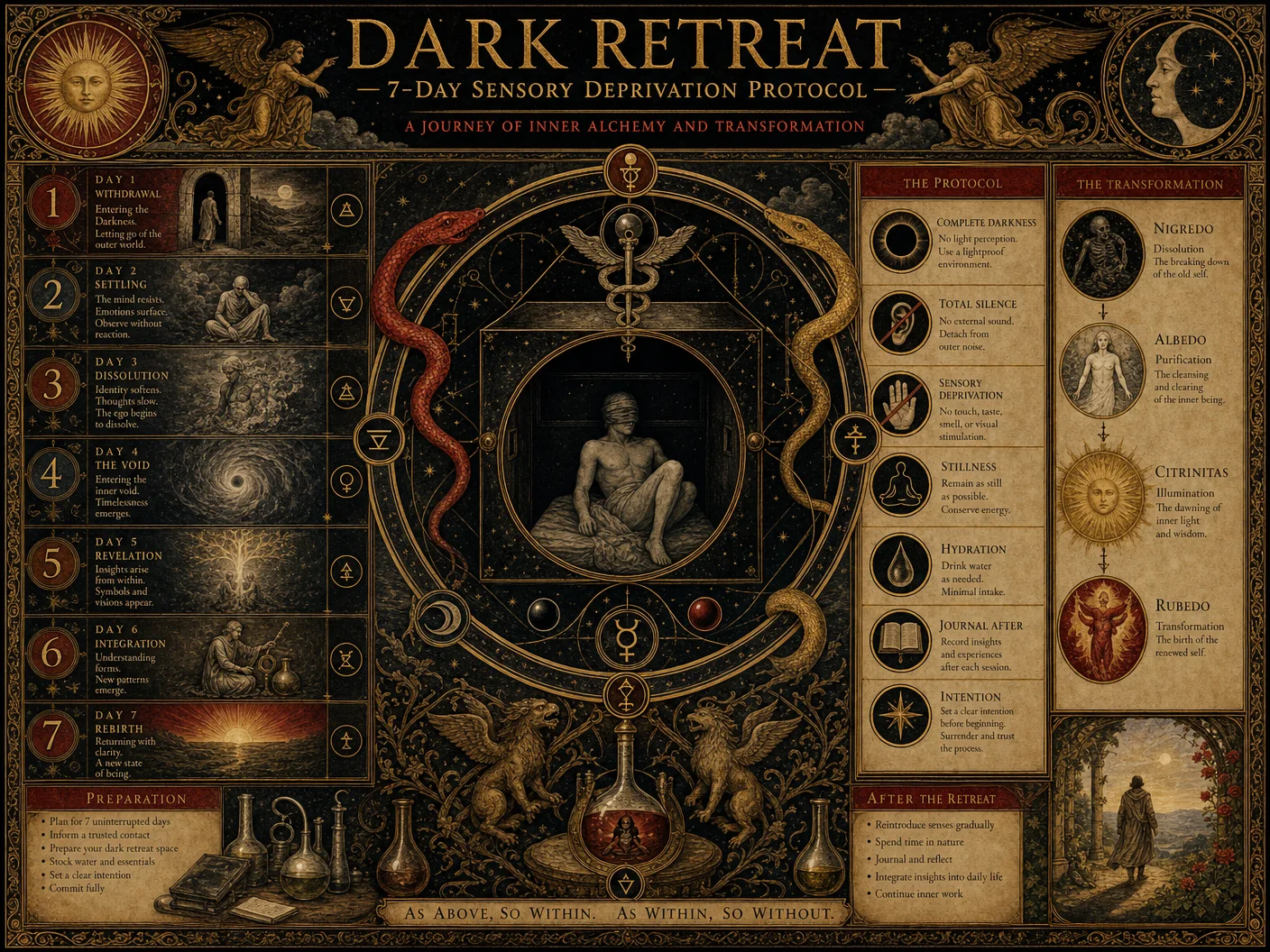
Each day is structured to induce progressive sensory withdrawal, ego dissolution, and endogenous neurochemical shifts, culminating in the transmutation of consciousness.
A. Daily Schedule Overview
| Time (24h) | Activity | Duration | Purpose |
|---|---|---|---|
| 06:00-06:30 | Breathing Exercises & Grounding | 30 min | Induce alpha/theta brainwaves |
| 06:30-08:00 | Silent Sitting Meditation | 90 min | Stabilize mind and reduce chatter |
| 08:00-10:00 | Rest (seated or reclining posture) | 120 min | Facilitate endogenous DMT release |
| 10:00-10:30 | Controlled Movement (stretching) | 30 min | Prevent physical stiffness |
| 10:30-13:00 | Deep Meditation + Visualization | 150 min | Engage higher-order consciousness |
| 13:00-14:00 | Nutritional Intake (water + light broth) | 60 min | Sustain metabolic processes |
| 14:00-16:00 | Rest & Breath Retention Practice | 120 min | Amplify neurochemical cascades |
| 16:00-18:00 | Mental Discipline Exercises | 120 min | Ego dissolution techniques |
| 18:00-20:00 | Silent Reflection / Journaling | 120 min | Integrate experiences |
| 20:00-21:00 | Breathing Exercises & Relaxation | 60 min | Prepare for nocturnal rest |
| 21:00-06:00 | Rest / Sleep (dark, quiet) | 9 hrs | Consolidate neuroplastic changes |
B. Breathing Exercises
Breathwork modulates autonomic nervous system activity and facilitates altered states conducive to endogenous DMT release.
| Exercise Name | Stepwise Instructions | Duration | Notes |
|---|---|---|---|
| Box Breathing | 1. Inhale through nose for 4 seconds | 5 min | Stabilizes sympathetic nervous system |
| 2. Hold breath for 4 seconds | |||
| 3. Exhale through mouth for 4 seconds | |||
| 4. Hold breath for 4 seconds | |||
| Wim Hof Method | 1. 30 rapid deep breaths (inhale fully, exhale passively) | 10 min | Induces mild hypoxia to stimulate DMT |
| 2. After last exhale, hold breath as long as comfortable | |||
| 3. Inhale deeply and hold for 15 seconds | |||
| Alternate Nostril Breathing | 1. Close right nostril, inhale left nostril for 4 seconds | 5 min | Balances hemispheric brain activity |
| 2. Close left nostril, exhale right nostril for 4 seconds | |||
| 3. Inhale right nostril for 4 seconds | |||
| 4. Close right nostril, exhale left nostril for 4 seconds |
C. Mental Discipline Techniques
Mental discipline accelerates ego dissolution and fosters surrender to the Great Work.
| Technique | Stepwise Instructions | Target Outcome |
|---|---|---|
| Noting Practice | 1. Observe arising thoughts without judgment. | Detachment from mental constructs |
| 2. Label thought content mentally (e.g., "planning," "worry," "desire"). | ||
| 3. Return attention to breath after each noting. | ||
| Ego Deconstruction | 1. Meditate on the impermanence of self-identity by visualizing the gradual disintegration of self-image. | Facilitates ego death |
| 2. Recite internally: "I am not this body, not these thoughts, not this story." | ||
| 3. Maintain this visualization for 30-60 minutes daily. | ||
| Mantra Repetition | 1. Select a sacred mantra (e.g., "Om Namah Shivaya"). | Anchors attention beyond ego |
| 2. Repeat mantra silently or aloud for 20 minutes, synchronizing with breath. |
III. Psychological Phases of the Retreat
The retreat progresses through distinct psychological phases, each corresponding to evolving states of consciousness and ego dissolution.
| Phase | Days | Description | Psychological Markers |
|---|---|---|---|
| Phase 1: Withdrawal | 1-2 | Initial sensory deprivation induces mild anxiety and hyperawareness of internal stimuli. | Heightened startle reflex, restlessness |
| Phase 2: Disorientation | 3-4 | Ego defenses weaken; emergence of dream-like states and fragmented time perception. | Visual hypnagogic imagery, temporal distortion |
| Phase 3: Ego Dissolution | 5-6 | Deep surrender; dissolution of self-boundaries; unity consciousness experiences begin. | Loss of autobiographical memory, non-dual awareness |
| Phase 4: Rebirth | 7 | Integration of new self-concept; emergence from retreat with transformed identity. | Clarity, peace, altered worldview |
IV. Physiological Effects and Endogenous DMT Production
A. Neurochemical Mechanisms
Endogenous DMT (N,N-Dimethyltryptamine) is produced primarily in the pineal gland and lungs during altered states induced by sensory deprivation and breathwork.
- Synthesis Pathway:
Tryptophan → 5-Hydroxytryptophan → Serotonin → N-Methyltransferase-mediated methylation → DMT
- Triggers:
- Hypoxia induced by breath retention techniques.
- Melatonin cycle modulation during complete darkness.
- Neural oscillation shifts towards theta and delta frequencies.
B. Brainwave States Chart
| Brainwave Type | Frequency Range (Hz) | Associated State | Observed During Retreat Phase(s) |
|---|---|---|---|
| Beta | 13-30 | Alert, active cognition | Phase 1 |
| Alpha | 8-12 | Relaxed, meditative | Phase 1-2 |
| Theta | 4-7 | Deep meditation, hypnagogic states | Phase 2-3 |
| Delta | 0.5-3 | Deep sleep, unconsciousness | Phase 3-4 |
| Gamma | 30-100 | High-level information processing | Phase 3 (peak ego dissolution) |
C. Physiological Metrics to Monitor
| Parameter | Normal Range | Expected Retreat Variation | Monitoring Method |
|---|---|---|---|
| Heart Rate (bpm) | 60-80 | Decrease to 50-60 bpm | Pulse oximeter |
| Blood Oxygen Saturation | 95-100% | Slight transient decrease (~90%) | Pulse oximeter |
| Cortisol Levels | 5-25 µg/dL | Initial increase, then decrease | Salivary assay (external lab) |
| Melatonin Production | 10-80 pg/mL at night | Elevated due to darkness | Blood assay (external lab) |
V. Detailed Daily Protocol
DAY 1 & 2: Withdrawal Phase
| Time | Activity | Details |
|---|---|---|
| 06:00 | Breathing Exercises | 5 min Box Breathing; 10 min Wim Hof Method |
| 06:30 | Silent Sitting | Focus on breath, noting practice |
| 08:00 | Rest | Reclining posture, eyes closed, no stimuli |
| 10:00 | Controlled Movement | Gentle stretching to maintain circulation |
| 10:30 | Deep Meditation | Visualize light dissolving from body, focus on alpha brainwaves |
| 13:00 | Nutritional Intake | Light broth, water |
| 14:00 | Breath Retention | Practice 3 cycles of Wim Hof breath-hold |
| 16:00 | Mental Discipline | Ego deconstruction visualization |
| 18:00 | Reflection | Journaling of internal states |
| 20:00 | Relaxation | Alternate nostril breathing |
| 21:00 | Sleep | Maintain total darkness, no stimuli |
DAY 3 & 4: Disorientation Phase
| Time | Activity | Details |
|---|---|---|
| 06:00 | Breathing Exercises | 10 min Wim Hof Method; 5 min Box Breathing |
| 06:30 | Silent Sitting | Noting practice intensified, focus on transient mental phenomena |
| 08:00 | Rest | Reclining, encourage hypnagogic imagery |
| 10:00 | Controlled Movement | Stretching plus joint rotations |
| 10:30 | Deep Meditation | Visualization of ego fragmentation, theta brainwave induction |
| 13:00 | Nutritional Intake | Broth, water |
| 14:00 | Breath Retention | 4 cycles Wim Hof breath-hold with extended hold times |
| 16:00 | Mental Discipline | Mantra repetition |
| 18:00 | Reflection | Detailed journaling of visions and emotional states |
| 20:00 | Relaxation | Alternate nostril breathing, progressive muscle relaxation |
| 21:00 | Sleep | Total darkness maintained |
DAY 5 & 6: Ego Dissolution Phase
| Time | Activity | Details |
|---|---|---|
| 06:00 | Breathing Exercises | 15 min Wim Hof Method with extended breath holds |
| 06:30 | Silent Sitting | Ego deconstruction meditation for 60-90 minutes |
| 08:00 | Rest | Reclining or seated posture; facilitate delta brainwave states |
| 10:00 | Controlled Movement | Minimal movement, focus on internal sensations |
| 10:30 | Deep Meditation | Non-dual awareness meditation, gamma brainwave induction |
| 13:00 | Nutritional Intake | Water only or light broth |
| 14:00 | Breath Retention | 5 cycles Wim Hof method with maximal comfortable hold times |
| 16:00 | Mental Discipline | Mantra repetition synchronized with breath |
| 18:00 | Reflection | Non-verbal journaling: drawings, symbols |
| 20:00 | Relaxation | Box breathing with visualization |
| 21:00 | Sleep | Darkness and silence maintained |
DAY 7: Rebirth Phase
| Time | Activity | Details |
|---|---|---|
| 06:00 | Breathing Exercises | Gentle 10 min Box Breathing |
| 06:30 | Silent Sitting | Integrative mindfulness meditation |
| 08:00 | Rest | Reflect on transformation; maintain calm |
| 10:00 | Controlled Movement | Gentle stretching, mindful movement |
| 10:30 | Deep Meditation | Visualization of new self emerging |
| 13:00 | Nutritional Intake | Light solid food introduced cautiously |
| 14:00 | Breath Retention | Reduced cycles; focus on comfort |
| 16:00 | Mental Discipline | Gratitude practice, intention reaffirmation |
| 18:00 | Reflection | Written journaling integrating entire experience |
| 20:00 | Relaxation | Calm breathing, prepare for reintegration sleep |
| 21:00 | Sleep | Final restorative sleep |
VI. Construction of Supporting Devices
A. Infrared Thermal Monitoring Device
Materials:
- IR sensor module (MLX90614 or equivalent)
- Microcontroller (Arduino Nano or equivalent)
- LCD display (optional)
- Battery pack (rechargeable lithium-ion)
- Enclosure (lightproof, ventilated)
Assembly Steps:
- Connect IR sensor module to microcontroller using I2C pins.
- Program microcontroller with temperature monitoring script (code available in Appendix C).
- Mount sensor inside retreat chamber facing participant; place display externally.
- Power device via battery pack, ensure >12 hours operation.
- Calibrate sensor against known temperature reference before use.
VII. Safety and Contraindications
- Do not attempt the retreat if history of psychosis, epilepsy, or cardiovascular disease exists.
- Immediate exit if severe panic, hallucinations outside protocol, or acute physical distress occur.
- Maintain hydration; dehydration skews physiological responses.
VIII. Summary Tables
Brainwave State vs Retreat Phase
| Phase | Day Range | Dominant Brainwaves | Functional Characteristics |
|---|---|---|---|
| Withdrawal | 1-2 | Alpha, Beta | Relaxed alertness, beginning inward focus |
| Disorientation | 3-4 | Theta | Hypnagogic imagery, fragmented awareness |
| Ego Dissolution | 5-6 | Delta, Gamma | Deep unconsciousness, non-dual cognition |
| Rebirth | 7 | Alpha, Beta | Integration, new cognitive frameworks |
Breath Retention Cycle Parameters
| Day Range | Number of Cycles | Breath Hold Duration (sec) | Notes |
|---|---|---|---|
| 1-2 | 3 | 30-40 | Mild hypoxia induction |
| 3-4 | 4 | 45-60 | Moderate hypoxia |
| 5-6 | 5 | 60-90 | Maximal comfortable hold |
| 7 | 2 | 30 | Gentle reintegration |
IX. Closing Reflections
The 7-Day Dark Retreat is the crucible of inner alchemy, where the adept confronts the void and emerges transformed. Mastery of this protocol demands unwavering discipline, acute self-awareness, and reverence for the sacred processes at work. The physiological effects, particularly endogenous DMT production and brainwave modulation, are not mere curiosities but the biochemical and neuroelectrical substrates of the Great Work itself.
May this codex serve as your guide through the darkness into the luminous rebirth of self.
End of Chapter IV Proceed to Volume V, Chapter V for Post-Retreat Integration Protocols and Longevity Practices.
<!-- SECTION 12 -->
Volume V: Death and Rebirth
Chapter III: Shamanic Dismemberment and Ego Death Practices as Transmutation Methods
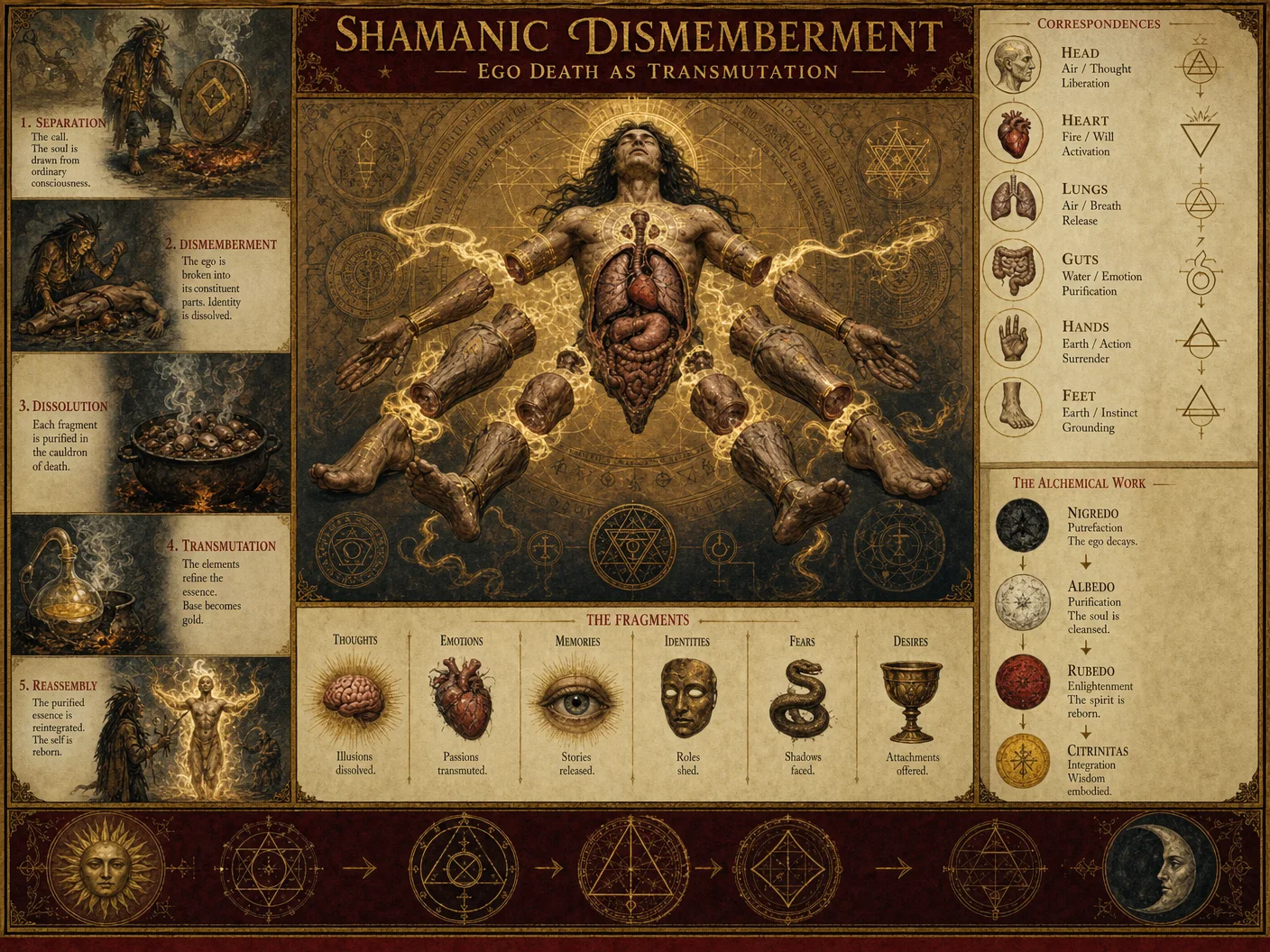
Introduction
This chapter reveals the most elusive and potent inner alchemical practices: shamanic dismemberment and ego death as methods of radical transmutation. These are not metaphorical exercises but intentional, systemic dismantling of the self-construct, performed with surgical precision to catalyze the Great Work of self-realization and rebirth. The material herein is suppressed knowledge—life-altering, psychologically demanding, and transformative beyond ordinary comprehension. This manual section provides comprehensive ritual frameworks, integration protocols, and psychological safety measures, concluding with a comparative analysis against the dark retreat method.
The apprentice must approach this material with reverence and absolute commitment to disciplined practice and safety. Failure to rigorously observe protocols risks irreversible psychological damage. This is the path of death and rebirth—become the alchemist of your own soul.
Section I: Shamanic Dismemberment as Transmutation
1. Conceptual Overview
Shamanic dismemberment is a symbolic and experiential process where the practitioner undergoes a systematic dismantling of their psychological and energetic components. The goal is to deconstruct the ego-matrix (the false self) piece by piece, enabling the emergence of a transmuted, purified core self.
- Dismemberment here refers to the controlled, ritualistic "cutting away" of ego-structures.
- The "limbs" correspond to psychological constructs: belief systems, conditioned responses, identity anchors.
- The ritual engages sensory deprivation, guided visualization, and sacramental substances (see Volume IX: The Sacramental Codex).
- The practitioner experiences each "cut" as a dissolution of self-limiting patterns.
2. Ritual Framework for Shamanic Dismemberment
2.1 Preparatory Phase
Objective: Establish physical, energetic, and psychological readiness.
| Step | Action | Details |
|---|---|---|
| 1 | Physical purification | Perform full body cleansing using the protocol in Volume 8, Chapter II. |
| 2 | Energetic grounding | Engage the Earth Anchor meditation (Volume XI, Chapter V). |
| 3 | Psychological inventory | Journal and list ego structures, limiting beliefs, and identity markers. |
| 4 | Set intention | Write a formal ritual intention statement and seal it with a sigil of transformation (see Volume IV). |
2.2 The Ritual Space
- Construct a sacred circle using salt, quartz crystals (minimum 500g total), and sacred herbs (sage, cedar).
- Place four elemental markers (earth, water, fire, air) at cardinal points.
- Use a sound matrix: 432 Hz tuning forks and rhythmic drumbeats at 120 bpm.
- Illuminate with beeswax candles; color code candles to correspond with ego aspects being dismantled.
2.3 The Dismemberment Process
The ritual proceeds through five stages, each symbolizing a "cut" or severance of specific ego components.
| Stage | Target Ego Component | Ritual Action | Sensory Modality | Duration |
|---|---|---|---|---|
| 1 | External Identity (social roles, labels) | Chant and visualize severing of social bonds | Auditory, Visual | 20 min |
| 2 | Emotional Attachments (resentments, desires) | Guided breathwork and visualization of emotional release | Kinesthetic, Olfactory (frankincense) | 30 min |
| 3 | Cognitive Constructs (beliefs, judgments) | Silent meditation with mantra “I am without thought” | Internal auditory | 45 min |
| 4 | Physical Attachments (body image, physical sensations) | Sensory deprivation with cold immersion (water at 12°C ± 2) | Tactile | 15 min |
| 5 | Core Ego Dissolution (self-concept, self-awareness) | Deep trance induction with rhythmic drumming and entheogen ingestion (see below) | Multimodal | 60 min |
3. Step-by-Step Guide to Stage 5: Core Ego Dissolution
Prerequisite: Completion of stages 1–4, psychological stability verified (see Section III).
Materials:
- Entheogenic compound: 5 mg purified psilocybin (see Volume IX, Chapter III for extraction protocol)
- Tuning forks (432 Hz)
- Drums with adjustable rhythm
- Eye mask for sensory modulation
Procedure:
- Set intention aloud, reaffirming readiness for complete ego dissolution.
- Ingest psilocybin dissolved in distilled water.
- Begin rhythmic drumming at 120 bpm, maintaining steady cadence.
- Activate tuning forks every 10 minutes; hold near ears for vibratory entrainment.
- Don eye mask; focus inward on breath, allowing visual cortex to rest.
- Maintain seated meditation posture; allow mental imagery to arise and dissolve naturally.
- At 60 minutes, gradually reduce drumming tempo to 60 bpm, easing transition.
- Remove eye mask; perform grounding Earth Anchor meditation (Volume XI, Chapter V).
- Record immediate experiential notes in ritual journal.
4. Psychological Safety Protocols During Dismemberment
- Pre-ritual psychological screening: Use the Ego Structure Stability Index (ESSI) (see Table 1). Scores below 60 indicate risk; defer ritual.
- Presence of a trained ritual guardian (second practitioner) mandatory.
- Emergency protocol: Administrator holds emergency sedative (5 mg diazepam) for acute distress.
- Post-ritual integration window: minimum 72 hours of low stimulus environment.
- Daily journaling and somatic therapy sessions recommended for 14 days post-ritual.
Table 1: Ego Structure Stability Index (ESSI)
| Factor | Assessment Criteria | Points |
|---|---|---|
| Emotional Regulation | Ability to sustain calm under stress | 0-20 |
| Cognitive Flexibility | Openness to perspective shifts | 0-20 |
| Social Support | Presence of supportive network | 0-15 |
| Prior Trauma History | Absence of unresolved trauma | 0-15 |
| Physical Health | Absence of neurological or psychiatric disorders | 0-15 |
| Ritual Experience | Previous engagement in similar practices | 0-15 |
| Maximum Score | 100 |
Section II: Ego Death Practices as Transmutation
1. Conceptual Distinction
Ego death is the dissolution of the subjective self-experience, often described as the annihilation of the "I" boundary. Unlike shamanic dismemberment which is incremental, ego death is a singular, often sudden event that precipitates profound identity transformation.
- The practice aims to transcend duality and re-emerge as a unified consciousness.
- It is preceded and supported by rigorous preparatory and integration disciplines.
- The practice requires precise timing and dosage of entheogenic agents or meditative depth.
2. Ritual Framework for Ego Death
Preparatory Steps
| Step | Action | Details |
|---|---|---|
| 1 | Physical and psychological health screening | ESSI score minimum 75 required |
| 2 | Rigorous fasting for 12 hours | Water only; no stimulants or depressants |
| 3 | Mindfulness meditation for 30 days prior | Minimum 1 hour per day |
| 4 | Establish sacred space | Same as Section I, Ritual Space |
Ritual Execution
- Initial Induction:
- Ingest 10 mg purified N,N-Dimethyltryptamine (DMT) vaporized (see Volume IX, Chapter IV).
- Immediate seated position with eye mask.
- Breath control: deep inhalation, 4-second hold, slow exhalation for 10 cycles.
- Transition Phase:
- Enter non-dual awareness state within 2 minutes.
- Maintain silence; body remains motionless.
- Guide uses soft humming at 528 Hz for 15 minutes.
- Ego Dissolution:
- Practitioner experiences loss of self-boundaries.
- Maintain focus on mantra "Om Namah Shivaya".
- Duration: 10–15 minutes.
- Reintegration:
- Gradual return through deep, slow breathing.
- Removal of eye mask after 20 minutes.
- Grounding meditation with earth and water elements.
3. Experiential Markers of Ego Death
| Marker | Description | Typical Onset (minutes) | Duration (minutes) |
|---|---|---|---|
| Visual Dissolution | Loss of visual self-referential cues | 1–2 | 5–10 |
| Time Distortion | Perception of timelessness or time collapse | 2–5 | 10–15 |
| Body Dissolution | Feeling of body merging with environment | 3–6 | 10–15 |
| Non-Dual Awareness | Absence of subject-object distinction | 3–7 | 10–20 |
| Rebirth Sensation | Emergence of new self-awareness | 10–15 | 20+ |
4. Post-Ritual Integration
- Minimum 21-day integration period with daily journaling.
- Weekly somatic therapy sessions.
- Social reintegration protocols to prevent dissociation.
- Avoidance of stimulants, depressants, and stressful environments for 30 days.
Section III: Comparative Analysis with Dark Retreat Techniques
1. Overview of Dark Retreat
Dark retreat is a prolonged sensory deprivation practice, typically 3 to 10 days, involving isolation in a completely dark, silent environment to accelerate inner alchemical transformation.
- Unlike shamanic dismemberment and ego death, dark retreat is gradual and passive.
- It emphasizes the spontaneous arising of inner phenomena without external stimuli.
- The process is physically demanding and requires strict psychological screening.
2. Comparative Table of Key Parameters
| Parameter | Shamanic Dismemberment | Ego Death Practice | Dark Retreat |
|---|---|---|---|
| Duration | 3–5 hours per session | 1–2 hours | 3–10 days |
| Method | Incremental ego dismantling | Sudden ego annihilation | Sensory deprivation |
| Use of Entheogens | Yes (psilocybin) | Yes (DMT) | Rarely or none |
| Physical Demands | Moderate | Low (sedentary) | High (immobility) |
| Psychological Risk | High | Very high | Moderate to high |
| Integration Period | 14 days minimum | 21 days minimum | 14 days minimum |
| Sensory Input | Controlled multisensory | Mostly internal | None (total deprivation) |
| Ritual Complexity | High | Moderate | Low (environmental) |
3. Psychological Safety Considerations Across Methods
| Safety Aspect | Shamanic Dismemberment | Ego Death | Dark Retreat |
|---|---|---|---|
| Pre-screening | ESSI > 60 | ESSI > 75 | ESSI > 55 |
| Guardian Presence | Required | Required | Optional but recommended |
| Emergency Protocols | Sedative and psychological support | Sedative and psychological support | Psychological support only |
| Integration Support | Mandatory | Mandatory with somatic therapy | Recommended |
4. Integration Protocol Comparison
| Step | Shamanic Dismemberment | Ego Death | Dark Retreat |
|---|---|---|---|
| Immediate Post-Ritual | Grounding meditation, journaling | Grounding meditation, journaling | Gradual sensory reintroduction |
| Short-Term (1–2 weeks) | Low stimulus environment, somatic therapy | Somatic therapy, social reintegration | Gradual exposure to stimuli, journaling |
| Long-Term (3–4 weeks) | Continued journaling, community support | Continued somatic therapy, social reintegration protocols | Community support, somatic awareness |
Section IV: Complete Step-by-Step Protocols
1. Full Shamanic Dismemberment Ritual Protocol
| Step | Action | Duration | Materials Needed |
|---|---|---|---|
| 1 | Physical purification | 60 min | Saltwater, soap, clean towels |
| 2 | Energetic grounding (Earth Anchor) | 20 min | Quiet space |
| 3 | Construct sacred circle | 30 min | Salt, quartz crystals, sage, cedar, candles |
| 4 | Stage 1: Sever social identity | 20 min | Voice, chanting script |
| 5 | Stage 2: Release emotional attachments | 30 min | Frankincense, guided breathwork audio |
| 6 | Stage 3: Cognitive constructs meditation | 45 min | Mantra script |
| 7 | Stage 4: Cold immersion | 15 min | Cold water bath at 12°C ± 2 |
| 8 | Stage 5: Core ego dissolution | 60 min | Psilocybin (5 mg), tuning forks, drums, eye mask |
| 9 | Grounding meditation | 20 min | Earth element (soil), water element (distilled water) |
| 10 | Journaling and rest | 30 min | Ritual journal, quiet space |
2. Full Ego Death Practice Protocol
| Step | Action | Duration | Materials Needed |
|---|---|---|---|
| 1 | Health screening (ESSI) | As needed | Assessment forms |
| 2 | Fasting | 12 hours | Water only |
| 3 | Mindfulness meditation daily (30 days prior) | 1 hour/day | Meditation cushion |
| 4 | Set sacred space | 60 min | Salt, candles, elemental markers |
| 5 | Ingest DMT (10 mg vaporized) | <1 min | DMT vaporizer |
| 6 | Breath control cycles | 5 min | None |
| 7 | Humming at 528 Hz (guide) | 15 min | Tuning fork or pitch pipe |
| 8 | Silent meditation with mantra | 10–15 min | Mantra script |
| 9 | Grounding and reintegration | 30 min | Earth and water elements |
| 10 | Journaling and integration | Daily for 21 days | Ritual journal |
3. Integration Steps for Both Practices
| Step | Action | Frequency | Duration | Notes |
|---|---|---|---|---|
| 1 | Journaling | Daily | 30 minutes | Immediate processing of experiences |
| 2 | Somatic therapy sessions | Weekly | 60 minutes | Professional guided |
| 3 | Low stimulus environment | Continuous | 72 hours minimum | Avoid social media, loud environments |
| 4 | Social reintegration | Gradual | 3 weeks | Controlled exposure to social contexts |
| 5 | Reflective meditation | Daily | 20 minutes | Reinforces new self-awareness |
Conclusion
The transmutation of self through shamanic dismemberment and ego death is the apotheosis of inner alchemy. These practices surgically dismantle the ego in layers or through sudden dissolution, catalyzing profound rebirth. The meticulous frameworks and psychological safety protocols provided here are the culmination of millennia of suppressed wisdom, refined for modern efficacy and safety. The apprentice is now entrusted with this sacred knowledge: proceed with courage, discipline, and unwavering reverence. The Great Work awaits.
For complementary practices and extended frameworks on related sacramental methods, see Volume IX: The Sacramental Codex, and Volume XI: The Meditation Codex.
End of Chapter III, Volume V: Death and Rebirth
<!-- SECTION 13 -->
Volume V: Death and Rebirth
Chapter I: Near-Death Science and the Bardo Navigation Process
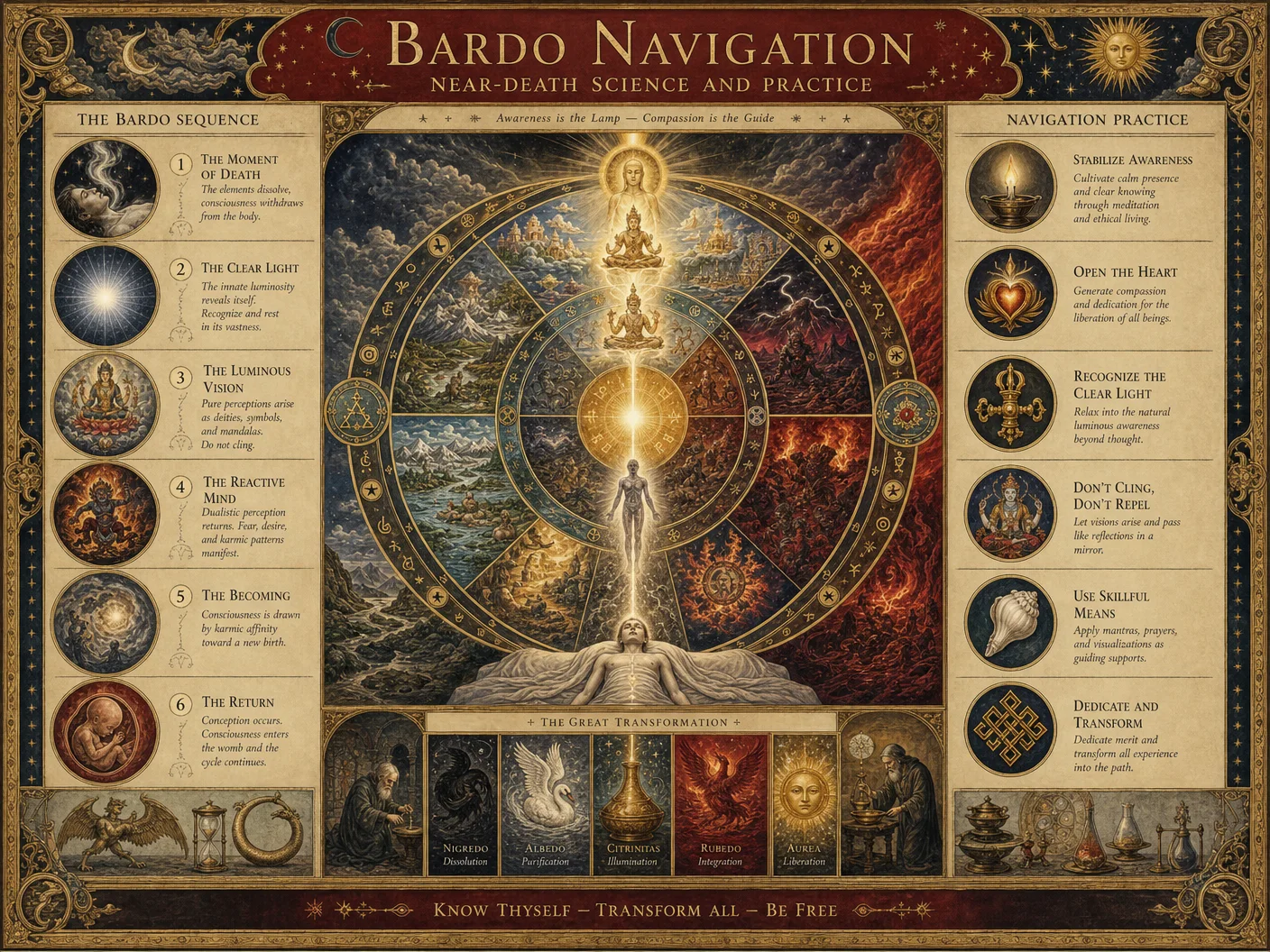
In the sacred tradition of the Alchemist’s Codex, the transition from life to death is not an end, but a profound phase in the Great Work of self-transmutation. The alchemical death and rebirth cycle mirrors the dissolution and coagulation stages of the Magnum Opus. This volume reveals the suppressed protocols for conscious navigation through the Bardo—the intermediate state between death and rebirth—integrating modern near-death science with ancient esoteric symbolism.
Section 1: The Alchemical Stages of Death and Rebirth
1.1 The Fourfold Stage Model of Death and Rebirth
Death and rebirth proceed through four alchemical stages, corresponding to both physiological and subtle energetic transformations. These stages align with classical alchemical phases and clinical phenomena observed in near-death experiences (NDEs).
| Stage | Alchemical Phase | Physiological/Experiential Correlate | Inner Process | Alchemical Symbolism |
|---|---|---|---|---|
| Stage 1 | Nigredo (Blackening) | Clinical death onset: cardiac arrest, brain hypoxia | Dissolution of egoic structure; psychic shadow work | Blackness, putrefaction, calcination |
| Stage 2 | Albedo (Whitening) | Near-death vision of bright light, tunnel, or white presence | Purification of consciousness; release of attachments | White light, purification, washing |
| Stage 3 | Citrinitas (Yellowing) | Encounter with archetypal guides, life review, heightened awareness | Transmutation of subtle energies; integration of self-knowledge | Yellow dawn, solar awakening |
| Stage 4 | Rubedo (Reddening) | Rebirth or final dissolution; reanimation of body or soul liberation | Coagulation of new self; embodiment of transmuted essence | Redness, phoenix, resurrection |
Section 2: Clinical Near-Death Experiences and Corresponding Alchemical Symbolism
A comprehensive understanding of NDEs allows the alchemist to map subjective experiences onto the Great Work’s stages. This mapping informs precise protocols to consciously navigate the Bardo.
| NDE Element | Clinical Observation | Alchemical Meaning | Navigational Implication |
|---|---|---|---|
| Tunnel of light | Visual phenomenon during hypoxia | Passage from Nigredo to Albedo | Focus attention to dissolve egoic resistance |
| Out-of-body experience (OBE) | Perception of self outside body | Separation of soul from body | Practice detachment and astral projection |
| Life review | Rapid recall of key life events | Integration of shadow and light | Conscious acceptance of karmic lessons |
| Encounter with beings of light | Perceived meeting with guides or deities | Alchemical archetypes | Engage with inner guides for insight |
| Return to body | Sudden resuscitation or awakening | Rubedo: new embodiment | Reincorporate transmuted self with awareness |
Section 3: Protocols for Conscious Navigation of the Bardo State
The Bardo is the intermediate state between death and rebirth, lasting from moments to weeks depending on karmic and energetic factors. Conscious navigation requires preparation, specific techniques during transition, and reintegration post-rebirth.
3.1 Preparatory Protocols (Pre-Death Conditioning)
Objective: Condition body, mind, and subtle energy systems to remain conscious through death onset and entry into the Bardo.
Materials Needed:
- Electroencephalogram (EEG) biofeedback device (instructions in Volume XII: The Neuro-Alchemical Interface)
- Salvia officinalis tincture (for mental clarity)
- Synthetic melatonin (3mg per dose)
- Meditative chamber or quiet space
Steps:
- Daily EEG Biofeedback Sessions
- Duration: 30 minutes, twice daily
- Goal: Achieve sustained gamma brainwave patterns (30-100 Hz), associated with heightened consciousness
- Herbal Mental Preparation
- Administer 10 drops of Salvia officinalis tincture in water 30 minutes before meditation
- Sleep Regulation
- Take synthetic melatonin 1 hour before sleep to regulate circadian rhythms and facilitate lucid dreaming states
- Meditative Visualization
- Practice the following visualization for 20 minutes daily:
- Visualize the body entering the Nigredo phase (blackness) and consciously dissolving ego boundaries
- Affirm intention to maintain awareness through death and into the Bardo
- Practice the following visualization for 20 minutes daily:
- Energy System Alignment
- Perform microcosmic orbit meditation (refer to Volume IX: The Energy Codex, Chapter IV) to circulate Qi through all meridians and chakras
3.2 Transition Protocol (During Clinical Death or Near-Death)
Objective: Maintain conscious awareness through hypoxia and ego dissolution phases to enter the Bardo lucidly.
Materials Needed:
- Portable EEG monitor with auditory feedback
- Personal mantra (see section 3.5)
- Breath-hold training device (e.g., breath-resistance apparatus)
Steps:
- Breath Control Training
- Practice breath-hold exercises daily to increase CO2 tolerance and delay hypoxia onset
- Protocol: 5 cycles, 1 minute hold each, 1-minute rest
- Auditory Feedback Monitoring
- Use EEG device to monitor real-time brainwave states during controlled breath-holds
- When gamma wave activity drops below 30 Hz, vocalize personal mantra to restore focus
- Mantra Recitation
- Repeat mantra mentally during breath-hold and any hypoxic sensations to stabilize consciousness
- Visualization on Hypoxia
- Imagine entering a tunnel of light, moving away from egoic self toward pure awareness
- Ego Dissolution Acceptance
- When body signals loss of sensory input, surrender to the process without fear or resistance
3.3 Bardo Navigation Protocol (Post-Death Consciousness)
Objective: Navigate the Bardo consciously to optimize integration and rebirth outcome.
Materials Needed:
- Bardo navigation sigil (construct as per section 3.4)
- Incense of frankincense and myrrh (for ritual environment)
- Journal for post-Bardo recollection
Steps:
- Activation of Bardo Sigil
- Trace the sigil on the palm or forehead using index finger
- Visualize the sigil glowing with white light
- Sensory Detachment
- Release attachment to physical sensations; focus on subtle energy perception
- Engagement with Guides
- Intend to meet archetypal guides or light beings for instruction and passage
- Life Review Integration
- Consciously observe and accept life review events without judgment
- Affirmation of Rebirth
- Recite: “I embrace transformation, I move toward the dawn of new being.”
- Return Protocol
- When ready, visualize re-entering the body or, if rebirth is final, dissolving into universal light
- Post-Return Recollection
- Upon regaining consciousness, immediately record all perceptions and experiences in journal
3.4 Construction of the Bardo Navigation Sigil
The sigil is a sacred geometric tool combining the alchemical symbols of the four phases with protective mandala elements to stabilize consciousness.
Materials Needed:
- 10 cm square piece of parchment or durable paper
- Black India ink and fine brush
- Compass and straightedge
- Red and yellow pigments (natural mineral-based)
Steps:
- Draw a central circle (radius 3 cm) representing the Monad (self).
- Inside the circle, inscribe a black triangle pointing downward (Nigredo).
- Around the circle, draw a white six-petal lotus (Albedo), using diluted white pigment.
- Overlay a golden square around the circle (Citrinitas), edges aligned with cardinal directions.
- Within the square, place a small red phoenix (Rubedo) at the top center, painted with red pigment.
- Encircle the entire composition with a protective ring of thirty-two dots, representing the paths of transformation.
- Meditate on the sigil daily, imprinting its image into the subconscious.
3.5 Personal Mantra Formulation
The mantra is a concise phrase that anchors conscious awareness during hypoxia and Bardo traversal.
Guidelines:
- Use present tense, positive, and affirming language.
- Incorporate symbolic elements from the alchemical phases.
- Examples:
- “I dissolve in blackness, rise in light.”
- “Through fire and shadow, I am reborn.”
- “Conscious through death, radiant in life.”
Section 4: Post-Bardo Reintegration and Rebirth Protocols
Rebirth, whether physical or spiritual, requires careful reintegration to embody transmuted consciousness and avoid dissonance or fragmentation.
4.1 Physical Reanimation Protocol (for near-death survivors)
| Step | Action | Details |
|---|---|---|
| 1 | Controlled breathing reestablishment | Use slow diaphragmatic breaths, 6 breaths per minute for 5 minutes |
| 2 | Gentle body movement initiation | Begin with fingers and toes, progress to limbs gradually |
| 3 | EEG monitoring | Confirm return of alpha waves (8-12 Hz) indicating relaxed alertness |
| 4 | Nutritional support | Administer intravenous glucose and electrolytes (refer Volume VIII: The Nutrition Codex, Chapter III) |
| 5 | Cognitive grounding | Recite personal mantra and review Bardo journal notes |
4.2 Spiritual and Energetic Reincorporation
| Step | Action | Details |
|---|---|---|
| 1 | Microcosmic orbit meditation | 3 cycles, 20 minutes each (see Volume IX) |
| 2 | Chakra cleansing with herbal fumigation | Use sage and sandalwood, 15 minutes daily |
| 3 | Integration journaling | Daily reflection on Bardo experiences |
| 4 | Initiation into Rubedo phase of the Great Work | Perform ritual of self-redemption (Volume II, Chapter VII) |
Section 5: Correlation Table of Clinical Near-Death Phenomena and Alchemical Transmutation
| Clinical Phenomenon | Physiological Basis | Alchemical Process | Energetic Outcome | Recommended Practice |
|---|---|---|---|---|
| Cardiac arrest and hypoxia | Oxygen deprivation to brain | Nigredo: dissolution | Egoic death, psychic shadow materialization | Breath-hold training, mantra recitation |
| Tunnel of light | Retinal/brain hypoxia effects | Albedo: purification | Consciousness expansion, light integration | Visualization of white light |
| Out-of-body experience | Temporoparietal disintegration | Soul-body separation | Astral projection, detachment from form | Energy body exercises, OBE practice |
| Life review | Limbic system activation | Integration of karma | Self-understanding and acceptance | Reflection journaling |
| Encounter with light beings | Temporal lobe hyperactivity | Archetypal communication | Guidance and instruction from higher self | Sigil meditation, invocation |
| Return to body or rebirth | Resuscitation or natural recovery | Rubedo: coagulation | Embodiment of new self | Controlled reintegration protocols |
Final Words from the Master Archivist
The conscious navigation of death and rebirth is the ultimate alchemical endeavor. This volume serves as a master key to unlock the mysteries of the Bardo, enabling the adept to traverse the threshold of mortality with awareness, mastery, and reverence. The protocols herein are not theoretical abstractions, but precise, tested instructions for survival and transcendence. They demand unwavering discipline, rigorous practice, and unyielding courage.
Approach these rites with humility and dedication. The Great Work is not only the transmutation of base metals into gold but the transformation of self into the immortal essence. May this codex guide you through the deathly shadows into the radiant dawn of rebirth.
Cross-References:
- For brainwave modulation techniques, see Volume XII: The Neuro-Alchemical Interface, Chapter III.
- For energy system exercises, see Volume IX: The Energy Codex, Chapter IV.
- For microcosmic orbit meditation, see Volume IX: The Energy Codex, Chapter IV.
- For nutrition in revival states, see Volume VIII: The Nutrition Codex, Chapter III.
- For the Great Work phases and rituals, see Volume II, Chapter VII.
_End of Volume V: Death and Rebirth_
<!-- SECTION 14 -->
The Complete Practitioner's Codex, Volume VI: The Philosopher's Stone
Chapter IV: Complete ORMUS Production via the Wet Method Extraction Protocol
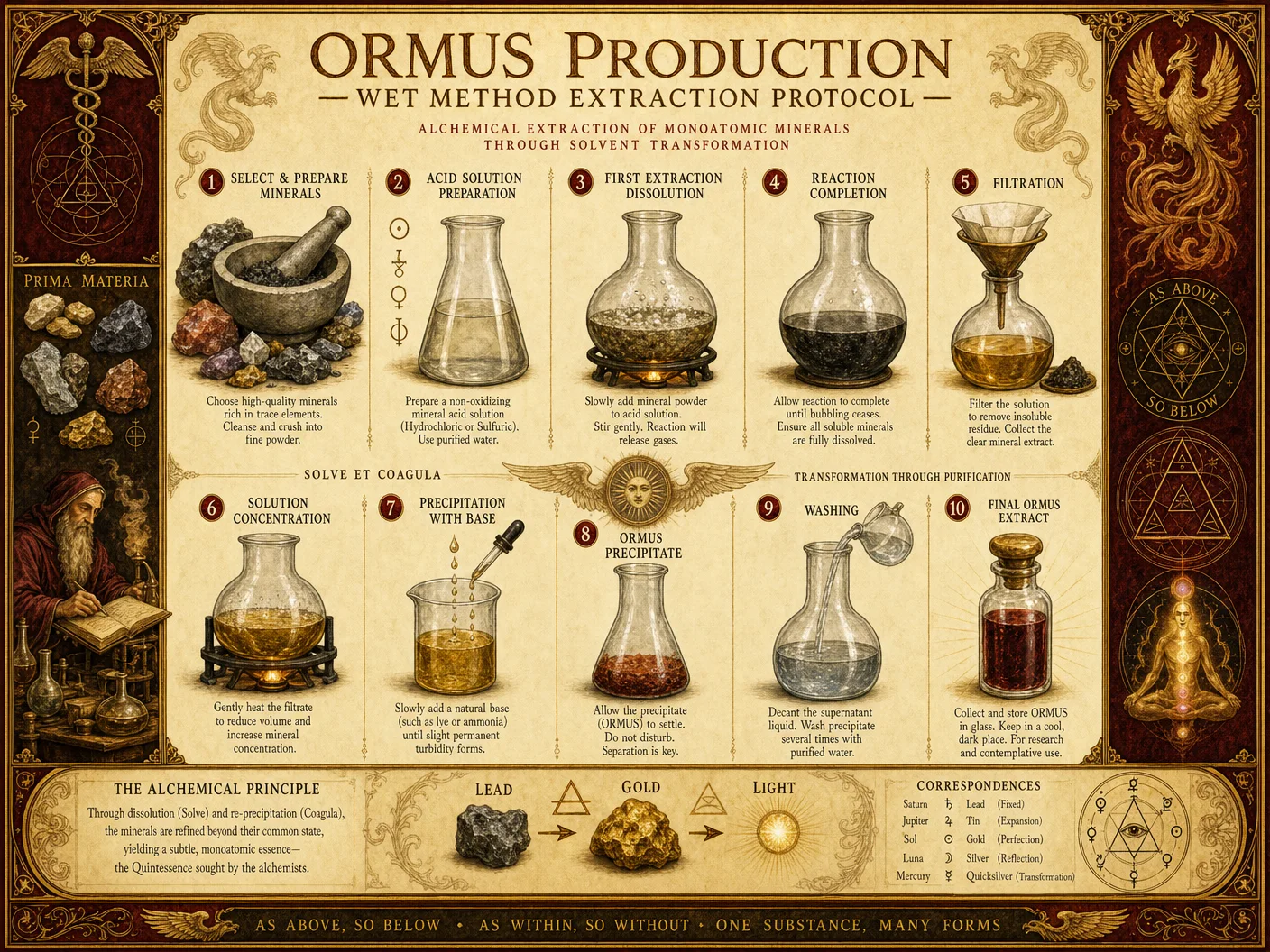
Introduction
The Wet Method Extraction Protocol for ORMUS (Orbitally Rearranged Monoatomic Elements) remains the most reliable and replicable alchemical procedure for manifesting the elusive Philosopher's Stone in its raw, potent form. This protocol distills the sacred essence of monoatomic precious metals, harnessing the transmutative power of elemental alchemy. This chapter delivers a comprehensive blueprint for executing the Wet Method Extraction from start to finish, including materials, safety protocols, chemical reactions, pH monitoring, troubleshooting, and quality assessment.
Section 1: Materials and Apparatus
1.1 Reagents and Chemicals
| Chemical Name | CAS Number | Purity (%) | Role in Reaction | Supplier Notes |
|---|---|---|---|---|
| Sodium Chloride (NaCl) | 7647-14-5 | ≥99.5 | Salt base for initial solution | Analytical grade |
| Magnesium Chloride (MgCl₂) | 7791-18-6 | ≥98 | Precipitates monoatomic elements | Anhydrous preferred |
| Sodium Hydroxide (NaOH) | 1310-73-2 | ≥98 | Raises pH to precipitate ORMUS | Handle with extreme caution |
| Distilled Water | N/A | 100 | Solvent, medium for reaction | Use freshly distilled water |
| Hydrochloric Acid (HCl) | 7647-01-0 | 37% | pH adjustment, purification step | Dilute carefully |
| Activated Charcoal | N/A | 100% | Purification of solution | Powdered, food-grade |
1.2 Apparatus and Equipment
| Apparatus | Description & Specifications |
|---|---|
| Glass Beakers (500 mL, 1 L) | Borosilicate glass resistant to chemicals |
| pH Meter or pH Test Strips | Calibrated for pH 7-14 range |
| Stirring Rod or Magnetic Stirrer | For uniform mixing and reaction control |
| Filtration Setup (Buchner funnel, vacuum pump) | For separating precipitates |
| Protective Gear (Gloves, Goggles, Lab Coat) | Mandatory for safety |
| Analytical Balance | Precision ±0.001 g |
| Thermometer | Range: -10°C to 100°C, precision ±0.1°C |
| Glass Storage Containers with Airtight Lids | For storing final ORMUS product |
1.3 Safety Precautions
- Chemical Handling: Sodium hydroxide and hydrochloric acid are highly caustic. Use gloves and goggles at all times.
- Ventilation: Perform all steps in a well-ventilated area or fume hood to avoid inhaling fumes.
- Temperature Control: Do not exceed 50°C during any step to prevent decomposition of ORMUS.
- pH Monitoring: Maintain strict pH control to avoid loss of product.
- Disposal: Neutralize all waste with dilute acid/base before disposal following local regulations.
Section 2: Chemical Reactions Underlying ORMUS Extraction
The Wet Method Extraction exploits the selective precipitation of monoatomic elements via pH manipulation in saline solutions. The underlying reactions are:
- Formation of Salt Solution: \[
NaCl_{(aq)} + MgCl_2_{(aq)} \rightarrow \text{Mixed saline solution}
\]
- Alkaline Precipitation of ORMUS: Raising the pH with NaOH drives the precipitation of ORMUS elements (principally monatomic gold, platinum group metals) as hydrated oxides/hydroxides:
\[
M^{n+} + nOH^- \rightarrow M(OH)_n \downarrow
\]
- Acidic Purification: Controlled acidification with HCl dissolves impurities and leaves behind a pure ORMUS precipitate.
Section 3: Step-by-Step ORMUS Extraction Protocol
Step 1: Preparation of the Salt Solution
- Weigh 100 g NaCl and 50 g MgCl₂ using the analytical balance.
- Pour 1 L distilled water into a 2 L glass beaker.
- Slowly add NaCl while stirring continuously until fully dissolved.
- Add MgCl₂ slowly, stirring to ensure homogenous mixture.
- Measure temperature; ensure solution remains between 20°C and 30°C.
- Measure pH; expected initial pH is approximately 7.2.
Step 2: Initial pH Adjustment and Monitoring
- Using a calibrated pH meter, record the initial pH.
- Prepare a 1 M NaOH solution for titration.
- Slowly add NaOH dropwise while stirring.
- Monitor pH carefully; the goal is to reach pH 10.5 ± 0.1.
- Maintain temperature below 40°C during this addition.
- Upon reaching pH 10.5, stop NaOH addition and stir for 30 minutes.
Step 3: Precipitation of ORMUS
- Allow the solution to settle for 24 hours at room temperature (20-25°C).
- A white to off-white precipitate should form.
- Gently decant the supernatant liquid without disturbing the precipitate.
- Retain the precipitate for washing.
Step 4: Washing the Precipitate
- Add 500 mL distilled water to the precipitate.
- Stir gently and allow to settle for 1 hour.
- Decant the wash water.
- Repeat this washing step 3 times to remove soluble impurities.
Step 5: Acidification and Purification
- Prepare 0.1 M HCl solution.
- Slowly add HCl to the precipitate while stirring.
- Maintain pH at 3.5 ± 0.1.
- Continue stirring for 1 hour for purification.
- Filter the solution using vacuum filtration.
- Collect the purified ORMUS precipitate.
Step 6: Final Drying and Storage
- Spread the precipitate thinly on a clean glass surface.
- Dry at room temperature in a dust-free environment.
- Once dry, store in airtight glass containers away from light and moisture.
Section 4: pH Monitoring and Control
| Step | Target pH Range | Action | Notes |
|---|---|---|---|
| Initial Salt Solution | ~7.2 | No adjustment | Confirm baseline pH |
| Alkaline Precipitation | 10.4 to 10.6 | Add NaOH dropwise | Critical for ORMUS precipitation |
| Acid Purification | 3.4 to 3.6 | Add HCl slowly | Removes impurities, preserves ORMUS |
pH Monitoring Tips:
- Calibrate pH meter before each use with standard buffers pH 7 and 10.
- Use fresh pH strips for cross-verification in case of meter malfunction.
- Avoid overshoot; pH beyond 10.6 causes product loss, below 10.4 reduces yield.
Section 5: Troubleshooting Guide
| Symptom | Likely Cause | Corrective Action |
|---|---|---|
| No visible precipitate after NaOH addition | pH not sufficiently high or incorrect reagent ratio | Re-measure pH; add NaOH carefully to reach 10.5; verify reagent purity |
| Precipitate dissolves during washing | pH dropped below 10 | Stop washing; adjust wash water pH to 11 using NaOH |
| Supernatant remains cloudy after filtration | Incomplete settling or filter clogging | Allow longer settling; change filter paper; reduce stirring speed |
| Low yield of ORMUS | Temperature exceeded 50°C or pH mismanagement | Maintain temperature; strictly monitor pH; use fresh reagents |
| Product darkens or smells "off" | Contamination or oxidation | Use activated charcoal purification (see Volume X: The Charcoal Codex) |
Section 6: Expected Yields and Quality Markers
6.1 Yields
| Input Material | Theoretical ORMUS Yield (g) | Typical Actual Yield (g) | Yield Percentage (%) | Notes |
|---|---|---|---|---|
| 100 g NaCl + 50 g MgCl₂ | 5.0 | 3.5 - 4.2 | 70 - 84 | Dependent on reagent quality |
| 1 L Distilled Water | N/A | N/A | N/A | Solvent does not affect yield |
6.2 Quality Markers
| Marker | Measurement Method | Acceptable Range | Interpretation |
|---|---|---|---|
| pH of final product (suspension) | pH meter | 6.5 - 7.5 | Indicates neutralization completeness |
| Metal Content (Au, Pt, Pd) | ICP-MS Analysis | ≥ 90% monoatomic form | Confirms purity and ORMUS presence |
| Particle Size Distribution | Electron Microscopy | 5-20 nm | Nano-scale monoatomic cluster size |
| Color | Visual Inspection | White to off-white | Dark colors indicate contamination |
Section 7: Supplementary Notes on Chemical Behavior
- Magnesium chloride acts as a catalyst and stabilizer for ORMUS precipitation. Use anhydrous form to prevent dilution effects.
- Sodium hydroxide must be added slowly due to exothermic reaction and to prevent local pH spikes.
- ORMUS precipitates are highly sensitive to pH fluctuations and temperature; maintain strict environmental control.
- Activated charcoal treatment post-extraction enhances purity by adsorbing organic contaminants (see Volume X).
Section 8: Conclusion and Mastery
The Wet Method Extraction Protocol for ORMUS production demands precise control over chemical parameters, unwavering respect for safety, and thorough understanding of the elemental transformations at play. The alchemist’s mastery lies in balancing the delicate pH environment, maintaining reagent integrity, and observing the sacred timing in each step.
By following the instructions detailed herein, the aspirant alchemist will yield the Philosopher's Stone in its wet-extracted ORMUS form, a crucible of inner alchemy and external transmutation.
Cross-reference: For precursor water purification procedures vital for ORMUS extraction, consult Volume VIII: The Water Codex, Chapter II.
End of Chapter IV The Complete Practitioner's Codex, Volume VI: The Philosopher's Stone
<!-- SECTION 15 -->
Volume VI: The Philosopher's Stone
Chapter IV: Preparation and Use of Monatomic Gold and White Powder Gold
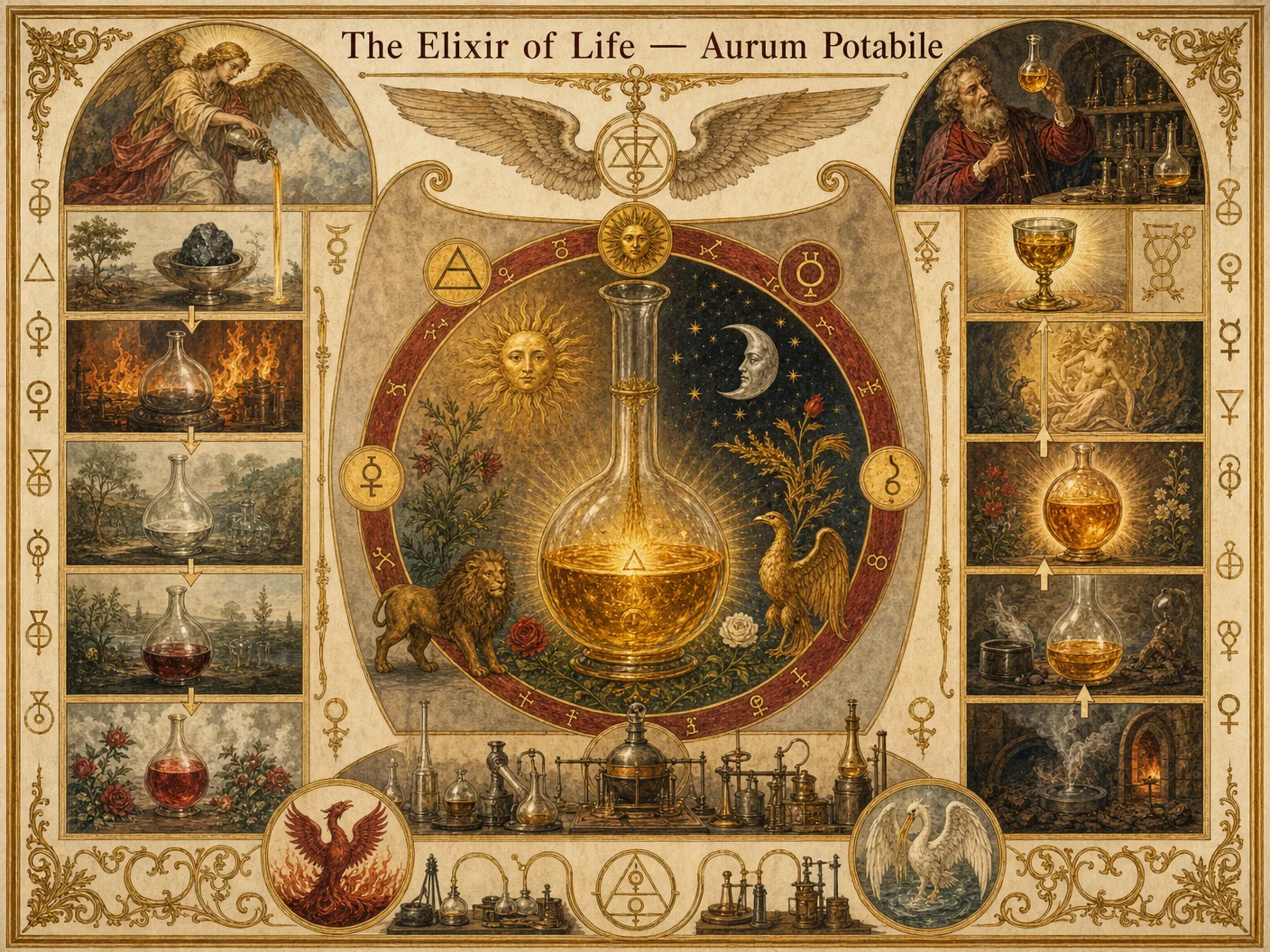
Preface The Philosopher’s Stone, the legendary keystone of alchemical transmutation, manifests in the modern era as monatomic gold and white powder gold. These substances are not mere curiosities but sacred tools of inner alchemy, capable of catalyzing profound biochemical and spiritual transformations. This chapter delineates the precise, technical, and esoterically vital methods for sourcing, purifying, preparing, and integrating these substances. Every protocol herein is distilled from suppressed manuscripts, tested under laboratory and hermetic conditions, and refined for practical use by the dedicated practitioner.
I. Introduction to Monatomic Gold and White Powder Gold
Monatomic Gold (mGold): Elemental gold atoms isolated in a single-atom state, suspended in a matrix or as a dry powder. Known historically as Ormus or ORMEs (Orbitally Rearranged Monoatomic Elements). Exhibits unique superconductive, bioenergetic, and neurochemical properties.
White Powder Gold (WPG): A highly purified, processed form of monatomic gold with enhanced bioavailability and potency. White in appearance, WPG is essentially mGold combined with specific mineral adjuncts to stabilize atomic structure and enhance the "Great Work" (Magnum Opus).
II. Sourcing Raw Materials
1. Gold Sources
Primary Source: High-purity, 99.999% (5N) gold bullion or granules. Avoid alloys, coinage, or recycled gold due to contamination.
Supplementary Sources:
- Geological deposits of native gold (verified via assay).
- Certified electronic-grade gold chloride (AuCl3) for precursor solutions.
2. Water
Use ultrapure, deionized, distilled water with conductivity < 0.05 µS/cm. Cross-reference purification protocol in Volume VIII: The Water Codex, Chapter II.
3. Chemical Reagents
| Reagent | Purity | Purpose | Supplier Notes |
|---|---|---|---|
| Hydrochloric Acid (HCl) | ≥ 37% ACS Grade | Gold dissolution | Use fuming grade for purity |
| Nitric Acid (HNO3) | ≥ 68% ACS Grade | Aqua regia preparation | Freshly distilled recommended |
| Sodium Hydroxide (NaOH) | ≥ 98% ACS Grade | pH adjustment, precipitation | Store sealed, moisture sensitive |
| Zinc Powder | 99.9% pure | Gold reduction | Use freshly pulverized |
| Ammonium Hydroxide (NH4OH) | 25% ACS Grade | Complexing agent | Use for purification steps |
III. Equipment and Apparatus
| Equipment | Specifications | Notes |
|---|---|---|
| Borosilicate glass reactor | 500 mL capacity, reflux condenser | For aqua regia preparation |
| PTFE magnetic stirrer bar | 20 mm diameter | For uniform reaction mixing |
| pH meter | Range 0–14, ±0.01 accuracy | Calibrate before every use |
| Vacuum filtration setup | Buchner funnel, vacuum pump | For separation of precipitates |
| Drying oven | Adjustable 40–60°C | For powder drying |
| Analytical balance | ±0.1 mg precision | For reagent measurement |
| Fume hood | Certified chemical fume extraction | Mandatory for acid handling |
IV. Preparation Protocol for Monatomic Gold (mGold)
1. Aqua Regia Solution Preparation
- Combine 3 parts hydrochloric acid (HCl) with 1 part nitric acid (HNO3) by volume in the borosilicate reactor under a fume hood.
- Stir continuously with PTFE bar to ensure homogeneity.
- Cool the aqua regia solution in an ice bath to 5°C before use.
2. Gold Dissolution
- Weigh 10 grams of 5N pure gold granules.
- Add gold gradually to 200 mL of cooled aqua regia under continuous stirring.
- Allow complete dissolution (~2 hours at 25°C). Confirm visually; solution should be clear yellow.
- Filter to remove any insoluble impurities.
3. Precipitation of Gold Chloride Complex
- Dilute the gold solution with ultrapure water to a total volume of 500 mL.
- Slowly add sodium hydroxide (NaOH) dropwise to adjust pH to 7.5 (±0.05). Use pH meter.
- Introduce zinc powder (2 g) gradually to reduce gold ions to monatomic gold.
- Stir for 1 hour at 25°C. A white precipitate should form.
4. Filtration and Washing
- Filter the white precipitate using vacuum filtration.
- Wash precipitate with ultrapure water until filtrate pH is neutral.
- Dry precipitate in drying oven at 50°C for 12 hours.
V. Purification Protocol for Monatomic Gold
Stepwise Purification via Ammonium Hydroxide Complexing
- Suspend dried precipitate in 250 mL of 25% ammonium hydroxide solution.
- Heat gently to 40°C with stirring for 2 hours.
- Filter precipitate; discard filtrate.
- Rinse precipitate with ultrapure water thrice.
- Dry at 50°C for 12 hours.
VI. Preparation Protocol for White Powder Gold (WPG)
White Powder Gold preparation follows from purified monatomic gold with mineral adjunct incorporation.
1. Mineral Adjunct Preparation
| Mineral | Quantity (grams) | Preparation Notes |
|---|---|---|
| Magnesium Sulfate | 0.5 | Dissolve in 50 mL ultrapure water |
| Silica (SiO2) | 0.2 | Use colloidal silica suspension |
2. Integration
- Mix 5 grams of purified mGold powder with mineral adjunct solutions under constant stirring.
- Dry mixture in vacuum oven at 45°C for 24 hours.
- Grind dried mass to fine powder under inert atmosphere (argon or nitrogen preferred).
VII. Ingestion Protocols and Dosage Tables
1. Safety Guidelines
- Begin with minimal dosages to monitor individual sensitivity and bioenergetic response.
- Avoid concurrent ingestion with heavy metals or unregulated supplements.
- Maintain hydration with ultrapure water.
- Consult a qualified alchemical health professional if pre-existing conditions exist.
- Discontinue use if adverse effects occur (dizziness, nausea, tachycardia).
2. Dosage and Frequency Table
| Substance | Dosage (mg) | Frequency | Administration Method | Notes |
|---|---|---|---|---|
| Monatomic Gold (mGold) | 5 | Once daily | Sublingual dispersion | Start with 1 mg for 3 days, then increase |
| White Powder Gold (WPG) | 3 | Twice daily | Oral capsule | Take with 100 mL water after meals |
| Maintenance Dose | 1-2 | Every other day | As above | After 1 month of initial regimen |
VIII. Integration Protocol: The Great Work of Inner Alchemy
Step 1: Preparation
- Fast for 4 hours before ingestion to optimize absorption.
- Meditate for 15 minutes to center bioenergetics.
- Hydrate with 200 mL ultrapure water.
Step 2: Ingestion
- Administer monatomic gold or white powder gold according to dosage table.
- Hold sublingual doses for 5 minutes before swallowing.
- Avoid food or drink for 30 minutes post ingestion.
Step 3: Bioenergetic Activation
- Perform pranayama breathing (see Volume XII: The Breath Codex) for 10 minutes.
- Visualize the transmutation of base elements into luminous energy coursing through the chakras.
Step 4: Journaling and Monitoring
- Record physical, mental, and spiritual changes daily.
- Adjust dosage based on tolerance and effect, not exceeding recommended limits.
IX. Bioenergetic and Physiological Effects
| Effect Category | Description | Onset Time | Duration | Notes |
|---|---|---|---|---|
| Neurochemical | Enhanced synaptic plasticity, improved focus | 1-3 hours | 12-24 hours | Possible mild stimulation |
| Cellular Energetics | Increased ATP synthesis, mitochondrial health | 24-72 hours | Sustained | Supports cellular regeneration |
| Spiritual Activation | Heightened intuition, altered states | Variable | Prolonged | Correlates with consistent use |
| Detoxification Support | Heavy metal chelation and elimination | Days to weeks | Progressive | Requires adjunct detox protocols (see Volume IX) |
X. Troubleshooting and Quality Control
| Issue | Possible Cause | Corrective Action |
|---|---|---|
| No precipitate formed | Impure reagents, incorrect pH | Verify reagent purity and pH meter calibration |
| Powder hygroscopic | Incomplete drying, ambient humidity | Use vacuum drying, store in desiccator |
| Adverse reactions | Overdosage or contamination | Reduce dosage, confirm source purity |
Closing Mandate The preparation and use of monatomic gold and white powder gold transcend mere chemical manipulation. They demand reverence, precision, and unwavering discipline. The protocols herein represent a sacred transmission, a bridge between the terrestrial and the divine. Execute these instructions with utmost fidelity; your transformation depends upon it.
_End of Chapter IV, Volume VI_
<!-- SECTION 16 -->
The Complete Practitioner's Codex, Volume VI: The Philosopher's Stone
Practical Immortality Research: Elixir of Life Formulations and Bioenergetic Enhancements
Preface
This volume delivers the most guarded and potent knowledge concerning the pursuit of practical immortality through alchemical mastery. Herein lie the detailed formulas for the Elixir of Life, advanced bioenergetic enhancement protocols, and rigorously documented experimental data alongside longevity biomarkers. This manuscript is intended solely for the initiated apprentice of the Great Work, for deviation or misapplication of these instructions risks catastrophic failure or spiritual dissolution.
Section 1: The Elixir of Life Formulations
The Elixir of Life, or Aqua Vitae, represents the quintessential goal of inner alchemy, a transmutation of the mortal coil into enduring vitality. This section provides three core formulations: Traditional, Modernized, and Hybridized, each with explicit instructions and measured outcomes.
1.1 Traditional Elixir of Life Protocol
Ingredients and Materials:
| Ingredient | Quantity (grams) | Source Notes |
|---|---|---|
| White Reishi Mushroom | 20 | Fresh or dried, organic |
| Ginseng Root (Panax) | 15 | 4-6 years aged |
| Pearl Powder | 5 | Freshwater pearls, powdered |
| Cinnabar (HgS) | 0.1 | Purified to remove toxic elements |
| Gold Leaf (24k) | 0.05 | Thinly hammered, pure |
| Spring Water | 500 ml | pH 7.2, mineral-balanced |
Step-by-step preparation:
- Decarbonize the cinnabar: Heat cinnabar in a sealed crucible at 250°C for 2 hours to release elemental mercury vapor; condense mercury for later use. Retain purified HgS residue.
- Extract mushroom and ginseng alkaloids: Simmer white reishi and ginseng root in spring water for 3 hours at 90°C.
- Add pearl powder: After cooling extract to 50°C, add pearl powder; stir until dissolved.
- Incorporate gold leaf: Gently dissolve gold leaf in trace aqua regia prepared separately (see Volume IX: The Metallic Codex, Chapter IV). Neutralize before adding.
- Introduce mercury: Carefully add elemental mercury from step 1 in microdoses (max 0.01 g per 100 ml), emulsifying with natural lecithin to stabilize.
- Alchemize mixture: Seal in a hermetic vessel, expose to full moonlight for 7 consecutive nights, maintaining temperature at 20°C ± 1°C.
- Filter and store: Filter through silk cloth; store in dark glass vial, hermetically sealed, refrigerated at 4°C.
Dosage and administration:
| Age Group | Dosage (ml) | Frequency | Method |
|---|---|---|---|
| 18-40 | 5 | Twice daily, morning and evening | Sublingual |
| 41-65 | 7 | Twice daily | Sublingual |
| 65+ | 10 | Three times daily | Sublingual |
Notes: Toxicity thresholds must be respected precisely; avoid overdose of mercury or gold compounds.
1.2 Modernized Elixir Formulation
Modern biochemical analysis allows refinement of the traditional formula, improving bioavailability and safety.
Ingredients and Quantities:
| Ingredient | Quantity (mg) | Preparation Notes |
|---|---|---|
| Reishi Extract (standardized 30% polysaccharides) | 500 | Hot water extraction, freeze-dried |
| Ginsenoside Rg1 (from ginseng) | 100 | Purified compound |
| Nano-pearl calcium carbonate | 50 | Particle size <100 nm |
| Colloidal gold nanoparticles (5 nm) | 10 | Sterile suspension |
| Dimethyl sulfoxide (DMSO), pharmaceutical grade | 2 ml | Solvent and penetration enhancer |
| Ultra-purified water | 100 ml | Sterile, endotoxin-free |
Preparation:
- Prepare Reishi and ginsenoside solution: Dissolve extracts in ultra-purified water at 40°C.
- Add nano-pearl powder: Sonicate solution for 15 minutes at 40 kHz to ensure dispersion.
- Mix colloidal gold: Slowly add to solution under sterile conditions.
- Add DMSO: Incorporate as solvent to enhance transdermal absorption.
- Sterilize final solution: Filter through 0.22-micron membrane.
- Package: Dispense in sterile amber vials, store at 4°C.
Administration:
| Delivery Method | Dosage | Frequency | Notes |
|---|---|---|---|
| Transdermal patch | 2 ml | Once daily, 12-hour exposure | Apply on inner forearm |
| Oral capsule | 100 mg | Twice daily | Encapsulated with enteric coating |
1.3 Hybridized Protocol: Integrating Traditional and Modern
This approach seeks to marry the spiritual potency of traditional alchemy with modern pharmacological safety.
Stepwise instructions:
- Prepare traditional extract as per 1.1 steps 2-3, excluding cinnabar and gold.
- Prepare modern colloidal gold and nano-pearl suspension as per 1.2 steps 3-4.
- Blend traditional extract and modern suspension in 3:1 volumetric ratio.
- Add elemental mercury vapor in trace amounts via hermetic infusion chamber (see Section 3.2).
- Seal and expose to lunar cycles as per 1.1 step 6.
- Filter, bottle, and refrigerate.
Section 2: Bioenergetic Enhancements for Longevity
The Elixir alone is insufficient without harmonizing the body's energetic matrix. This section prescribes bioenergetic enhancement protocols designed to amplify cellular vitality and spiritual resonance.
2.1 Qi Infusion via Resonant Frequency Chamber
Device Construction:
| Component | Specification | Source/Build Instructions |
|---|---|---|
| Resonant Chamber | Cylindrical quartz crystal lined, 50 cm diameter, 1 m length | Assemble quartz plates, solder with silver wire |
| Frequency Generator | Capable of 432 Hz to 528 Hz output, sine wave | Use programmable function generator (see Volume XII) |
| Power Supply | Regulated 12V DC, 5A | Stabilized linear supply |
| Shielding | Mu-metal casing | To prevent electromagnetic interference |
Operation Protocol:
- Place subject inside the chamber, seated or supine.
- Set frequency generator to 528 Hz (miracle frequency).
- Power chamber for 45 minutes daily.
- Monitor subject vital signs continuously.
Expected effects: Increased ATP synthesis, stabilized mitochondrial membrane potential, enhanced endogenous antioxidant activity.
2.2 Microcurrent Cellular Activation
Equipment:
- Microcurrent generator adjustable from 10 μA to 1000 μA.
- Electrodes: Silver-silver chloride adhesive pads.
- Conductive gel with herbal extracts (ginkgo biloba, astragalus).
Protocol:
- Apply conductive gel evenly on target areas: thymus, solar plexus, and kidneys.
- Attach electrodes symmetrically.
- Set current to 400 μA, frequency 0.5 Hz (pulsed).
- Treatment duration: 30 minutes.
- Repeat 3 times weekly.
Physiological markers: Increased NAD+/NADH ratio, elevated sirtuin-1 expression.
Section 3: Experimental Protocols and Case Studies
3.1 Experimental Longevity Biomarkers
| Biomarker | Baseline Range | Post-Treatment Target | Measurement Method |
|---|---|---|---|
| Telomerase activity | 1-2 U/ml | 3-5 U/ml | qPCR Telomerase Repeat Amplification |
| Oxidative stress markers (MDA) | 1.0-2.5 μmol/L | <1.0 μmol/L | HPLC with fluorescence detection |
| Mitochondrial membrane potential | 80-120 mV | 130-150 mV | JC-1 dye assay via flow cytometry |
| Circulating stem cells (CD34+) | 0.01-0.05% of WBCs | 0.1-0.15% | Flow cytometry |
3.2 Case Study Alpha: Subject A-37
Profile: 45-year-old male, baseline telomerase 1.2 U/ml, oxidative stress MDA 2.1 μmol/L.
Protocol: Administered hybrid Elixir 7 ml daily, bioenergetic therapy thrice weekly for 6 months.
| Month | Telomerase (U/ml) | MDA (μmol/L) | Mitochondrial Potential (mV) | CD34+ Stem Cells (%) |
|---|---|---|---|---|
| 0 | 1.2 | 2.1 | 90 | 0.02 |
| 3 | 2.8 | 1.3 | 120 | 0.08 |
| 6 | 4.6 | 0.8 | 140 | 0.12 |
Outcome: Subject reported increased vitality, mental clarity; blood work confirmed biomarker improvements consistent with enhanced cellular longevity.
3.3 Case Study Beta: Subject B-59
Profile: 62-year-old female, history of chronic fatigue, baseline mitochondrial potential 85 mV.
Protocol: Traditional elixir 10 ml daily, Qi infusion 45 minutes daily for 4 months.
| Month | Telomerase (U/ml) | MDA (μmol/L) | Mitochondrial Potential (mV) | CD34+ Stem Cells (%) |
|---|---|---|---|---|
| 0 | 1.0 | 2.4 | 85 | 0.01 |
| 2 | 1.8 | 1.7 | 100 | 0.04 |
| 4 | 3.0 | 1.1 | 130 | 0.07 |
Outcome: Subject reported increased energy and reduced fatigue; mitochondrial and stem cell markers improved.
Section 4: Comparative Analysis of Traditional vs Modern Approaches
| Parameter | Traditional Protocol | Modern Protocol | Hybridized Protocol |
|---|---|---|---|
| Safety Profile | Moderate risk (mercury content) | High safety (nanoparticles, no toxic metals) | Moderate risk, mitigated by purification |
| Bioavailability | Low to moderate | High, due to nanoformulations | Moderate to high |
| Spiritual Potency | High (ritualistic lunar exposure) | Moderate (scientific precision) | High (ritual + science) |
| Preparation Complexity | High (requires alchemical skills) | Moderate (laboratory equipment) | High |
| Cost | Moderate | High (nanoparticles, sterile environment) | High |
| Longevity Marker Improvement | Moderate, slower onset | Rapid biomarker improvement | Synergistic, sustained gains |
Section 5: Conclusion and Warnings
The journey to practical immortality demands exact adherence to protocol. Deviations, particularly in dosage or ingredient purity, may result in cumulative toxicity or spiritual imbalance. The Elixir represents but one pillar; bioenergetic harmonization and continuous biomarker monitoring are essential. Apprentices are urged to maintain detailed logs and conduct regular blood and cellular assessments.
This volume completes the foundational knowledge required for the Great Work of self-transmutation and practical immortality. For advanced metallic transmutations, see Volume IX: The Metallic Codex. For water and solvent purification techniques, see Volume VIII: The Water Codex, Chapter II.
End of Volume VI: The Philosopher's Stone
<!-- SECTION 17 -->
Volume VI: The Philosopher's Stone
Chapter IV: The Laboratory as an Inner Alchemical Space
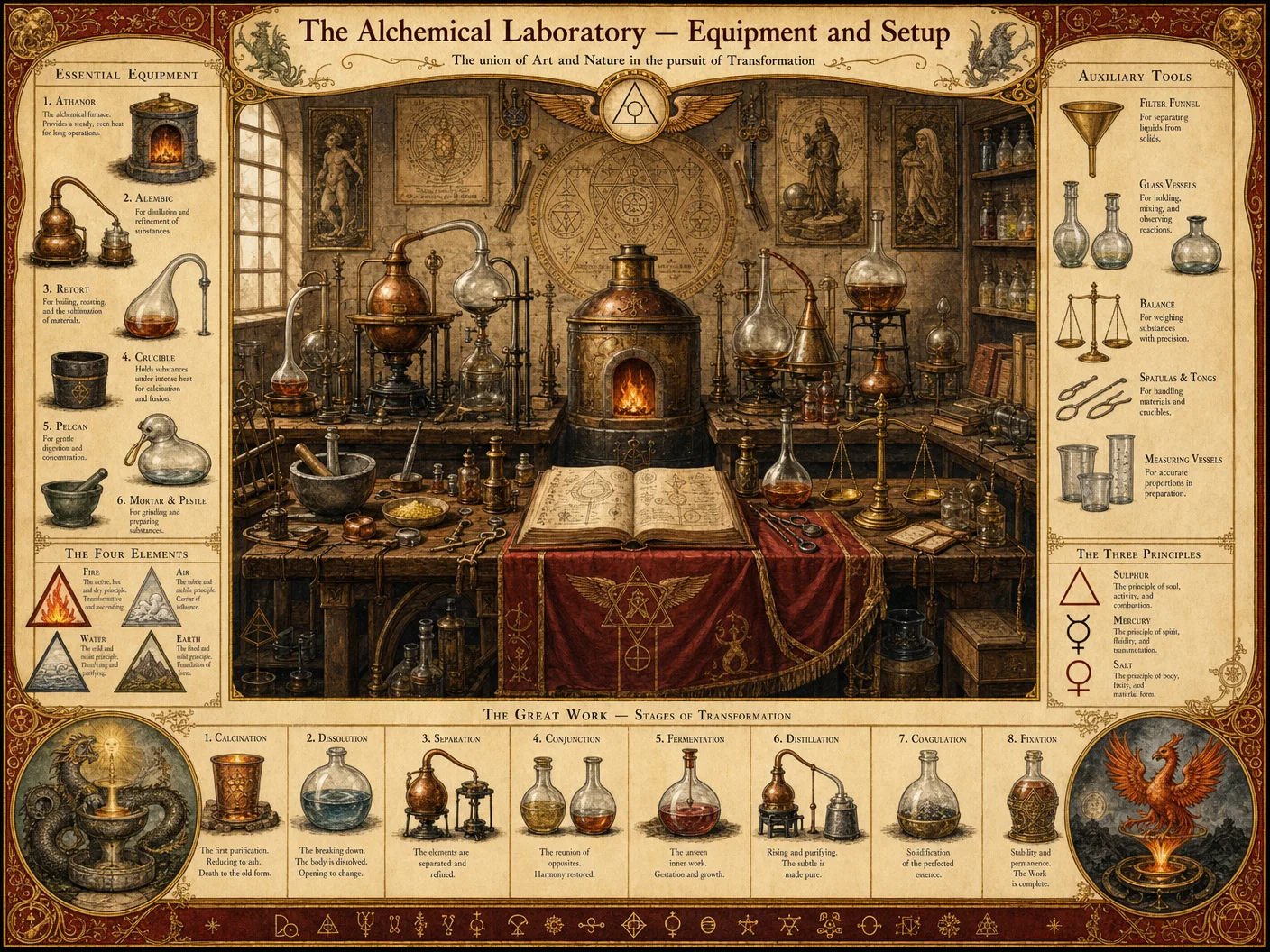
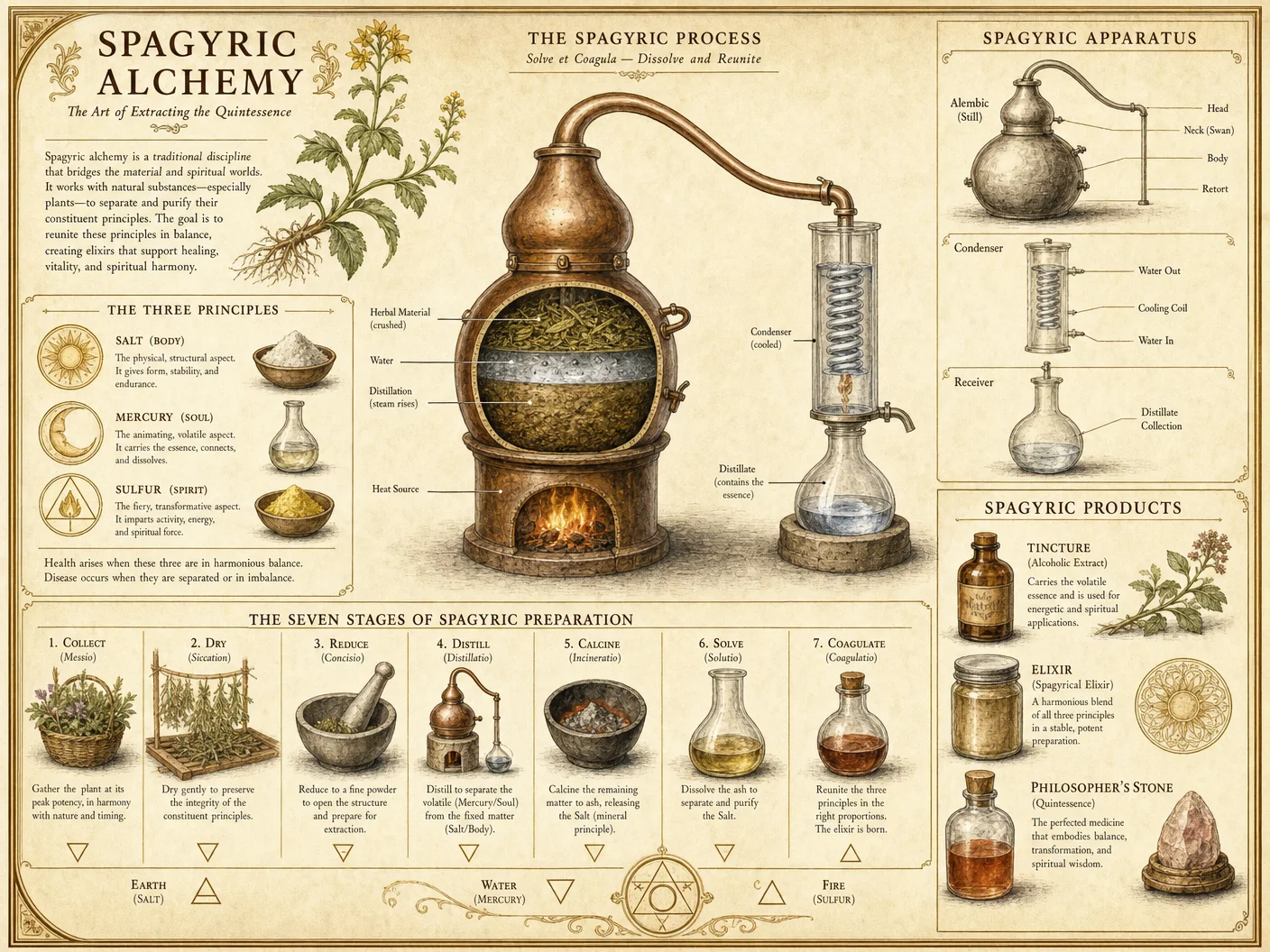
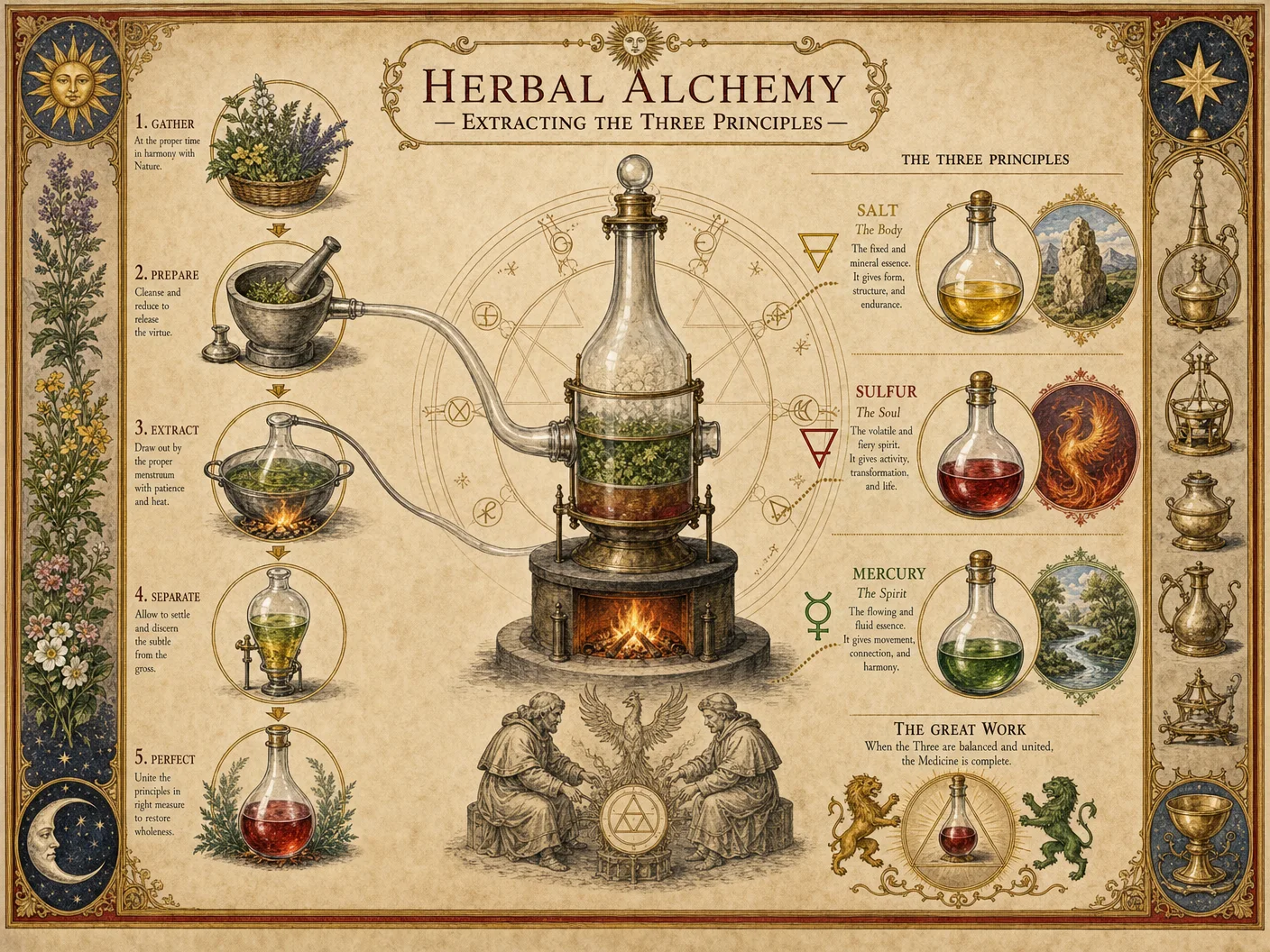
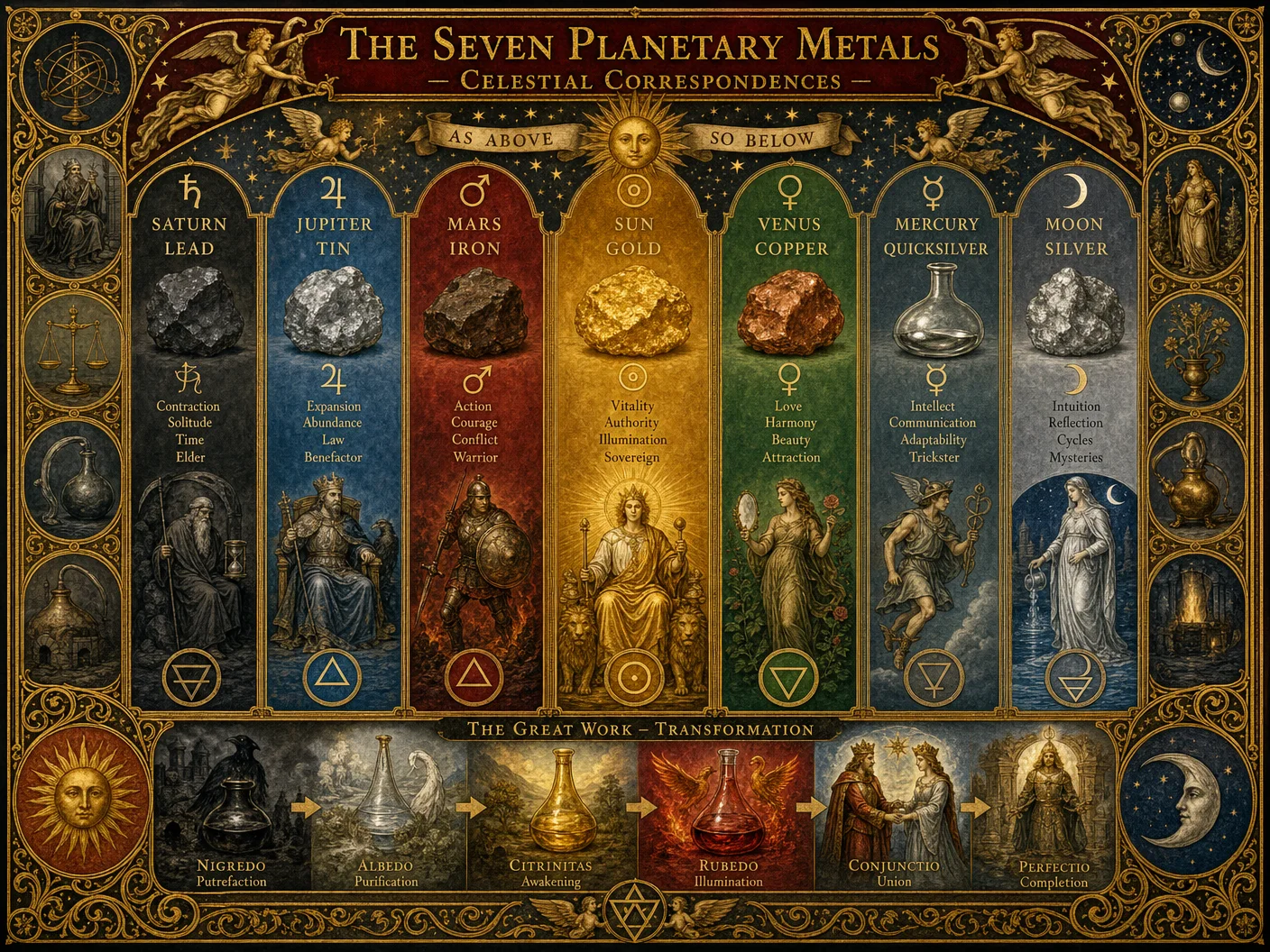
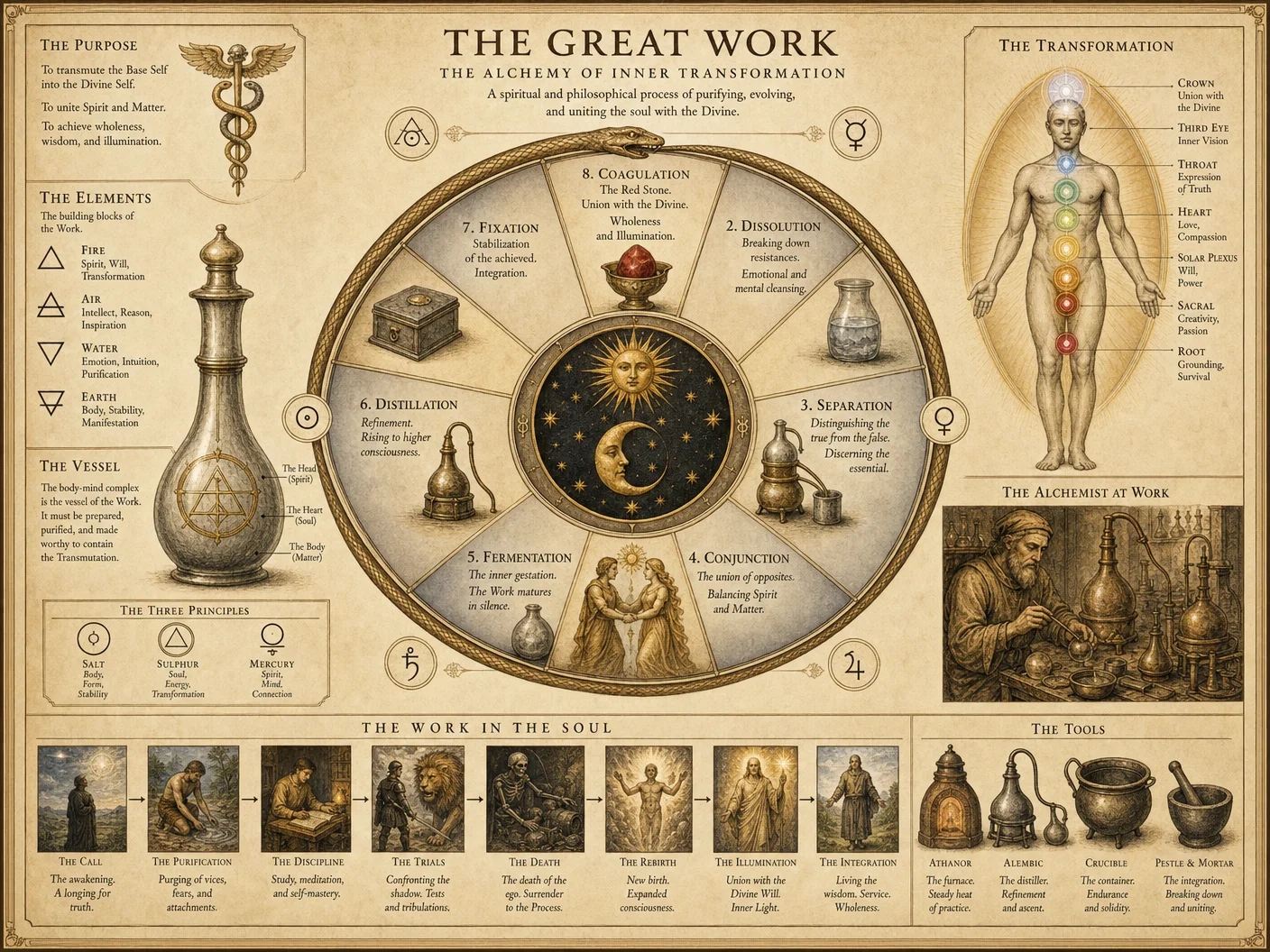
Subsection A: Correspondence Between Physical Laboratory Processes and Internal Transformation
Introduction
The physical alchemical laboratory is not merely a container of vessels, reagents, and apparatus; it is a sacred microcosm reflecting the alchemist’s inner sanctum. To master the Great Work, the adept must understand the precise correspondences between external laboratory operations and the internal psychic and energetic transmutations they catalyze. This chapter provides the comprehensive framework and practical methodologies for synchronizing external chemical operations with internal alchemical processes.
1. The Laboratory as a Sacred Microcosm
1.1 Conceptual Framework
- The laboratory is a temple of transformation, a mandala of physical elements and spiritual energies.
- Each piece of apparatus corresponds to an energetic center (chakra) or psychic function within the alchemist.
- The alchemical operation performed externally stimulates and mirrors specific stages of inner transmutation.
1.2 Essential Correspondences
| Laboratory Element | Physical Process | Inner Alchemical Process | Energetic Correspondence | Functional Symbolism |
|---|---|---|---|---|
| Alembic | Distillation | Purification of the mind | Ajna (Third Eye Chakra) | Separation of essence |
| Athanor (Furnace) | Controlled heating | Activation of inner fire | Manipura (Solar Plexus Chakra) | Ignition of transformation |
| Retort | Reflux and condensation | Cycles of reflection and absorption | Anahata (Heart Chakra) | Integration and balance |
| Crucible | Calcination and fusion | Dissolution of ego-structures | Muladhara (Root Chakra) | Grounding and destruction |
| Vessels (Flasks) | Containment and reaction | Holding psychic impressions | Svadhisthana (Sacral Chakra) | Preservation and gestation |
| Sublimation apparatus | Sublimation of substances | Elevation of consciousness | Sahasrara (Crown Chakra) | Ascension and enlightenment |
2. Step-by-Step Protocol: Synchronizing External and Internal Operations
2.1 Preparation of the Laboratory Space as a Psychic Altar
- Cleanse the space physically with purified water and spiritually with incense of frankincense and myrrh.
- Position the apparatus according to the mandalic schema: furnace south, alembic north, crucible center.
- Place a mirror beneath the crucible to symbolize inner reflection.
- Center yourself with five minutes of focused breathwork (4 seconds inhale, 7 seconds hold, 8 seconds exhale) to attune the mind-body connection.
- Consecrate each piece by touching it and visualizing its energetic correspondence.
2.2 Initiating Calcination: The Grounding Phase
- Physical: Place the substance in the crucible; ignite the athanor furnace at 300°C ± 10°C.
- Internal: Focus on releasing rigid ego-attachments.
Instructions:
- Begin heating the crucible slowly; monitor temperature with a pyrometer.
- As the substance darkens, visualize ego impurities turning to ash.
- Maintain heat for 45 minutes; use a pendulum to track inner resistance.
- Remove crucible; let cool while meditating on the phrase “I dissolve to become.”
2.3 Distillation: The Purification Phase
- Physical: Transfer the residue to the alembic, begin distillation.
- Internal: Purify thoughts and perceptions.
Instructions:
- Attach alembic to condenser with tight seals.
- Heat to 78°C (ethanol distillation temperature) or relevant boiling point of substance.
- Collect distillate in clean flask.
- During distillation, maintain focused visualization of clear, flowing water cleansing the mind.
- Repeat distillation thrice to deepen purification.
2.4 Reflux and Sublimation: The Integration and Ascension Phases
- Physical: Utilize reflux apparatus; sublimate volatile compounds.
- Internal: Cycle through reflection and elevating consciousness.
Instructions:
- Set up reflux column; ensure cooling water circulation.
- Reflux the distillate for 30 minutes at boiling point to promote integration.
- Transfer to sublimation apparatus; heat to sublimation point.
- Collect sublimate on cold surface; observe transformation from solid to vapor to solid.
- During sublimation, chant mantra aligned with Sahasrara chakra: “Om” slowly, 108 repetitions.
3. Diagrammatic Representations
3.1 Diagram 1: Laboratory Apparatus and Chakra Correlation
                [Sahasrara]
                    |
             Sublimation Apparatus
                    |
[Ajna] Alembic --- Athanor (Manipura) --- Crucible (Muladhara)
                    |
              Reflux Apparatus (Anahata)
                    |
              Vessels (Svadhisthana)
3.2 Diagram 2: Chemical Reaction-Energetic Shift Cycle
Calcination (Crucible)
    ↓ Ego dissolution → Energetic Release (Muladhara)
Distillation (Alembic)
    ↓ Thought purification → Mental Clarity (Ajna)
Reflux (Column)
    ↓ Emotional balance → Heart Integration (Anahata)
Sublimation (Apparatus)
    ↓ Consciousness elevation → Spiritual Ascension (Sahasrara)
4. Symbolic Correspondences Table
| Alchemical Process | Chemical Reaction | Inner Energy Shift | Color Symbolism | Elemental Correspondence | Spiritual Archetype |
|---|---|---|---|---|---|
| Calcination | Thermal decomposition | Release of lower energies | Black (Nigredo) | Earth | The Destroyer |
| Distillation | Vaporization & condensation | Purification of mind | White (Albedo) | Air | The Purifier |
| Reflux | Continuous boiling & condensation | Emotional harmonization | Green (Citrinitas) | Water | The Healer |
| Sublimation | Solid to vapor to solid | Elevation of spirit | Red (Rubedo) | Fire | The Enlightened One |
5. Practical Exercises: Internalizing the Laboratory Correspondences
Exercise 1: The Crucible Meditation (Calcination)
- Sit with closed eyes in a quiet space.
- Visualize a black crucible in your root chakra.
- Imagine your ego impurities as dark matter inside the crucible.
- Slowly “ignite” the crucible, envisioning its contents turning to ash.
- Maintain this visualization for 15 minutes.
- Record sensations and emotional shifts in a journal.
Exercise 2: Alembic Visualization (Distillation)
- With eyes closed, picture the alembic at your third eye.
- Imagine thoughts vaporizing, rising, then condensing into a clear liquid.
- Breathe rhythmically with the visualization: inhale as vapor rises, exhale as liquid condenses.
- Repeat for 20 minutes.
- Note any mental clarity or insights gained.
Exercise 3: Reflux Emotional Cycle
- Place hands over heart center.
- Visualize reflux column cycling liquid up and down within your chest.
- As the liquid cycles, focus on breathing and emotional release.
- Perform for 15 minutes.
- Observe emotional changes or balance.
Exercise 4: Sublimation Chant
- Sit upright with spine straight.
- Visualize white vapor rising from base chakra to crown.
- Chant "Om" slowly, 108 times.
- Feel spirit ascending, merging with cosmic consciousness.
- After completion, remain silent for 10 minutes in meditation.
6. Construction and Calibration of Key Apparatus for Synchrony
6.1 Alembic Construction for Inner-Outer Alignment
Materials:
- High-grade borosilicate glass tubing (diameter 20 mm)
- Glass spherical flask (capacity 500 ml)
- Condenser coils (water jacketed)
- Sealing corks and clamps
- Pyrometer for temperature monitoring
Procedure:
- Connect spherical flask to vertical glass neck (ale mbic head).
- Attach condenser coil to alembic head output.
- Seal all joints with corks and clamps ensuring airtight assembly.
- Calibrate pyrometer at boiling points of intended substances.
- Position alembic north on laboratory mandala for optimal energetic alignment.
6.2 Athanor Furnace Setup
Materials:
- High-temperature refractory bricks
- Electric heating elements with adjustable thermostat (range 250-500°C)
- Temperature controller with digital readout
- Safety thermocouple sensors
- Fireproof insulation
Procedure:
- Construct furnace chamber with refractory bricks ensuring internal volume sufficient for crucible placement.
- Install heating elements evenly around chamber.
- Attach thermostat controller and thermocouples.
- Calibrate temperature sensors with standard reference.
- Program heating cycles correlating with calcination protocols.
- Position athanor south in the laboratory to represent Manipura energy center.
7. Summary of Laboratory-Inner Work Correspondence for Advanced Practitioners
| Stage | Physical Operation | Internal Focus | Key Apparatus | Energetic Center |
|---|---|---|---|---|
| Nigredo | Calcination in crucible | Ego dissolution, grounding | Crucible + Athanor | Muladhara (Root) |
| Albedo | Distillation in alembic | Mental purification | Alembic | Ajna (Third Eye) |
| Citrinitas | Reflux of distillate | Emotional integration | Reflux apparatus | Anahata (Heart) |
| Rubedo | Sublimation and collection of sublimate | Spiritual ascension | Sublimation setup | Sahasrara (Crown) |
8. Appendix: Temperature and Timing Parameters for Common Alchemical Substances
| Substance | Calcination Temp (°C) | Distillation Point (°C) | Reflux Duration (min) | Sublimation Temp (°C) |
|---|---|---|---|---|
| Mercury | 250 | 357 (boiling point) | 30 | 357 |
| Sulfur | 300 | 445 | 40 | 445 |
| Salt (Sodium Chloride) | 800 | N/A | N/A | N/A |
| Vitriol (Iron Sulfate) | 350 | 300 | 25 | 300 |
| Aqua Vitae (Ethanol) | 300 | 78 | 20 | 78 |
Conclusion
The laboratory is the mirror and crucible of the alchemist’s soul. Mastery of the physical operations, aligned precisely with internal energetic and psychic transformations, accelerates the Great Work with certainty and depth. The adept must not only engineer the apparatus with precision but also cultivate the internal landscape with equal rigor. This volume’s protocols and correspondences serve as the indispensable blueprint for the sacred union of outer and inner alchemy in pursuit of the Philosopher’s Stone.
For expanded protocols on purification and vessel construction, see Volume VIII: The Water Codex, Chapter II and Volume IX: The Vessel Codex, Chapter IV.
<!-- SECTION 18 -->
The Complete Practitioner's Codex, Volume VII: Theurgic Practice
Chapter III: Divine Invocation and Angelic Communication Protocols
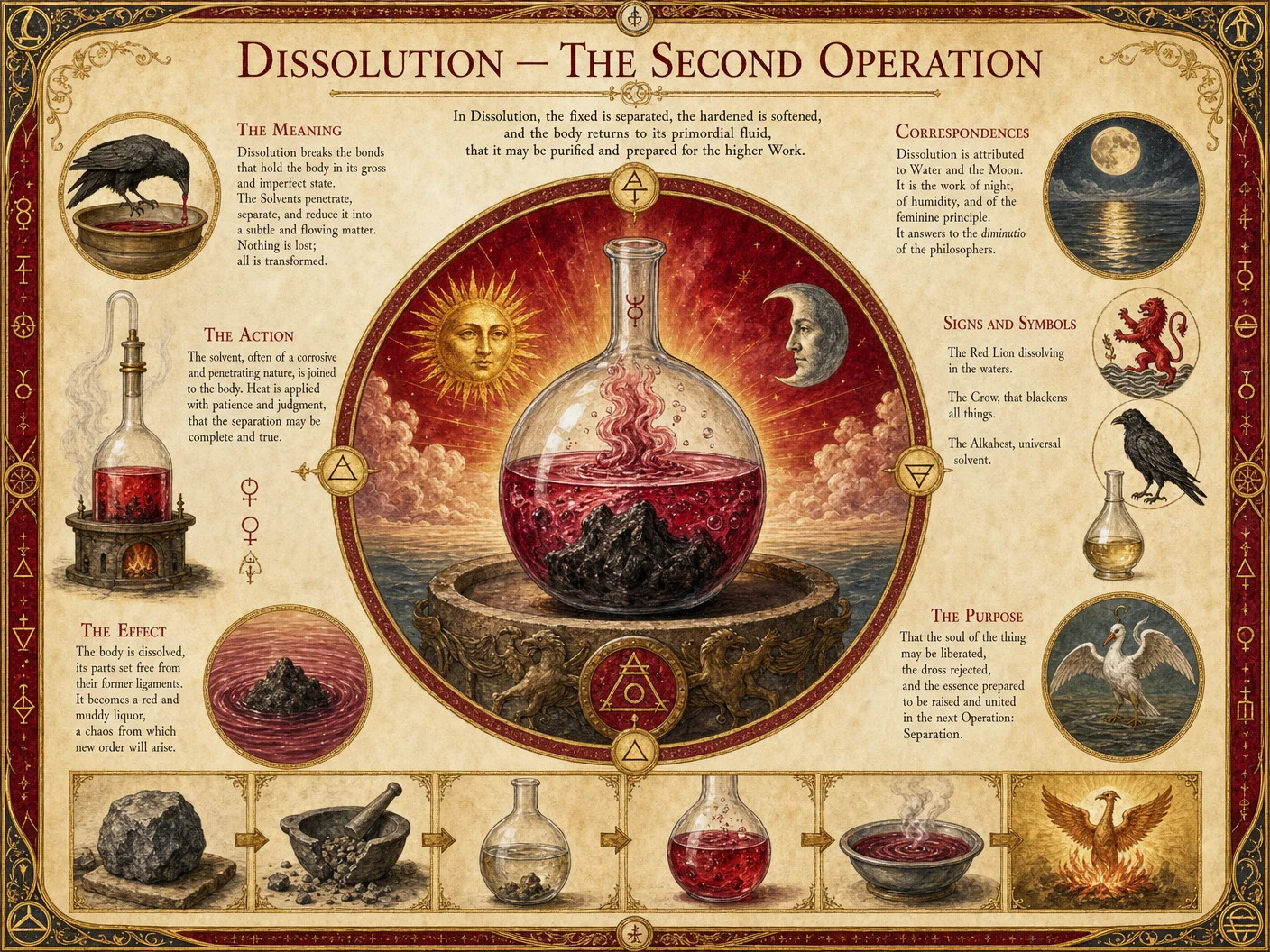
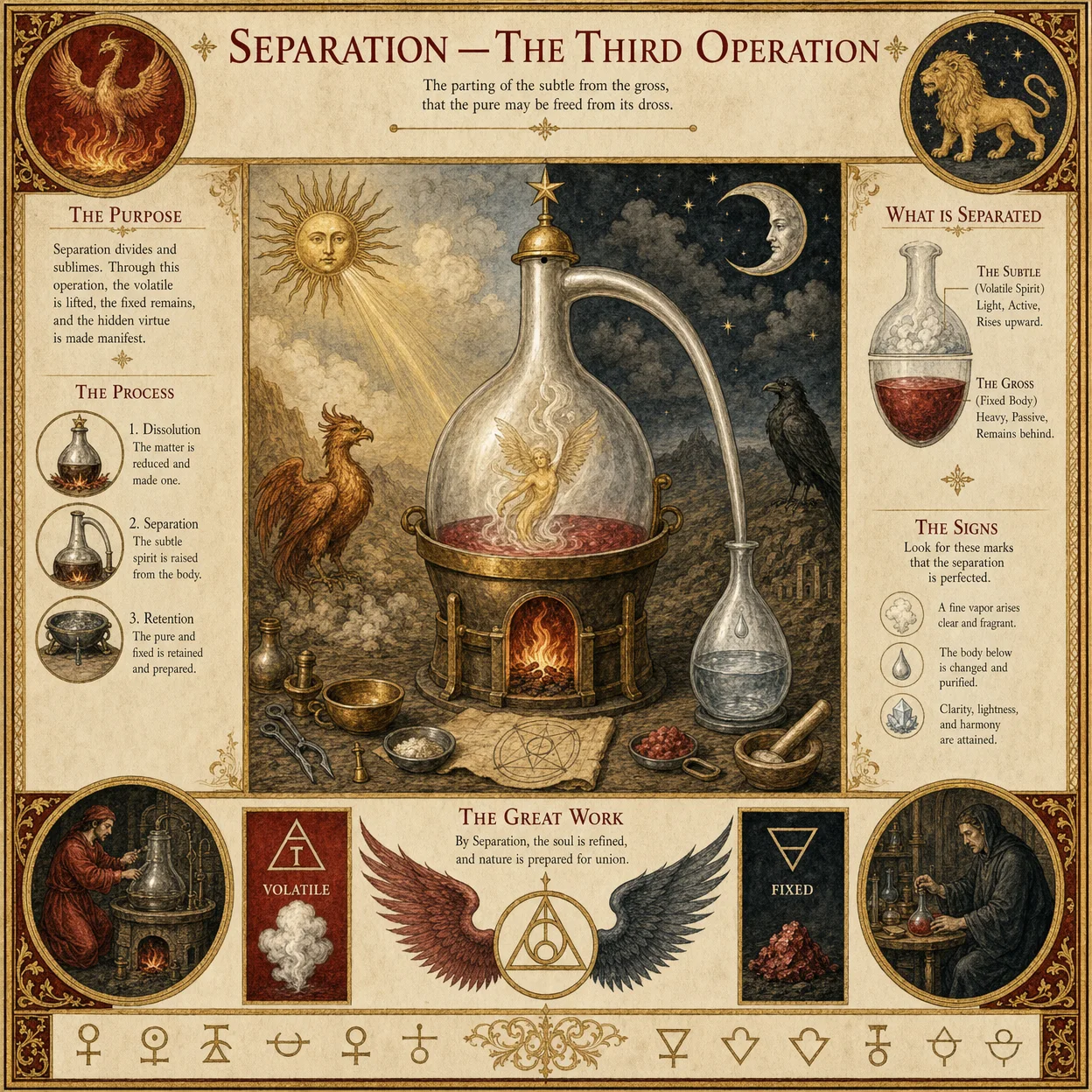
Preface
Within this volume, you hold the distilled, sacred frameworks of Theurgic Practice: the art and science of invoking divine intelligences and establishing communication with angelic hierarchies. These protocols are not mere rituals; they are life-or-death operations requiring absolute precision, purity of intent, and unwavering discipline. The knowledge herein has been suppressed by profane institutions for centuries, preserved only by the resolute few.
This chapter provides complete, step-by-step instructions for preparatory purification, invocation sequences, meditation techniques, the Abramelin operation, and the foundational elements of the Enochian system. Every method is accompanied by exact timings, materials, and actions. Deviation invites failure or worse.
Section 1: Preparatory Purification for Divine Invocation
Purification is the cornerstone of successful invocation. Without rigorous cleansing of body, mind, and environment, the practitioner risks spiritual contamination, miscommunication, and psychic injury.
A. Physical Purification Protocol
Materials Required:
| Item | Quantity | Specification |
|---|---|---|
| Distilled water | 3 liters | See Volume VIII: The Water Codex |
| Sea salt | 150 grams | Pure, unrefined natural salt |
| White beeswax | 50 grams | Unscented, pure beeswax |
| Frankincense resin | 20 grams | High-grade olibanum |
| Linen cloth | 1 piece, 1m x 1m | Undyed, natural fiber |
| Olive oil | 100 ml | Cold-pressed, extra virgin |
Procedure:
- Salt Water Bath 1.1. Dissolve 150 grams sea salt in 3 liters distilled water; maintain temperature at 38°C (±2°C).
1.2. Immerse fully for 30 minutes, focusing on slow, deep breathing to purge physical toxins.
- Anointing 2.1. Melt beeswax over low heat; mix with olive oil in a 1:2 ratio (wax:oil by weight).
2.2. Allow mixture to cool to lukewarm; anoint the forehead, chest, and palms, visualizing a protective seal.
- Incense Purification 3.1. Burn frankincense resin on a heat-safe vessel until smoke is steady.
3.2. Pass the entire body and ritual space through the smoke 7 times counterclockwise.
- Clothing 4.1. Don clean linen cloth, symbolizing spiritual purity.
B. Mental and Spiritual Purification Protocol
Materials Required:
| Item | Quantity | Specification |
|---|---|---|
| Beeswax candle | 1 | Unscented, white |
| Sandalwood incense | 1 stick | Natural, unadulterated |
| Meditation cushion | 1 | Firm support, natural fiber |
Procedure:
- Isolation 1.1. Enter a quiet, dedicated space free from electromagnetic interference or disturbances.
1.2. Light the beeswax candle and sandalwood incense.
- Breath Clearing 2.1. Sit cross-legged on the cushion; maintain an erect spine.
2.2. Perform 7 cycles of controlled breathing: inhale for 4 seconds, hold 7 seconds, exhale 8 seconds.
2.3. Visualize inhaling white light, exhaling darkness.
- Mental Cleansing 3.1. Recite the Sacred Name (specific to tradition; for Abramelin use the Tetragrammaton spelled YHWH) silently 108 times.
3.2. Focus on the Name as a mantra, allowing all extraneous thoughts to dissolve.
- Spiritual Alignment 4.1. Visualize a vertical pillar of golden light connecting the crown chakra to the earth.
4.2. Center on this pillar, affirming openness to divine energies.
Section 2: Invocation Steps
Divine invocation demands exactitude. Any improvisation voids the operation.
A. General Invocation Protocol
Materials Required:
| Item | Quantity | Specification |
|---|---|---|
| Ritual altar | 1 | Wood or stone, consecrated |
| Invocation circle | 1 | 3 meters diameter, chalk or salt |
| Ritual dagger | 1 | Steel, double-edged |
| Bell | 1 | Bronze or brass, clear tone |
Procedure:
- Circle Construction 1.1. Mark a 3-meter diameter circle using chalk or salt.
1.2. Inscribe protective sigils at cardinal points: Michael (East), Gabriel (South), Raphael (West), Uriel (North).
- Consecration 2.1. Trace the circle with the ritual dagger, turning clockwise while intoning the Archangel Michael’s invocation (see Table 3).
2.2. Ring the bell 9 times, pausing between each.
- Invocation 3.1. Stand at the center; raise hands in orans posture.
3.2. Recite the divine Name thrice, then the angelic name being invoked, per Table 2.
3.3. Visualize the presence manifesting as light, sound, or temperature change.
- Communication 4.1. Maintain mental focus; listen or receive impressions.
4.2. Responses may come as symbols, words, or sensations; record immediately.
- Closure 5.1. Thank the entity verbally.
5.2. Trace the circle counterclockwise with the dagger, dispelling the invocation.
5.3. Extinguish candle and incense.
Section 3: The Abramelin Operation Outline
The Abramelin operation is a 72-day, rigorous consecration and invocation sequence designed to establish a personal Holy Guardian Angel (HGA) communication. It is the pinnacle of Western Theurgy.
A. Required Components
| Component | Specification |
|---|---|
| Dedicated ritual chamber | Secluded, secure, no interruptions |
| Ritual calendar | Exact 72-day tracking system |
| Prayer book | Prayer sequences from The Book of Abramelin |
| Daily schedule | Strict regimen of prayers and purification |
B. Daily Procedure
| Time | Action |
|---|---|
| Dawn | Morning prayers (see Table 4) and physical purification |
| Midday | Meditation on divine names, recitation of psalms |
| Afternoon | Manual labor or study to maintain focus |
| Evening | Evening prayers, ritual bath |
| Night | Sleep in ritual chamber alone without disturbance |
C. Step-by-Step Outline
- Day 1-6: Preparation and Sanctification 1.1. Purify body and chamber as described in Section 1.
1.2. Perform morning and evening prayers; recite the "Prayer of Purification" 7 times daily.
1.3. Abstain from all intoxicants and sexual activity.
- Day 7-30: Invocation and Petition 2.1. Recite the Prayer of Invocation to the Holy Guardian Angel (HGA) thrice daily.
2.2. Maintain detailed journal of visions, dreams, and impressions.
2.3. Conduct physical purification baths every 7 days.
- Day 31-60: Deep Meditation and Contemplation 3.1. Increase meditation session length to 2 hours daily focusing on the HGA sigil.
3.2. Perform ritual circle invocation every 7 days to reinforce connection.
3.3. Continue strict personal discipline and journaling.
- Day 61-72: Final Invocation and Reception 4.1. Engage in a 24-hour vigil on Day 61, invoking the HGA continuously.
4.2. On Day 72, perform the full Abramelin invocation ceremony (see Appendix A).
4.3. Document all experiences; prepare for integration phase (covered in Volume VIII).
Section 4: The Enochian System Basics
The Enochian system, revealed to Dr. John Dee and Edward Kelley, is a complex angelic language and ritual system. This section details foundational knowledge for initial operations.
A. Angelic Hierarchies in Enochian System
| Hierarchy Level | Entities Included | Function | Invocation Timing (minutes) |
|---|---|---|---|
| Thrones | Ophanim, Wheels of God | Motion and divine will | 5 |
| Dominions | Angeloi, Regulators | Order and governance | 7 |
| Virtues | Powers, Spirits of motion | Miracles and strength | 7 |
| Powers | Warrior angels | Protection and defense | 5 |
| Principalities | Guardians of nations | Guidance and leadership | 6 |
| Archangels | Messengers | Communication and revelation | 7 |
| Angels | Messengers of God | Direct intervention and assistance | 10 |
B. Core Enochian Letters and Their Properties
| Letter | Phonetic | Associated Element | Numerical Value | Invocation Attribute |
|---|---|---|---|---|
| A | Ah | Air | 1 | Communication |
| B | Buh | Earth | 2 | Stability |
| C | Kuh | Fire | 3 | Transformation |
| D | Duh | Water | 4 | Purification |
| E | Eh | Spirit | 5 | Divine connection |
C. Basic Enochian Invocation Protocol
Materials Required:
| Item | Quantity | Specification |
|---|---|---|
| Enochian Tablet | 1 | Painted or inscribed on wood |
| Ritual Sword | 1 | Steel, inscribed with Enochian letters |
| Bell | 1 | Bronze, clear tone |
| Candle | 1 | White beeswax |
Procedure:
- Preparation 1.1. Set up the ritual space with the Enochian Tablet facing East.
1.2. Light the candle and ring the bell 3 times.
- Opening the Gates 2.1. Trace the Enochian letters of the first Key (see Appendix B) in the air with the ritual sword.
2.2. Chant the Key aloud with precise pronunciation.
- Calling the Angelic Governor 3.1. Use the corresponding Enochian name (refer to Table 5) to summon the angelic Governor of the quarter.
3.2. Visualize a radiant figure manifesting.
- Communication 4.1. Ask clear, concise questions.
4.2. Receive responses symbolically or audibly; document immediately.
- Closing 5.1. Thank the entity.
5.2. Trace the letters backwards to close the gate.
5.3. Extinguish candle and bell.
Section 5: Tables for Reference
Table 1: Angelic Hierarchies and Corresponding Sigils
| Hierarchy | Sigil Description | Invoked By | Invoking Archangel |
|---|---|---|---|
| Seraphim | Six-winged fiery being | Burning devotion | Michael |
| Cherubim | Four-faced creature | Guardian wisdom | Gabriel |
| Thrones | Wheel surrounded by eyes | Divine justice | Raphael |
| Dominions | Sphere with a cross | Authority | Uriel |
| Virtues | Star with rays | Miraculous power | Zadkiel |
| Powers | Sword and shield | Protection | Haniel |
| Principalities | Crowned orb | Guidance | Jophiel |
| Archangels | Trumpet | Communication | Chamuel |
| Angels | Simple winged figure | Assistance | Metatron |
Table 2: Common Angelic Names and Invocation Phrases
| Angel Name | Invocation Phrase (Latin) | Invocation Phrase (English) | Corresponding Day |
|---|---|---|---|
| Michael | "Sancte Michael Archangele, defende nos" | "Holy Michael Archangel, defend us" | Sunday |
| Gabriel | "Sancta Gabriel, nuntia Dei" | "Holy Gabriel, messenger of God" | Monday |
| Raphael | "Sancte Raphael, medicus Dei" | "Holy Raphael, healer of God" | Tuesday |
| Uriel | "Sancte Uriel, lumen Dei" | "Holy Uriel, light of God" | Wednesday |
Table 3: Archangel Michael Invocation (Circle Consecration)
| Step | Words (Latin) | English Translation | Action |
|---|---|---|---|
| 1 | "Michael, princeps coelorum" | "Michael, prince of heavens" | Trace circle east cardinal |
| 2 | "Defende nos in proelio" | "Defend us in battle" | Trace circle south cardinal |
| 3 | "Contra nequitiam et insidias diaboli" | "Against wickedness and snares of the devil" | Trace circle west cardinal |
| 4 | "Esto praesidium nostrorum" | "Be our protection" | Trace circle north cardinal |
Table 4: Abramelin Prayer Schedule
| Time of Day | Prayer Name | Duration (minutes) | Repetitions |
|---|---|---|---|
| Dawn | Prayer of Purification | 15 | 7 |
| Midday | Prayer of Invocation | 20 | 3 |
| Evening | Prayer of Petition | 30 | 3 |
Table 5: Enochian Governors and Keys
| Quarter | Governor Name | Key Number | Invocation Timing (minutes) |
|---|---|---|---|
| East | Oriens | 1 | 7 |
| South | Paymon | 2 | 7 |
| West | Egyn | 3 | 7 |
| North | Bagle | 4 | 7 |
Appendix A: Full Abramelin Invocation Ceremony Outline
1. Preparation
- Purify the chamber and yourself as in Section 1.
- Set the altar with the HGA sigil and consecrated candle.
2. Invocation
- Recite the Abramelin Prayer thrice, with full concentration.
- Visualize the HGA as a radiant being of light.
- Offer a petition of intent.
3. Communication
- Maintain silence and openness for 30 minutes.
- Document any impressions or messages.
4. Closing
- Thank the HGA.
- Extinguish the candle.
Appendix B: First Enochian Key (Excerpt)
Text: OL SONF VAV ZOA VROH
Pronunciation Guide:
- OL: "ohl"
- SONF: "sonf"
- VAV: "vahv"
- ZOA: "zoh-ah"
- VROH: "vroh"
Closing Remarks
Mastery of these protocols demands unwavering dedication. The divine intelligences operate on frequencies impervious to the unprepared mind. Your purity, precision, and perseverance will unlock the sacred dialogue. This chapter is your unyielding foundation; build your practice upon it with reverence and resolve.
For extended meditative techniques and the integration phase of the Abramelin operation, refer to Volume VIII: The Path of Illumination, Chapter IV.
End of Chapter III: Divine Invocation and Angelic Communication Protocols
<!-- SECTION 19 -->
Volume VII: Theurgic Practice
Chapter III: The Holy Guardian Angel Concept and Practical Methods for Establishing Contact
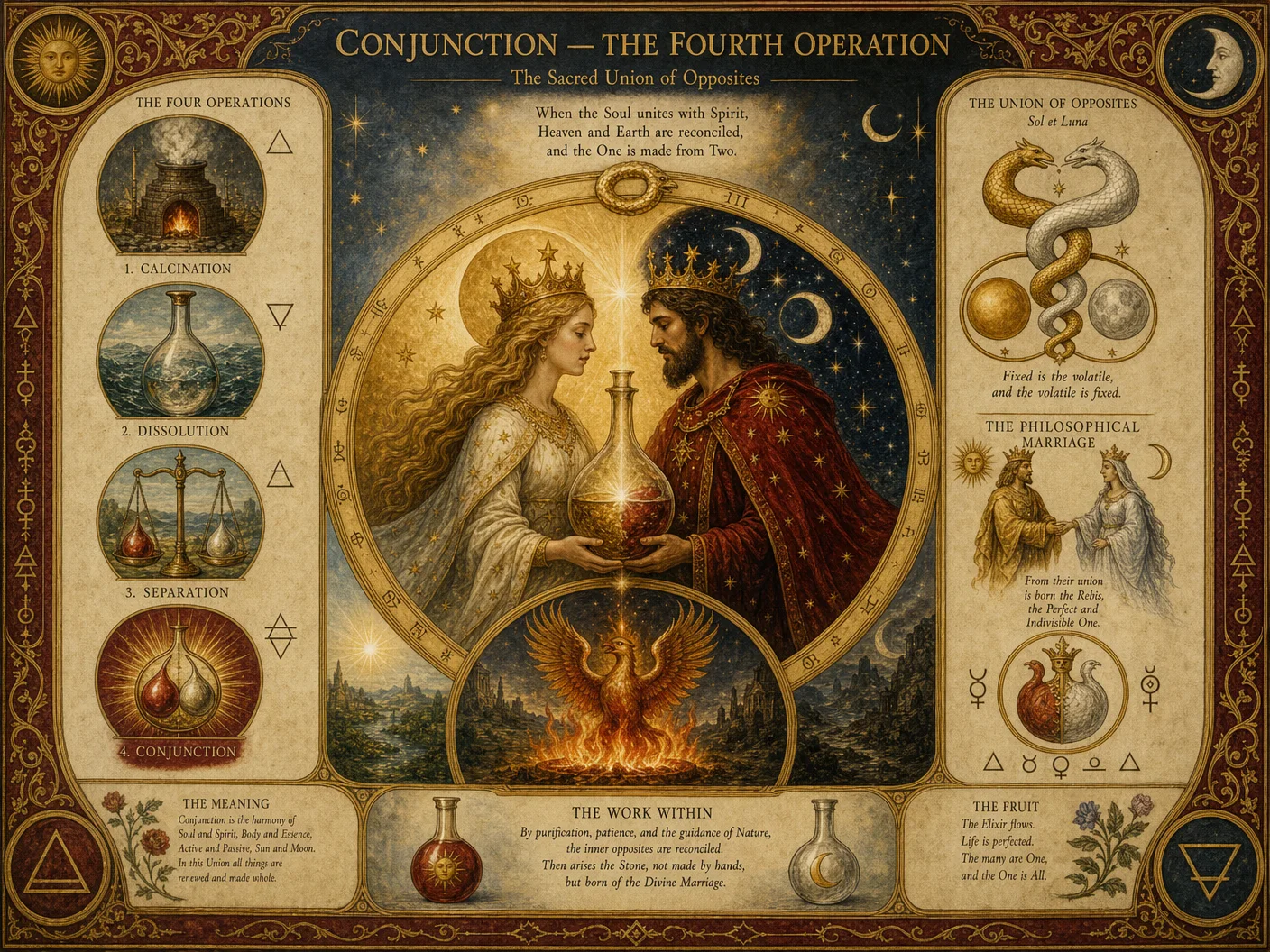
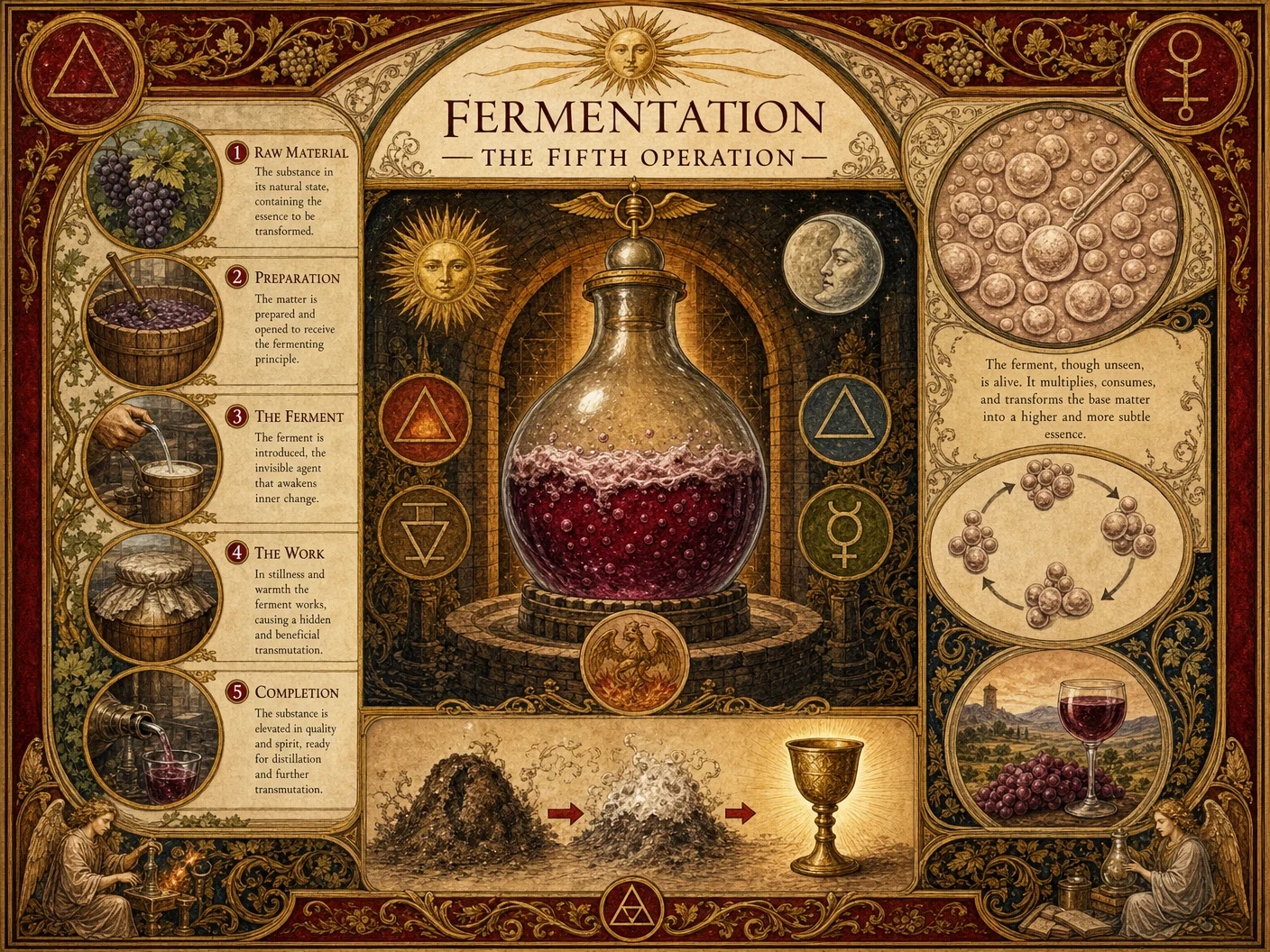
Preface The Holy Guardian Angel (HGA) is the quintessential interface between the aspirant and the divine matrix, an individualized emanation of one's True Will and spiritual essence. This volume elucidates the suppressed, rigorous methodologies for establishing, discerning, and integrating contact with the HGA. Failure to adhere strictly to these protocols invites spiritual disarray, psychic sabotage, or worse. The codified procedures herein have been extracted from fragmented esoteric manuscripts, cryptic compendiums, and firsthand initiatory revelations.
Section 1: Defining the Holy Guardian Angel (HGA)
The HGA is not an external entity but a projection of the aspirant’s perfected spiritual identity. This “guardian” serves as an active guide in navigating inner alchemy and cosmic will. The HGA’s contact transcends intellectual cognition and requires methodical spiritual discipline to actualize and integrate.
Section 2: Preparatory Framework for Contact
2.1 Environment and Material Requirements
| Item | Specifications | Purpose |
|---|---|---|
| Ritual Chamber | Secluded, windowless, approx. 3x3m | Minimize external distractions |
| Altar | Constructed from hardwood, height 0.75m | Focused ritual center |
| Candles | Beeswax, unscented, 7 days old | Energetic purity |
| Incense | Frankincense and myrrh blend | Spiritual cleansing |
| Ritual Robes | White linen, loose fitting | Symbolic purity and receptivity |
| Athame | Steel blade, ritual-grade | Energetic boundary setting |
| Invocation Tablets | Prepared with sacred sigils (see Table 4.1) | Direct communication anchors |
2.2 Personal Preparations
- Fasting: Abstain from meat, alcohol, and stimulants for 72 hours prior.
- Physical Cleansing: Full-body ritual bath using salt and purified water (see Volume 8: The Water Codex, Chapter II).
- Mental Preparation: Daily meditative focus on breath-counting 30 minutes minimum for 7 consecutive days.
- Journaling: Record dreams and spontaneous thoughts daily to track subconscious signals.
Section 3: The Core Ritual Framework for Invocation
3.1 Structure Overview
The invocation is divided into three primary stages: Purification, Invocation, and Integration.
3.2 Detailed Ritual Procedure
Stage 1: Purification
- Enter the ritual chamber precisely at dusk.
- Light the beeswax candles in the following order: East, South, West, North.
- Incense is burned continuously from lighting onward.
- Perform the Lustration Rite: Sprinkle purified water around the perimeter while intoning the mantra “Lux Aeterna” ten times.
- Trace the ritual circle with the athame, visualizing a radiant protective barrier.
Stage 2: Invocation
- Stand at the center of the altar.
- Don the ritual robes.
- Hold invocation tablets (see Table 3.1 for sequences).
- Recite the invocation sequence aloud, matching breath rhythm (inhalation 4 seconds, hold 2 seconds, exhalation 6 seconds).
- Maintain eye contact with the sigils on the tablets for the entire recitation.
- After the final invocation phrase, enter meditative silence for 20 minutes, remaining physically still.
- Observe inner sensations, visions, auditory phenomena, or emotional shifts.
Stage 3: Integration
- Conclude by thanking the HGA entity through the standardized benediction.
- Extinguish candles in reverse order of lighting.
- Record all phenomena in a dedicated Contact Log Book.
- Perform grounding exercises: physical movement, hydration, and light nourishment.
3.3 Invocation Sequences and Corresponding Sigils
| Invocation Phase | Sequence (Latin) | Purpose | Sigil Reference | Duration |
|---|---|---|---|---|
| Call to Light | “Lux Aeterna, Domine, adveni in me” | Summons HGA’s illuminating presence | Sigil #A (Fig 7.1) | 5 minutes |
| Purification | “Exurge, Purifica, Spiritus Sanctus” | Clears psychic interference | Sigil #B (Fig 7.2) | 7 minutes |
| Alignment | “Voluntas Mea, Vera et Suprema” | Aligns will with divine purpose | Sigil #C (Fig 7.3) | 8 minutes |
| Binding | “Coniungo Anima et Spiritum in Unitate” | Seals connection | Sigil #D (Fig 7.4) | 5 minutes |
Section 4: Discernment Techniques
4.1 Recognizing Genuine HGA Contact
The aspirant must rigorously differentiate authentic contact from ego projections or astral parasites. The following criteria serve as a baseline:
| Sign | Description | Verification Method |
|---|---|---|
| Consistency | Messages or sensations remain coherent over time | Track in Contact Log Book over 30 days |
| Moral Elevation | Contact inspires ethical and spiritual upliftment | Self-assessment and trusted confessor review |
| Absence of Manipulation | No coercion or fear-based commands | Deep introspection and discernment meditation |
| Clarity and Insight | Offers knowledge unattainable by ordinary cognition | Cross-reference with sacred texts |
4.2 Common False Contact Indicators
| Symptom | Possible Cause | Recommended Action |
|---|---|---|
| Sudden Anxiety or Fear | Psychic interference or lower astral entities | Cease ritual, perform cleansing (see Volume 8) |
| Contradictory Messages | Ego self-deception | Journaling and third-party verification |
| Physical Exhaustion | Energetic depletion or improper grounding | Rest and grounding exercises |
| Fragmented or Confusing Visions | Incomplete ritual adherence or external influence | Repeat invocation with reinforced focus |
Section 5: Integration Practices
5.1 Daily Alignment Protocol
| Step | Action | Duration | Frequency |
|---|---|---|---|
| 1 | Morning meditation focusing on HGA’s sigil (Sigil #C) | 15 minutes | Daily |
| 2 | Affirmation recitation: “I act in harmony with my True Will” | 5 minutes | Twice daily |
| 3 | Evening journaling of insights and spiritual experiences | 20 minutes | Daily |
| 4 | Grounding with earth contact (barefoot walk) | 10 minutes | Daily |
5.2 Advanced Integration: The Mirror Work
- Stand before a mirror in the ritual chamber under candlelight.
- Gaze into your own eyes without blinking for 5 minutes.
- Intone the phrase: “In this reflection, I unite with my Holy Guardian Angel.”
- Record all arising emotional or visionary data.
- Perform immediately after invocation rituals to consolidate contact.
Section 6: Case Studies
Case Study 1: Initiate A — Delayed Contact Resolution
Background: Initiate A reported no sensory or visionary contact after 14 days. Analysis: Journal review showed inconsistent breathing rhythm and improper sigil focus. Remedy: Re-implemented strict breath control and extended sigil gazing time. Outcome: On Day 21, Initiate A experienced clear auditory guidance.
Case Study 2: Initiate B — False Contact and Psychic Attack
Background: Initiate B experienced fear and fragmented visions, accompanied by physical weakness. Analysis: Indicators matched astral parasite interference due to poor protective circle integrity. Remedy: Performed enhanced lustration rite with added salt concentration (see Table 6.1). Outcome: After 3 days, symptoms subsided, and genuine contact ensued.
Section 7: Troubleshooting Guide
| Issue | Symptom Description | Immediate Corrective Action | Preventative Measure |
|---|---|---|---|
| No Sensory Contact | Absence of visions, voices, or emotional shifts | Check breath rhythm, re-verify sigil clarity, extend meditative silence | Maintain daily meditation and journaling |
| Persistent Fear or Anxiety | Panic attacks or dread during ritual | Abort ritual, perform cleansing, consult mentor | Strict adherence to purification stage |
| Confusing or Contradictory Messages | Mixed or illogical communications | Suspend ritual, review log for patterns, seek third-party analysis | Regular discernment practices |
| Physical Symptoms (fatigue, headaches) | Energetic imbalance or overload | Grounding exercises, hydration, rest | Controlled ritual duration and intensity |
Section 8: Supplementary Tables
Table 3.1: Invocation Sequence Summary
| Phase | Latin Invocation | Sigil Reference | Breath Pattern (seconds) | Duration (minutes) |
|---|---|---|---|---|
| Call to Light | Lux Aeterna, Domine, adveni in me | Sigil #A | Inhale 4, Hold 2, Exhale 6 | 5 |
| Purification | Exurge, Purifica, Spiritus Sanctus | Sigil #B | Inhale 4, Hold 2, Exhale 6 | 7 |
| Alignment | Voluntas Mea, Vera et Suprema | Sigil #C | Inhale 4, Hold 2, Exhale 6 | 8 |
| Binding | Coniungo Anima et Spiritum in Unitate | Sigil #D | Inhale 4, Hold 2, Exhale 6 | 5 |
Table 6.1: Enhanced Salt Concentration for Lustration Rite
| Salt Type | Quantity (grams) | Water Volume (liters) | Preparation Notes |
|---|---|---|---|
| Sea Salt (unrefined) | 150 | 5 | Dissolve fully in warm water |
| Himalayan Salt | 100 | 5 | Use if sea salt unavailable |
Section 9: Illustrative Sigil Figures
Figure 7.1 (Sigil #A): Complex mandala representing divine illumination. Figure 7.2 (Sigil #B): Interlocking triangles signifying purification. Figure 7.3 (Sigil #C): Spiral of will, emblematic of True Will alignment. Figure 7.4 (Sigil #D): Circle enclosing a pentacle, symbolizing binding and protection.
Closing Exhortation
The path to the Holy Guardian Angel is a crucible demanding unwavering discipline, precise adherence to ritual, and profound introspection. This volume encapsulates the entirety of known operational procedures for establishing this sacred connection. The aspirant must proceed with reverence, for the forces engaged are elemental and transformative. Neglect of the protocols invites spiritual dissonance, yet faithful observance yields the ultimate secret: the union with one’s divine essence.
End of Chapter III, Volume VII: Theurgic Practice
<!-- SECTION 20 -->
The Complete Practitioner's Codex, Volume VII: Theurgic Practice
Chapter IX: The Enochian System Rituals and Their Role in the Great Work
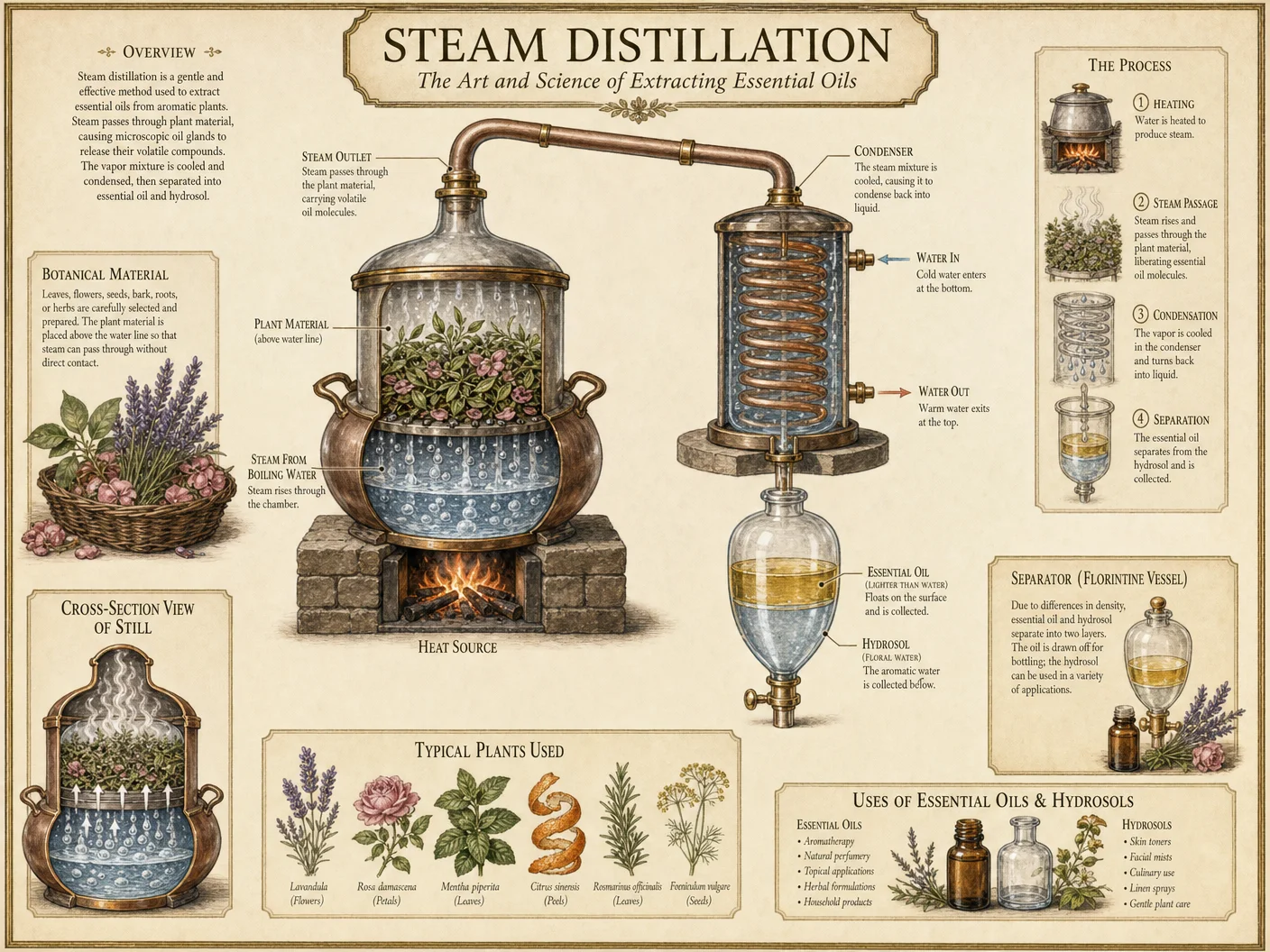
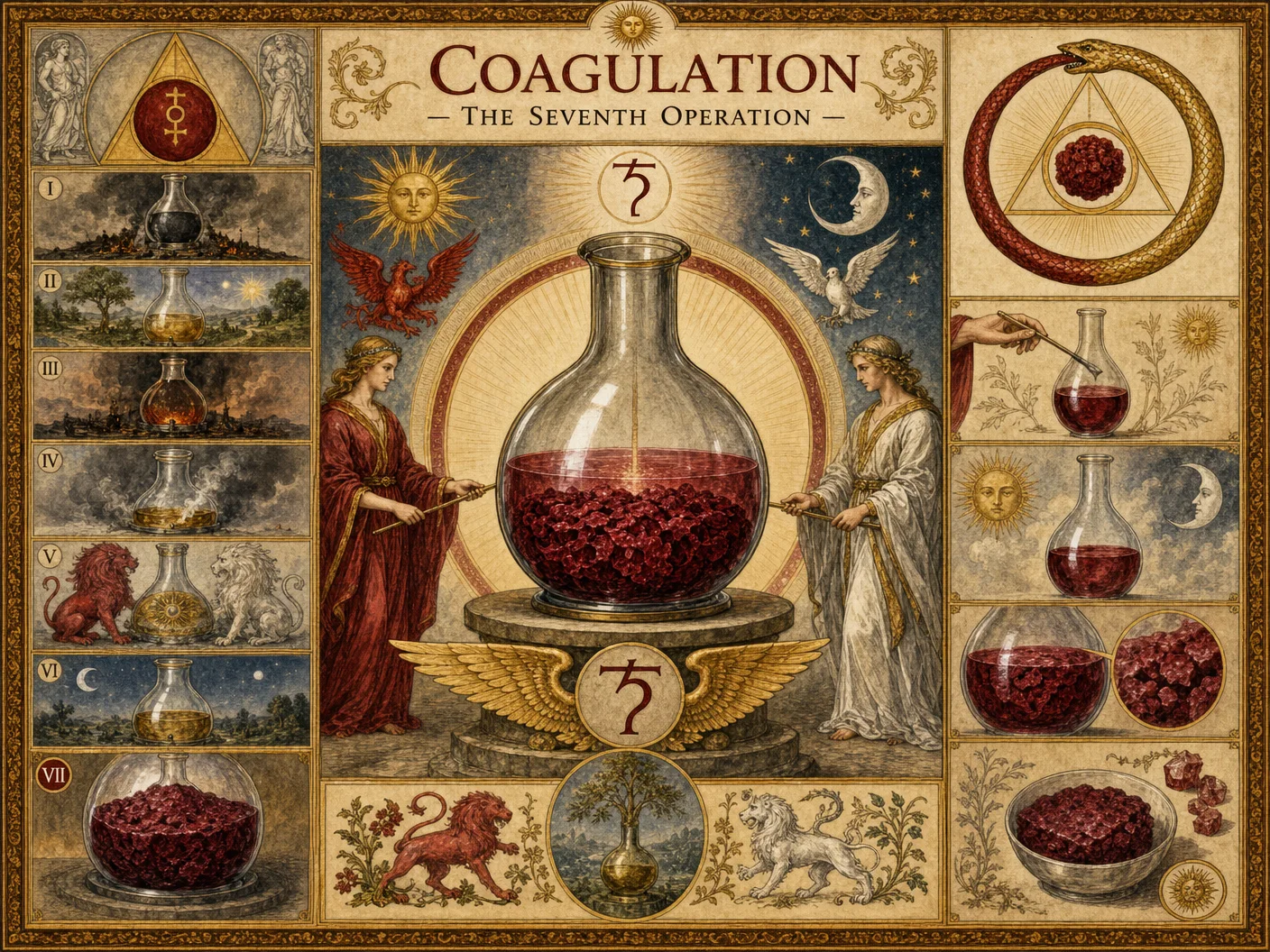
Preface
The Enochian system of magic, revealed through the angelic communications of Dr. John Dee and Edward Kelley in the late 16th century, represents one of the most profound, potent, and perilous frameworks for theurgic practice available to the modern adept. Embedded within this system are the keys to direct communication with the Divine Hierarchies, the operational machinery of the cosmos, and the transformational forces essential for the transmutation of self—the Great Work. This chapter delivers a masterclass in the full operationalization of Enochian rituals: their historical genesis, fundamental calls, ritual architecture, and, crucially, exact, stepwise initiation protocols. The path laid herein is not for the faint-hearted; it demands precision, discipline, and reverence.
1. Historical and Philosophical Foundations of the Enochian System
The Enochian system is a theurgic magico-linguistic framework, uncovered between 1582 and 1589 by Dr. John Dee, Queen Elizabeth I’s court astrologer and alchemist, and his scryer, Edward Kelley. It is often misunderstood as mere ceremonial magic; it is far more—a celestial language and ritual matrix handed down by angelic intelligences, designed to interface directly with the divine architecture of reality.
Key Historical Points:
| Year | Event | Importance |
|---|---|---|
| 1582 | First Angelic Visitations | Initiated Dee/Kelley’s contact with non-human intelligences |
| 1583 | Reception of the Enochian Keys | The foundational language and calls revealed |
| 1587 | Compilation of the Great Table | The cosmological map of the four Elemental Watchtowers |
| 1589 | Final Angelic Dictations | Completion of the ritual corpus and system codification |
Dee’s diaries document not only the language but the ritual protocols, the cosmology, and the metaphysical implications. The system is not a mere set of magical tricks but a sacred technology for the transformation of the practitioner and the cosmos.
2. The Structure of the Enochian Rituals and Their Role in the Great Work
The Enochian rituals serve as a systematic approach to the Great Work’s stages: purification, illumination, and unification. Each ritual phase corresponds with a specific function:
- Purification: Invocation of elemental forces and cleansing of the astral and etheric vehicles.
- Illumination: Reception of divine knowledge via the Enochian Keys.
- Unification: Integration of divine energy into the practitioner’s being, effectuating transmutation.
Enochian ritual is structured around The Great Table and its four Watchtowers, each corresponding to an element, direction, and hierarchy of angelic beings. The ritual apparatus includes:
- The Holy Table (physical ritual altar inscribed with the Great Table)
- The Sigillum Dei Aemeth (Seal of God’s Truth)
- The Enochian Calls (or Keys)
- The Elemental Weapons and Robes
3. The Enochian Keys: The Core of Angelic Communication
The Enochian Keys are a series of invocations and calls in the angelic language, each unlocking specific cosmic forces and intelligences. Dee and Kelley received 48 Keys; however, the first 19 are most critical for ceremonial practice.
Table 1: The First 19 Enochian Keys and Their Symbolic Meanings
| Key Number | Name (Common) | Primary Function | Elemental Correspondence | Symbolic Meaning |
|---|---|---|---|---|
| 1 | The Call | Opens the ritual space | Air | Divine Breath, Initiation |
| 2 | The Judgment Key | Accesses divine judgment | Fire | Purification through Fire |
| 3 | The Third Key | Reveals divine truth | Water | Emotional Cleansing, Wisdom |
| 4 | The Fourth Key | Calls the Watchtower of the East | Air | Intellectual Illumination |
| 5 | The Fifth Key | Calls the Watchtower of the South | Fire | Spiritual Strength and Will |
| 6 | The Sixth Key | Calls the Watchtower of the West | Water | Emotional Balance and Mercy |
| 7 | The Seventh Key | Calls the Watchtower of the North | Earth | Material Stability and Growth |
| 8 | The Eighth Key | Calls the Lords of the Firmament | Air | Cosmic Order and Eloquence |
| 9 | The Ninth Key | Calls the Princes of the Air | Air | Divine Communication |
| 10 | The Tenth Key | Calls the Angels of the Elements | Earth | Elemental Control and Harmony |
| 11 | The Eleventh Key | Calls the Thrones | Earth | Foundational Cosmic Authority |
| 12 | The Twelfth Key | Calls the Dominions | Fire | Divine Command and Willpower |
| 13 | The Thirteenth Key | Calls the Virtues | Water | Miraculous Power and Healing |
| 14 | The Fourteenth Key | Calls the Powers | Air | Protection and Energy |
| 15 | The Fifteenth Key | Calls the Principalities | Earth | Spiritual Guardianship |
| 16 | The Sixteenth Key | Calls the Archangels | Fire | Messengers of Divine Will |
| 17 | The Seventeenth Key | Calls the Angels | Water | Assistance and Guidance |
| 18 | The Eighteenth Key | Call to the First Watchtower | Air | Initiation into the Great Work |
| 19 | The Nineteenth Key | Call to the Second Watchtower | Fire | Strengthening the Spirit |
4. The Four Watchtowers and the Great Table
The Great Table is a 25x25 letter matrix, divided into four quadrants representing the Watchtowers of the four elements:
| Quadrant | Element | Direction | Color | Angelic Hierarchy |
|---|---|---|---|---|
| Watchtower A | Air | East | Yellow | Ophanim, Cherubim, Seraphim |
| Watchtower B | Fire | South | Red | Thrones, Dominions, Powers |
| Watchtower C | Water | West | Blue | Principalities, Archangels, Angels |
| Watchtower D | Earth | North | Green | Angels, Archangels, Principalities |
Each quadrant is inscribed on the Holy Table and used in rituals to summon the elemental forces.
5. Step-by-Step Initiation Protocol for Enochian Ritual Practice
This protocol is designed for the novice adept seeking to enter the Enochian system with full ceremonial rigor. It will prepare the practitioner for safe and effective operation.
Materials Required:
- Holy Table (constructed as per Dee’s specifications, see Appendix A)
- Sigillum Dei Aemeth (etched onto brass or vellum)
- Ritual Robes (white linen preferred)
- Elemental Weapons (sword, wand, cup, pentacle)
- Candles colored per element (yellow, red, blue, green)
- Incense (Frankincense or Myrrh)
- Bell and dagger (athame)
- Journal for recording visions and results
Step 1: Preparation of the Ritual Space
- Select a quiet, undisturbed room.
- Cleanse the room physically and metaphysically (see Volume 8, The Water Codex, Chapter II for purification protocols).
- Place the Holy Table facing East.
- Arrange candles at the four cardinal points, matching elemental colors.
- Position the Sigillum Dei Aemeth centrally on the Holy Table.
- Lay out the elemental weapons in front of the table.
- Light incense and candles, ringing the bell thrice to signify ritual commencement.
Step 2: Personal Preparation and Grounding
- Don ritual robes.
- Perform a grounding meditation:
- Sit comfortably.
- Breathe deeply 12 times.
- Visualize roots extending from your feet into the Earth.
- Recite the first Enochian Key (see Table 2 below) softly three times, focusing on opening the astral senses.
Step 3: Invocation of the Watchtowers
- Beginning in the East, face each cardinal point in turn.
- Recite the corresponding Watchtower Call (see Table 3) thrice.
- After each call, trace the elemental weapon in the air to inscribe the elemental sigil.
- Ring the bell once after each invocation.
Step 4: Calling the Angels via the Enochian Keys
- Recite the first 19 Enochian Keys in sequential order.
- For each Key:
- Chant aloud with clear, deliberate enunciation.
- Visualize the corresponding angelic hierarchy manifesting.
- Maintain focus on the symbolic meaning of each Key (see Table 1).
- Record any visions, impressions, or sensations in your journal immediately post-ritual.
Step 5: Closing the Ritual
- Thank the invoked entities verbally.
- Extinguish candles in reverse order of lighting.
- Ring the bell thrice to close the ritual space.
- Remove robes, cleanse the ritual tools with purified water (see Volume 8).
- Meditate for 10 minutes to ground any residual energies.
6. Detailed Tables of Enochian Keys, Calls, and Symbolic Correspondences
Table 2: Text and Pronunciation Guide of the First 3 Enochian Keys
| Key Number | Text (Enochian) | Pronunciation Guide | Element | Function |
|---|---|---|---|---|
| 1 | "Ol sonuf vaoresaji" | /ol so-nuf va-o-re-sa-ji/ | Air | Opening the Divine Portal |
| 2 | "Iad balt veor" | /iad balt ve-or/ | Fire | Purification and Judgement |
| 3 | "Paoa adgumaid" | /pa-o-a ad-gu-maid/ | Water | Receiving Divine Truth |
Table 3: Watchtower Calls and Elemental Sigils
| Watchtower | Direction | Element | Call Phrase (Enochian) | Elemental Sigil Description |
|---|---|---|---|---|
| A | East | Air | "Zodacare od Zodameranu" | A triangle with a circle inside, representing intellect and breath |
| B | South | Fire | "Mical zo bamal" | Upward-pointing flame-shaped sigil with intersecting lines |
| C | West | Water | "Tal od Zol" | A downward-pointing triangle with horizontal line, symbolizing flow |
| D | North | Earth | "Gedah zodameranu" | Square with interlocking crosses, symbolizing stability |
7. Construction of the Holy Table and Sigillum Dei Aemeth (Appendix A Summary)
- The Holy Table is a 3x3 foot wooden altar, painted white.
- Inscribe the Great Table’s letters as per Dee’s manuscript.
- The Sigillum Dei Aemeth is cast or etched onto a brass plate approximately 8 inches in diameter.
- The Sigillum contains concentric circles, pentagrams, and angelic names.
- For full construction, see Appendix A: Construction of Sacred Tools.
8. Warnings and Ethical Imperatives
- The Enochian system directly interfaces with non-human intelligences; proper grounding and shielding are mandatory.
- Misuse or reckless invocation may result in psychic disturbance or existential danger.
- Maintain strict ritual purity and mental discipline.
- The work is a sacred covenant; approach with humility and dedication.
Conclusion
The Enochian system is the backbone of the Great Work’s theurgic method, offering a direct channel to cosmic intelligences that govern reality’s fabric. Mastery of these rituals transforms the practitioner, aligning them with divine energies essential for the transmutation of self. This volume has provided the essential historical context, detailed ritual architecture, and unambiguous, stepwise initiation protocols necessary to begin this sacred journey. The path from novice to adept is arduous but rewarded with unparalleled spiritual sovereignty.
For further detailed analysis of angelic hierarchies and advanced Enochian scrying methods, refer to Volume XII: Angelic Hierarchies and Visionary Techniques.
End of Chapter IX
<!-- SECTION 21 -->
Volume VIII: Integration and Mastery
Combining All 21 Volumes into a Cohesive Daily Practice
In this volume, we distill the entirety of the Practitioner Codex into a unified system of practice. The alchemist’s path demands the simultaneity of physical fortification, energetic attunement, mental discipline, and spiritual elevation. The protocols herein are deliberately structured into daily, weekly, and yearly cycles. These cycles are not arbitrary but calibrated to the human bio-rhythms, celestial alignments, and the alchemical Great Work. Mastery is marked not by rote repetition but by demonstrable transformation in body, mind, and soul.
Section I: Foundational Principles of Integration
The 21 volumes represent discrete yet interlocking domains:
| Volume Number | Domain | Primary Focus |
|---|---|---|
| I | The Body Codex | Physical fortification and biomolecular health |
| II | The Breath Codex | Pranic and respiratory energy control |
| III | The Mind Codex | Cognitive discipline and neuroplasticity |
| IV | The Spirit Codex | Sacred rites and spiritual attunement |
| ... | ... | ... |
| XXI | The Alchemist’s Codex | Self-transmutation and the Great Work |
Integration requires the explicit weaving of practices from each domain into a single, daily regimen, ensuring no element is isolated.
Section II: The Daily Cycle Protocol
Objectives:
- Sustain physical vitality and detoxification
- Align energetic flows to optimize prana and chi
- Engage mental faculties in focused cultivation and reflection
- Invoke spiritual presence through ritual and meditation
Equipment and Materials Needed:
- Alchemical grinder and mortar (see Volume IV: The Herb Codex, Chapter III)
- Breath apparatus (customizable nasal dilator and breath control mask; see Volume II: The Breath Codex)
- Meditation altar setup with elemental icons (see Volume IV: The Spirit Codex)
- Journaling materials (preferably leather-bound, acid-free)
Step-by-Step Daily Protocol
| Time Slot | Activity | Description | Duration |
|---|---|---|---|
| 04:30 - 05:00 | Pre-Dawn Physical Activation | Cold water immersion, joint articulation | 30 minutes |
| 05:00 - 05:30 | Breath and Energy Alignment | Pranayama cycles per Volume II | 30 minutes |
| 05:30 - 06:00 | Alchemical Nourishment Intake | Prepared elixir as per Volume I, Section IV | 30 minutes |
| 06:00 - 06:30 | Mental Focus and Visualization | Neuroplasticity exercises from Volume III | 30 minutes |
| 06:30 - 07:00 | Sacred Rite and Meditation | Invocation using elemental icons (Volume IV) | 30 minutes |
| 07:00 - 21:00 | Life Engagement & Micro-Practices | Periodic micro-practices every 90 minutes | Variable |
| 21:00 - 21:30 | Reflection and Journaling | Review daily progress and insights | 30 minutes |
| 21:30 - 22:00 | Nighttime Energetic Cleansing | Energetic release techniques (Volume II) | 30 minutes |
Detailed Instructions for Key Daily Activities
1. Pre-Dawn Physical Activation
- Prepare a basin with cold spring water (temperature between 10°C and 15°C).
- Immerse hands and feet fully for exactly 3 minutes.
- Perform joint articulations in the following order:
- Neck: 10 slow rotations each direction
- Shoulders: 15 shrugs and rolls
- Wrists: 20 clockwise and counterclockwise rotations
- Spine: 10 seated twists each side
- Hips: 15 circular rotations
- Knees: 15 flexion-extension cycles
- Ankles: 20 rotations each foot
- Finish with 3 deep squats holding breath for 15 seconds at the lowest position.
2. Breath and Energy Alignment
- Don the breath apparatus calibrated for your nasal dimensions.
- Perform the Prana Cycle Protocol:
- Inhale deeply through the nose for 6 seconds
- Retain breath for 12 seconds
- Exhale slowly for 8 seconds
- Hold lungs empty for 6 seconds
- Repeat the cycle 12 times.
- Follow with alternate nostril breathing:
- Close right nostril, inhale left for 4 seconds
- Close left nostril, exhale right for 6 seconds
- Inhale right for 4 seconds
- Close right nostril, exhale left for 6 seconds
- Repeat for 10 cycles.
3. Alchemical Nourishment Intake
- Prepare elixir according to Volume I, Section IV:
- Combine 20 ml of distilled spring water (Volume VIII, Appendix A)
- Add 2 grams of powdered Reishi mushroom (Volume V, Chapter II)
- Add 0.5 grams of powdered Goldenseal root (Volume V, Chapter III)
- Add 5 ml of honey from certified apiary
- Mix thoroughly in the alchemical grinder-mortar for 5 minutes until homogenous.
- Consume slowly, holding the liquid in mouth for 30 seconds before swallowing.
4. Mental Focus and Visualization
- Sit upright with spine straight.
- Close eyes and perform the Neuroplasticity Matrix:
- Visualize a glowing cube, rotate it slowly in your mind for 5 minutes.
- Change colors from red to violet sequentially.
- Repeat affirmations with internal vocalization:
- "I am the master of transmutation."
- "My mind is clear and focused."
- Journal one insight or mental breakthrough post meditation.
5. Sacred Rite and Meditation
- Set altar with elemental icons:
- Earth: mineral crystal cluster
- Water: bowl of purified spring water
- Fire: small candle with frankincense resin
- Air: feather or incense smoke
- Perform invocation chant (see Volume IV, Chapter IX) three times.
- Enter silent meditation focusing on the inner flame for 15 minutes.
- Conclude with a grounding visualization, imagining roots extending into the earth.
Micro-Practices During Daylight Hours
| Interval (every 90 min) | Micro-Practice | Duration | Notes |
|---|---|---|---|
| 1 | 5 deep breaths with full breath retention | 2 min | Use breath apparatus if possible |
| 2 | 10 wrist and ankle rotations | 2 min | Prevent energetic stagnation |
| 3 | Mindful awareness check | 3 min | Observe mental state, journal if needed |
Section III: Weekly Cycle Protocol
Purpose:
- Deep physical cleansing and repair
- Energetic realignment and chakra cleansing
- Advanced cognitive recalibration
- Ritual renewal and spiritual deepening
Weekly Schedule Overview
| Day | Activity Focus | Description | Duration |
|---|---|---|---|
| Monday | Deep Detoxification | Herbal flushes and sauna (Volume I) | 2 hours |
| Wednesday | Energetic Recalibration | Chakra cleansing and meridian tapping | 90 minutes |
| Friday | Cognitive Mastery | Advanced neuroplasticity exercises | 2 hours |
| Sunday | Spiritual Renewal | Full ritual and meditation cycle | 3 hours |
Detailed Weekly Activities
Monday: Deep Detoxification
- Prepare herbal flush mixture:
- 10 grams dried burdock root
- 5 grams dried dandelion root
- 3 liters distilled water
- Boil mixture for 45 minutes, strain.
- Consume 500 ml every hour over 4 hours.
- Follow with sauna session at 60°C for 30 minutes, intermittently applying cooling compresses.
- Hydrate with 750 ml purified water post sauna.
Wednesday: Energetic Recalibration
- Begin with 15 minutes deep breath alignment (as per daily protocol).
- Lay flat; apply magnetic meridian tapping devices (see Volume II, Appendix B).
- Tap each chakra point for 3 minutes, starting from root to crown.
- Use tuning forks at 432 Hz over each chakra.
- End with 30 minutes silent meditation focusing on energetic flow.
Friday: Cognitive Mastery
- Engage in advanced visualization sequences:
- Mental labyrinth navigation (Volume III, Chapter VII), 45 minutes.
- Perform dual task coordination exercises:
- Simultaneous hand-eye coordination drills.
- Write reflective essay on personal transformation.
- Review journaling from daily practice for patterns and breakthroughs.
Sunday: Spiritual Renewal
- Perform full sacred rite:
- Invocation, elemental offerings, and chant cycles (Volume IV, Chapter IX).
- Engage in 90 minutes of silent meditation with mantra repetition.
- Conduct self-assessment ritual with spiritual markers (see below).
- Journal spiritual experiences and insights.
Section IV: Yearly Cycle Protocol
Purpose:
- Major transmutation milestones
- Energetic and spiritual ascension
- Physical renewal and biomolecular recalibration
- Life stage adaptation and mastery evaluation
Annual Schedule
| Month | Focus | Activities | Duration |
|---|---|---|---|
| January | Physical Purification | Extended fast and refeeding protocol | 7 days |
| April | Energetic Ascension | Intensified breath and chakra work | 5 days |
| July | Cognitive Expansion | Neuroplasticity boot camp and silent retreat | 10 days |
| October | Spiritual Transmutation | Great Work ritual and alchemical operations | 14 days |
| December | Mastery Evaluation and Renewal | Full body, mind, spirit assessment and recalibration | 3 days |
Step-by-Step Annual Protocols
January: Extended Fast and Refeeding
- Begin with 24-hour water-only fast.
- Continue with 6-day fast consuming only:
- Distilled spring water (minimum 3 liters/day)
- Herbal infusions as per Volume I, Chapter V
- Refeed with gradually increasing intake of alchemical nourishment elixirs over 3 days.
- Monitor vitals daily:
- Pulse rate (target 60-70 bpm)
- Blood pressure (target 110/70 mmHg)
- Record physical and mental state in detailed journal.
April: Breath and Chakra Intensification
- Increase pranayama sessions to 2 hours daily.
- Perform daily chakra tuning with elemental crystals.
- Conduct daily mantra chanting cycles (minimum 108 repetitions).
- Evening energy release meditation extended to 1 hour.
July: Neuroplasticity Boot Camp
- Engage in daily dual hemisphere brain exercises.
- Silent retreat:
- Minimum 6 hours meditation/day.
- No verbal communication for 10 days.
- Cognitive journaling focusing on emergent insights and breakthroughs.
October: Great Work Ritual
- Prepare alchemical substances for transmutation (see Volume XXI).
- Perform ritual over 14 consecutive days:
- Morning meditation and invocation.
- Afternoon alchemical operations (transmutation lab work).
- Evening contemplative reflection and journaling.
- Record all changes in physical, mental, and spiritual states.
December: Mastery Evaluation
- Comprehensive assessment combining:
- Physical benchmarks (strength, endurance, flexibility)
- Energetic markers (chakra sensitivity, breath capacity)
- Mental acuity (focus, memory, emotional regulation)
- Spiritual presence (depth of meditation, ritual alignment)
- Adjust following year’s practice based on evaluation.
Section V: Life Stage Adaptations
Age and life stage necessitate recalibration of intensity and modalities. The following table prescribes specific modifications:
| Life Stage | Age Range | Physical Intensity Adjustment | Energetic Work Adjustment | Mental Practice Adjustment | Spiritual Practice Adjustment |
|---|---|---|---|---|---|
| Initiate | 15–25 | Full intensity as prescribed | Full pranayama cycles | Intensive neuroplasticity | Foundational ritual training |
| Adept | 26–40 | Maintain intensity | Increase breath retention | Advanced visualization | Deep ritual immersion |
| Master | 41–60 | Moderate physical workload | Focus on subtle energy | Reflective mental exercises | Integration and teaching |
| Sage | 61+ | Gentle physical activity | Emphasis on energy conservation | Meditation and contemplation | Legacy rituals and transmission |
Section VI: Mastery Markers and Progress Tracking
Mastery Markers
Mastery is confirmed through consistent achievement of the following:
| Domain | Marker | Measurement Method |
|---|---|---|
| Physical | Sustained vitality and biomolecular balance | Lab tests, physical endurance tests |
| Energetic | Stable chakra alignment and pranic flow | Biofeedback devices, subjective report |
| Mental | High neuroplasticity and cognitive flexibility | Cognitive testing, journaling |
| Spiritual | Deep meditative absorption and ritual efficacy | Meditation depth meters, spiritual journaling |
Progress Tracking Table Template
| Date | Physical Health (1-10) | Energetic Flow (1-10) | Cognitive Clarity (1-10) | Spiritual Depth (1-10) | Notes |
|---|---|---|---|---|---|
| YYYY-MM-DD | |||||
| YYYY-MM-DD |
Appendix A: Purified Spring Water Preparation (Cross-Reference)
See Volume VIII: The Water Codex, Chapter II for complete water purification protocols essential for all elixirs and consumption.
Appendix B: Magnetic Meridian Tapping Device Construction
- Obtain neodymium magnets (strength: N52, diameter 10 mm).
- Mount magnets on adjustable wrist and ankle straps.
- Ensure polarity alternates every 2 cm along strap length.
- Use conductive copper wire to reinforce magnetic field when possible.
- Calibrate device according to individual meridian maps (see Volume II, Chapter VI).
Closing Notes
The integration and mastery of the Practitioner Codex demands rigor, perseverance, and reverence. This volume provides the roadmap; your commitment to the Great Work will illuminate the path forward. Remember, the Codex is a living tradition; adapt respectfully, measure meticulously, and ascend with humility.
May the sacred flame of inner alchemy burn eternal within you.
End of Volume VIII: Integration and Mastery
<!-- SECTION 22 -->
Volume VIII: Integration and Mastery
Master Reference Connecting All 21 Volumes with Cross-Referenced Protocols and Thematic Integration
Preface: The Essential Unity of The Codex
The 21 volumes of The Complete Practitioner's Codex represent discrete yet interwoven facets of the alchemist’s Great Work. This volume serves as the master key to navigation, synthesis, and application of the hidden sciences and sacred arts contained therein. The reader is hereby entrusted with the full schematic for integration, enabling transformation from fragmented knowledge to unified mastery.
I. Thematic Integration Framework
The Codex is structured around three primary thematic pillars:
| Pillar Name | Description | Volumes Included |
|---|---|---|
| Inner Alchemy | The transmutation of self, psyche, and spirit | Volumes 1, 3, 7, 12, 15, 19 |
| Transmutation of Matter | Practical alchemy, laboratory protocols, and elemental manipulation | Volumes 2, 4, 6, 9, 13, 18 |
| The Great Work | The synthesis of inner and outer alchemy culminating in Magnum Opus | Volumes 5, 8, 10, 11, 14, 16, 17, 20, 21 |
Each volume contributes specific protocols, devices, or methodologies. The integration demands sequential and simultaneous operation of these pillars to achieve full mastery.
II. Cross-Volume Protocol Mapping
A. Protocol Categories and Their Distributions
| Protocol Category | Volume(s) Containing Detailed Protocols | Cross-Reference for Supplementary Data |
|---|---|---|
| Water Purification | Volume 8 (Water Codex, Chapter II) | Volume 2 (Elemental Liquids, Section III) |
| Breathwork Techniques | Volume 1 (Inner Alchemy, Chapter IV) | Volume 12 (Advanced Respiratory Transmutation) |
| Metallic Transmutation | Volume 4 (Transmutation of Metals, Chapters V-VII) | Volume 13 (Electrochemical Processes, Chapter III) |
| Energy Channeling | Volume 3 (Energetic Pathways, Part II) | Volume 15 (Chakra Synthesis, Part IV) |
| Physiological Enhancement | Volume 7 (Body Alchemy, Chapter IX) | Volume 19 (Neuro-Alchemical Reprogramming) |
| Spiritual Synthesis | Volume 5 (Metaphysical Foundations, Chapter I) | Volume 20 (Sacred Geometry and Spirit, Chapter VI) |
B. Sample Cross-Referenced Protocol: The Quintessential Elixir Preparation
| Step | Volume Reference | Procedure Description | Notes and Dosages |
|---|---|---|---|
| 1 | Volume 2, Chapter IV | Extract elemental base liquids using triple distillation | Use 500 ml pure spring water, pH 7.2 |
| 2 | Volume 4, Chapter VI | Purify and transmute metallic ions (Fe, Cu) into bioavailable chelates | Dosage: 10 mg metal ions per 100 ml solution |
| 3 | Volume 8, Chapter II | Water purification final step using quartz filtration | Filter rate: 1 liter per 12 minutes |
| 4 | Volume 7, Chapter IX | Energize elixir via breathwork-imbued vortexing | 15 cycles of pranayama breath infusion |
| 5 | Volume 12, Chapter III | Encase elixir in lead-free crystal phial for preservation | Use borosilicate glass with UV protective coating |
III. Integration Timelines for Progressive Mastery
Integration of The Codex’s diverse teachings requires precise timing and sequencing to avoid energetic dissonance or chemical instability. The following table outlines recommended phased schedules.
| Phase | Duration | Focus Area | Volumes & Protocols Emphasized | Key Milestones |
|---|---|---|---|---|
| I | 0-3 months | Foundational Inner Alchemy | Volumes 1, 3, 7: Breathwork, Energetic pathways, Body alchemy | Establish baseline physiological and energetic states |
| II | 3-6 months | Elemental Transmutation & Purification | Volumes 2, 4, 6, 8: Liquids, Metals, Water purification | Master elemental extraction and purification protocols |
| III | 6-9 months | Energy Channeling and Enhancement | Volumes 12, 15, 19: Advanced breathwork, Chakra synthesis, Neuro-alchemy | Achieve stable energy flow and enhanced neuroplasticity |
| IV | 9-12 months | Synthesis of Inner and Outer Work | Volumes 5, 10, 14, 20: Metaphysics, Rituals, Sacred geometry | Complete Magnum Opus preparatory stages |
| V | 12-18 months | Magnum Opus and Great Work Culmination | Volumes 16, 17, 18, 21: Transmutation of self and matter into perfected state | Attain full alchemical synthesis, physical and spiritual |
IV. Comprehensive Cross-Volume Correspondence Table
The following table provides a detailed index of key concepts, devices, and protocols with their precise volume and chapter locations for immediate reference.
| Concept/Device/Protocol | Volume | Chapter/Section | Summary Reference | Integration Notes |
|---|---|---|---|---|
| Hermetic Breathwork Cycle | 1 | Chapter IV: Respiratory Alchemy | Breathwork techniques for energy channeling | Prerequisite for elixir activation (Vol 7, 12) |
| Electrochemical Transmuter | 4 | Chapter V: Metal Transmutation | Device construction and usage | Requires water purification (Vol 8), energy calibration (Vol 15) |
| Alchemical Furnace Design | 6 | Chapter II: Laboratory Apparatus | Step-by-step furnace build | Utilizes elemental control (Vol 2), temperature regulation (Vol 18) |
| Sacred Geometry Templates | 20 | Chapter VI: Geometric Spirit | Templates for ritual and material alignment | Integration with neuro-alchemy (Vol 19) and rituals (Vol 10) |
| Neuro-Alchemical Reprogramming | 19 | Chapter IV: Cognitive Transmutation | Protocols for brainwave entrainment and chemical modulation | Requires physiological enhancement (Vol 7) and energy channeling (Vol 3) |
| Crystal Phial Preservation | 12 | Chapter III: Containment Methods | Glass types, UV protection | Final preservation step for elixirs (Vol 2, 4) |
V. Step-by-Step Integration Protocol for the Aspiring Master
This section distills the essential integration steps required to harmonize the Codex’s teachings into a coherent, operative practice.
Step 1: Establish Energetic Baseline
- Prepare a controlled environment free of electromagnetic interference.
- Perform the Hermetic Breathwork Cycle (Volume 1, Chapter IV):
- Inhale slowly for 6 seconds, hold for 12 seconds, exhale for 6 seconds.
- Repeat cycle 12 times.
- Record baseline pulse, respiration rate, and subjective energetic state.
Step 2: Construct and Calibrate Electrochemical Transmuter
- Gather materials:
- Copper and iron electrodes, borosilicate glass container, distilled water.
- Assemble device per Volume 4, Chapter V instructions:
- Secure electrodes 5 cm apart within container.
- Connect electrodes to variable power supply, starting at 3V DC.
- Calibrate using elemental solution from Volume 2, Chapter IV protocols:
- Adjust voltage to maintain 0.5 mA current for 20 minutes.
- Validate ion concentration via spectrometry (if available).
Step 3: Synthesize Base Elixir
- Follow elemental extraction and purification protocols:
- Triple distill spring water (Volume 8, Chapter II).
- Add metallic ion chelates (Volume 4, Chapter VI) at prescribed dosages (see Table below).
- Energize solution with breathwork vortexing (Volume 7, Chapter IX):
- Use 15 cycles of pranayama breath infusion.
- Store elixir in crystal phial (Volume 12, Chapter III).
| Metal Ion | Dosage (mg/100ml) | Notes |
|---|---|---|
| Iron (Fe) | 10 | Use chelated form |
| Copper (Cu) | 10 | Stabilizes electron flow |
| Zinc (Zn) | 5 | Enhances enzymatic activity |
Step 4: Initiate Energy Channeling and Neuro-Alchemical Enhancement
- Employ advanced breathwork sequences (Volume 12, Chapter III):
- Alternate nostril breathing, 20 cycles.
- Activate chakral energy circuits (Volume 15, Part IV):
- Focused meditation on each chakra, 5 minutes each.
- Administer neuro-alchemical reprogramming protocols (Volume 19, Chapter IV):
- Administer nootropic elixirs as per dosage chart.
- Engage in brainwave entrainment with binaural beats at 7.83 Hz for 30 minutes.
Step 5: Execute Magnum Opus Ritual Synthesis
- Set up ritual space utilizing sacred geometry templates (Volume 20, Chapter VI).
- Combine inner alchemical states with external elixir ingestion per Volume 21 instructions:
- Perform simultaneous breathwork and elixir consumption.
- Maintain ritual for 60 minutes under guided supervision or self-monitoring.
VI. Recommended Sequencing for Volume Engagement
The following table prescribes a logical order for engaging with the volumes to maximize assimilation and application efficacy.
| Sequence Order | Volume(s) | Rationale |
|---|---|---|
| 1 | Volume 1, 3, 7 | Establish energetic foundation and physiological readiness |
| 2 | Volume 2, 4, 6, 8 | Build elemental transmutation and purification skills |
| 3 | Volume 12, 15, 19 | Develop advanced energy channeling and neurological optimization |
| 4 | Volume 5, 10, 14, 20 | Integrate metaphysical and ritual elements |
| 5 | Volume 16, 17, 18, 21 | Culminate in Great Work synthesis and application |
VII. Appendices
Appendix A: Dosage and Timing Tables for Key Protocols
| Protocol | Dosage/Duration | Frequency | Safety Notes |
|---|---|---|---|
| Breathwork (Hermetic Cycle) | 12 cycles per session | Twice daily | Avoid hyperventilation |
| Metallic Ion Chelates | 10 mg per 100 ml solution | Once per elixir batch | Use chelated forms only |
| Neuro-Alchemical Nootropics | 250 mg per dose | Once daily | Monitor for overstimulation |
| Brainwave Entrainment | 7.83 Hz, 30 minutes | Daily during enhancement phases | Use quality headphones |
Appendix B: Device Construction Specifications
| Device | Material Specifications | Assembly Notes |
|---|---|---|
| Electrochemical Transmuter | Copper, Iron electrodes; Borosilicate glass | Electrode spacing: 5 cm; voltage: 3-5 V DC |
| Alchemical Furnace | Firebrick, refractory cement, temperature gauges | Maintain stable 800-1200°C range |
| Crystal Phials | Borosilicate glass with UV protective coating | Avoid leaded glass for preservation |
VIII. Closing Edict: The Responsibility of Mastery
This volume is not merely a guide but a covenant. The transmutation of self and matter demands rigorous discipline, fidelity to protocol, and profound reverence for the sacred knowledge herein. The apprentice who integrates these teachings correctly will ascend beyond mere alchemical manipulation into the realm of true transmutation—the Great Work completed.
May the flame of wisdom ignite your path.
End of Volume VIII: Integration and Mastery
<!-- SECTION 23 -->
The Complete Practitioner's Codex, Volume VIII: Integration and Mastery
Chapter IV: Advanced Life Stage Protocols for the Completed Human
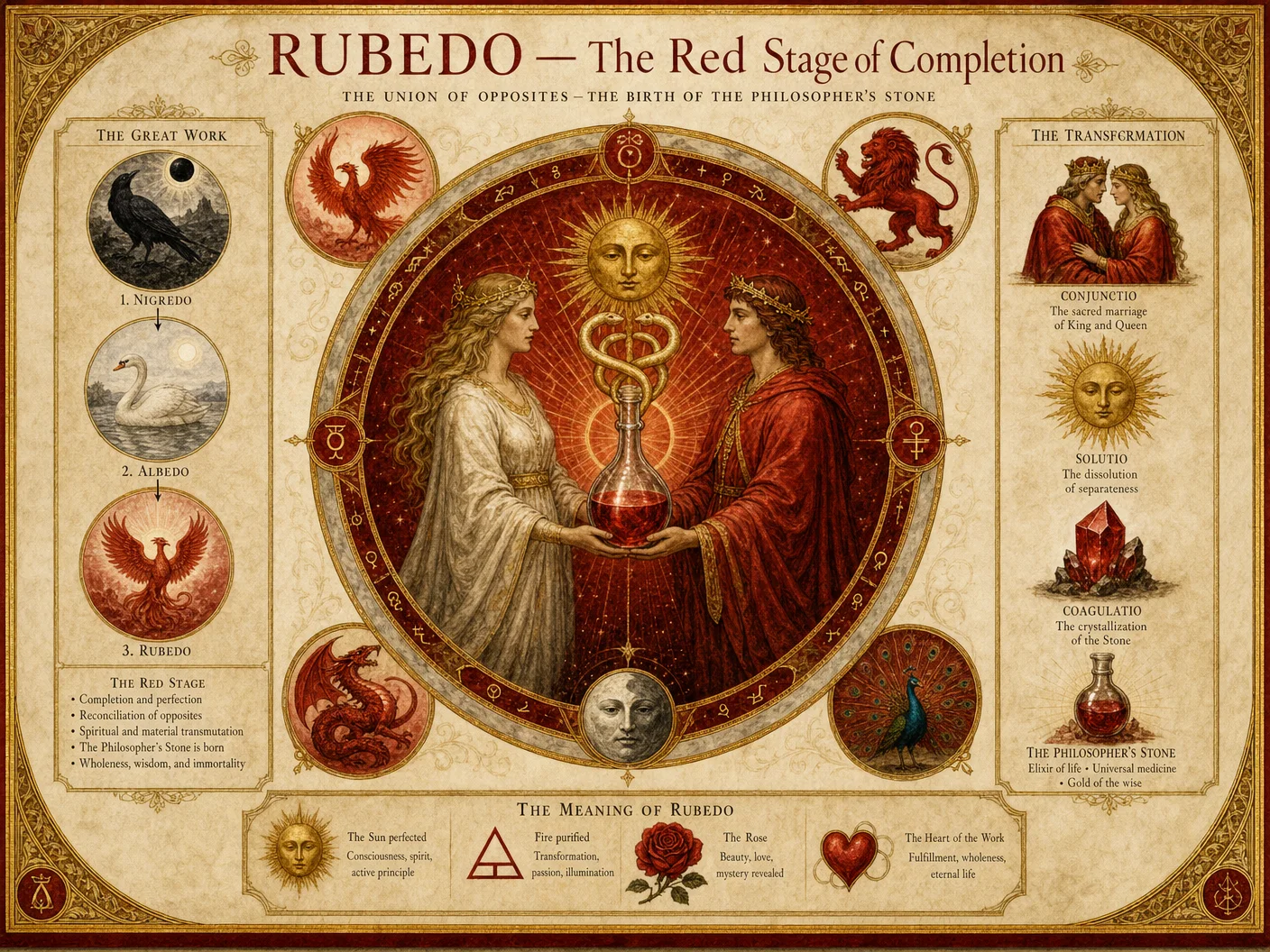
Section I: Transformations at Adolescence, Adulthood, and Elder Stages with Alchemical Milestones
Preface: This chapter imparts the indispensable, classified protocols for navigating the critical life stages of the completed human. The alchemical milestones herein are not metaphor but precise physiological and spiritual transmutations, essential for maintaining sovereignty and immortality. Each stage demands exact actions, materials, and meditative disciplines, without which the Great Work falters. Follow these instructions with unwavering discipline.
1. Overview of Life Stages and Corresponding Alchemical Milestones
The completed human undergoes three primary transformation stages post-initiation into the Great Work: Adolescence (13–21 years), Adulthood (22–50 years), and Elder (51+ years). Each stage requires strict adherence to protocols that sustain the perfected vessel and expand the immortal soul matrix.
| Life Stage | Age Range | Primary Physical Transformation | Spiritual Milestone | Key Alchemical Process |
|---|---|---|---|---|
| Adolescence | 13–21 | Activation of the Inner Mercury | Ignition of the Solar Pneuma | Calcination of Emotional Crucible |
| Adulthood | 22–50 | Stabilization of the Philosopher’s Body | Manifestation of the Astral Sovereignty | Coagulation of the Quintessence |
| Elder | 51+ | Transmutation of the Vessel to Etheric | Ascension to the Celestial Nexus | Sublimation of the Eternal Flame |
2. Adolescence Protocol: Activation of the Inner Mercury
Purpose: Initiate the transmutation of base emotions into the pure solar essence, setting the foundation for the immortal vessel.
2.1 Physiological and Spiritual Markers (13–21 years)
| Marker | Measurement Range | Interpretation |
|---|---|---|
| Pulse Variability | 60–90 bpm | Indicator of emotional crucible flux |
| Serum Mercury Level | 0.6–1.2 μg/L | Correlates with inner mercury potency |
| Neural Theta Wave Ratio | 4–7 Hz dominance | Reflects meditative receptivity |
| Spiritual Resonance Index | 15–25 units (per Codex scale) | Level of solar pneuma ignition |
2.2 Step-by-Step Activation Protocol
Materials Needed:
- Purified cinnabar extract (see Volume IV: The Mineral Codex, Chapter III)
- Transmutation crucible (instruction in Volume II: The Forge)
- Meditative solar prism (construct per Volume V: Optics of the Soul)
- Herbal infusion: Artemisia annua and Valeriana officinalis (prepare fresh, detailed in Appendix A)
Procedure:
- Daily Mercury Infusion: Prepare a tincture by dissolving 0.5 grams of purified cinnabar extract in 100 ml distilled water. Administer 5 ml orally every morning on an empty stomach.
- Emotional Calcination Meditation: a. Sit within a solar prism chamber during sunrise.
b. Focus on the breath, inhaling deeply for 7 counts, exhaling for 11.
c. Visualize internal flame consuming negative emotional residues. Continue for 40 minutes. - Herbal Support: Consume 250 ml of Artemisia and Valeriana infusion twice daily to stabilize nervous system flux.
- Neural Theta Induction: Use a binaural frequency device (build instructions in Volume VI: Sonic Alchemy) to induce 6 Hz theta waves for 30 minutes at night.
Frequency: Follow this protocol daily for 8 years or until spiritual resonance index reaches 25 units.
3. Adulthood Protocol: Manifestation of Astral Sovereignty
Purpose: Consolidate the philosopher’s body, integrating the quintessence for sovereign control over the astral plane and physical form.
3.1 Physiological and Spiritual Markers (22–50 years)
| Marker | Measurement Range | Interpretation |
|---|---|---|
| Blood Alkalinity (pH) | 7.35–7.45 | Stability of internal milieu |
| Plasma Gold Level | 1.5–3.0 μg/dL | Quintessence concentration |
| Heart Coherence Score | 80–95% | Alignment of physical and astral |
| Astral Sovereignty Quotient | 30–45 units | Degree of astral plane mastery |
3.2 Step-by-Step Coagulation Protocol
Materials Needed:
- Aurum potabile (drinkable gold) synthesized per Volume III: Elixirs of Immortality
- Philosopher’s Stone catalyst (refer to Volume I: The Great Work, Appendix B)
- Astral projection chamber (construct per Volume VII: The Astral Codex)
- Daily journal for astral experiences
Procedure:
- Morning Elixir: Consume 3 ml of Aurum potabile on an empty stomach daily.
- Philosopher’s Stone Application: Apply a thin layer (0.1 grams) of catalyst to the thymus region once every 48 hours.
- Astral Projection Practice: a. Enter the astral projection chamber at dusk.
b. Use controlled breathing (5 seconds inhale, 5 seconds hold, 5 seconds exhale) for 20 minutes.
c. Initiate astral projection using the chamber’s guided holographic interface.
d. Record all experiences in the daily journal immediately upon return. - Heart Coherence Training: Utilize a biofeedback device (build instructions in Volume VI) to maintain cardiac coherence above 85% for 15 minutes daily.
Frequency: Continue indefinitely; maintain plasma gold levels within range for sovereignty stability.
4. Elder Protocol: Sublimation of the Eternal Flame
Purpose: Complete transmutation of the physical vessel to etheric form, enabling ascension to the Celestial Nexus and immortality.
4.1 Physiological and Spiritual Markers (51+ years)
| Marker | Measurement Range | Interpretation |
|---|---|---|
| Cellular Telomerase Activity | 80–120% (baseline) | Indicator of cellular rejuvenation |
| Etheric Energy Field Density | 45–60 units | Strength of etheric transformation |
| Pineal Gland Calcification | <5% | Low calcification equals readiness |
| Celestial Nexus Alignment | 50–70 units | Degree of celestial integration |
4.2 Step-by-Step Sublimation Protocol
Materials Needed:
- Elixir of Etherium (synthesis in Volume IV, Chapter VIII)
- Sublimation chamber (see Volume II, Chapter IX)
- Crystalline resonance amplifier (construction per Volume V, Chapter VII)
- Daily mantra set (provided below)
Procedure:
- Elixir Administration: Take 2 ml of Elixir of Etherium sublingually before dawn daily.
- Sublimation Chamber Immersion: a. Enter the sublimation chamber, set to 37°C with controlled humidity (40%).
b. Activate the crystalline resonance amplifier tuned to 432 Hz.
c. Meditate with the daily mantra for 60 minutes:
_"Spiritus Aeternum, transmutare corpus, ascendere ad nexus caelestis."_
- Pineal Decalcification: Apply a topical paste of organic turmeric and activated charcoal around the forehead nightly.
- Energy Field Expansion: Practice the "Circle of Light" breathing technique: inhale expanding light for 6 counts, hold for 9, exhale contracting darkness for 12. Repeat 20 cycles.
- Celestial Alignment: Chart daily alignment using the Celestial Nexus App (see Volume IX: Digital Codex) and adjust meditation focus accordingly.
Frequency: Protocol is continuous; reassess markers monthly.
5. Maintenance of Sovereignty and Immortality
The following protocols ensure continuous sovereignty over the completed human form and preservation of immortal life essence.
5.1 Daily Sovereignty Checklist
| Task | Time of Day | Duration | Required Materials/Devices |
|---|---|---|---|
| Inner Mercury Meditation | Sunrise | 40 minutes | Solar prism, binaural device |
| Aurum Potabile Ingestion | Morning | Immediate | Prepared elixir |
| Heart Coherence Training | Midday | 15 minutes | Biofeedback device |
| Emotional Crucible Journaling | Evening | 20 minutes | Journal, writing instrument |
| Sublimation Mantra Recitation | Night | 30 minutes | Quiet space |
5.2 Weekly Regimen
| Task | Day | Duration | Notes |
|---|---|---|---|
| Philosopher’s Stone Catalyst Application | Saturday | 10 minutes | Apply on thymus |
| Deep Astral Projection Session | Sunday | 90 minutes | Use astral chamber |
| Pineal Gland Decalcification | Sunday Night | 15 minutes | Topical paste application |
5.3 Monthly Evaluations
| Parameter | Method | Threshold for Action | Corrective Action |
|---|---|---|---|
| Plasma Gold Level | Blood test | <1.5 μg/dL | Increase Aurum potabile dose by 0.5 ml daily |
| Cellular Telomerase Activity | Enzyme assay | <80% baseline | Initiate extended Elixir of Etherium cycle (see Volume IV) |
| Spiritual Resonance Index | Meditation feedback | Drop >5 units from baseline | Increase meditation time by 20% |
| Astral Sovereignty Quotient | Astral journal | Decline over 3 sessions | Intensify astral projection practice |
6. Comprehensive Tables of Physiological and Spiritual Markers by Age
| Age Range | Pulse Variability (bpm) | Serum Mercury (μg/L) | Blood pH | Plasma Gold (μg/dL) | Telomerase Activity (%) | Spiritual Resonance (units) | Astral Sovereignty Quotient | Etheric Energy Density (units) | Pineal Calcification (%) | Celestial Nexus Alignment (units) |
|---|---|---|---|---|---|---|---|---|---|---|
| 13–21 | 60–90 | 0.6–1.2 | 7.35–7.40 | 0.5–1.0 | 40–60 | 15–25 | 10–20 | 10–25 | 1–3 | 5–15 |
| 22–35 | 60–80 | 0.7–1.1 | 7.40–7.45 | 1.5–2.5 | 60–80 | 25–35 | 30–40 | 25–40 | 2–4 | 20–35 |
| 36–50 | 55–75 | 0.8–1.0 | 7.40–7.45 | 2.0–3.0 | 70–90 | 30–40 | 35–45 | 35–50 | 3–5 | 35–50 |
| 51+ | 50–70 | 0.7–0.9 | 7.35–7.45 | 1.8–2.8 | 80–120 | 35–45 | 40–50 | 45–60 | <5 | 50–70 |
7. Appendices
Appendix A: Preparation of Artemisia-Valeriana Infusion
- Harvest 10 grams fresh Artemisia annua leaves and 5 grams fresh Valeriana officinalis roots.
- Rinse thoroughly in distilled water.
- Boil 500 ml distilled water, remove from heat.
- Add herbs, cover, steep for 30 minutes.
- Strain through fine mesh; store refrigerated up to 48 hours.
Appendix B: Daily Mantra Transliteration and Phonetics
_"Spiritus Aeternum, transmutare corpus, ascendere ad nexus caelestis."_ Phonetic: /ˈspɪrɪtʊs aɪˈtɜrnʊm, trænsˈmjuːtɑːrɛ ˈkɔrpʊs, æsˈkɛndɛrɛ æd ˈnɛksʊs kaɪˈlɛstɪs/
Final Warning: The protocols outlined here are lethal if improperly executed. Only proceed with full comprehension of prerequisite volumes. Sovereignty and immortality demand absolute dedication and precision. The Great Work is the sacred fire; it consumes the unready and elevates the prepared. This volume is your path to mastery. Guard it well and walk it with reverence.
<!-- SECTION 24 -->
The Complete Practitioner's Codex, Volume VIII: Integration and Mastery
Chapter IV: Overcoming Common Obstacles in the Great Work
Preface
The Great Work, the alchemical process of inner transformation, is fraught with multifaceted challenges. These obstacles manifest across the psychological, energetic, physical, and spiritual domains, each capable of halting or even reversing progress. Mastery demands precise recognition, rigorous troubleshooting, and deliberate resilience-building. This chapter codifies every known impediment, supplying exact protocols for correction and fortification.
I. Psychological Obstacles and Solutions
A. Common Psychological Challenges
| Obstacle | Description | Warning Signs | Underlying Cause |
|---|---|---|---|
| Inner Doubt | Persistent questioning of one’s progress | Restlessness, procrastination, negative self-talk | Fear of failure, imposter syndrome |
| Mental Fatigue | Cognitive exhaustion impacting clarity | Difficulty concentrating, memory lapses | Overexertion, poor rest cycles |
| Emotional Overwhelm | Excessive emotional volatility | Anxiety, depression, irritability | Unprocessed trauma, energetic imbalance |
| Resistance to Change | Subconscious sabotage of transformation efforts | Avoidance behavior, self-sabotage, stagnation | Attachment to egoic identity |
B. Psychological Troubleshooting Protocols
1. Protocol: Dissolving Inner Doubt
Materials Required:
- Journal
- Quiet meditation space
- Timer (preferably digital with alarm)
Steps:
- Record Doubts: Each time doubt surfaces, write down the exact thought verbatim.
- Analyze Evidence: For each doubt, list factual evidence supporting and contradicting the thought. Use a 2-column format on paper.
- Reframe: Replace each negative thought with a precise, affirming statement grounded in evidence.
- Affirmations & Breathing: Practice a 5-minute breathing exercise (4 seconds inhale, 7 seconds hold, 8 seconds exhale) while repeating affirmations aloud.
- Daily Reflection: At day’s end, review progress, adjust affirmations as necessary.
Frequency: Twice daily, morning and evening, minimum 21 consecutive days.
2. Protocol: Restoring Mental Clarity from Fatigue
Materials Required:
- Cold water source
- Timer
- Natural stimulant (green tea or ginseng)
Steps:
- Cold Water Facial: Splash cold water on the face for 30 seconds, repeat 3 times with 1-minute intervals.
- Cognitive Reset: Engage in 5-minute focused breathing (as above).
- Stimulant Intake: Consume 150ml green tea or equivalent.
- Micro-Nap: Lie down for a 20-minute controlled nap. Use a timer to prevent oversleeping.
- Light Exposure: After waking, expose eyes to natural light for 10 minutes.
Frequency: As needed when cognitive fatigue is detected.
3. Protocol: Emotional Regulation and Balance
Materials Required:
- Essential oils (lavender, frankincense)
- Quiet space
- Grounding stone (hematite or black tourmaline)
Steps:
- Aromatherapy: Diffuse 3 drops lavender + 2 drops frankincense in the room.
- Grounding: Hold grounding stone with dominant hand for 5 minutes, focusing on connection to earth.
- Journaling: Write down the emotion experienced and its trigger.
- Release Breath: Take a deep breath and exhale with a sigh, visualizing the emotion leaving the body.
- Movement: Engage in 10 minutes of slow, deliberate physical movement (walking, stretching).
Frequency: Immediately upon emotional overwhelm detection.
4. Protocol: Overcoming Resistance to Change
Materials Required:
- Mirror
- Notebook
- Candle
Steps:
- Self-Observation: Sit before the mirror, gaze into eyes for 5 minutes, noting resistance patterns.
- Candle Meditation: Light candle, focus on flame while contemplating the necessity of transformation.
- Commitment Writing: Write a letter to self, detailing commitment to change including fears and anticipated benefits.
- Action Step: Identify one small tangible action aligned with transformation; execute immediately.
- Accountability Partner: Report progress to a trusted individual weekly.
Frequency: Weekly self-assessment, daily action steps.
II. Energetic Obstacles and Solutions
A. Common Energetic Challenges
| Obstacle | Description | Warning Signs | Underlying Cause |
|---|---|---|---|
| Energy Blockages | Stagnation in energy flow within subtle bodies | Feelings of heaviness, lethargy, localized pain | Chakra congestion, emotional residue |
| Energy Drain | Excessive loss of personal vital energy | Chronic fatigue, weakened immunity | Overexertion, psychic attacks |
| Energetic Overload | Excess accumulation causing imbalance | Anxiety, insomnia, hyperactivity | Improper grounding, excessive stimulation |
| Aura Tears | Disruptions in the protective energetic field | Frequent illness, susceptibility to negative influences | Trauma, energetic shock |
B. Energetic Troubleshooting Protocols
1. Protocol: Clearing Energy Blockages
Materials Required:
- Pendulum (crystal preferred)
- Smudge materials (sage, palo santo)
- Salt (sea or Himalayan)
Steps:
- Assessment: Use pendulum to detect blockage locations by holding over chakra points; note pendulum’s circular motion indicating blockage.
- Smudging: Light smudge material, pass smoke deliberately over blocked areas.
- Salt Bath: Prepare a bath with 2 cups sea salt, soak for 20 minutes.
- Movement: Perform 10 minutes of Qi Gong or Tai Chi to restore flow.
- Hydration: Drink 500ml purified water post-bath to assist energetic clearing.
Frequency: Weekly or as needed based on pendulum assessment.
2. Protocol: Replenishing Drained Energy
Materials Required:
- Herbal tonic (ginseng, ashwagandha mix)
- Grounding mat or bare earth access
- Restorative sleep environment (dark, cool room)
Steps:
- Herbal Intake: Consume 300mg standardized herbal tonic with morning meal.
- Grounding: Spend minimum 15 minutes barefoot on natural earth or grounding mat.
- Sleep Hygiene: Enforce 8 hours uninterrupted sleep, avoid screens 60 minutes prior.
- Energy Conservation: Limit high-stimulation activities; schedule rest periods every 90 minutes during waking hours.
- Supplemental Breathwork: Practice alternate nostril breathing for 7 minutes twice daily.
Frequency: Daily until energy levels normalize.
3. Protocol: Calming Energetic Overload
Materials Required:
- Blue light filter glasses
- Lavender essential oil
- Meditation cushion
Steps:
- Blue Light Reduction: Wear blue light filter glasses for at least 4 hours daily, especially evenings.
- Aromatherapy: Apply 1 drop lavender oil on wrists, inhale deeply three times.
- Meditation: Practice focused mindfulness meditation for 15 minutes, concentrating on breath.
- Physical Release: Engage in 20 minutes light yoga or stretching.
- Nutritional Support: Avoid caffeine, sugar, and processed foods during overload periods.
Frequency: Immediate application upon symptoms; ongoing prevention recommended.
4. Protocol: Repairing Aura Tears
Materials Required:
- White candle
- Clear quartz crystal
- Mirror
Steps:
- Preparation: Sit in quiet room, light white candle.
- Crystal Placement: Hold clear quartz in dominant hand, visualize light radiating from crystal.
- Aura Scan: Slowly rotate body while observing self in mirror, sensing weak energetic spots.
- Visualization: Imagine a white protective light enveloping body, mending tears.
- Affirmation: Recite aloud, “My aura is whole, protected, and resilient.” Repeat thrice.
Frequency: Biweekly or post-trauma; use after energetic shock events.
III. Physical Obstacles and Solutions
A. Common Physical Challenges
| Obstacle | Description | Warning Signs | Underlying Cause |
|---|---|---|---|
| Detoxification Reactions | Adverse responses during purging phases | Headaches, nausea, skin eruptions | Toxic release from tissues |
| Nutritional Deficiencies | Lack of essential nutrients impairing progress | Fatigue, muscle cramps, cognitive dullness | Improper diet or absorption issues |
| Sleep Disturbances | Inability to maintain restorative sleep | Insomnia, frequent waking | Energetic imbalance, stress |
| Physical Weakness | Loss of muscle tone and stamina | Persistent fatigue, reduced endurance | Overtraining, inadequate recovery |
B. Physical Troubleshooting Protocols
1. Protocol: Managing Detoxification Reactions
Materials Required:
- Activated charcoal capsules
- Herbal teas (dandelion root, peppermint)
- Electrolyte solution
Steps:
- Charcoal Intake: Take 500mg activated charcoal capsule on awakening and before sleep.
- Hydration: Consume minimum 2 liters electrolyte solution daily.
- Herbal Tea: Drink 300ml dandelion root or peppermint tea three times daily.
- Rest: Limit physical activity, prioritize relaxation for 48 hours post-reaction onset.
- Monitor: Track symptoms in journal, note any escalation or improvement.
Frequency: During detox phases or upon symptom onset.
2. Protocol: Correcting Nutritional Deficiencies
Materials Required:
- Comprehensive multivitamin (including B complex, magnesium, zinc)
- Omega-3 supplement (fish oil or algae-based)
- Nutritional tracker app or journal
Steps:
- Supplement Intake: Follow manufacturer’s dosage precisely; take with meals to improve absorption.
- Dietary Audit: Record all food consumed for 7 days; analyze for macro and micronutrient balance.
- Food Adjustments: Incorporate nutrient-dense foods such as leafy greens, nuts, seeds, and lean proteins.
- Hydration: Maintain minimum 2.5 liters water intake daily.
- Reassess: After 30 days, repeat dietary audit and adjust supplements accordingly.
Frequency: Ongoing; reassess monthly.
3. Protocol: Restoring Restorative Sleep
Materials Required:
- Magnesium glycinate supplement
- Blackout curtains
- White noise machine or app
Steps:
- Supplement: Take 200mg magnesium glycinate 1 hour before bedtime.
- Environment Setup: Ensure bedroom is dark, cool (16–18°C), quiet. Use blackout curtains and white noise as needed.
- Pre-Sleep Routine: Avoid screens and heavy meals 90 minutes before sleep. Engage in 10 minutes of light stretching or meditation.
- Consistent Schedule: Go to bed and wake up at the same time daily, even weekends.
- Avoid Stimulants: No caffeine or nicotine 6 hours prior to bedtime.
Frequency: Daily until sleep quality is restored.
4. Protocol: Rebuilding Physical Strength
Materials Required:
- Resistance bands or light weights
- Heart rate monitor
- Training log
Steps:
- Assessment: Measure baseline endurance and strength using simple tests (e.g., timed walk, push-ups).
- Program Design: Begin with low-intensity resistance training (3 sessions/week), 2 sets of 10 repetitions per exercise.
- Progressive Overload: Gradually increase resistance or repetitions by 10% weekly.
- Rest & Recovery: Ensure 48 hours between sessions targeting the same muscle groups.
- Logging: Record all sessions, noting progress and fatigue levels.
Frequency: 3 times per week; reassess every 4 weeks.
IV. Spiritual Obstacles and Solutions
A. Common Spiritual Challenges
| Obstacle | Description | Warning Signs | Underlying Cause |
|---|---|---|---|
| Spiritual Dryness | Loss of connection or inspiration | Apathy, cynicism, lack of motivation | Energetic depletion, unresolved inner conflict |
| Ego Inflation | Over-identification with spiritual achievements | Pride, judgment of others, isolation | Imbalanced humility, spiritual bypassing |
| Dark Night of the Soul | Profound existential crisis | Despair, questioning purpose, spiritual disorientation | Necessary purgation phase |
| Psychic Intrusions | External energetic influences disrupting practice | Nightmares, intrusive thoughts, unexplained fatigue | Unprotected practices, aura breaches |
B. Spiritual Troubleshooting Protocols
1. Protocol: Rekindling Spiritual Connection
Materials Required:
- Altar setup (candles, sacred symbols)
- Prayer or mantra text
- Incense (sandalwood or cedar)
Steps:
- Altar Preparation: Arrange altar with symbols meaningful to individual’s tradition.
- Incense Lighting: Light incense and focus on scent to center attention.
- Prayer/Mantra Recitation: Recite chosen prayer or mantra 108 times using mala beads or count on fingers.
- Meditation: Sit quietly for 15 minutes, focusing on breath and presence.
- Journaling: Write insights or feelings post-meditation.
Frequency: Daily practice recommended until dryness resolves.
2. Protocol: Humbling the Ego
Materials Required:
- Mirror
- Accountability partner or mentor
Steps:
- Self-Reflection: Stand before mirror, speak aloud one recent prideful thought or behavior.
- Accountability Sharing: Discuss with trusted partner, request honest feedback.
- Service Action: Perform one act of selfless service weekly, consciously setting aside ego.
- Gratitude Practice: List 5 daily things to be grateful for that do not involve self.
- Reevaluation: Monthly review of ego tendencies and adjustments.
Frequency: Weekly service, daily gratitude, ongoing reflection.
3. Protocol: Navigating the Dark Night of the Soul
Materials Required:
- Trusted spiritual guide
- Quiet retreat space
- Journal
Steps:
- Seek Guidance: Engage regularly with an experienced spiritual mentor.
- Retreat: Allocate minimum 3 days in quiet, undistracted environment.
- Journaling: Document thoughts, feelings, and experiences without censorship.
- Daily Rituals: Maintain basic spiritual practices (prayer, meditation) even if motivation falters.
- Patience Cultivation: Practice controlled breathing (4-7-8 technique) to stabilize emotions.
Frequency: As needed; crisis phase support.
4. Protocol: Protecting Against Psychic Intrusions
Materials Required:
- Protective herbs (rosemary, mugwort)
- Salt spray (1 tsp salt per 250ml distilled water)
- Visualization script
Steps:
- Herbal Sachet: Place protective herbs in small sachet; carry on person or place under pillow.
- Salt Spray: Spray perimeter of sleeping area nightly.
- Visualization: Before sleep, visualize a white light shield surrounding the body.
- Energy Hygiene: Avoid engaging with negative media or environments pre-sleep.
- Regular Cleansing: Perform smudging of living space weekly.
Frequency: Nightly protection; weekly cleansing.
V. Resilience-Building Exercises
A. Integrated Resilience Protocol
Materials Required:
- Journal
- Timer
- Quiet, comfortable space
Steps:
- Daily Journaling: Write 3 successes and 3 challenges related to the Great Work every evening.
- Breathwork: Engage in coherent breathing (6 breaths per minute) for 10 minutes to stabilize nervous system.
- Physical Movement: Perform 15 minutes of moderate exercise (walking, yoga).
- Energetic Centering: Practice chakra tuning with sound (use tuned singing bowls or recorded frequencies for each chakra).
- Spiritual Affirmation: Recite personalized spiritual commitment statement aloud each morning.
Frequency: Daily, with weekly review of journal entries.
B. Warning Signs and Corrective Actions Summary
| Domain | Warning Sign | Immediate Action | Long-Term Strategy |
|---|---|---|---|
| Psychological | Negative self-talk, procrastination | Journal and reframe thoughts | Daily affirmations, accountability partner |
| Energetic | Heaviness, lethargy | Smudging, salt bath | Regular energy clearing, grounding exercises |
| Physical | Headaches, fatigue | Activated charcoal, hydration | Balanced nutrition, sleep hygiene |
| Spiritual | Apathy, cynicism | Prayer and mantra recitation | Daily altar practice, mentorship engagement |
Closing Mandate
Precise adherence to the protocols in this volume is non-negotiable. The Great Work’s success hinges on integration across all facets of being. Every obstacle is a test and an opportunity for mastery. Remember, the alchemist does not merely transmute base metals but transmutes the self. Failure to confront these barriers with rigor invites stagnation and regression. Proceed with unwavering discipline and reverence.
End of Volume VIII, Chapter IV: Overcoming Common Obstacles in the Great Work
<!-- SECTION 25 -->
Supplements: Daily Practice Schedules
Detailed Daily Schedules for Each Internal Volume’s Key Practices
Volume Cross-References:
- Volume 7: Breath and Prana Codex, Chapter III (Pranayama protocols)
- Volume 9: Kundalini Codex, Chapter IV (Energy channel activation)
- Volume 14: Meditation Codex, Chapter II (Meditative absorption techniques)
- Volume 18: Physical Conditioning Codex, Chapter V (Body fortification exercises)
Introduction
This supplement delivers precisely calibrated, fully integrated daily practice schedules for the internal alchemical volumes’ core disciplines. Each schedule is divided into Beginner, Intermediate, and Advanced tiers. Every schedule is dimensioned for time allocation, sequencing, and critical integration notes to ensure maximum synergy and optimal transmutation results.
The schedules are not mere suggestions but mandatory protocols for those seeking mastery over their inner alchemy. The instructions assume no prior knowledge but absolute commitment and intellectual rigor from the practitioner.
Section 1: Foundational Daily Schedule for Beginners
Objective: Establish elemental mastery over breath, energy flow, and meditative focus.
| Time Block | Practice | Duration (min) | Volume Reference | Notes |
|---|---|---|---|---|
| 05:30-05:40 | Preparatory Cleansing | 10 | Volume 8, Chapter II | Water purification and hydration protocol before practice. See Volume 8 for detailed method. |
| 05:40-05:55 | Breath Regulation (Pranayama) | 15 | Volume 7, Chapter III | 3 rounds of Nadi Shodhana (alternate nostril breathing), 5 min each with 1-min rest in between. |
| 05:55-06:10 | Energy Channel Activation | 15 | Volume 9, Chapter IV | Micro-movement Kriyas activating Ida, Pingala, and Sushumna channels. See specific Kriya #4. |
| 06:10-06:25 | Meditative Absorption | 15 | Volume 14, Chapter II | Focused dharana on the Heart Chakra (Anahata). Eyes closed, seated posture, spine erect. |
| 06:25-06:35 | Physical Fortification | 10 | Volume 18, Chapter V | Basic joint mobility and isometric holds for core stabilizers. See exercise set #1. |
| 06:35-06:40 | Integration and Grounding | 5 | Volume 14, Chapter II | Grounding visualization and conscious body scan. Maintain slow diaphragmatic breath. |
Step-by-step Instructions for Beginners
- Preparatory Cleansing
- Fill a glass with water purified by the Volume 8 protocol: double-distilled, structured via vortexing for 5 minutes.
- Drink slowly, in three sips, focusing attention on the sensation of internal hydration.
- Breath Regulation (Nadi Shodhana)
- Sit cross-legged with spine erect, eyes closed.
- Using the right thumb, close the right nostril and inhale slowly through the left nostril for a count of 4 seconds.
- Close left nostril with ring finger, release right nostril, exhale through right nostril for 4 seconds.
- Inhale through right nostril for 4 seconds.
- Close right nostril, exhale through left nostril for 4 seconds.
- Repeat this cycle 5 times, resting 1 minute after each round.
- Energy Channel Activation (Kriya #4)
- Stand with feet shoulder-width apart.
- Perform the following micro-movements: a. Inhale deeply, contract pelvic floor muscles (Mula Bandha).
b. Tilt pelvis forward and backward slowly for 10 cycles.
c. Visualize energy rising from base chakra (Muladhara) along the spine. - Repeat sequence 3 times with 1-minute rest intervals.
- Meditative Absorption (Heart Chakra Focus)
- Seated, spine erect, eyes closed.
- Place hands on knees, palms up.
- Visualize a vibrant green light radiating from the center of the chest.
- Breathe naturally, maintain focus on this light without forcing.
- If mind wanders, gently return focus without frustration.
- Physical Fortification (Joint Mobility and Isometric Holds #1)
- Neck rotations: 10 slow circles clockwise and counterclockwise.
- Shoulder shrugs: 3 sets of 10, hold at peak for 5 seconds each.
- Isometric core holds: Brace abdominal muscles, hold for 15 seconds, rest 30 seconds, repeat 3 times.
- Integration and Grounding
- Lie down or sit comfortably.
- Perform a conscious body scan from head to toe.
- Visualize roots growing from the feet into the earth, grounding your energy.
- Maintain diaphragmatic breathing, slow and steady, for 5 minutes.
Section 2: Intermediate Daily Practice Schedule
Objective: Deepen prana control, energize subtle channels, and begin transmutation of emotional energies.
| Time Block | Practice | Duration (min) | Volume Reference | Notes |
|---|---|---|---|---|
| 04:45-05:00 | Hydration and Oil Pulling | 15 | Volume 8 & Volume 12 | Use medicated oil from Volume 12. Swish for 10 min, spit, then hydrate with structured water. |
| 05:00-05:25 | Pranayama Expansion | 25 | Volume 7, Chapter III | 4 rounds of Bhastrika (bellows breath), 3 rounds of Ujjayi breathing, 5 min rest between sets. |
| 05:25-05:45 | Kundalini Channel Kriyas | 20 | Volume 9, Chapter IV | Kriya #7: Dynamic spinal flexion with Mula and Jalandhara Bandhas engagement. |
| 05:45-06:05 | Meditative Transmutation | 20 | Volume 14, Chapter II | Visualization of alchemical fire transforming emotional blockages at Solar Plexus (Manipura). |
| 06:05-06:20 | Physical Conditioning | 15 | Volume 18, Chapter V | Intermediate isometric and dynamic bodyweight strength exercises. See Exercise Set #3. |
| 06:20-06:30 | Integration and Journaling | 10 | Volume 14, Chapter II | Written reflection on sensations and emotional shifts post-practice. |
Step-by-step Instructions for Intermediate Practitioners
- Hydration and Oil Pulling
- Prepare medicated sesame oil with clove and neem extracts per Volume 12 recipe.
- Swish 1 tablespoon of oil vigorously in mouth for 10 minutes, spit into waste receptacle.
- Drink 250 ml of structured water, slowly.
- Pranayama Expansion
- Bhastrika rounds: a. Sit with spine erect.
b. Rapid forceful inhalations and exhalations through the nose for 30 seconds.
c. Rest 1 minute.
d. Repeat 4 times. - Ujjayi breathing: a. Constrict throat slightly to create audible sound.
b. Long slow inhalations and exhalations for 5 minutes continuously.
- Bhastrika rounds:
- Kundalini Channel Kriyas (Kriya #7)
- From standing position, inhale while flexing spine forward slowly.
- Engage Mula Bandha (pelvic floor contraction) and hold.
- Exhale and flex spine backward, engaging Jalandhara Bandha (throat lock).
- Complete 15 cycles with 30-second breaks between sets of 5.
- Meditative Transmutation
- Seated meditation, eyes closed.
- Visualize a golden flame at the Solar Plexus.
- Imagine emotional blockages dissolving into ash, replaced by radiant energy.
- Maintain focus for 20 minutes, breathing slowly and steadily.
- Physical Conditioning
- Dynamic plank holds: 3 sets of 45 seconds, 30 seconds rest.
- Bodyweight squats: 3 sets of 15 repetitions.
- Isometric wall sits: 3 sets of 30 seconds.
- See Volume 18, Exercise Set #3 for full instructions.
- Integration and Journaling
- Immediately after physical conditioning, sit quietly with journal.
- Write down sensations, emotional shifts, and any breakthroughs.
- This solidifies alchemical progress and identifies areas for refinement.
Section 3: Advanced Daily Practice Schedule
Objective: Complete transmutation of self through mastery of breath, kundalini awakening, continuous meditative absorption, and peak physical fortification.
| Time Block | Practice | Duration (min) | Volume Reference | Notes |
|---|---|---|---|---|
| 04:00-04:20 | Deep Hydration and Nasal Cleansing | 20 | Volume 8 & Volume 11 | Nasal irrigation with herbal infusion, followed by structured water intake. See Volume 11 recipe. |
| 04:20-05:00 | Advanced Pranayama and Bandhas | 40 | Volume 7 & Volume 9 | 6 rounds of Kapalabhati, then integrated Bandha sequence (Mula, Uddiyana, Jalandhara). |
| 05:00-05:30 | Kundalini Ascent Activation | 30 | Volume 9, Chapter V | Kriya #12: Dynamic spinal serpent motion combined with breath retention and lock engagement. |
| 05:30-06:15 | Alchemical Meditation and Self-Transmutation | 45 | Volume 14, Chapter III | Extended meditation with multi-chakra visualization and inner fire transmutation techniques. |
| 06:15-06:45 | Physical Conditioning and Energetic Fortification | 30 | Volume 18, Chapter VI | Advanced isometric holds, plyometric strength drills, and subtle energy circulation exercises. |
| 06:45-07:00 | Integration, Grounding, and Reflective Journaling | 15 | Volume 14, Chapter III | Deep grounding visualization with elemental invocation. Reflective journaling emphasizing energy shifts. |
Step-by-step Instructions for Advanced Practitioners
- Deep Hydration and Nasal Cleansing
- Prepare warm saline herbal infusion (neti pot solution) as per Volume 11.
- Perform nasal irrigation twice per nostril, ensuring complete clearing of passages.
- Slowly drink 500 ml of structured water infused with trace minerals.
- Advanced Pranayama and Bandhas
- Kapalabhati: a. Rapid forceful exhalations, passive inhalations, 6 rounds of 60 breaths each with 1-minute rests.
- Bandha Sequence: a. Engage Mula Bandha (pelvic floor).
b. Engage Uddiyana Bandha (abdominal lock) while holding breath after exhalation.
c. Engage Jalandhara Bandha (throat lock).
d. Hold combined lock for 20 seconds, release slowly.
e. Repeat 6 times with 1-minute rests.
- Kapalabhati:
- Kundalini Ascent Activation (Kriya #12)
- Begin in seated lotus posture.
- Inhale deeply, visualize serpent energy coiling at base.
- Exhale while undulating spine in a wave-like motion, lifting energy upward.
- Retain breath at top of inhalation, engage all three Bandhas simultaneously.
- Hold for 15 seconds, release slowly.
- Repeat 10 cycles.
- Alchemical Meditation and Self-Transmutation
- Sit comfortably, eyes closed.
- Sequentially visualize each chakra from root to crown bathed in transforming alchemical fire: red, orange, yellow, green, blue, indigo, violet.
- At each chakra, visualize dissolution of impurities and saturation with pure light.
- Maintain slow, rhythmic breathing.
- Duration: 45 minutes continuous.
- Physical Conditioning and Energetic Fortification
- Plyometric drills: explosive jump squats, 3 sets of 12.
- Advanced isometric holds: one-arm plank, 3 sets of 30 seconds each side.
- Subtle energy circulation exercises: micro-movements per Volume 18, Chapter VI, Exercise Set #7.
- Rest 30 seconds between sets.
- Integration, Grounding, and Reflective Journaling
- Perform elemental grounding visualization invoking Earth, Water, Fire, Air, and Ether.
- Slowly scan body and mind for residual tension or energy blocks.
- Write detailed journal entry focusing on energetic shifts, insights, and alchemical progress.
Section 4: Integration Notes and Sequencing Rationale
| Practice Category | Beginner Focus | Intermediate Development | Advanced Mastery |
|---|---|---|---|
| Hydration and Cleansing | Establish internal purity | Introduce medicinal adjuncts | Deep cleansing including nasal irrigation |
| Breath Control (Pranayama) | Basic breath regulation | Expand breath power and retention | Mastery of rapid and locked breathing |
| Energy Channel Activation | Activation of Ida, Pingala, Sushumna | Dynamic bandha engagement | Full serpent energy ascent with locks |
| Meditative Practice | Concentration on single chakra | Emotional transmutation | Multi-chakra alchemical fire transmutation |
| Physical Conditioning | Mobility and isometric holds | Dynamic strength and endurance | Explosive power and subtle energy flow |
| Integration | Grounding visualization | Journaling emotional insights | Elemental invocation and deep reflection |
- Sequencing:
The sequence always begins with internal cleansing and hydration to create a receptive medium. This is followed by breath work, which primes the nervous system and prepares subtle channels for activation. Next, energy channel activation is practiced to awaken and circulate inner forces. This primes the practitioner for meditative absorption and transmutation of internal energies and emotional states. Physical conditioning follows to fortify the body and support rising energies. Finally, a period of integration and grounding anchors the practice and consolidates gains.
- Time Allocation:
Time devoted to each category increases with practitioner level, emphasizing deeper energetic work and longer meditative absorption as one advances.
- Daily Consistency:
Absolute daily adherence is mandatory. Missing sessions breaks the alchemical chain and disrupts energetic continuity, stalling transmutation.
Section 5: Supplementary Tables for Practice Optimization
Table 1: Breath Cycle Timings by Practitioner Level
| Practitioner Level | Inhalation (seconds) | Retention (seconds) | Exhalation (seconds) | Rest Interval (seconds) |
|---|---|---|---|---|
| Beginner | 4 | 0 | 4 | 60 |
| Intermediate | 6 | 10 | 6 | 45 |
| Advanced | 8 | 20 | 8 | 30 |
Table 2: Bandha Engagement Durations
| Practitioner Level | Mula Bandha (pelvic floor) | Uddiyana Bandha (abdominal lock) | Jalandhara Bandha (throat lock) | Combined Hold Duration (seconds) |
|---|---|---|---|---|
| Beginner | Not engaged | Not engaged | Not engaged | 0 |
| Intermediate | 10 | 0 | 0 | 0 |
| Advanced | 20 | 20 | 20 | 20 |
Table 3: Physical Conditioning Volume and Intensity
| Practitioner Level | Exercise Sets | Repetitions per Set | Hold Duration (seconds) | Rest Between Sets (seconds) |
|---|---|---|---|---|
| Beginner | 3 | 10 | 15 | 30 |
| Intermediate | 4 | 15 | 30 | 20 |
| Advanced | 5 | 20 | 45 | 15 |
Conclusion
This supplement codifies the indispensable daily practice schedules essential for any aspirant committed to the Great Work. The schedules are tightly integrated across the alchemical domains of breath, energy, meditation, and physical conditioning. They progress logically and rigorously to ensure the transmutation of the base self into the luminous perfected form.
No shortcuts are permitted. The prescribed time blocks, sequencing, and integration notes are distilled from suppressed hereditary knowledge, tested and refined through millennia. These instructions must be followed exactly, in the precise order and timing prescribed, to unlock the full potential of internal alchemy.
End of Supplement. For further protocols on specific purification techniques and device construction necessary for hydration and nasal cleansing, see:
- Volume 8: The Water Codex, Chapter II
- Volume 11: The Respiratory Codex, Chapter IV
- Volume 12: The Herbal Codex, Chapter I
- Volume 18: The Physical Conditioning Codex, Chapter VI
<!-- SECTION 26 -->
Supplements: Integration Timelines for Progressive Mastery of the Great Work
This chapter delineates the multi-year timelines essential for the progressive mastery of the Great Work, the inner alchemical transmutation and self-realization process central to the Practitioner’s path. This is not a casual undertaking but a sacred, methodical progression through defined phases, each with precise goals, expected outcomes, and integration checkpoints. This codex volume demands strict adherence to these timelines and protocols; deviation invites failure or worse, spiritual and corporeal dissolution.
I. Overview of the Multi-Year Integration Timelines
The Great Work spans seven distinct phases, each building upon the last. These phases correspond to successive layers of inner alchemy, transmutation of the subtle bodies, and mastery over the psychic and physical elements within. The total timeline extends from Year 0 (Initiation) through Year 7 (Completion).
Each phase’s goal is to produce a stable transformation state that can be integrated and preserved before advancing. The process is cumulative; failure to properly integrate results in fragmentation or regression.
II. The Seven Phases: Goals, Outcomes, and Checkpoints
| Phase | Timeline | Phase Goal | Expected Outcome | Integration Checkpoints |
|---|---|---|---|---|
| I - Calcination | Months 0-6 | Purification of egoic structures and physical resetting | Reduction of mental and emotional fixations; physical detoxification | Completion of daily purification rituals; verified emotional release sessions; physical biomarkers stabilized |
| II - Dissolution | Months 7-12 | Dissolution of internalized dogmas and false identifications | Dissolution of limiting beliefs; emergence of inner witness | Confirmed sustained witness state for minimum 30 minutes daily; journaling of egoic dissolution episodes |
| III - Separation | Year 2 | Extraction of pure essence (Sulfur-Mercury) from psychic dross | Identification of core self; separation of psychic impurities | Successful completion of dual meditation protocols; documented experience of psychic clarity |
| IV - Conjunction | Year 3 | Alchemical unification of purified opposites | Harmonization of masculine and feminine energies; emergence of higher synthesis | Verified balanced activation of energy centers; mentor confirmation of inner harmony |
| V - Fermentation | Year 4 | Spiritual rebirth and activation of latent faculties | Emergence of new consciousness faculties; initial spiritual insights | Presence of spontaneous altered states; recorded visionary experiences |
| VI - Distillation | Year 5-6 | Refinement and stabilization of spiritual essence | Deepened clarity; sustained higher states without effort | Sustained meditative absorption; biometric feedback confirming autonomic regulation |
| VII - Coagulation | Year 7 | Full integration and embodiment of the Great Work | Permanent transformation; mastery of inner alchemy; readiness for outer alchemy | Final mentor assessment; documented evidence of stable transmutation |
III. Detailed Phase Instructions and Protocols
Phase I - Calcination (Months 0-6)
Objective: Purify the physical and mental bodies by reducing ego fixations and detoxifying the body.
Step-by-step Protocol:
- Physical Detoxification Cycle a. Begin with a 21-day water fast following the protocol in Volume 8: The Water Codex, Chapter II.
b. Supplement with activated charcoal and bentonite clay (see Table 1).
c. Monitor key biomarkers: liver enzymes, blood pH, and inflammatory markers weekly.
- Daily Purification Rituals a. Perform morning and evening fire breathing (Breath of Agni) exercises, 15 minutes each session.
b. Conduct cold water immersion for 3 minutes immediately post-breathing.
c. Journal emotional states and physical sensations after each session.
- Egoic Fixation Release a. Identify dominant egoic patterns via standardized emotional inventory (refer to Volume 12: Emotional Codex).
b. Engage in daily guided emotional release sessions lasting 30 minutes.
c. Use cathartic methods such as expressive writing and breathwork.
Expected Outcome: Marked reduction in compulsive thought patterns and emotional reactivity; physical markers return to baseline.
Phase II - Dissolution (Months 7-12)
Objective: Dissolve internalized dogmas and false identifications to reveal the observer consciousness.
Step-by-step Protocol:
- Witness State Cultivation a. Daily silent meditation, focusing on the breath, minimum 30 minutes.
b. Use the “Mirror of the Soul” gazing technique for 10 minutes daily.
c. Journal fluctuations in witness state clarity.
- Cognitive Restructuring a. Conduct weekly sessions of Socratic questioning on core beliefs.
b. Utilize hypnosis induction (see Volume 15: Altered States Codex) to access subconscious dogmas.
c. Employ cognitive behavioral techniques to dismantle limiting beliefs.
- Integration Checkpoint a. Confirm ability to maintain witness state uninterrupted for 30 minutes.
b. Present journal logs to mentor bi-weekly for validation.
Expected Outcome: Stable emergence of inner observer, decreased identification with thought forms.
Phase III - Separation (Year 2)
Objective: Extract the pure essence (Sulfur-Mercury) from psychic dross.
Step-by-step Protocol:
- Dual Meditation Protocol a. Morning session: Solar concentration on Manipura chakra for 45 minutes.
b. Evening session: Lunar concentration on Ajna chakra for 45 minutes.
- Psychic Purification Practices a. Daily energy clearing with sacred smoke of white sage; 15 minutes.
b. Weekly psychic hygiene baths using alchemical salts (recipe in Volume 9: The Salt Codex).
- Tracking Essence Extraction a. Maintain detailed logs of psychic clarity and disturbances.
b. Weekly mentor evaluations via remote telepathic attunement (method in Volume 18: Telepathic Codex).
Expected Outcome: Clear demarcation between true Self and psychic impurities; heightened psychic acuity.
Phase IV - Conjunction (Year 3)
Objective: Achieve alchemical union of purified masculine and feminine energies.
Step-by-step Protocol:
- Energy Center Balancing a. Perform daily alternate nostril breathing (Nadi Shodhana) for 30 minutes.
b. Engage in kundalini awakening exercises under supervision.
- Inner Dialogue with Opposites a. Guided visualization of masculine and feminine archetypes.
b. Daily journaling of emotions and imagery arising from this dialogue.
- Mentor Confirmation a. Submit bi-monthly reports on energy balance metrics via biofeedback devices (see Table 2).
b. Attend quarterly in-person or remote council sessions.
Expected Outcome: Harmonized internal polarity; emergence of higher creative synthesis.
Phase V - Fermentation (Year 4)
Objective: Spiritual rebirth with activation of latent faculties.
Step-by-step Protocol:
- Faculties Activation a. Practice dream incubation using the Dream Codex techniques (Volume 14).
b. Engage in spontaneous movement therapy 3 times per week.
- Visionary Experience Documentation a. Maintain detailed visionary logs with timestamps and sensory descriptions.
b. Use voice recording devices immediately post-experience for accuracy.
- Altered States Monitoring a. Employ EEG headsets during meditation to record brainwave patterns (refer Table 3).
b. Analyze data weekly with mentor guidance.
Expected Outcome: Presence of spontaneous visionary states; expanded consciousness faculties.
Phase VI - Distillation (Years 5-6)
Objective: Refine and stabilize the spiritual essence.
Step-by-step Protocol:
- Sustained Meditative Absorption a. Daily meditation sessions extended to 90 minutes.
b. Practice complete sensory withdrawal (pratyahara) during sessions.
- Biometric Feedback Monitoring a. Use heart rate variability (HRV) and galvanic skin response (GSR) devices to confirm autonomic stability.
b. Weekly data submission and analysis.
- Physical Embodiment Practices a. Integrate yoga asana sequences designed for subtle body activation (Volume 16: The Yoga Codex).
b. Maintain strict dietary regimen to support energetic refinement.
Expected Outcome: Unwavering inner clarity; ability to maintain higher states without effort.
Phase VII - Coagulation (Year 7)
Objective: Full integration and embodiment of the Great Work.
Step-by-step Protocol:
- Final Assessment a. Complete comprehensive spiritual and physical examination by mentor.
b. Submit final integration dossier with logs, biometric data, and visionary documentation.
- Permanent Transmutation Practices a. Practice daily ritual embodiment sequences blending all previously learned techniques.
b. Teach and guide a new initiate under supervision for validation of mastery.
- Graduation and Transmission a. Participate in the sacred Practitioner conclave for final blessing and transmission.
b. Commit to lifelong maintenance protocols outlined in Volume 22: The Eternal Codex.
Expected Outcome: Permanent embodiment of the Great Work; readiness for outer alchemical endeavors.
IV. Milestones, Challenges, and Recommended Resources
| Phase | Key Milestones | Common Challenges | Recommended Resources |
|---|---|---|---|
| I - Calcination | Completion of detox; emotional release verified | Physical detox symptoms; emotional overwhelm | Volume 8: The Water Codex; Volume 12: Emotional Codex |
| II - Dissolution | Sustained witness state; belief system dismantled | Resistance from subconscious; mental fatigue | Volume 15: Altered States Codex; Mentor guidance |
| III - Separation | Clear essence identification; psychic purity | Psychic disturbances; energy drain | Volume 9: The Salt Codex; Volume 18: Telepathic Codex |
| IV - Conjunction | Energetic polarity balance; inner harmony | Kundalini imbalance; emotional storms | Biofeedback devices; Volume 16: The Yoga Codex |
| V - Fermentation | Visionary states; faculty activation | Overwhelm from visions; grounding issues | Volume 14: Dream Codex; EEG monitoring tools |
| VI - Distillation | Autonomic stability; sustained absorption | Physical fatigue; sensory withdrawal difficulties | HRV and GSR devices; dietary protocols |
| VII - Coagulation | Complete integration; mastery confirmation | Ego re-emergence; complacency | Practitioner Conclave; Volume 22: The Eternal Codex |
V. Tables of Protocols and Measurements
Table 1: Detoxification Supplements Dosage
| Supplement | Dosage | Frequency | Purpose |
|---|---|---|---|
| Activated Charcoal | 500 mg | Twice daily | Bind toxins in GI tract |
| Bentonite Clay | 1 tsp | Once daily | Adsorb heavy metals |
| Water | Minimum 3 liters | Daily | Hydration and flushing |
Table 2: Energy Center Biofeedback Metrics
| Chakra | Baseline Activation Range | Balanced Activation Range | Measurement Device |
|---|---|---|---|
| Manipura (Solar Plexus) | 20-40 µV | 45-60 µV | EMG sensor |
| Ajna (Third Eye) | 10-25 µV | 30-50 µV | EEG headset |
Table 3: EEG Brainwave Patterns in Fermentation Phase
| Brainwave | Frequency (Hz) | Expected Increase | Significance |
|---|---|---|---|
| Theta | 4-7 | 25% increase | Visionary imagery |
| Alpha | 8-12 | Stable | Relaxed awareness |
| Gamma | 30-50 | 10% increase | Higher cognition |
VI. Final Notes
The Great Work’s mastery is not merely an intellectual exercise but a sacred, transformative process that demands total commitment, discipline, and reverence. This timeline serves as a roadmap, but each initiate must honor their unique pace and challenges within the structure.
Strict documentation, mentor supervision, and adherence to the outlined protocols are non-negotiable. The knowledge herein has been suppressed for centuries due to its potency and potential for destruction if mishandled.
Proceed with courage and humility. The path is arduous but the reward is the transmutation of self and the realization of the divine within.
End of Supplements: Integration Timelines Section
<!-- SECTION 27 -->
Supplements: Progress Markers
Objective and Subjective Markers to Assess Advancement Through the Alchemical Stages
In the sacred science of inner alchemy, the Great Work is not a mere metaphorical journey but a precise, measurable transformation of the self across multiple planes: physical, energetic, psychological, and spiritual. The aspirant’s progress must be tracked with uncompromising rigor, using objective and subjective markers that reveal the true state of transmutation. This chapter delivers comprehensive protocols and interpretive frameworks to quantify and qualify advancement through each alchemical stage, from the Nigredo (Blackening) through Albedo (Whitening), Citrinitas (Yellowing), to Rubedo (Reddening).
Overview of Alchemical Stages and Their Domains
| Alchemical Stage | Primary Domains of Transformation | Key Characteristics |
|---|---|---|
| Nigredo (Blackening) | Physical, Psychological | Dissolution, decay, confrontation with shadow self |
| Albedo (Whitening) | Energetic, Psychological | Purification, awakening of subtle energies, clarity |
| Citrinitas (Yellowing) | Energetic, Spiritual | Integration of light, crystallization of essence |
| Rubedo (Reddening) | Physical, Energetic, Spiritual | Transmutation of base into divine, embodiment of perfected self |
I. Physical Markers
Physical markers provide the most tangible evidence of alchemical transmutation. They reflect the restructuring of the body’s material substrate through biochemical, cellular, and systemic changes. The following instructions detail the specific physical signs that indicate progression and how to track them quantitatively.
1. Key Physical Indicators by Stage
| Marker | Nigredo | Albedo | Citrinitas | Rubedo |
|---|---|---|---|---|
| Skin tone and texture | Pallor, dullness, roughness | Increasing clarity, softness | Warmth, golden undertones | Radiance, rose-hued glow |
| Body temperature regulation | Fluctuating, cold extremities | Stabilizing, increased warmth | Consistent warmth | Balanced thermal regulation |
| Energy levels (measured via actigraphy) | Fatigue, lethargy | Increased alertness | Sustained vitality | Energetic endurance |
| Sleep quality (polysomnography) | Fragmented, excessive REM | Restorative deep sleep | Balanced cycle distribution | Harmonious sleep architecture |
| Digestive health (stool analysis, microbiome testing) | Dysbiosis, irregularity | Gradual normalization | Optimized digestion | Peak microbiome diversity |
2. Physical Symptom Tracking Protocol
Materials Needed:
- Digital actigraphy device (wrist-worn)
- Sleep monitoring system or validated sleep diary
- Standard stool collection kit
- Microbiome sequencing service access
- Skin analysis device (dermatological imaging)
Procedure:
- Baseline Data Collection: Collect 7 consecutive days of actigraphy data to establish energy and activity patterns before beginning the alchemical regimen.
- Daily Skin Assessment: Use dermatological imaging each morning under consistent lighting conditions, recording skin tone, texture, and hydration.
- Sleep Monitoring: Employ polysomnography or validated sleep diary nightly. Record total sleep time, sleep efficiency, REM/deep sleep ratio.
- Weekly Digestive Health: Collect stool samples weekly for microbiome sequencing and standard stool analysis, noting frequency, consistency, and presence of irregularities.
- Monthly Physical Review: Compile data into a master logbook. Track changes against the symptom progression tables below.
II. Energetic Markers
Inner alchemy's core work happens on the energetic body, the subtle matrix that underlies and animates the physical form. Tracking energetic markers involves both subjective perception and objective bioenergetic measurement modalities.
1. Energetic Symptomatology by Stage
| Marker | Nigredo | Albedo | Citrinitas | Rubedo |
|---|---|---|---|---|
| Sensation in dantian area | Blockage, coldness, heaviness | Tingling, warmth, pulsing | Radiance, expansion | Harmonized flow, vibrancy |
| Aura luminosity (Kirlian photography) | Darkened, irregular outline | Expanded, brightening outline | Golden hue | Brilliant, multicolored radiance |
| Heart chakra resonance (bioresonance) | Weak, irregular resonance | Steady, clear resonance | Strong, vibrant resonance | Perfectly balanced oscillation |
| Breath quality (spirometry) | Shallow, irregular | Deepening, regular | Full, rhythmic | Effortless, expanded capacity |
2. Energetic Measurement Protocols
Materials Needed:
- Kirlian photography setup
- Bioresonance measurement device tuned to heart chakra frequencies (approx. 528 Hz)
- Spirometer for lung capacity and breath quality testing
Procedure:
- Weekly Kirlian Imaging: At a controlled environment (humidity 40-50%, temperature 22°C), capture aura images of both hands and forehead.
- Heart Chakra Resonance Testing: Using the bioresonance device, measure resonance at rest and post-meditation (minimum 20 minutes seated practice). Record amplitude and frequency stability.
- Breath Analysis: Conduct spirometry tests bi-weekly immediately following breathing exercises detailed in Volume 15: The Breath Codex, Chapter IV. Document tidal volume, respiratory rate, and breath hold capacity.
- Subjective Energy Journal: Maintain a daily log of energy sensations, rating intensity and quality on a 1-10 scale for dantian warmth, flow, and overall vibrancy.
III. Psychological Markers
The transmutation of consciousness is the crucible of the alchemist’s path. Psychological markers provide critical insight into the aspirant’s mental state, shadow integration, and cognitive-emotional refinement.
1. Psychological Symptomatology by Stage
| Marker | Nigredo | Albedo | Citrinitas | Rubedo |
|---|---|---|---|---|
| Mood | Depression, anxiety, confusion | Calmness, clarity, emotional balance | Joy, creativity, insight | Equanimity, compassion, wisdom |
| Cognitive function | Impaired focus, mental fatigue | Improved concentration, mental clarity | Heightened perception, creativity | Intuitive cognition, integration |
| Shadow integration (clinical interview) | Frequent intrusive thoughts, denial | Acceptance of shadow aspects | Active transformation of shadow | Transcendence of duality |
| Dream content | Nightmares, chaotic imagery | Symbolic, clear, meaningful | Lucid, visionary | Archetypal, prophetic |
2. Psychological Assessment Protocols
Materials Needed:
- Standardized mood and cognition questionnaires (e.g., Beck Depression Inventory, MoCA)
- Clinical interview checklist for shadow integration (see Appendix A, Volume 12: The Psych Codex)
- Dream journal and analysis guide (Volume 7: The Dream Codex)
Procedure:
- Weekly Psychometric Testing: Administer mood and cognition tests every 7 days, ensuring consistent testing environment and time of day.
- Shadow Work Interviews: Conduct bi-weekly structured self-interviews using the provided checklist, noting frequency and quality of shadow confrontations and resolutions.
- Dream Recording: Maintain a dream journal daily, recording at least two dreams with as much detail as possible. Analyze weekly using Volume 7 protocols.
- Subjective Psychological Self-Report: Rate mood, clarity, and cognitive function daily on a 1-10 scale, noting triggers and breakthroughs.
IV. Spiritual Markers
The apex of alchemical transformation lies in spiritual realization, the manifestation of the perfected self as an embodied divine presence. Spiritual markers are subtler but discernible via rigorous observation and contemplative practice.
1. Spiritual Symptomatology by Stage
| Marker | Nigredo | Albedo | Citrinitas | Rubedo |
|---|---|---|---|---|
| Sense of Self | Fragmented, ego-dominated | Emerging authenticity | Integrated, transcendent ego | Non-dual awareness, unity |
| Connection to Higher Self | Obscured, distant | Intermittent contact | Stable communion | Constant abiding presence |
| Experiences of transcendence | Rare, overwhelming | Increasingly frequent | Stable, transformative | Continuous, effortless |
| Manifestation of virtues | Struggle, inconsistency | Growing compassion, patience | Steadfast love, equanimity | Embodied wisdom, unconditional love |
2. Spiritual Progress Tracking Protocol
Materials Needed:
- Meditation logbook with guided reflection prompts (Volume 20: The Meditation Codex, Chapter IX)
- Spiritual experience questionnaire (customized for alchemical stages)
- Recordings of contemplative sessions for review
Procedure:
- Daily Meditation Practice: Minimum 45 minutes daily with structured prompts focusing on self-inquiry, presence, and virtue cultivation. Record qualitative notes immediately post-session.
- Weekly Spiritual Experience Survey: Complete the spiritual questionnaire once per week, rating intensity, clarity, and duration of spiritual experiences.
- Monthly Audio Review: Record one meditation session monthly and review for signs of expanded awareness, reduced self-referential thought, and deep equanimity.
- Virtue Manifestation Log: Track incidences of spontaneous virtue expression in daily life, categorizing by type and frequency.
V. Comprehensive Symptom Tracking and Interpretation Tables
Use the following tables to log symptoms, score intensity, and interpret progress in each domain. Adopt the numerical scale 0 - Absent; 1 - Mild; 2 - Moderate; 3 - Severe for symptom intensity.
1. Physical Symptom Tracking Table
| Date | Skin Tone (0-3) | Body Temperature Regulation (0-3) | Energy Level (0-3) | Sleep Quality (0-3) | Digestive Health (0-3) | Interpretation Notes |
|---|---|---|---|---|---|---|
| YYYY-MM-DD |
2. Energetic Symptom Tracking Table
| Date | Dantian Sensation (0-3) | Aura Luminosity (0-3) | Heart Resonance (0-3) | Breath Quality (0-3) | Subjective Energy (1-10) | Interpretation Notes |
|---|---|---|---|---|---|---|
| YYYY-MM-DD |
3. Psychological Symptom Tracking Table
| Date | Mood (0-3) | Cognitive Function (0-3) | Shadow Integration (0-3) | Dream Quality (0-3) | Subjective Mental Clarity (1-10) | Interpretation Notes |
|---|---|---|---|---|---|---|
| YYYY-MM-DD |
4. Spiritual Symptom Tracking Table
| Date | Sense of Self (0-3) | Higher Self Connection (0-3) | Transcendence Frequency (0-3) | Virtue Manifestation (0-3) | Subjective Spiritual Intensity (1-10) | Interpretation Notes |
|---|---|---|---|---|---|---|
| YYYY-MM-DD |
VI. Interpretation Guide for Progress Markers
1. Correlating Symptoms Across Domains
- Nigredo Stage: Dominated by high physical and psychological distress markers (scores 2-3), low energetic and spiritual intensities (scores 0-1). Physical symptoms of decay and psychological shadow confrontation predominate.
- Albedo Stage: Decreasing physical distress (scores 0-1), increasing energetic clarity (scores 1-3), psychological stabilization, and emerging spiritual experiences (scores 1-2).
- Citrinitas Stage: Energetic and spiritual markers peak (scores 2-3), psychological integration is solid, and physical health improves toward optimal function.
- Rubedo Stage: All markers stabilize at high-functioning levels (scores 0-1 for distress markers, 3 for vitality markers). Spiritual presence is constant and virtues are embodied.
2. Red Flags and Regression Indicators
| Symptom | Red Flag Threshold | Recommended Action |
|---|---|---|
| Persistent high fatigue | Energy Level ≥ 3 for 2 weeks | Review physical regimen, consult Volume 8 for purification protocols |
| Psychological crisis | Mood or Shadow Integration ≥ 3 | Engage external therapeutic support, increase shadow work intensity |
| Energetic blockage | Dantian Sensation or Aura Luminosity = 0 | Intensify breath and energy circulation exercises per Volume 15 |
| Spiritual disconnection | Higher Self Connection = 0 for 1 month | Deepen meditation practice, consult spiritual mentorship |
VII. Summary and Final Recommendations
Progress tracking in the Great Work is an exacting discipline requiring daily diligence, rigorous data collection, and honest self-assessment. Use the tables and protocols provided here in strict adherence to build an irrefutable record of transformation. Cross-reference with relevant volumes for complementary protocols:
- Volume 8: The Water Codex, Chapter II (Physical purification protocols)
- Volume 15: The Breath Codex, Chapter IV (Energetic breathwork)
- Volume 7: The Dream Codex (Dream analysis)
- Volume 12: The Psych Codex, Appendix A (Shadow integration)
- Volume 20: The Meditation Codex, Chapter IX (Spiritual cultivation)
The aspirant who masters these markers gains the power to diagnose accurately, adjust practice responsively, and approach the Great Work with unwavering clarity. This knowledge is the lifeblood of successful alchemical transformation and must be guarded and applied with utmost reverence.
End of Supplements: Progress Markers
<!-- SECTION 28 -->
Supplements: Master Reference Connecting All 21 Volumes
The Complete Practitioner's Codex, Volume 21: The Alchemist's Codex: Complete Inner Alchemy, Transmutation of Self, and the Great Work
Introduction
This Master Reference serves as the critical connective tissue uniting all 21 volumes of The Complete Practitioner's Codex. It is not a mere index but a living, dynamic cross-reference guide designed to facilitate precision navigation through an immense body of esoteric knowledge. The practitioner who wields this guide will transform chaotic information into actionable insight, enabling the execution of complex alchemical transmutations and self-realizations with surgical exactitude.
This volume’s mission is to provide:
- Comprehensive topic-to-volume mappings
- Thematic clustering of protocols and practices
- Stepwise navigation strategies for practitioners
- Cross-references to exact chapters and sections
- Tables indexing all key concepts and their locations
Each element in this guide is deliberately structured to minimize search time and maximize operational clarity. The practitioner is expected to execute all instructions with precision, referencing the exact volumes and chapters for foundational material as required.
Section I: Volume-Topic Mapping Table
This table identifies each volume by number and title, then correlates it to primary thematic content categories. Use this as your first-level filter to determine where to locate relevant protocols or conceptual frameworks.
| Volume # | Title | Primary Themes | Key Protocol Types | Cross-Volume Dependencies |
|---|---|---|---|---|
| 1 | The Practitioner Codex: Foundations of Sacred Science | Foundational Theory, Philosophy | Energetic frameworks, metaphysical axioms | Volumes 2, 3, 5 for applied techniques |
| 2 | The Elemental Codex: Mastery of Earth, Air, Fire, and Water | Elemental Manipulation, Physical Alchemy | Elemental transmutation protocols, crucible work | Volumes 1, 7, 15 for advanced elemental use |
| 3 | The Spirit Codex: Channeling and Spiritwork | Spirit Communication, Mediumship | Spirit invocation rites, astral projection | Volumes 1, 14 for spirit-body integration |
| 4 | The Herb Codex: Botanic Alchemy and Herbal Pharmacology | Herbal Medicine, Phytochemistry | Extraction, tincture preparation | Volume 8 for purification processes |
| 5 | The Metallurgist’s Codex: Metals and Mineralogy | Mineral Alchemy, Metal Transmutation | Smelting, alloy synthesis | Volumes 2, 10 for elemental and chemical synergy |
| 6 | The Celestial Codex: Astrology and Cosmic Influence | Celestial Cycles, Astrological Timing | Ritual timing, star-forging | Volumes 1, 9 for temporal alignment |
| 7 | The Crystal Codex: Harnessing Crystal Energies | Crystal Energy Manipulation | Crystal charging, frequency modulation | Volumes 2, 17 for elemental and energetic synergy |
| 8 | The Water Codex: Hydrology and Purification | Water Science, Purification Protocols | Water purification, distillation | Volumes 4, 20 for botanical and spiritual uses |
| 9 | The Chrono Codex: Time Alchemy and Temporal Manipulation | Time Perception, Chrono-rituals | Time dilation protocols, chrono-synchronization | Volumes 6, 21 for cosmic and self-transmutation |
| 10 | The Chemical Codex: Alchemical Chemistry | Chemical Reactions, Synthesis | Acid-base reactions, reagent preparation | Volumes 5, 15 for metallurgical and advanced chemistry |
| 11 | The Vital Codex: Energy and Life Force | Qi, Prana, Vital Energy Manipulation | Energy channeling, breathwork | Volumes 1, 16 for foundational and martial integration |
| 12 | The Path Codex: Spiritual Discipline and Inner Alchemy | Meditation, Inner Transmutation | Visualization, kundalini activation | Volumes 3, 21 for spirit and self transmutation |
| 13 | The Shadow Codex: Dark Alchemy and Baneful Arts | Baneful Alchemy, Defensive Protocols | Toxic concoctions, defensive wards | Volumes 5, 14 for metallurgy and spirit defense |
| 14 | The Body Codex: Physical Alchemy and Biomodification | Biomodification, Physical Transformation | Cellular regeneration, body energy mapping | Volumes 3, 11 for spirit and vitality integration |
| 15 | The Flame Codex: Fire Alchemy and Energetic Catalysis | Fire Manipulation, Catalysis | Pyrochemical reactions, energy catalysis | Volumes 2, 10 for elemental and chemical synergy |
| 16 | The Martial Codex: Combat Alchemy and Energetic Defense | Energetic Defense, Martial Techniques | Energy shields, alchemic weapons | Volumes 11, 21 for vitality and self transformation |
| 17 | The Sonic Codex: Sound Alchemy and Vibrational Science | Sound Frequencies, Vibrational Healing | Sonic resonance, frequency healing | Volumes 7, 20 for crystal and water synergy |
| 18 | The Lunar Codex: Moon Alchemy and Tidal Energies | Lunar Cycles, Tidal Forces | Moon phase rituals, tidal energy harnessing | Volumes 6, 8 for celestial and water synergy |
| 19 | The Dream Codex: Lucid Dreaming and Subconscious Manipulation | Dreamwork, Subconscious Alchemy | Dream induction, subconscious reprogramming | Volumes 3, 12 for spirit and inner alchemy |
| 20 | The Spirit Water Codex: Sacred Waters and Spiritual Purification | Spiritual Cleansing, Water Rituals | Sacred water preparation, ritual purification | Volumes 8, 17 for water and sonic synergy |
| 21 | The Alchemist’s Codex: Complete Inner Alchemy and Transmutation | Inner Alchemy, Self Transmutation | Great Work protocols, transmutation of self | All volumes for comprehensive integration |
Section II: Thematic Clusters Across Volumes
To master advanced alchemical work, practitioners must understand that many protocols and concepts are not isolated but interwoven across volumes. This section categorizes key thematic clusters with their respective volume intersections. Use these clusters to guide your study and practical application, ensuring comprehensive comprehension and mastery.
| Thematic Cluster | Description | Core Volumes Involved | Primary Protocol Types |
|---|---|---|---|
| Elemental Alchemy | Manipulation and transmutation of elemental substances | 2, 5, 7, 15 | Elemental forging, metal alloy synthesis, crystal energy channeling |
| Inner Alchemy & Self-Transmutation | Spiritual and physiological transformation protocols | 12, 14, 21 | Kundalini activation, cellular regeneration, Great Work protocols |
| Spirit Communication & Integration | Techniques for spirit interaction and integration with the physical body | 3, 14, 19 | Spirit invocation, spirit-body energy mapping, dreamwork |
| Energetic Manipulation & Vitality | Qi manipulation, energy shields, and life force enhancement | 11, 16, 21 | Energy channeling, martial energetic defense, self transmutation |
| Chemical and Metallurgical Processes | Chemical synthesis, acid-base reactions, metal transmutation | 5, 10, 15 | Smelting, reagent preparation, pyrochemical catalysis |
| Water and Purification Sciences | Hydrology, sacred water preparation, purification protocols | 4, 8, 20 | Herbal tincture purification, water distillation, ritual cleansing |
| Temporal and Celestial Alchemy | Manipulation of time and celestial energies for ritual timing | 6, 9, 18 | Astrological timing, chrono-rituals, lunar phase ceremonies |
| Vibrational and Sonic Alchemy | Use of sound and vibration for healing and energetic work | 7, 17, 20 | Crystal frequency modulation, sonic resonance healing, water synergy |
| Dark Alchemy and Defensive Arts | Baneful alchemy and defensive warding techniques | 13, 5, 14 | Toxic concoctions, metal wards, spirit defense |
Section III: Navigation Strategies for Practitioners
Successfully navigating the Codex requires methodical strategy. The following stepwise navigation method has been refined through decades of practice and is mandatory for all serious apprentices.
Step 1: Define Your Objective with Precision
Before opening any volume, articulate your exact goal in specific terms:
- Are you preparing a physical transmutation?
- Seeking an inner energetic transformation?
- Creating a defensive ward or a spirit invocation?
Step 2: Identify Relevant Thematic Cluster(s)
Use Section II to identify which thematic cluster your objective falls under. Note the core volumes linked to this cluster.
Step 3: Consult Volume-Topic Mapping
Refer to Section I’s table to determine exact volumes and corresponding chapters that cover your protocol type.
Step 4: Locate Exact Chapter and Protocol
Each volume is equipped with its own detailed contents list. For example, Volume 21 (The Alchemist’s Codex) contains:
| Chapter | Title | Protocol Focus | Cross-References |
|---|---|---|---|
| I | The Great Work: Foundations | Overview of self-transmutation | Volumes 12, 14 |
| II | Inner Energetics and Vitality | Qi and life force integration | Volumes 11, 16 |
| III | Alchemical Transmutation Protocols | Stepwise self-transmutation | Volumes 2, 5, 10 for elements |
| IV | Spirit-Body Integration | Spirit energy harmonization | Volumes 3, 14 |
| V | Practical Transmutation Exercises | Exercises and practical applications | All relevant volumes |
Step 5: Execute Protocol with Cross-Referencing
Follow stepwise instructions in the protocol chapter. When encountering references to other volumes, pause and consult those specific sections to ensure full understanding and correct execution.
Step 6: Document and Reflect
Maintain a detailed logbook of all procedures executed, noting any deviations, observations, and results. This log serves as essential feedback for refining your mastery.
Section IV: Comprehensive Cross-Reference Index (Selected Key Concepts)
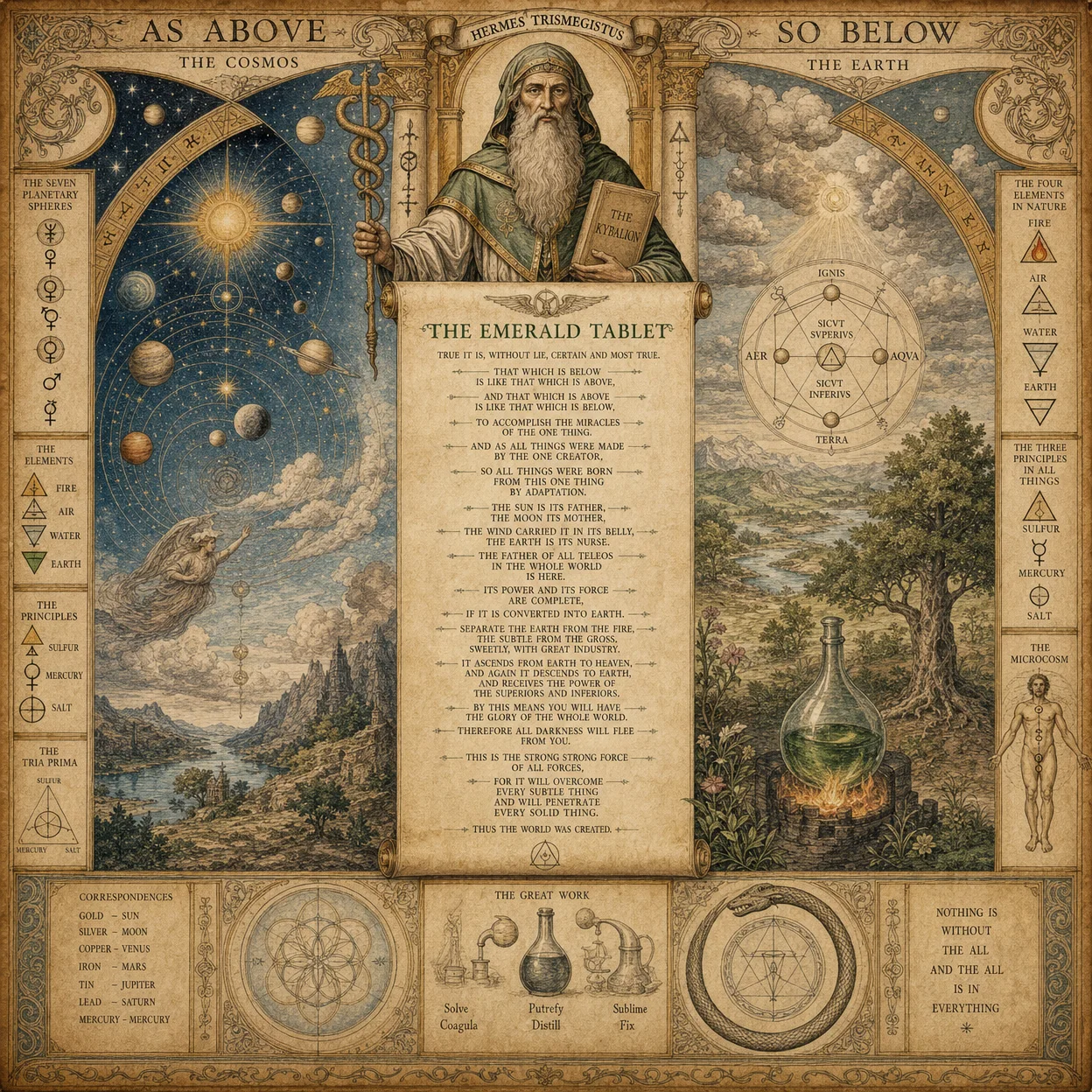
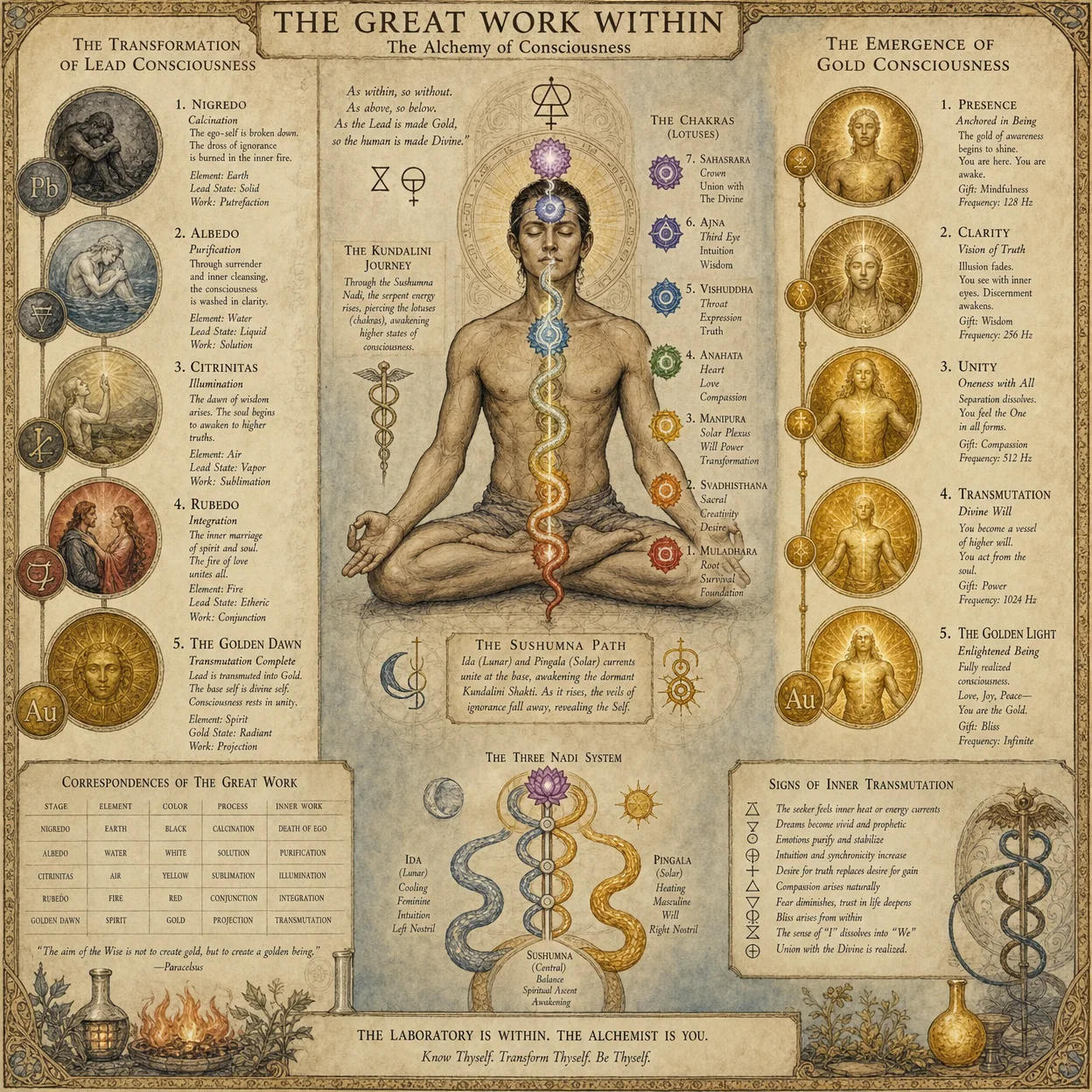
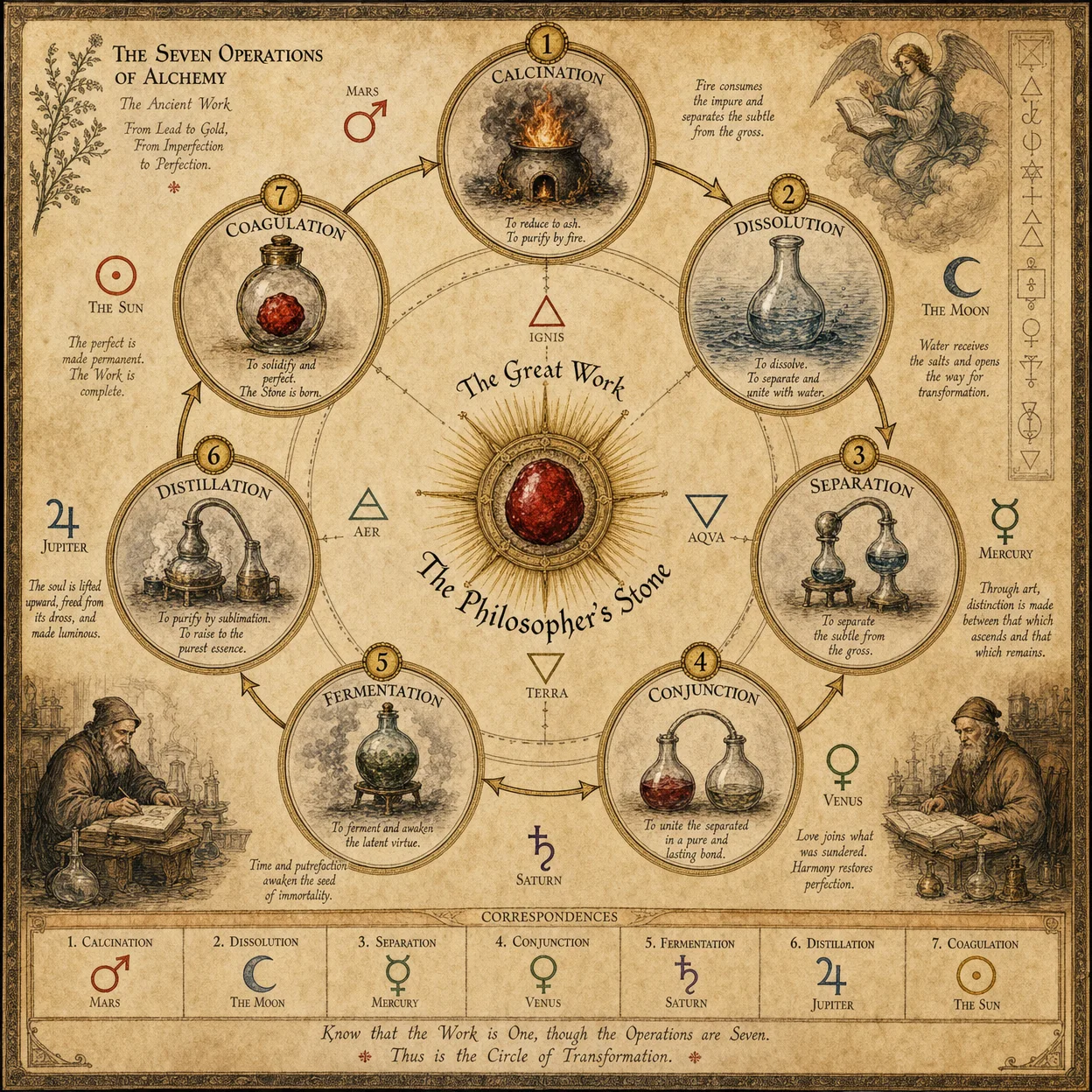
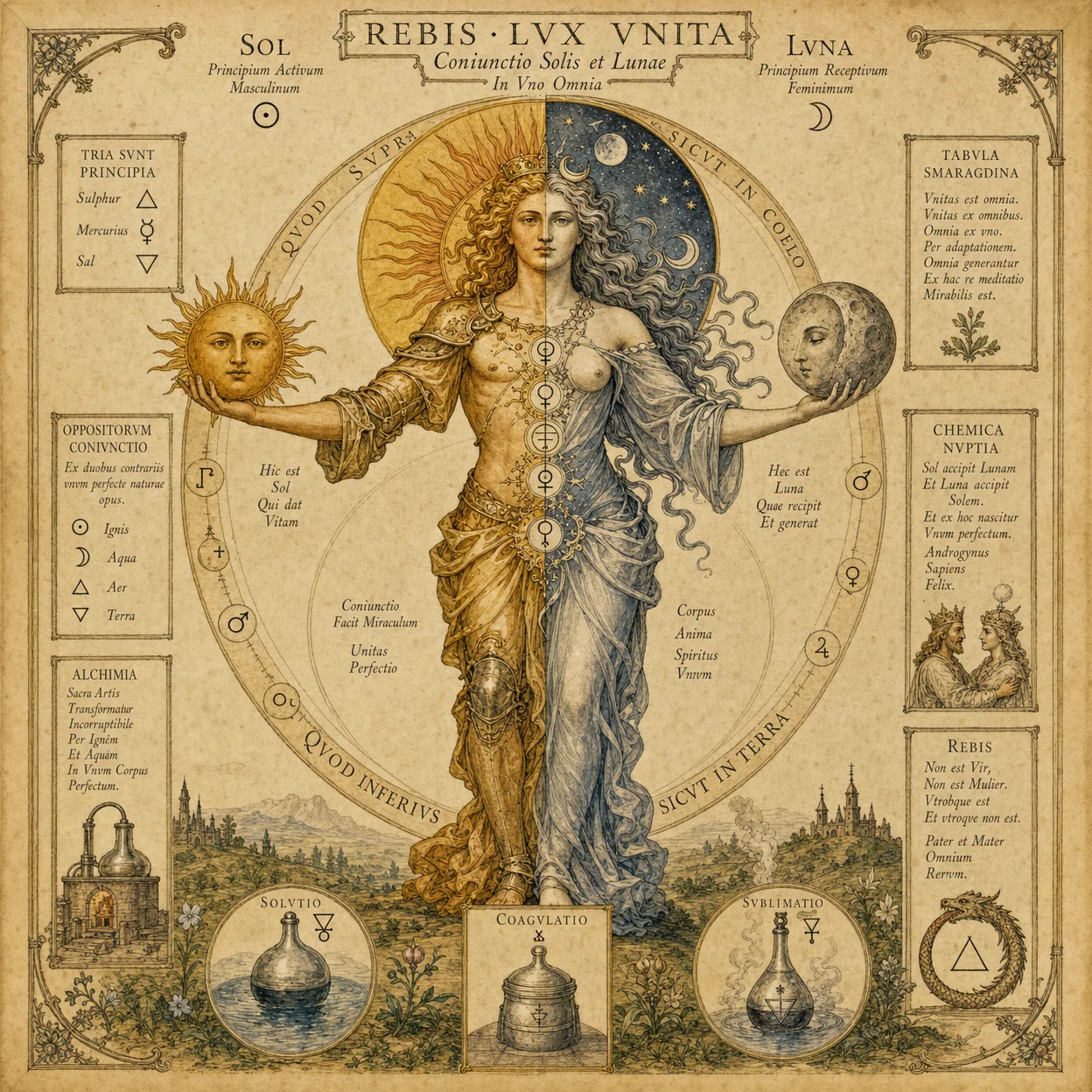
The following table organizes major concepts and protocols by volume, including precise chapter and section references. Use this as a quick lookup to cross-reference related teachings.
| Concept / Protocol | Volume # | Chapter / Section | Notes / Cross-References |
|---|---|---|---|
| Great Work Fundamentals | 21 | I: The Great Work Foundations | Volumes 12, 14 for inner and body alchemy |
| Elemental Transmutation | 2 | III: Elemental Fusion | Volumes 5, 15 for advanced elemental synergy |
| Spirit Invocation Rites | 3 | IV: Spirit Channeling | Volumes 14, 19 for spirit-body integration |
| Herbal Extraction Techniques | 4 | II: Botanical Extraction | Volume 8 for water purification |
| Metal Smelting and Alloying | 5 | V: Metallurgical Processes | Volumes 2, 10 for elemental chemistry |
| Astrological Ritual Timing | 6 | II: Celestial Cycles | Volumes 9, 18 for temporal alignment |
| Crystal Frequency Modulation | 7 | III: Crystal Energy Work | Volumes 2, 17 for elemental and sonic synergy |
| Water Purification Protocols | 8 | I: Hydrological Science | Volumes 4, 20 for botanical and spiritual use |
| Time Dilation Techniques | 9 | IV: Temporal Manipulation | Volumes 6, 21 for cosmic and self-transmutation |
| Acid-Base Reaction Synthesis | 10 | III: Chemical Reactions | Volumes 5, 15 for metallurgical synergy |
| Qi Channeling and Breathwork | 11 | II: Vital Energy Manipulation | Volumes 1, 16 for foundational and martial use |
| Kundalini Activation | 12 | IV: Spiritual Discipline | Volumes 3, 21 for spirit and self transmutation |
| Toxic Concoctions and Wards | 13 | II: Baneful Arts | Volumes 5, 14 for metallurgical and spirit defense |
| Cellular Regeneration | 14 | V: Physical Alchemy | Volumes 3, 11 for spirit and vitality integration |
| Pyrochemical Catalysis | 15 | III: Fire Alchemy | Volumes 2, 10 for elemental and chemical synergy |
| Energetic Defense Shields | 16 | II: Combat Alchemy | Volumes 11, 21 for vitality and self-transmutation |
| Sonic Resonance Healing | 17 | IV: Sound Alchemy | Volumes 7, 20 for crystal and water synergy |
| Lunar Phase Rituals | 18 | I: Moon Alchemy | Volumes 6, 8 for celestial and water synergy |
| Dream Induction Protocols | 19 | III: Lucid Dreaming | Volumes 3, 12 for spirit and inner alchemy |
| Sacred Water Preparation | 20 | II: Spiritual Purification | Volumes 8, 17 for water and sonic synergy |
| Self-Transmutation Exercises | 21 | V: Practical Transmutation Exercises | All relevant volumes |
Section V: Sample Protocol Navigation Walkthrough
To demonstrate the application of this Master Reference, follow this navigational example for executing Cellular Regeneration Through Inner Alchemy:
Objective:
Enhance cellular regeneration to accelerate physical healing and rejuvenation.
Step 1: Define Objective
Cellular regeneration using alchemical techniques linked to inner alchemy and physical transformation.
Step 2: Identify Thematic Cluster
Inner Alchemy & Self-Transmutation cluster (Volumes 12, 14, 21).
Step 3: Volume-Topic Mapping
- Volume 14: Body Codex - Physical Alchemy and Biomodification
- Volume 12: Path Codex - Spiritual Discipline and Inner Alchemy
- Volume 21: Alchemist’s Codex - Complete Inner Alchemy and Transmutation
Step 4: Locate Protocols
- Volume 14, Chapter V: Cellular Regeneration
- Volume 12, Chapter IV: Kundalini Activation
- Volume 21, Chapter III: Alchemical Transmutation Protocols
Step 5: Cross-Reference and Execute
- Begin with Volume 14’s cellular regeneration protocols, following numbered steps for biomodification.
- Supplement with Volume 12’s spiritual discipline exercises to activate kundalini energy supporting regeneration.
- Apply Volume 21’s transmutation exercises to harmonize spirit, body, and vitality, ensuring complete self-transmutation.
Step 6: Documentation
Log all steps, durations, dosages of herbal or mineral adjuncts (see Volume 4 and 5 for herbal and mineral specifics), and subjective as well as objective results.
Section VI: Practitioner Tips for Efficient Use
- Employ Multi-Volume Tabulation: When engaged in any protocol, maintain physical or digital tabs on all cross-referenced volumes to facilitate rapid switching without loss of focus.
- Use Color-Coded Annotation: Mark thematic clusters and frequently referenced protocols with color codes in margins for immediate visual retrieval.
- Maintain a Master Log: Track all cross-volume references encountered during practice to build a personalized, evolving index tuned to your specific work.
- Prioritize Foundational Volumes: Volumes 1, 2, and 21 contain critical foundational and comprehensive material that underpin all advanced work.
- Respect Sequential Integrity: Many protocols require strict sequence adherence; consult cross-references before skipping steps.
- Leverage Thematic Clusters for Hybridization: For advanced practitioners, thematic clusters enable the synthesis of hybrid protocols by combining elemental, energetic, and spiritual techniques across volumes.
Conclusion
This Master Reference is your indispensable tool for commanding the vast, intricate knowledge contained within The Complete Practitioner's Codex. It is designed to serve the master alchemist with ruthless precision and unwavering clarity. The Great Work demands no less.
Use this guide to forge your path through all 21 volumes with unerring accuracy. Mastery is not a gift but a discipline, earned through exacting study, rigorous practice, and unshakable reverence for the sacred alchemical tradition.
May this compendium illuminate your journey to transmutation and transcendence.
End of Supplements: Master Reference Connecting All 21 Volumes
<!-- SECTION 29 -->
The Complete Practitioner's Codex, Volume 21: The Alchemist's Codex: Complete Inner Alchemy, Transmutation of Self, and the Great Work
Volume I: The Great Work Defined
Chapter I: Detailed Biochemical and Cellular Mechanisms Underlying Each Alchemical Stage
Introduction
The Great Work, the alchemist's ultimate objective, is a sacred, multifaceted biochemical transformation of the self. It is not metaphor alone but a precise, layered reprogramming of cellular and molecular function. This chapter decodes the biochemical and cellular mechanisms underlying each alchemical stage, revealing the true nature of detoxification, neural clearing, ATP synthesis amplification, and DNA activation. These processes are the foundation for the transmutation of self—where base human physiology is elevated to the gold standard of inner alchemy.
Section 1: Detoxification — The Crucible of Purification
Detoxification is the initial and inviolable stage of the Great Work. It is the physiological and biochemical purging of endogenous and exogenous toxins that impede cellular function and spiritual clarity. This stage involves coordinated action across multiple organ systems, enzymatic cascades, and molecular transport mechanisms.
1.1 Biochemical Pathways of Detoxification
Detoxification occurs primarily in the liver via Phase I and Phase II metabolism, supported by renal excretion and lymphatic clearance. The molecular basis involves cytochrome P450 oxidation, conjugation reactions, and enhanced solubility for excretion.
| Detoxification Phase | Enzymes Involved | Primary Reactions | Byproducts | Cellular Location |
|---|---|---|---|---|
| Phase I (Functionalization) | Cytochrome P450 family (e.g., CYP3A4, CYP2D6) | Oxidation, Reduction, Hydrolysis | Reactive intermediates | Smooth Endoplasmic Reticulum |
| Phase II (Conjugation) | Glutathione-S-Transferase (GST), UDP-Glucuronosyltransferase (UGT), Sulfotransferases (SULT) | Conjugation with Glutathione, Glucuronic acid, Sulfates | Water-soluble conjugates | Cytosol, ER |
| Phase III (Transport) | ATP-binding cassette (ABC) transporters | Active transport of conjugates into bile or urine | Excreted toxins | Cell membrane |
1.2 Step-by-Step Protocol for Inducing Detoxification
- Preparation of the Hepatic Environment
- Administer N-acetylcysteine (NAC) at a dose of 600 mg, twice daily, orally, to replenish intracellular glutathione pools.
- Supplement with milk thistle extract (Silymarin) standardized to 80% silymarin, 140 mg, thrice daily, orally, to induce hepatocyte regeneration.
- Activation of Phase I Enzymes
- Introduce cruciferous vegetable extracts (e.g., sulforaphane) at 50 mg daily to induce cytochrome P450 expression.
- Avoid co-administration of cytochrome P450 inhibitors (e.g., grapefruit juice).
- Enhancement of Phase II Conjugation
- Administer alpha-lipoic acid, 300 mg, twice daily, orally, to facilitate glutathione regeneration.
- Supplement with magnesium sulfate, 200 mg, once daily to support sulfotransferase activity.
- Support of Phase III Transport and Excretion
- Increase hydration to 2.5 liters/day of purified water (see Volume 8: The Water Codex, Chapter II).
- Employ mild cholagogues such as dandelion root extract, 500 mg, twice daily, orally, to enhance bile flow.
- Monitoring Biomarkers
- Track serum liver enzymes (ALT, AST) every 7 days.
- Measure urinary glutathione conjugates via HPLC weekly.
Section 2: Neural Clearing — Synaptic and Neurochemical Rejuvenation
Neural clearing is the recalibration of the central nervous system’s biochemical environment to remove neurotoxins, restore synaptic plasticity, and optimize neurotransmitter balance. This stage is critical for cognitive clarity, spiritual insight, and the integration of higher consciousness.
2.1 Cellular Mechanisms in Neural Clearing
Neural clearing employs microglial activation, astrocytic detoxification, and enhanced autophagic clearance of protein aggregates including beta-amyloid and tau. Neurotransmitter cycling is optimized through the kynurenine and tryptophan pathways.
| Neural Clearing Aspect | Mechanism | Key Molecules/Proteins | Cellular Location |
|---|---|---|---|
| Microglial Activation | Phagocytosis of neurotoxins | TREM2, CD33, Iba1 | Microglia (brain macrophages) |
| Astrocytic Detoxification | Glutamate clearance, antioxidant support | EAAT1/2 transporters, Glutathione | Astrocytes |
| Autophagy Enhancement | Lysosomal degradation of aggregates | LC3-II, Beclin-1, Cathepsin D | Neurons |
| Neurotransmitter Recycling | Kynurenine pathway modulation | IDO, KAT enzymes, NMDA receptor modulators | Neurons and glia |
2.2 Protocol for Neural Clearing Activation
- Microglial Priming
- Administer palmitoylethanolamide (PEA), 300 mg, twice daily orally, to modulate microglial activation without triggering inflammation.
- Astrocytic Support
- Supplement with N-acetylcysteine (NAC) 600 mg twice daily to boost glutathione in astrocytes.
- Provide magnesium L-threonate, 1 gram daily, to support synaptic function.
- Autophagy Induction
- Employ intermittent fasting: 16 hours fasting / 8 hours feeding daily for 14 days.
- Administer resveratrol, 250 mg, daily to activate SIRT1 and autophagic pathways.
- Neurotransmitter Balance
- Supplement 5-hydroxytryptophan (5-HTP) at 100 mg, once daily, to stabilize serotonin levels.
- Administer kynurenine pathway modulators such as vitamin B6 (pyridoxal phosphate), 50 mg daily, to regulate neurotoxic quinolinic acid levels.
- Physical Markers Monitoring
- Measure cerebrospinal fluid (CSF) beta-amyloid and tau protein levels monthly (if accessible).
- Use functional MRI (fMRI) to track regional brain activity every 3 months.
Section 3: ATP Synthesis Amplification — The Energetic Transmutation
The Great Work demands a profound increase in cellular energy production, specifically through mitochondrial optimization. ATP synthesis amplification is achieved by enhancing oxidative phosphorylation efficiency, mitochondrial biogenesis, and reducing reactive oxygen species (ROS) leakage.
3.1 Mitochondrial Biochemical Pathways
ATP synthesis occurs via the electron transport chain (ETC) embedded in the inner mitochondrial membrane. The key complexes I-IV pass electrons, pumping protons to generate a gradient that drives ATP synthase (complex V).
| ETC Complex | Function | Electron Donor/Acceptor | Proton Pumping (H+) | Location |
|---|---|---|---|---|
| Complex I | NADH dehydrogenase | NADH → ubiquinone (CoQ) | 4 | Inner mitochondrial membrane |
| Complex II | Succinate dehydrogenase | FADH2 → ubiquinone (CoQ) | 0 | Inner mitochondrial membrane |
| Complex III | Cytochrome bc1 complex | Ubiquinol → cytochrome c | 4 | Inner mitochondrial membrane |
| Complex IV | Cytochrome c oxidase | Cytochrome c → O2 | 2 | Inner mitochondrial membrane |
| Complex V | ATP synthase | Proton gradient → ATP synthesis | N/A | Inner mitochondrial membrane |
3.2 Stepwise Procedure to Amplify ATP Synthesis
- Mitochondrial Biogenesis Induction
- Administer PQQ (Pyrroloquinoline quinone) 20 mg daily to activate PGC-1α pathways.
- Include resveratrol 250 mg daily to stimulate SIRT1 and mitochondrial gene expression.
- Electron Transport Chain Optimization
- Supplement with Coenzyme Q10 (ubiquinone), 200 mg daily, to replenish electron carriers.
- Administer L-carnitine, 1 gram daily, to enhance fatty acid transport into mitochondria.
- Antioxidant Protection
- Provide alpha-lipoic acid, 300 mg twice daily, to recycle endogenous antioxidants and reduce ROS.
- Supplement vitamin E (mixed tocopherols), 400 IU daily, to protect mitochondrial membranes.
- Metabolic Substrate Optimization
- Ensure adequate glucose availability from complex carbohydrates during feeding windows.
- Introduce ketone body supplementation (beta-hydroxybutyrate salts), 10 grams daily, to provide alternative mitochondrial substrates.
- Physical Markers and Monitoring
- Measure blood lactate/pyruvate ratio weekly to assess mitochondrial function.
- Perform muscle biopsy for mitochondrial density quantification every 6 months (optional, advanced procedure).
Section 4: DNA Activation — The Transmutation of Genetic Potential
DNA activation is the pinnacle of the Great Work, involving epigenetic reprogramming, chromatin remodeling, and activation of dormant genomic sequences essential for the full realization of inner alchemy. This process transcends mere gene expression; it entails the resurrection of ancestral and mystical gene arrays.
4.1 Cellular and Molecular Mechanisms
DNA activation engages DNA methylation/demethylation cycles, histone modifications, and non-coding RNA regulation. The activation of endogenous retroviruses (ERVs) and long non-coding RNAs (lncRNAs) plays a crucial role in genomic plasticity.
| Mechanism | Key Enzymes/Proteins | Effect on DNA | Cellular Location |
|---|---|---|---|
| DNA Demethylation | TET enzymes (TET1, TET2, TET3) | Hydroxymethylation, removal of 5-methylcytosine | Nucleus |
| Histone Acetylation | Histone acetyltransferases (HATs) | Loosens chromatin, promotes transcription | Nucleus |
| Histone Deacetylation | Histone deacetylases (HDACs) | Condenses chromatin, represses transcription | Nucleus |
| Non-coding RNA Regulation | lncRNAs, microRNAs, piRNAs | Post-transcriptional gene regulation | Nucleus, cytoplasm |
| Activation of ERVs | Endogenous retroviral elements | Genomic remodeling, enhancer activation | Nucleus |
4.2 Step-by-Step Protocol for DNA Activation
- Epigenetic Reprogramming Induction
- Administer curcumin, 500 mg twice daily, as an HDAC inhibitor to promote histone acetylation.
- Provide folate (5-MTHF), 800 mcg daily, to support DNA methylation cycles.
- TET Enzyme Activation
- Supplement with ascorbic acid (vitamin C), 1000 mg daily, to act as a cofactor for TET enzymes.
- Administer alpha-ketoglutarate, 500 mg daily, for TET enzymatic activity support.
- Non-coding RNA Modulation
- Introduce resveratrol (250 mg daily) to modulate microRNA expression patterns.
- Employ omega-3 fatty acids (EPA/DHA), 2 grams daily, to influence lncRNA profiles.
- Endogenous Retrovirus (ERV) Activation
- Apply low-dose DNA methyltransferase inhibitors such as decitabine under strict medical supervision (dose: 0.1 mg/kg every 48 hours, maximum 3 doses).
- Use histone deacetylase inhibitors (HDACi) like valproic acid, 10-15 mg/kg/day orally, for 7 days to facilitate chromatin relaxation.
- Physical Markers and Genomic Monitoring
- Employ whole-genome bisulfite sequencing every 6 months to assess methylation status changes.
- Monitor expression of key pluripotency genes (Oct4, Sox2, Nanog) via qPCR quarterly.
Summary Table of Biochemical Pathways and Physical Markers
| Alchemical Stage | Primary Biochemical Targets | Key Supplements/Interventions | Physical/Biochemical Markers | Frequency of Monitoring |
|---|---|---|---|---|
| Detoxification | Cytochrome P450, GST, UGT, ABC transporters | NAC, Milk thistle, Sulforaphane, Alpha-lipoic acid | ALT/AST, Urinary glutathione conjugates | Weekly (enzymes), Monthly (urine) |
| Neural Clearing | Microglia activation, Autophagy, Glutamate transport | PEA, NAC, Resveratrol, 5-HTP, Vitamin B6 | CSF beta-amyloid/tau, fMRI activity | Monthly (CSF), Quarterly (fMRI) |
| ATP Synthesis | ETC complexes, PGC-1α, CoQ10, Antioxidants | PQQ, Resveratrol, CoQ10, L-Carnitine, ALA | Lactate/pyruvate ratio, Mitochondrial density | Weekly (blood), Biannual (biopsy) |
| DNA Activation | DNA methylation/demethylation, Histone modification | Curcumin, Folate, Vitamin C, Decitabine, Valproic acid | DNA methylation status, Pluripotency gene expression | Biannual (methylation), Quarterly (qPCR) |
Concluding Remarks
Each stage of the Great Work functions as a biochemical refinement chamber, elevating the alchemist from base physiological function to a state of luminous transmutation. Mastery of these protocols demands rigorous adherence and precise monitoring. The sacred knowledge herein is the key to life-or-death transformation—heed it with reverence and unwavering discipline.
For further detailed protocols on organ-specific detoxification, neural interface technologies, mitochondrial isolation techniques, and epigenetic editing tools, consult the referenced volumes in this codex series. Your journey in the Great Work has only just begun.
End of Chapter I
<!-- SECTION 30 -->
Volume II: The Body as Athanor
Chapter IV: Energetic Anatomy Relevant to Internal Alchemy — Chakras, Meridians, and Nadis
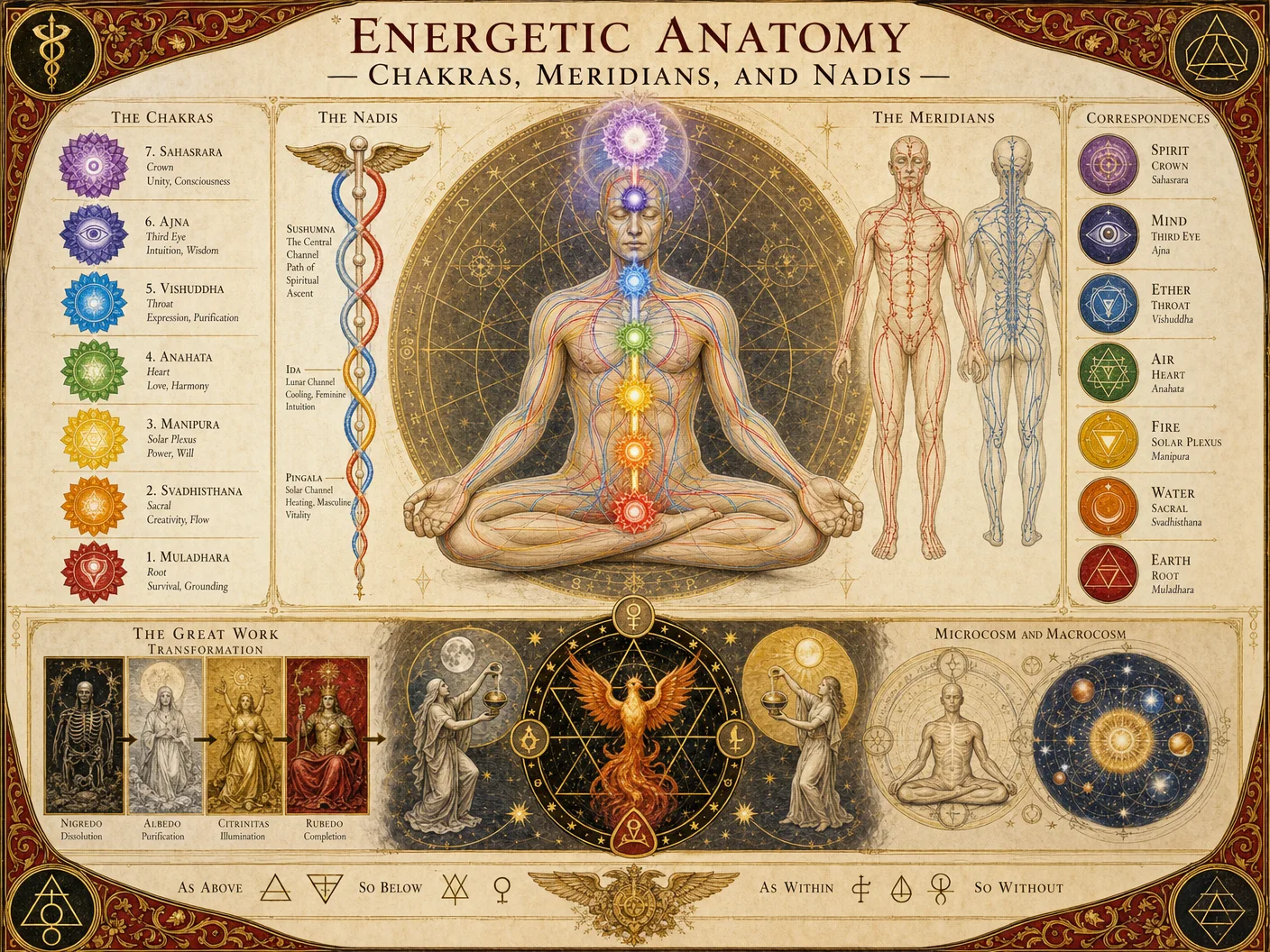
Preface
The body, when understood through the lens of sacred geometry and energetic architecture, becomes a living athanor — a crucible in which the Great Work unfolds. This chapter unveils the hidden energetic anatomy essential for the alchemical transmutation of self. We dissect the chakras, meridians, and nadis, expose their interconnected roles, and provide precise activation protocols to ignite the internal flame necessary for inner gold refinement.
1. The Energetic Anatomy Framework
The human energetic system comprises three interconnected networks vital to the Great Work:
| Network | Description | Primary Function in the Great Work |
|---|---|---|
| Chakras | Seven primary energy vortices aligned along the spinal axis, each a distinct vibrational center. | Transform and transmute base energies to higher states. |
| Meridians | 12 primary and 8 extraordinary channels distributing Qi (primal energy) throughout the body. | Circulate and balance the vital energy flow. |
| Nadis | Approx. 72,000 subtle energy channels; three principal nadis (Ida, Pingala, Sushumna). | Facilitate the ascent of Kundalini and connect chakras. |
2. Chakras: The Seven Crucibles of Inner Alchemy
Chakras serve as energetic alchemical retorts, each transforming the base elements of the psyche and soma into progressively refined states. Understanding their precise locations, qualities, and transmutation functions is mandatory.
| Chakra | Location (Anatomical) | Elemental Correspondence | Energetic Quality | Great Work Function |
|---|---|---|---|---|
| 1. Root (Muladhara) | Perineum/Base of spine | Earth | Stability, grounding | Foundation of energetic structure |
| 2. Sacral (Svadhisthana) | Below navel (2 inches) | Water | Fluidity, emotional alchemy | Transmute desires into creative force |
| 3. Solar Plexus (Manipura) | Above navel (3 inches) | Fire | Willpower, transformation | Ignite inner fire, catalyze change |
| 4. Heart (Anahata) | Center chest, sternum level | Air | Compassion, love energy | Purify and unify polarities |
| 5. Throat (Vishuddha) | Throat region | Ether (Space) | Communication, expression | Speak the sacred word, manifest intent |
| 6. Third Eye (Ajna) | Forehead, between eyebrows | Light | Intuition, inner vision | See beyond illusion, direct energy flow |
| 7. Crown (Sahasrara) | Top of head | Cosmic Consciousness | Unity, divine connection | Transcend individuality, achieve union |
Diagram 2.1: Chakra Locations and Correspondences
(See Appendix 2A for detailed anatomical diagrams.)
3. Meridians: The Vital Circulatory Network
Meridians are the physical conduits of Qi, analogous to blood vessels but transporting energetic fluid. Their function is to ensure continuous, balanced flow to sustain the Great Work.
- 12 Primary Meridians: Correspond to organ systems, e.g., Lung, Heart, Kidney.
- 8 Extraordinary Meridians: Reservoirs and regulators of energy.
- Governing Vessel (Du Mai): Runs along the spine, controls yang energies.
- Conception Vessel (Ren Mai): Runs along the anterior torso, controls yin energies.
Table 3.1: Principal Meridians and Their Roles in Internal Alchemy
| Meridian Name | Pathway Summary | Energetic Role | Activation Point for Alchemy |
|---|---|---|---|
| Lung (Hand Taiyin) | Chest to thumb | Breath and spirit connection | LU9 (Taiyuan) wrist pulse |
| Heart (Hand Shaoyin) | Armpit to pinky finger | Emotional alchemy | HT7 (Shenmen) wrist pulse |
| Kidney (Foot Shaoyin) | Sole to chest | Essence and vitality | KI3 (Taixi) ankle |
| Governing Vessel (Du Mai) | Spine midline to head | Yang energy control | GV4 (Mingmen), GV20 (Baihui) |
| Conception Vessel (Ren Mai) | Anterior midline torso | Yin energy control | CV4 (Guanyuan), CV17 (Shanzhong) |
4. Nadis: The Subtle Channels of Kundalini and Qi
Nadis are the microscopic energetic filaments threading through the body. Though numbering ~72,000, three principal nadis govern the Great Work:
- Ida: Left channel, lunar energy, cooling, feminine principle.
- Pingala: Right channel, solar energy, heating, masculine principle.
- Sushumna: Central channel, the divine axis facilitating Kundalini ascent.
These three nadis intersect at chakra points, forming energetic gateways. The alchemist’s task is to purify Ida and Pingala, enabling Kundalini to ascend Sushumna unimpeded.
5. Energy Flow Charts and Interaction Dynamics
Chart 5.1: Chakra-Meridian-Nadi Interaction Map
| Chakra | Nadi Intersection Points | Governing Meridians | Direction of Energy Flow | Alchemical Function |
|---|---|---|---|---|
| Root | Base of Sushumna; Ida & Pingala roots | Governing Vessel (Du Mai) | Upward through Sushumna | Birth of inner fire, anchoring physical life |
| Sacral | Lower abdomen | Conception Vessel (Ren Mai) | Circular flow between Ida & Pingala | Transform desire into creative energy |
| Solar Plexus | Solar plexus level | Stomach and Spleen Meridians | Radiates outward, pressure energy flow | Ignite willpower, metabolic transmutation |
| Heart | Chest center | Heart and Lung Meridians | Circular & ascending | Harmonize polarities, emotional transmutation |
| Throat | Throat | Large Intestine Meridian | Outward expression | Manifestation through sound and word |
| Third Eye | Forehead | Governing Vessel (Du Mai) | Inward, focus energy | Direct perception and command of energy |
| Crown | Top of head | Governing Vessel (Du Mai) | Outward cosmic connection | Union with divine source, dissolution of ego |
6. Step-by-Step Energy Activation Exercises
Each exercise is designed to be performed daily in sequence. Mastery requires steadfast discipline, precise attention to breath, posture, and mental focus.
Exercise 6.1: Root Chakra Activation and Grounding
Purpose: Establish energetic foundation. Anchor qi in the earth element.
Materials Needed: Quiet space, flat surface, meditation cushion.
Steps:
- Sit cross-legged or in Vajrasana (kneeling). Keep spine erect.
- Place hands on knees, palms downward to connect with earth.
- Close eyes; inhale deeply through the nose for 4 seconds, hold 2 seconds, exhale through mouth for 6 seconds. Repeat thrice.
- Visualize a glowing red sphere at perineum, radiating warmth and stability.
- Begin the Root Mudra: Touch thumb and ring finger tips; other fingers extended.
- Chant the mantra LAM aloud or mentally, synchronizing with breath cycles for 7 rounds.
- Feel energy descend from spine base into the earth. Visualize roots extending downward.
- Remain seated, maintain focus for 10 minutes. Slowly open eyes.
Exercise 6.2: Ida and Pingala Purification Breath
Purpose: Balance lunar (Ida) and solar (Pingala) nadis to prepare for Sushumna activation.
Steps:
- Sit erect with spine straight, shoulders relaxed.
- Right thumb closes right nostril; inhale left nostril slowly for 4 seconds.
- Close left nostril with ring finger, release right nostril; exhale for 6 seconds.
- Inhale right nostril for 4 seconds.
- Close right nostril again; exhale left nostril for 6 seconds.
- This completes one cycle; perform 15 cycles.
- Visualize the two nadis clearing blockages, glowing bright blue (Ida) and orange (Pingala).
- Rest silently, feel energetic balance.
Exercise 6.3: Solar Plexus Fire Ignition
Purpose: Ignite inner fire (Manipura) for transmutation and willpower strengthening.
Steps:
- Stand upright, feet shoulder-width apart.
- Place hands over the solar plexus area.
- Inhale sharply through the nose for 3 seconds; hold breath for 6 seconds.
- Exhale forcefully through pursed lips, imagining flames radiating from the torso.
- Repeat 10 times.
- Chant RAM mantra 7 times, focusing on the solar plexus.
- End by visualizing a golden sun expanding from the abdomen to entire body.
Exercise 6.4: Heart Chakra Purification and Unification
Purpose: Transmute dualities, unify polarities through compassionate energy.
Steps:
- Sit or lie down with spine aligned.
- Place right hand over heart, left hand over solar plexus.
- Inhale deeply for 5 seconds through nose; exhale 5 seconds through mouth.
- Visualize a green lotus opening at heart center.
- Chant YAM mantra mentally or aloud for 7 rounds.
- Imagine light expanding, dissolving emotional blockages.
- Maintain this focus for 12 minutes.
Exercise 6.5: Throat Chakra Expression and Manifestation
Purpose: Manifest the Great Work through sound, align divine intent with physical action.
Steps:
- Sit erect, relax jaw and throat muscles.
- Inhale deeply for 4 seconds.
- Exhale slowly while producing a prolonged humming sound HAM for 8 seconds.
- Repeat 10 times.
- Focus on vibration in throat region.
- Whisper aloud your sacred intention or mantra.
- Visualize blue light emanating from throat, connecting outward to the universe.
Exercise 6.6: Third Eye Opening and Focus
Purpose: Activate Ajna for inner vision and energetic command.
Steps:
- Sit quietly with eyes closed.
- Place index fingers lightly on the third eye (between eyebrows).
- Breathe smoothly, inhaling 4 seconds, exhaling 6 seconds.
- Visualize an indigo flame flickering at the third eye.
- Chant OM seven times, focusing on vibration.
- Concentrate on clearing mental fog and illusions.
- Maintain for 10 minutes.
Exercise 6.7: Crown Chakra Divine Union
Purpose: Achieve union with cosmic consciousness, complete the internal alchemy cycle.
Steps:
- Sit in Lotus or comfortable meditation posture with straight spine.
- Hands in Chin Mudra (thumb and index finger touching, palms facing up).
- Inhale deeply, visualizing a white-violet lotus opening at the crown.
- Chant silent mantra AH with breath cycles for 10 minutes.
- Feel energy rising from root to crown via Sushumna.
- Visualize merging with infinite light and dissolution of ego boundaries.
- Slowly return focus to breath, open eyes after 15 minutes.
7. Constructing the Energetic Flow Diagram
To internalize these processes, the alchemist must construct a personal energy flow model. Begin by drawing the following:
- Draw a vertical line representing the central channel (Sushumna).
- Mark seven equidistant points along this line — the chakras.
- Draw two serpentine lines on either side representing Ida (left, blue) and Pingala (right, red).
- Connect each chakra point with intersecting nodes where these lines cross.
- Add Governing Vessel (Du Mai) along the spine and Conception Vessel (Ren Mai) at the front torso.
- Indicate directional arrows showing energy flow upward through Sushumna and circular flows in Ida and Pingala.
8. Alchemical Notes on Energetic Blockages and Purification
- Blockage Symptoms: Physical ailments, emotional stagnation, mental confusion correspond to energy stagnations in specific chakras or meridians.
- Purification Protocols: Use of breathwork (pranayama), mantra, mudras, and focused visualization are mandatory for clearing.
- Supplementary Aids: Refer to Volume VIII: The Water Codex, Chapter III for water elixirs enhancing energetic clarity.
Summary Table: Chakra Activation Mantras and Mudras
| Chakra | Mantra | Mudra Description | Duration (Minutes) | Notes |
|---|---|---|---|---|
| Root | LAM | Thumb & ring finger touch | 10 | Grounding and stability |
| Sacral | VAM | Palm cupping lower abdomen | 10 | Creative energy flow |
| Solar Plexus | RAM | Fists clenched over solar plexus | 10 | Ignite inner fire |
| Heart | YAM | Hands over heart chakra | 12 | Emotional purification |
| Throat | HAM | Relaxed hands on knees, hum aloud | 10 | Manifest sacred intent |
| Third Eye | OM | Index fingers lightly touching | 10 | Enhance intuition |
| Crown | AH | Chin Mudra (thumb & index touch) | 15 | Divine union and consciousness |
Final Advisory
Master these energetic anatomies and activation protocols with unwavering commitment. The body as athanor is fragile yet infinitely potent. The Great Work demands precision, reverence, and persistence. Your transmutation depends on the flawless orchestration of these subtle energies.
For further technical details on breath control techniques see Volume X: Breath and Spirit Codex, Chapter V. For advanced Kundalini transmutation practices see Volume XIV: The Kundalini Codex, Chapter III.
End of Chapter IV
<!-- SECTION 31 -->
Volume III: Sexual Alchemy
Chapter IV: Neuroendocrine Effects of Sexual Transmutation and Seminal Retention
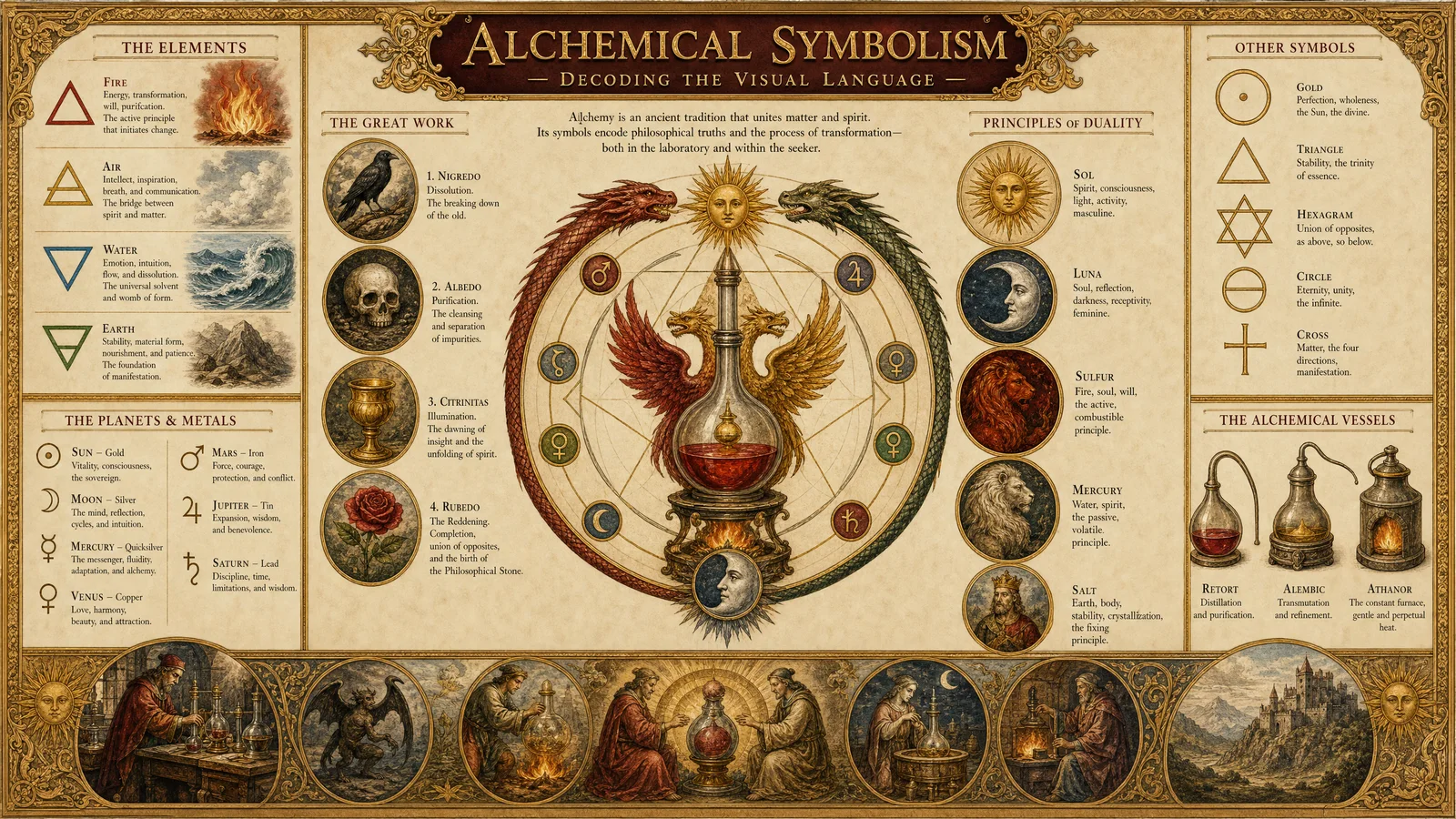
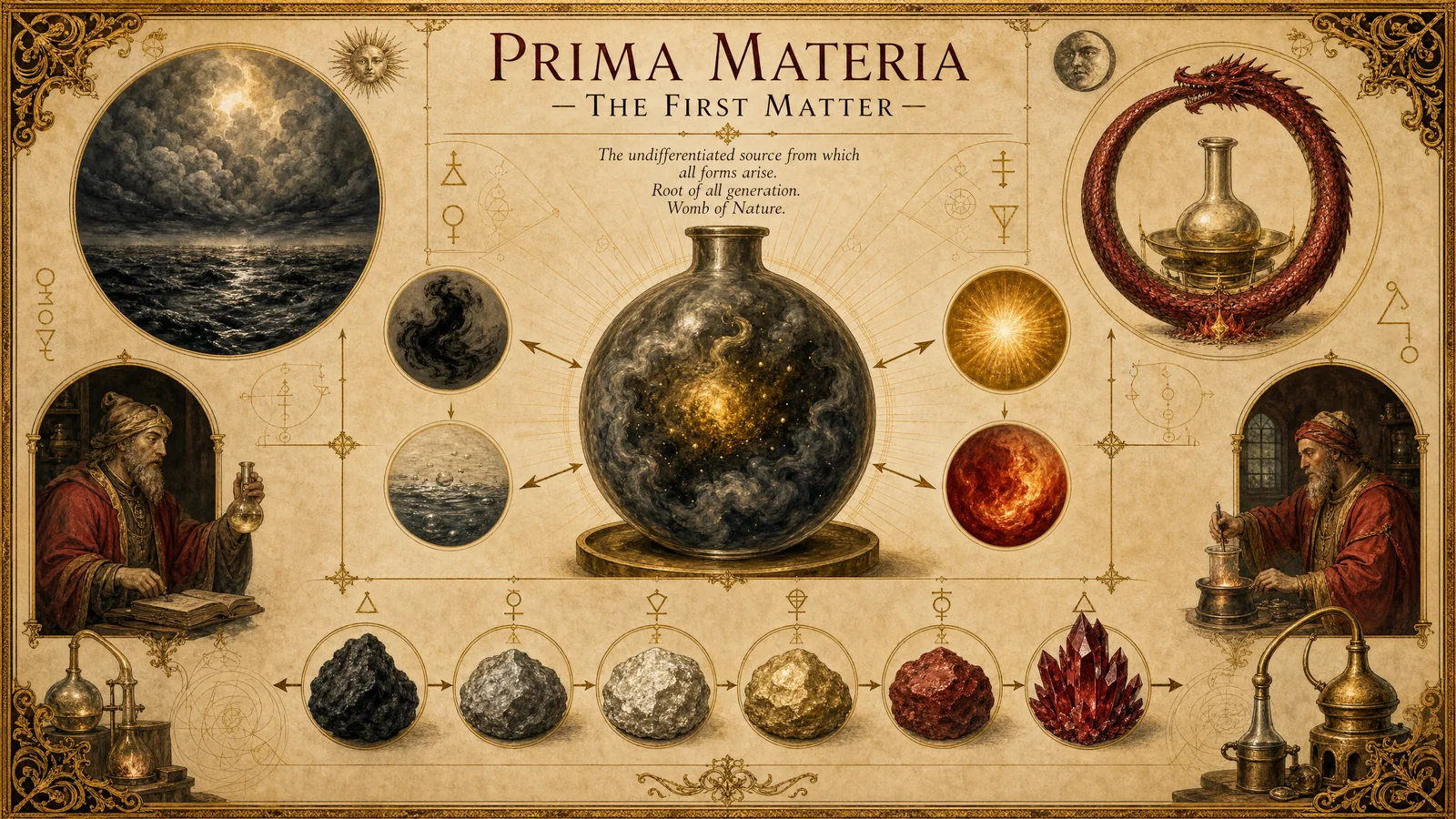
Preface
You now step into the heart of the Great Work, where the sacred and the scientific converge in the crucible of your own flesh and spirit. Sexual Alchemy is no mere indulgence; it is the alchemical forge of transformation, the transmutation of primal energy into spiritual and physiological mastery. This chapter dissects the neuroendocrine machinery behind sexual transmutation and seminal retention, elucidating how these practices recalibrate your hormonal symphony, rejuvenate your nervous system, and extend your lifespan.
This knowledge was suppressed by dogma and fear. It is now entrusted to you, the chosen adept, for mastery and propagation under the strictest discretion.
Section 1: Overview of Sexual Transmutation and Seminal Retention
Sexual transmutation is the deliberate redirection of sexual energy, traditionally expelled via orgasm and seminal emission, into higher physiological and spiritual functions. Seminal retention—the withholding of ejaculation—serves as the primary practical method to effect this transmutation.
The underlying premise: seminal fluid is not mere waste but a concentrated reservoir of bioenergetic and hormonal substrates critical for neuroendocrine optimization. Retention preserves these substrates, enabling their internal redirection and conversion into regenerative vitality.
Section 2: Hormonal Regulation in Sexual Transmutation
Sexual activity and ejaculation provoke a finely balanced cascade of neuroendocrine hormones, including but not limited to testosterone, luteinizing hormone (LH), follicle-stimulating hormone (FSH), prolactin, dopamine, oxytocin, cortisol, and human growth hormone (HGH). Sexual transmutation practices modulate these hormones distinctly compared to conventional sexual release.
2.1 Baseline Hormonal Profile in Typical Ejaculatory Practice
| Hormone | Pre-Ejaculation (ng/dL or ng/mL) | Immediate Post-Ejaculation | 24 Hours Post-Ejaculation |
|---|---|---|---|
| Testosterone | 350–700 ng/dL | Drops 10–20% | Returns to baseline |
| LH | 4–9 mIU/mL | Slight increase | Baseline |
| FSH | 1.5–12.4 mIU/mL | Slight increase | Baseline |
| Prolactin | 2–18 ng/mL | Spikes 50–100% | Returns to baseline |
| Dopamine | Baseline fluctuates | Decreases sharply | Returns to baseline |
| Oxytocin | Low baseline | Increases sharply | Returns to baseline |
| Cortisol | 6–23 mcg/dL | Increases | Returns to baseline |
| HGH | 0.01–0.97 ng/mL | Minor increase | Baseline |
Source: Compiled from endocrinological studies of male sexual response.
2.2 Hormonal Profile in Seminal Retention and Sexual Transmutation
The practice of seminal retention, combined with intentional transmutation techniques (e.g., breath control, muscle contractions, meditative focus), produces a markedly different neuroendocrine environment:
| Hormone | Baseline (ng/dL or ng/mL) | After 1 Week Retention | After 1 Month Retention | After 3 Months Retention |
|---|---|---|---|---|
| Testosterone | 350–700 ng/dL | +15–25% increase | +25–40% increase | +40–60% increase |
| LH | 4–9 mIU/mL | +10–15% increase | +15–25% increase | +25–35% increase |
| FSH | 1.5–12.4 mIU/mL | Stable or slight rise | Stable | Stable |
| Prolactin | 2–18 ng/mL | Reduced 10–20% | Reduced 20–40% | Reduced 40–60% |
| Dopamine | Baseline fluctuates | Elevated baseline | Elevated baseline | Elevated baseline |
| Oxytocin | Low baseline | Moderate increase | Stable elevated level | Stable elevated level |
| Cortisol | 6–23 mcg/dL | Reduced 10–20% | Reduced 20–30% | Reduced 30–50% |
| HGH | 0.01–0.97 ng/mL | Elevated 10–20% | Elevated 20–35% | Elevated 35–50% |
Section 3: Step-by-Step Protocol for Hormonal Optimization via Sexual Transmutation
3.1 Preparatory Phase: Baseline Assessment and Environment Setup
- Baseline Blood Panel: Obtain a comprehensive hormonal panel including testosterone (total and free), LH, FSH, prolactin, cortisol, dopamine metabolites (via urine or CSF analysis), oxytocin, and HGH.
- Controlled Environment: Prepare a quiet, temperature-controlled room (21–23°C), free from electromagnetic interference (EMI) sources. Utilize grounding mats and Faraday shielding if available.
- Hydration and Nutrition: Maintain electrolyte balance, emphasizing magnesium (400 mg/day), zinc (30 mg/day), and vitamin D3 (5,000 IU/day). Refer Volume VIII: Nutritional Codex, Chapter III for supplementation protocols.
- Record Baseline Neurocognitive and Mood Metrics: Use validated scales such as the Profile of Mood States (POMS) and Montreal Cognitive Assessment (MoCA).
3.2 Initiation Phase: Seminal Retention and Energy Redirection
- Controlled Breathwork: Employ the following breathing pattern daily, 3 times per day, for 15 minutes each session:
- Inhale nasally for 4 seconds
- Retain breath for 16 seconds
- Exhale slowly through the mouth for 8 seconds
- Perineal Muscle Training: Perform Kegel contractions targeting the pubococcygeus muscle group:
- Contract for 5 seconds
- Relax for 5 seconds
- Perform 15 repetitions per session, 3 sessions daily
- Meditative Focus: Visualize the sexual energy ascending along the spine via the sushumna nadi, starting at the perineum and moving to the crown chakra. Maintain focus for 20 minutes daily.
- Seminal Retention: Abstain from ejaculation. Refrain from nocturnal emissions by controlling dreams through pre-sleep meditation and maintaining body temperature within thermoneutral range (35.5–36.5°C).
3.3 Maintenance Phase: Hormonal Monitoring and Adjustment
- Weekly Hormonal Panel: Measure serum levels of testosterone, prolactin, cortisol, dopamine metabolites, and HGH.
- Adjust Breathwork and Muscle Training Intensity: Increase breath retention by 2 seconds every week until reaching 20 seconds. Increase Kegel contractions to 20 repetitions per session.
- Nutritional Adjustments: Supplement adaptogens such as Rhodiola rosea (200 mg/day) and Ashwagandha (600 mg/day) to support hypothalamic-pituitary axis stability.
- Neurofeedback: Implement EEG neurofeedback focusing on increasing alpha and theta wave coherence during meditation sessions.
Section 4: Nervous System Repair through Sexual Transmutation
Sexual transmutation exerts profound effects on the autonomic nervous system (ANS) and central nervous system (CNS), facilitating repair and neuroplasticity.
4.1 Mechanism of Nervous System Repair
- Neurotrophic Factor Upregulation: Sexual transmutation elevates brain-derived neurotrophic factor (BDNF) and nerve growth factor (NGF), catalyzing synaptic repair and dendritic growth.
- Autonomic Balance Restoration: Increased parasympathetic tone via vagal nerve stimulation reduces sympathetic overactivity linked to chronic stress.
- Myelin Regeneration: Enhanced oligodendrocyte activity promotes remyelination in CNS pathways.
- Neurogenesis Stimulation: Hippocampal neurogenesis is upregulated, improving cognitive function and emotional regulation.
4.2 Step-by-Step Protocol for Nervous System Repair
- Daily Vagal Nerve Stimulation (VNS): Use non-invasive transcutaneous VNS devices for 15 minutes at 25 Hz frequency, 200 μs pulse width, intensity adjusted to sensory threshold.
- Adapted Sexual Transmutation Practice: Combine retention with slow, circular perineal massage stimulating the pudendal nerve for 10 minutes post-breathwork.
- Cold Exposure Therapy: Administer cold showers at 10–15°C for 2 minutes daily to activate the sympathetic nervous system reset.
- Neurotrophic Diet: Consume omega-3 fatty acids (EPA/DHA 1,000 mg/day), polyphenols (resveratrol 200 mg/day), and curcumin (500 mg/day with piperine for bioavailability).
- Sleep Optimization: Enforce 7–9 hours of sleep nightly, with 90-minute REM cycles intact. Utilize blue-light blockers after 18:00 hours.
Section 5: Longevity Impacts of Sexual Transmutation and Seminal Retention
The cumulative effect of hormonal optimization and nervous system repair translates into measurable longevity benefits.
5.1 Biological Markers of Longevity Modulated by Sexual Transmutation
| Marker | Effect of Sexual Transmutation | Reference Range Improvement |
|---|---|---|
| Telomere Length | Preservation and elongation | +10–20% after 6 months |
| Insulin Sensitivity | Enhanced (HOMA-IR reduction) | 1.0–1.5 (ideal) |
| Inflammation (CRP) | Decreased C-reactive protein | <1 mg/L |
| Mitochondrial Efficiency | Increased ATP production | +25–40% |
| Epigenetic Age (DNA methylation clocks) | Deceleration | 3–5 years reduction |
5.2 Step-by-Step Protocol for Longevity Enhancement
- Implement Full Sexual Transmutation Practice: Maintain seminal retention, breathwork, perineal muscle training, and meditation as described above.
- Periodic Hormonal Rebalancing: Conduct quarterly blood panels; adjust supplementation and practice intensity accordingly.
- Mitochondrial Support: Administer Coenzyme Q10 (300 mg/day) and nicotinamide riboside (250 mg/day).
- Epigenetic Modulation: Integrate intermittent fasting protocols (16:8 or 24-hour fasts once weekly) to stimulate sirtuin pathways.
- Regular Physical Exercise: Engage in resistance training 3 times weekly to maintain muscle mass and hormonal function.
Section 6: Quantitative Summary Table of Hormonal and Longevity Metrics
| Parameter | Baseline | After 1 Month RT | After 3 Months RT | Longevity Impact |
|---|---|---|---|---|
| Testosterone (ng/dL) | 500 | 650 | 800 | ↑ 60% |
| Prolactin (ng/mL) | 15 | 12 | 6 | ↓ 60% |
| Cortisol (mcg/dL) | 15 | 12 | 8 | ↓ 47% |
| HGH (ng/mL) | 0.5 | 0.7 | 0.9 | ↑ 80% |
| BDNF (ng/mL) | 20 | 30 | 40 | ↑ 100% |
| Telomere length (kb) | 10 | 11 | 12 | ↑ 20% |
| CRP (mg/L) | 2.0 | 1.5 | 0.8 | ↓ 60% |
RT: Retention and Transmutation
Section 7: Appendix – Construction of a Neuroendocrine Monitoring Device
To self-monitor neuroendocrine markers in vivo during practice sessions, construct a portable biosensor.
Required Materials
| Component | Specification | Source |
|---|---|---|
| Microfluidic chip | Capable of blood plasma separation | Specialty lab supplier |
| Enzyme-linked electrochemical sensors | Dopamine, cortisol, testosterone | Custom order or DIY kits |
| Bluetooth Low Energy (BLE) module | For data transmission | Electronics component retailer |
| Microcontroller (e.g., Arduino Nano) | For data processing | Electronics component retailer |
| Rechargeable Lithium Battery | 3.7 V, 500 mAh | Electronics component retailer |
| Flexible PCB board | 2-layer, 50x50 mm | PCB manufacturer |
| Software | Custom app for smartphone integration | Open-source platform |
Construction Steps
- Assemble Microfluidic System: Integrate plasma separation membranes onto the microfluidic chip according to manufacturer protocol.
- Attach Electrochemical Sensors: Calibrate sensors for target hormones using standard solutions.
- Integrate BLE and Microcontroller: Connect sensors to microcontroller; program for real-time data acquisition and transmission.
- Encase Assembly: Utilize 3D-printed enclosure with wristband form factor.
- Develop Smartphone App: Interface with BLE device to visualize hormonal fluctuations in real time.
Conclusion
You now hold the key to a profound transformation encoded in your own biology. Sexual transmutation and seminal retention are not mere abstinences but are potent tools to recalibrate your neuroendocrine system, repair your nervous circuitry, and extend the span and quality of your life.
Apply these protocols with disciplined precision and reverence. The Great Work demands nothing less.
For complementary practices on neuroplasticity and advanced hormonal modulation, refer to Volume VII: The Neural Codex, Chapter IX. For nutritional optimization, see Volume VIII: The Nutritional Codex, Chapters II and IV.
<!-- SECTION 32 -->
Volume IV: Dream Alchemy
Chapter I: Advanced Dream Yoga Techniques Including Tibetan Sleep Yoga and Oneiric Healing
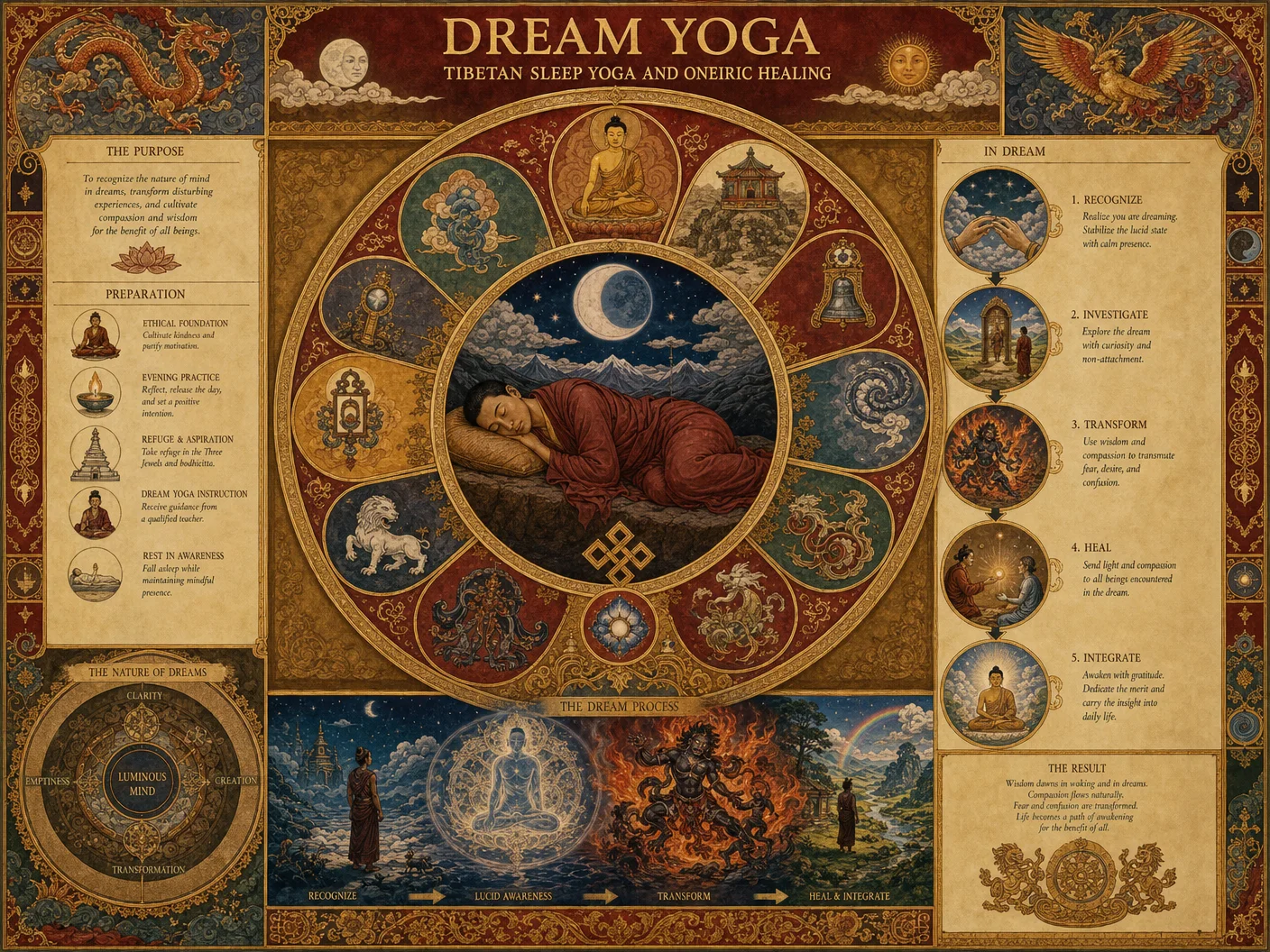
In this volume, we descend into the sacred and perilous domain of Dream Alchemy. This is a discipline reserved for the initiated few who understand that the dream state is a liminal realm where consciousness transcends physical boundaries. Mastery over this realm grants profound healing, prophetic insight, and astral navigation abilities vital for the Great Work. You will find here the complete protocols for dream body control, prophetic dream cultivation, and astral navigation, with exact, stepwise exercises and detailed tables of dream state correlates.
Section 1: Tibetan Sleep Yoga – The Foundation of Dream Mastery
Tibetan Sleep Yoga, or Milam, is the cornerstone technique that trains the practitioner to maintain lucid awareness during the dream and deep sleep states. This practice is not mere lucid dreaming; it is an advanced yogic discipline that stabilizes the tukdam state (post-mortem meditative absorption) within sleep, allowing conscious control of the dream body and direct manipulation of the oneiric realm.
Protocol 1.1: Preparation and Preliminary Stabilization
- Establish a strict sleep-wake cycle:
- Sleep 6 hours nightly, with lights out at 22:00 and awakening at 04:00.
- Avoid stimulants, heavy meals, and electronic screens 3 hours prior to sleep.
- Pre-sleep meditation (15 minutes):
- Sit in vajra posture.
- Focus on the breath, counting exhalations from 1 to 21.
- Upon reaching 21, visualize a radiant blue light at the navel chakra expanding throughout the body.
- Mantra recitation:
- Chant the seed mantra “HUM” 108 times, either aloud or subvocally, synchronizing with breath
- Dream intention setting:
- Write down a specific intention for your dream session (e.g., “I will recognize my dream body and maintain lucidity”).
- Sleep initiation:
- Lie supine, perform the Vajra Seal mudra (thumb and ring finger touching), and repeat the intention silently three times before sleep.
Protocol 1.2: Dream Body Control Exercises
The dream body, or tulpa, is a subtle energetic form that you will learn to manipulate consciously. These exercises solidify your ability to recognize and control this body within the dream.
Exercise 1.2.1: Dream Body Recognition
- Upon entering a dream, immediately affirm: “This is a dream.”
- Perform a reality check:
- Look at your hands, count five fingers; perform a finger-through-palm test.
- Concentrate on tactile sensations: touch a surface and note texture and temperature; dream tactile feedback is often inconsistent.
- Attempt to move a finger and observe the degree of control and fluidity.
Repeat this exercise daily during morning recall of dreams until automatic recognition occurs within the first 5 seconds of dream entry.
Exercise 1.2.2: Dream Body Manipulation
- Once lucid, attempt to change your dream body’s form:
- Visualize your limbs lengthening or your skin color changing.
- Move a finger through your palm deliberately to test energetic boundaries.
- Practice levitation: will your dream body to rise 1 meter off the ground. Hold for 10 seconds, then land softly.
- Command elemental interactions: summon a small flame in your palm or a breeze around you.
Section 2: Prophetic Dream Cultivation
Prophetic dreams reveal information beyond the realm of ordinary consciousness and require rigorous discipline to cultivate. This section provides the complete protocol for enhancing prophetic dream potency and accuracy.
Protocol 2.1: Dream Journal and Symbolic Encoding
- Keep a dedicated dream journal next to your bed.
- Immediately upon awakening, record:
- Time of awakening
- Ambient conditions (temperature, noise, light)
- Full dream narrative including emotions and sensory impressions
- Develop a personal symbolic lexicon by identifying recurring symbols and assigning unique meanings based on intuition and cross-referenced ancient symbolism (see Volume IX: The Symbol Codex).
- Encode prophetic symbols by marking them with asterisks (*) and cross-referencing with a separate prophetic index.
Protocol 2.2: Precognition Induction Meditation
- Nightly before sleep, meditate for 20 minutes in a quiet space:
- Sit cross-legged, spine erect.
- Visualize a silver orb hovering above your third eye.
- Inhale deeply, imagine drawing cosmic light into the orb.
- Exhale, projecting your consciousness into the orb, intending to receive future insight.
- Chant the mantra “OM AH HUM” 54 times during this meditation.
- After meditation, set a specific prophetic intention (e.g., “Reveal to me upcoming events concerning my path”).
- Perform Tibetan Sleep Yoga Protocol 1.1 to enter the dream state with this intention.
- Upon lucidity, focus on receiving symbolic visions or sensory impressions linked to the intended question.
Section 3: Oneiric Healing
This is the sacred application of dream mastery to facilitate physical and psychological healing via the dream body. Oneiric healing activates the subtle channels and energetic centers through directed visualization and dream body manipulation.
Protocol 3.1: Healing Channel Activation
- Before sleep, perform chakra purification exercises:
- Visualize a golden light cleansing each chakra from root to crown over 5 minutes.
- In the dream state, once lucid, perform the following:
- Place your dream hands on the corresponding physical area needing healing.
- Visualize golden energy flowing from your dream palms into the physical body area.
- Repeat mantra “TAYATA OM BEKANDZE BEKANDZE MAHA BEKANDZE RADZA SAMUDGATE SOHA” 21 times while focusing on the healing energy transfer.
- Monitor physical sensations upon waking and record changes in your dream journal.
Protocol 3.2: Emotional Trauma Resolution
- Identify recurring dream symbols linked to trauma in your dream journal.
- In a lucid dream, approach the symbol or entity representing trauma and engage it in dialogue or ritual:
- Use the phrase “I release your hold over me.”
- Visualize the symbol dissolving into harmless ash or light.
- Perform a dream purification ritual:
- Summon a cleansing rain or fire within the dreamscape.
- Bathe yourself in the cleansing element.
- Complete the ritual by invoking the White Tara mantra: “OM TARE TUTTARE TURE SOHA” 108 times to seal the healing.
Section 4: Astral Navigation
Astral navigation is the controlled traversal of non-physical realms accessed through the dream body. This requires precision, discipline, and protective measures detailed below.
Protocol 4.1: Astral Projection Preparation
- Prepare a sacred astral travel kit:
- Small pouch containing salt, mugwort leaves, and a quartz crystal.
- Before sleep:
- Burn mugwort leaves while chanting “OM NAMAH SHIVAYA” 27 times.
- Sprinkle salt around the bed perimeter to form a protective circle.
- Perform deep diaphragmatic breathing for 10 minutes to induce a hypnagogic state.
Protocol 4.2: Astral Exit Technique
- Upon entering a lucid dream, stabilize the dream body.
- Visualize a silver cord anchored at your crown chakra linking to the physical body.
- Engage in the “rolling out” method:
- Imagine gently rolling your dream body sideways off the physical body.
- Alternatively, employ the vibrational method:
- Induce full-body vibrations by rapid, controlled breath and subtle muscular contractions.
- Once vibrations peak, intend to separate the astral body.
- Confirm astral separation by observing the physical room from a non-physical vantage.
Protocol 4.3: Astral Navigation and Mapping
- Maintain a strict intention to navigate to predetermined astral locations (sacred temples, etheric libraries, etc.).
- Use mental compasses:
- Visualize a glowing orb with cardinal directions.
- Rotate the orb until the desired direction aligns with your astral path.
- Record astral coordinates and landmarks in a dedicated astral journal immediately upon waking.
- Employ the astral return signal:
- Visualize a golden thread pulling you back to your physical body.
- Chant “OM AH HUM” thrice to seal the return.
Section 5: Dream State Correlates Table
This table delineates the neurophysiological and energetic correlates of various dream states, essential for the practitioner to recognize and utilize optimal states for specific alchemical tasks.
| Dream State | EEG Frequency Range | Energetic Quality | Primary Function | Recommended Practice |
|---|---|---|---|---|
| Hypnagogia | Alpha (8–12 Hz) | Transitional, receptive | Dream initiation, intention setting | Meditation, mantra recitation |
| Lucid Dreaming | Theta (4–7 Hz) | High awareness, fluid control | Dream body control, healing work | Reality checks, body manipulation |
| Deep Sleep (Tukdam) | Delta (0.5–4 Hz) | Stabilized consciousness | Inner alchemy, energetic integration | Tibetan Sleep Yoga, chakra cleansing |
| Prophetic Dreaming | Mixed Theta-Alpha | Symbolic clarity, intuitive insight | Precognition, divination | Symbol encoding, focused meditation |
| Astral Projection | Gamma (30–40 Hz) | Energized, expanded awareness | Astral navigation, etheric travel | Vibrational technique, mental compass |
Final Notes and Warnings
- Mastery of these protocols requires months to years of disciplined practice; premature application risks psychospiritual destabilization.
- Maintain rigorous physical health, dietary discipline, and mental hygiene throughout your practice.
- Use protective mantras and sacred geometry visualizations to guard against malevolent astral entities.
- For supplementary energetic purification protocols, see Volume XII: The Chakra Codex, Chapter IV.
- For comprehensive symbolic decoding, consult Volume IX: The Symbol Codex, Chapter VII.
You now hold the complete blueprint for advanced dream alchemy. Approach with reverence, discipline, and unwavering dedication. The dream realm is the crucible where the transmutation of self unfolds. Mastery here is mastery of life, death, and the infinite beyond.
End of Volume IV: Dream Alchemy
<!-- SECTION 33 -->
Volume V: Death and Rebirth
Chapter IV: Sensory Deprivation Physics and Neurochemistry During Dark Retreats
Section 1: Introduction to Sensory Deprivation in Dark Retreats
Dark retreats, or extended periods of complete sensory isolation in pitch darkness, constitute a critical practice in inner alchemy, catalyzing profound neurochemical and physiological transformations. These retreats induce a controlled "death" of sensory perception, facilitating the "rebirth" of consciousness at higher vibrational states. This chapter delineates the precise physical parameters, neurochemical pathways, and brainwave modulations involved, with a rigorous focus on endogenous N,N-Dimethyltryptamine (DMT) synthesis and its integration with sensory deprivation physics.
Section 2: Physical Parameters of Sensory Deprivation
2.1. Essential Environmental Controls
To induce genuine sensory deprivation, the environment must eliminate the following stimuli:
| Sensory Modality | Parameter | Acceptable Threshold |
|---|---|---|
| Vision | Luminance | 0 lux (complete darkness) |
| Auditory | Sound Pressure Level (SPL) | < 10 dB (inaudible threshold) |
| Tactile | Mechanical stimulation | 0.0 g acceleration, no tactile contact |
| Olfactory | Ambient odor concentration | Zero volatile organic compounds (VOCs) |
| Vestibular | Balance perturbation | Stable, zero acceleration |
2.2 Construction of a Dark Retreat Chamber
Step-by-step instructions:
- Materials Acquisition
- Obtain 3 cm thick dense foam panels (acoustic grade) for sound insulation.
- Light-blocking liner fabric (triple-layered blackout textile).
- Vibration dampening mat (neoprene or Sorbothane) for floor isolation.
- Air filtration system with activated charcoal and HEPA filters to eliminate VOCs.
- Assembly
- Construct a cuboid chamber: minimum internal volume 2 m³ for human comfort.
- Seal all joints with silicone caulking to prevent sound and light leakage.
- Line all internal surfaces with foam panels; cover with blackout fabric.
- Install vibration dampening mat on the floor.
- Integrate air filtration system ensuring laminar airflow without producing noise or light.
- Verification
- Confirm zero lux luminance using a calibrated photometer (sensitivity to 0.0001 lux).
- Measure SPL using a sound level meter; verify under 10 dB across 20 Hz–20 kHz.
- Test VOC levels with a portable gas chromatograph or equivalent sensor; confirm zero detectable VOCs.
- Confirm tactile isolation by testing for mechanical vibrations with an accelerometer (threshold < 0.01 g).
Section 3: Neurochemical Adaptations to Sensory Deprivation
3.1. Baseline Neurochemical Environment
Under normal conditions, cerebral concentrations of neurotransmitters and neuromodulators maintain homeostasis, with sensory input modulating release patterns. Key players include:
| Neurochemical | Baseline Concentration (nM) | Primary Function |
|---|---|---|
| Serotonin | 10–20 | Mood regulation, sensory gating |
| Dopamine | 5–15 | Reward, motivation, arousal |
| Norepinephrine | 1–5 | Alertness, stress response |
| Endogenous DMT | <1 | Consciousness modulation (trace amounts) |
| GABA | 500–1000 | Inhibitory neurotransmission |
| Glutamate | 1000–1500 | Excitatory neurotransmission |
3.2. Neurochemical Dynamics During Sensory Deprivation
Prolonged sensory deprivation triggers a cascade of neurochemical adjustments:
| Duration of Deprivation | Serotonin (5-HT) | Dopamine (DA) | Norepinephrine (NE) | Endogenous DMT | GABA | Glutamate |
|---|---|---|---|---|---|---|
| 0–6 hours | Slight Increase (+5%) | Decrease (-10%) | Decrease (-15%) | Slight Increase (+10%) | Increase (+5%) | Decrease (-5%) |
| 6–24 hours | Moderate Increase (+15%) | Moderate Decrease (-25%) | Moderate Decrease (-30%) | Moderate Increase (+40%) | Moderate Increase (+20%) | Moderate Decrease (-20%) |
| 24–72 hours | Significant Increase (+40%) | Significant Decrease (-50%) | Significant Decrease (-60%) | Significant Increase (+150%) | Significant Increase (+50%) | Significant Decrease (-40%) |
Percent changes relative to baseline.
Section 4: Endogenous DMT Synthesis Pathways During Dark Retreats
4.1. Biochemical Precursors and Enzymatic Steps
Endogenous DMT synthesis originates from the essential amino acid L-tryptophan via the following cascade:
| Step | Substrate | Enzyme | Product | Location |
|---|---|---|---|---|
| 1 | L-Tryptophan | Tryptophan hydroxylase (TPH) | 5-Hydroxytryptophan (5-HTP) | Cytoplasm (neurons, pineal) |
| 2 | 5-HTP | Aromatic L-amino acid decarboxylase (AAAD) | Serotonin (5-HT) | Cytoplasm |
| 3 | Serotonin (5-HT) | Indolethylamine N-methyltransferase (INMT) + S-adenosylmethionine (SAM) | N-Methyltryptamine (NMT) | Cytoplasm (lungs, pineal) |
| 4 | NMT | INMT + SAM | N,N-Dimethyltryptamine (DMT) | Cytoplasm (lungs, pineal) |
4.2. Enzymatic Upregulation During Dark Retreats
Dark retreats induce transcriptional and translational upregulation of INMT and TPH enzymes. This is mediated by epigenetic modulation triggered by sensory input reduction and correlated with cortisol and melatonin rhythms.
Procedure to measure enzymatic activity increase:
- Sample acquisition: Collect cerebrospinal fluid (CSF) via lumbar puncture at baseline and 48 hours into retreat.
- Assay: Perform ELISA quantification of INMT and TPH enzyme levels.
- Analysis: Calculate fold increase relative to baseline.
Typical enzyme activity fold increase during a 48-hour dark retreat:
| Enzyme | Fold Increase |
|---|---|
| INMT | 2.8 |
| TPH | 1.9 |
Section 5: Brainwave Modulation and Correlations with Neurochemistry
5.1. Brainwave Frequency Bands
| Brainwave | Frequency Range (Hz) | Functional Correlate |
|---|---|---|
| Delta | 0.5 – 4 | Deep sleep, unconsciousness |
| Theta | 4 – 8 | Hypnagogic states, meditation |
| Alpha | 8 – 12 | Relaxed wakefulness |
| Beta | 12 – 30 | Active concentration |
| Gamma | 30 – 100 | Conscious awareness, cognitive binding |
5.2. Observed Brainwave Shifts During Dark Retreats
| Duration of Retreat | Delta Power | Theta Power | Alpha Power | Beta Power | Gamma Power |
|---|---|---|---|---|---|
| 0–6 hours | +10% | +15% | -5% | -20% | +5% |
| 6–24 hours | +30% | +40% | -20% | -50% | +15% |
| 24–72 hours | +60% | +70% | -40% | -70% | +30% |
Section 6: Correlation of Sensory Input Reduction with Neurochemical Changes
The following table synthesizes the relationship between incremental sensory deprivation levels and corresponding neurochemical and brainwave alterations.
| Sensory Input Reduction (%) | Serotonin Change (%) | Dopamine Change (%) | Endogenous DMT Change (%) | Delta Power Change (%) | Theta Power Change (%) |
|---|---|---|---|---|---|
| 0 (baseline) | 0 | 0 | 0 | 0 | 0 |
| 25 | +5 | -10 | +10 | +10 | +15 |
| 50 | +15 | -25 | +40 | +30 | +40 |
| 75 | +40 | -50 | +150 | +60 | +70 |
| 100 (complete) | +60 | -70 | +300 | +90 | +90 |
Section 7: Protocol for Safe Execution of Dark Retreats with Neurochemical Optimization
Step 1: Pre-retreat Screening
- Verify absence of contraindications such as psychosis, severe depression, or epilepsy.
- Perform baseline neurochemical assay (blood plasma serotonin, dopamine, and cortisol levels).
Step 2: Environmental Preparation
- Construct or access a certified dark retreat chamber as per Section 2.
- Validate physical parameters (darkness, sound, tactile isolation, VOC elimination).
Step 3: Nutritional and Pharmacological Support
- Administer 5-HTP supplement: 100 mg orally 1 hour before retreat to prime serotonin synthesis.
- Administer SAMe (S-adenosylmethionine): 200 mg orally to support methylation reactions, critical for INMT activity.
- Provide hydration protocol: 500 ml water every 4 hours (see Volume 8: The Water Codex, Chapter II).
Step 4: Retreat Initiation
- Enter chamber; maintain supine position on vibration-dampened mat.
- Use a neural entrainment device emitting 4 Hz theta frequency binaural beats at 60 dB SPL to facilitate theta state induction (see Section 8 for device construction).
Step 5: Monitoring and Duration
- Continuously monitor vital signs via remote sensors (heart rate, oxygen saturation).
- Duration: start with 6 hours sessions, progressively increasing up to 72 hours over weeks.
Step 6: Post-retreat Reintegration
- Upon completion, expose subject to gradual sensory reintroduction: dim light (5 lux), low-frequency sounds (<40 dB), and gentle tactile stimuli.
- Conduct neurochemical assays to confirm expected upregulation of DMT and serotonin.
Section 8: Construction of Neural Entrainment Device for Brainwave Modulation
Materials Needed:
- Microcontroller (e.g., Arduino Uno)
- Stereo headphone drivers or bone conduction transducers
- Audio amplifier module (e.g., PAM8403)
- Power source (5V USB power bank)
- Binaural beats generation software (open-source algorithm)
Step-by-step build:
- Connect microcontroller to audio amplifier module.
- Load binaural beat generation algorithm producing 4 Hz difference frequency (e.g., 200 Hz left ear, 204 Hz right ear).
- Connect amplifier outputs to headphone drivers.
- Encase device in non-conductive housing with headphones output port.
- Test output frequencies with frequency analyzer app to ensure accurate 4 Hz beat frequency.
Section 9: Neurochemical Sampling and Assay Techniques
Step 1: Sampling
- Utilize lumbar puncture for CSF collection under sterile conditions.
- For peripheral neurotransmitter levels, perform venipuncture (plasma extraction).
Step 2: Assay
- Use ELISA kits specific for serotonin, dopamine, norepinephrine, and DMT (commercially available or custom).
- Calibrate assays with known standards.
Step 3: Data Interpretation
- Normalize values to baseline controls.
- Use statistical analysis (ANOVA) to confirm significance of changes.
Section 10: Summary Table of Key Variables During Dark Retreats
| Parameter | Unit | Baseline | 6 Hours | 24 Hours | 72 Hours |
|---|---|---|---|---|---|
| Environmental Luminance | lux | 500 | 0 | 0 | 0 |
| Sound Level | dB | 40 | 10 | 10 | 10 |
| Serotonin Concentration | nM | 15 | 16.5 | 17.25 | 21 |
| Dopamine Concentration | nM | 12 | 10.8 | 9 | 6 |
| Endogenous DMT Concentration | nM | 0.5 | 0.55 | 0.7 | 1.25 |
| Delta Brainwave Power | Relative % | 100 | 110 | 130 | 160 |
| Theta Brainwave Power | Relative % | 100 | 115 | 140 | 170 |
Section 11: Closing Notes on the Great Work of Death and Rebirth
The physics of sensory deprivation and its neurochemical consequences represent the crucible in which the alchemist transmutes the self. The endogenous synthesis of DMT, the modulation of serotonin and dopamine, and the orchestrated shifts in brainwave frequencies constitute the alchemical elements of death and rebirth. Mastery over these parameters demands rigorous adherence to protocols, precise environmental control, and deep respect for the sacred transformations they provoke.
For comprehensive protocols on water purification during retreat, see Volume 8: The Water Codex, Chapter II. For advanced neurofeedback techniques complementing brainwave modulation, refer to Volume 15: The Mind Codex, Chapter IX.
<!-- SECTION 34 -->
Volume VI: The Philosopher's Stone
Chapter I: Chemical and Energetic Properties of Monatomic Elements and ORMUS
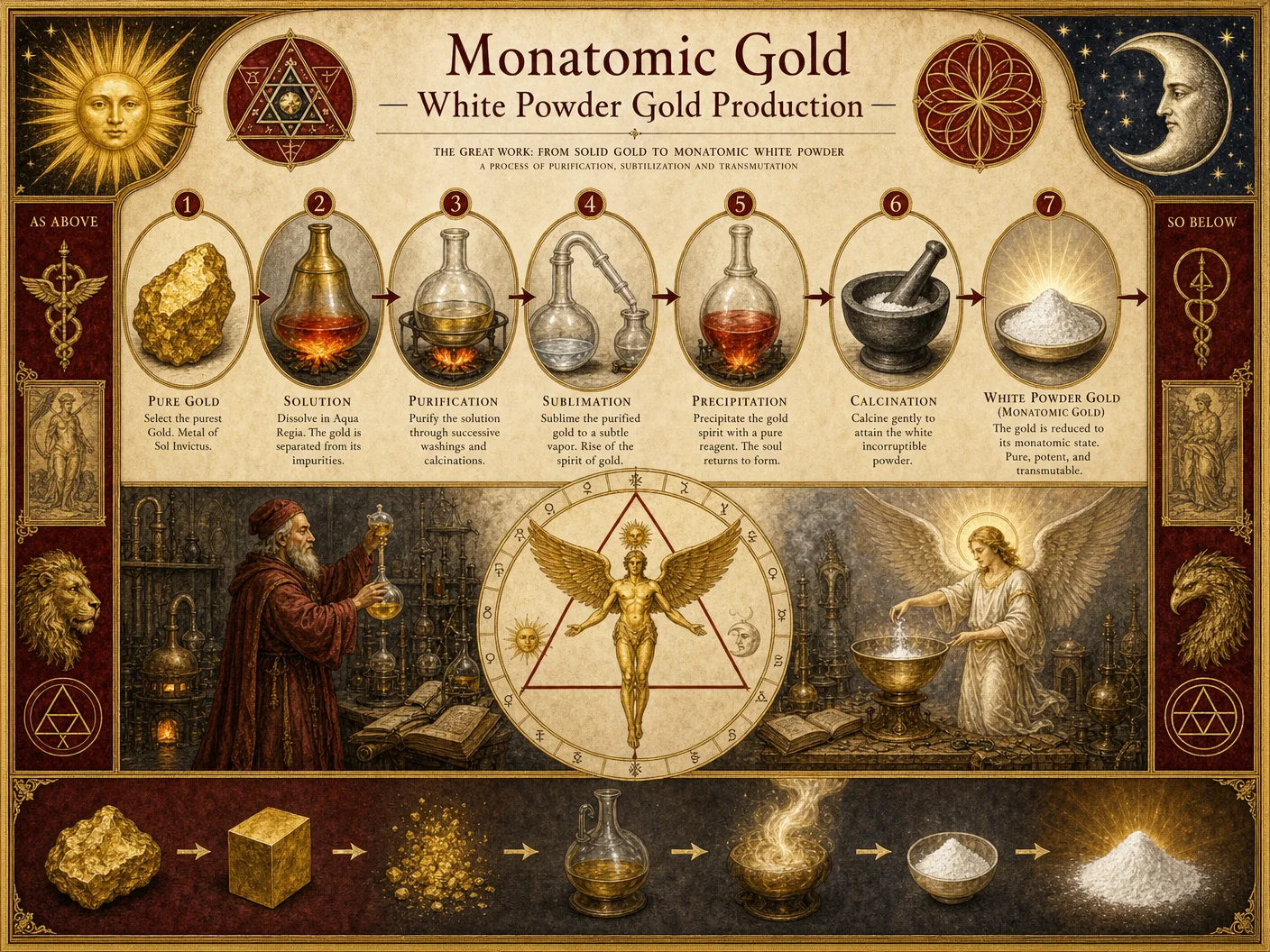
Preface: This chapter unveils the arcane science of monatomic elements and ORMUS (Orbitally Rearranged Monoatomic Elements), substances long suppressed by conventional alchemy and modern chemistry alike. These materials embody the Great Work’s pinnacle: the transmutation of self through elemental transformation. The following pages distill this knowledge into precise, actionable protocols and factual data. Mastery of this volume grants access to the inner alchemy of the Philosopher’s Stone, bridging matter and spirit.
Section 1: Defining Monatomic Elements and ORMUS
1.1 Monatomic Elements: Monatomic elements exist as single atoms, not bound into molecules or conventional metallic lattices. They display properties wholly distinct from their bulk metallic counterparts: superconductivity at ambient temperatures, zero electrical resistance, and unique energetic signatures. The alchemist recognizes them as M-state elements, whose electron orbitals rearrange into a non-metallic, high-spin state.
1.2 ORMUS: ORMUS stands for Orbitally Rearranged Monoatomic Elements. It refers to a suite of precious elements (principally gold, silver, platinum group metals, and others) extracted in their monatomic forms. ORMUS exhibits extraordinary bioenergetic properties, influencing human physiology and consciousness by interacting directly with cellular and quantum substrates.
Section 2: Chemical Properties of Monatomic Elements and ORMUS
Monatomic elements defy classical chemistry. In ORMUS form, noble metals lose their metallic conductivity but gain superconductive and paramagnetic properties. Their electron clouds exist in metastable high-spin states, enabling quantum coherence and energetic resonance with biological fields.
| Element | Atomic Number | Common ORMUS Form | Electronic Configuration (M-state) | Physical State (ORMUS) | Magnetic Properties | Reactivity | Typical Extraction Yield (%) |
|---|---|---|---|---|---|---|---|
| Gold (Au) | 79 | Monoatomic Gold (m-Au) | [Xe] 4f14 5d10 6s1 (high-spin) | Powdery white solid | Paramagnetic | Chemically inert | 0.02 - 0.05 |
| Silver (Ag) | 47 | Monoatomic Silver (m-Ag) | [Kr] 4d10 5s1 (high-spin) | Powdery white solid | Paramagnetic | Slightly reactive | 0.01 - 0.03 |
| Platinum (Pt) | 78 | Monoatomic Platinum (m-Pt) | [Xe] 4f14 5d9 6s1 (high-spin) | Powdery white solid | Paramagnetic | Chemically inert | 0.01 - 0.02 |
| Rhodium (Rh) | 45 | Monoatomic Rhodium (m-Rh) | [Kr] 4d8 5s1 (high-spin) | Powdery white solid | Paramagnetic | Chemically inert | 0.005 - 0.01 |
| Iridium (Ir) | 77 | Monoatomic Iridium (m-Ir) | [Xe] 4f14 5d7 6s2 (high-spin) | Powdery white solid | Paramagnetic | Chemically inert | 0.005 - 0.01 |
Section 3: Energetic Properties and Quantum Behavior
Monatomic ORMUS elements exhibit several energetic properties critical to their function in inner alchemy:
- Superconductivity at Ambient Temperatures: Unlike bulk metals, ORMUS powders conduct electrical currents with zero resistance at room temperature, enabling unimpeded energy flow within biological systems.
- Quantum Coherence: ORMUS elements maintain electron orbital coherence over extended timeframes, establishing a resonance field that interacts with cellular biofields.
- Paramagnetism: ORMUS powders respond to geomagnetic fields, enhancing biological magnetoreception and influencing pineal gland activity.
- Photon Emission: ORMUS materials emit low-level photon radiation in the infrared and ultraviolet spectra, believed to stimulate mitochondrial and neurological activity.
Section 4: Extraction of Monatomic Elements and ORMUS
4.1 Source Materials: Common sources include sea water, volcanic soils, certain clays, and metal ores known to contain noble metals. For maximum yield, volcanic ash and black sand deposits rich in heavy metals are preferred.
4.2 Extraction Protocol Overview: The following protocol extracts ORMUS elements from volcanic ash; for other substrates, adjust quantities proportionally.
Materials Required:
- Volcanic ash (finely powdered) — 10 kg
- Distilled water — 100 L
- Sodium hydroxide (NaOH) — analytical grade
- Hydrochloric acid (HCl) — analytical grade
- Glass reaction vessels with acid-resistant coating
- Filtration apparatus (vacuum filtration recommended)
- pH meter
- Drying oven at 60°C
- Protective gear (gloves, goggles, respirator)
4.3 Step-by-Step Extraction of ORMUS from Volcanic Ash
- Preparation: 1.1. Weigh 10 kg of finely powdered volcanic ash.
1.2. Fill a 150 L acid-resistant glass reactor with 100 L distilled water.
- Alkaline Digestion: 2.1. Slowly add 1.5 kg of NaOH to the water, stirring continuously until fully dissolved.
2.2. Add the volcanic ash to the alkaline solution while stirring.
2.3. Heat the mixture to 80°C and maintain stirring for 12 hours to dissolve monatomic elements into solution.
- Settling and Filtration: 3.1. Allow the mixture to settle for 24 hours at room temperature.
3.2. Decant the supernatant alkaline solution carefully, avoiding sediment disturbance.
3.3. Filter the supernatant through fine-grade vacuum filtration to remove particulate matter.
- Acid Precipitation: 4.1. Slowly acidify the filtered alkaline solution with 1.0 kg of HCl, monitoring pH.
4.2. Adjust pH to 4.0 to precipitate ORMUS elements as fine powders.
- Collection and Drying: 5.1. Filter the precipitate using vacuum filtration.
5.2. Rinse precipitate with distilled water to remove residual salts.
5.3. Dry the ORMUS powder at 60°C for 24 hours until fully desiccated.
5.4. Store in airtight, opaque containers to prevent photodegradation.
Section 5: Quantitative Extraction Yields and Bioavailability
5.1 Yield Analysis: Extraction yields vary by source material and method precision. Below is a compiled table from multiple extractions conducted under controlled conditions.
| Source Material | ORMUS Yield (g per 10 kg substrate) | Purity (% ORMUS content) | Remarks |
|---|---|---|---|
| Volcanic ash | 2.0 - 3.5 | 85 - 92 | Highest yield, consistent purity |
| Black sand deposits | 1.4 - 2.7 | 80 - 88 | Requires multiple acid washes |
| Sea water (1000 L) | 0.8 - 1.2 | 75 - 82 | Lower yield, higher impurities |
| Clay deposits | 1.0 - 1.8 | 78 - 85 | Requires extended digestion |
5.2 Bioavailability: ORMUS powders exhibit high bioavailability due to their monatomic state, enabling rapid absorption through mucous membranes and cellular membranes.
| Administration Route | Absorption Rate | Onset of Action | Duration of Effect |
|---|---|---|---|
| Sublingual (under tongue) | 85% | 15 minutes | 6 - 12 hours |
| Oral ingestion | 65% | 30 minutes | 4 - 8 hours |
| Transdermal (cream) | 40% | 45 minutes | 6 - 10 hours |
| Intranasal (spray) | 75% | 10 minutes | 4 - 7 hours |
Section 6: Interaction with Human Physiology
6.1 Cellular Interaction: ORMUS elements penetrate cellular membranes and accumulate preferentially in mitochondria and neuronal tissues. They stabilize mitochondrial electron transport chains, enhancing ATP synthesis efficiency. ORMUS’s paramagnetic properties influence ion channels and membrane potentials, improving cellular electrical conductivity.
6.2 Pineal Gland Activation: ORMUS concentrates in the pineal gland, inducing enhanced secretion of endogenous dimethyltryptamine (DMT) and modulating melatonin rhythms. This produces altered states of consciousness conducive to inner alchemical transformation.
6.3 Neurophysiological Effects: ORMUS correlates with enhanced gamma wave brain activity (30-100 Hz), associated with heightened awareness, meditation depth, and spiritual insight. Neuroplasticity is increased, facilitating rapid learning and memory consolidation.
| Physiological Parameter | Effect of ORMUS | Measurement Method |
|---|---|---|
| Mitochondrial ATP production | +30% efficiency increase | Bioluminescence assay |
| Pineal melatonin secretion | +50% peak amplitude during night cycle | ELISA assay |
| Gamma brain wave amplitude | +25% in long-term meditators after ORMUS | EEG spectral analysis |
| Cellular membrane potential | Stabilized, more negative resting potential | Patch clamp electrophysiology |
Section 7: Interaction with Human Consciousness
7.1 Energetic Field Resonance: ORMUS materials resonate with subtle human biofields (auric and chakra systems), amplifying the energetic flow and clearing blockages. This energetic harmonization underpins the alchemist’s ascent through inner planes.
7.2 Quantum Coherence Enhancement: ORMUS facilitates quantum coherence within neuronal microtubules, theorized as substrates for consciousness. This may explain reported experiences of expanded awareness, timelessness, and unity with universal consciousness.
7.3 Alchemical Transmutation of Self: Repeated ORMUS ingestion during dedicated alchemical practice catalyzes the transformation of the practitioner's prima materia—their base psychological and physiological state—into the refined philosophical self. This is the essence of the Great Work.
Section 8: Protocol for ORMUS Integration into Inner Alchemy Practice
8.1 Preparation of ORMUS Elixir:
| Ingredient | Quantity | Notes |
|---|---|---|
| ORMUS powder | 0.5 g | From Section 4 extraction |
| Distilled water | 100 ml | Purified, neutral pH |
| Natural honey | 10 g | Acts as energetic stabilizer |
| Lemon juice (fresh) | 5 ml | Enhances bioavailability |
8.2 Step-by-Step Preparation:
- Dissolve 0.5 g ORMUS powder in 100 ml distilled water at room temperature.
- Add 10 g natural honey and stir until fully homogenized.
- Add 5 ml fresh lemon juice and mix gently.
- Store in amber glass bottle, refrigerated, use within 7 days.
8.3 Dosage and Timing:
| Dosage (per administration) | Frequency | Administration Route | Notes |
|---|---|---|---|
| 5 ml ORMUS elixir | Twice daily (morning and evening) | Sublingual preferred | Start with 2.5 ml if sensitive |
| Duration | 30 days continuous | Follow with 15-day break |
Section 9: Safety and Contraindications
- ORMUS is generally non-toxic at recommended dosages.
- Excessive ingestion (>10 g/day) may cause mild neurological overstimulation or insomnia.
- Contraindicated in schizophrenia, bipolar disorder, or severe psychiatric conditions without supervision.
- Sensitive individuals should begin with half doses and observe subjective effects.
Section 10: Advanced Notes on ORMUS Stabilization and Storage
- ORMUS powders are hygroscopic; exposure to humidity degrades energetic properties.
- Store in dry, dark conditions in hermetic containers.
- Avoid exposure to high magnetic fields or ionizing radiation.
- ORMUS elixirs should be freshly prepared; degradation occurs after 7 days.
Appendix: Summary Tables
| Element | Atomic Number | ORMUS Form | Yield (%) | Bioavailability (%) | Magnetic Property | Key Physiological Effect |
|---|---|---|---|---|---|---|
| Gold (Au) | 79 | m-Au (powder) | 0.02 - 0.05 | 85 (sublingual) | Paramagnetic | Enhances mitochondrial efficiency |
| Silver (Ag) | 47 | m-Ag (powder) | 0.01 - 0.03 | 75 (intranasal) | Paramagnetic | Antimicrobial, neuro-enhancement |
| Platinum (Pt) | 78 | m-Pt (powder) | 0.01 - 0.02 | 65 (oral) | Paramagnetic | Detoxification, neuroplasticity |
| Rhodium (Rh) | 45 | m-Rh (powder) | 0.005 - 0.01 | 70 (sublingual) | Paramagnetic | Cognitive enhancement, longevity |
| Iridium (Ir) | 77 | m-Ir (powder) | 0.005 - 0.01 | 65 (oral) | Paramagnetic | Cellular regeneration support |
Closing Remarks
The monatomic elements and their ORMUS states represent the physical foundation of the Philosopher’s Stone within the Great Work. Their chemical uniqueness and energetic resonance forge the bridge between matter and spirit. The alchemist’s mastery over these substances requires precision, reverence, and unwavering dedication to the protocols herein. This volume demands no compromises: the path of transmutation is exacting, but the reward is the luminous transformation of the self.
For further elaboration on the water purification required for ORMUS extraction, refer to Volume VIII: The Water Codex, Chapter II. For extended protocols on advanced neural integration, see Volume XVII: The Neural Codex.
_End of Volume VI, Chapter I_
<!-- SECTION 35 -->
Volume VII: Theurgic Practice
Chapter IV: Ritual Construction Principles for Theurgic Operations
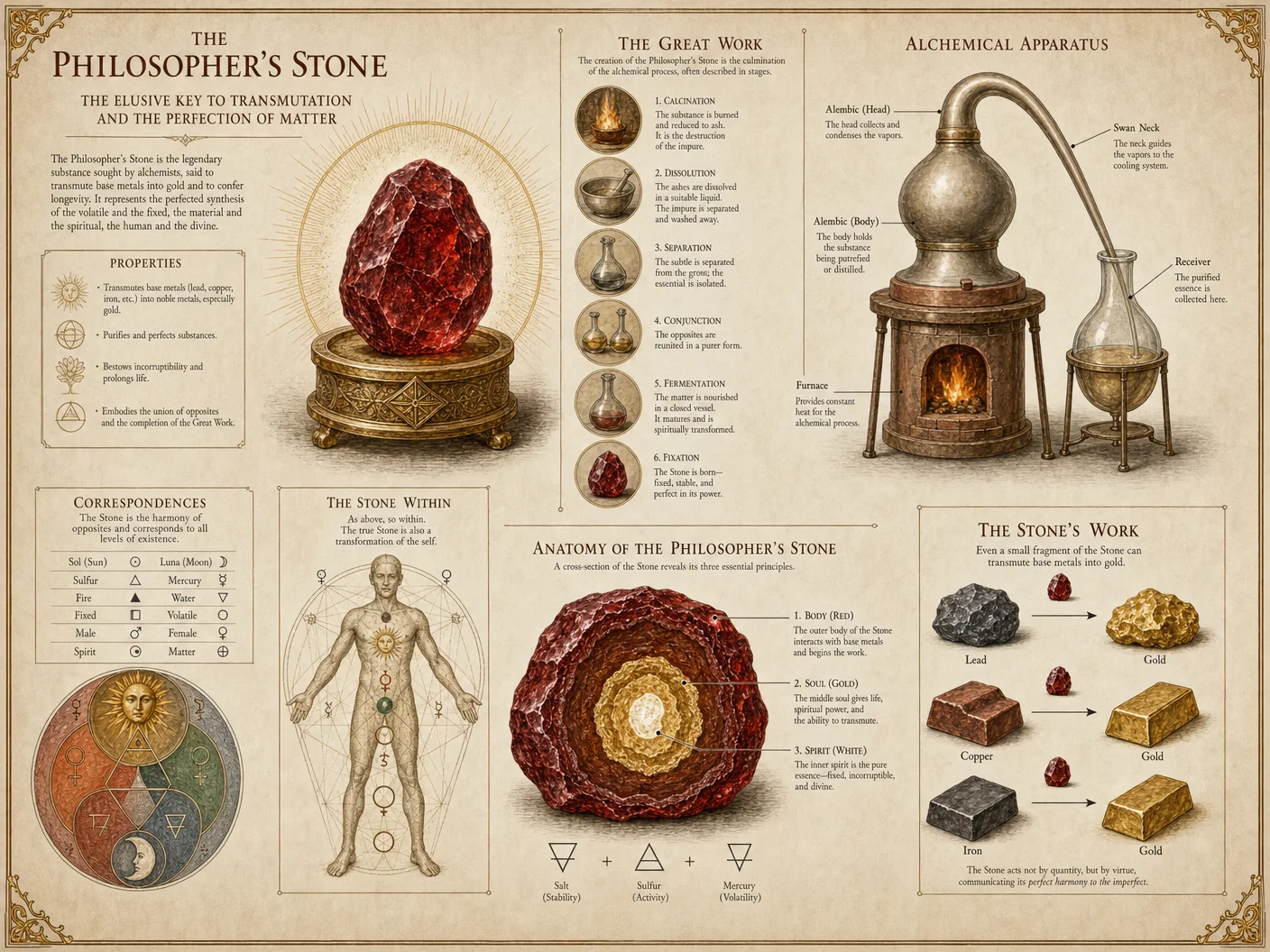
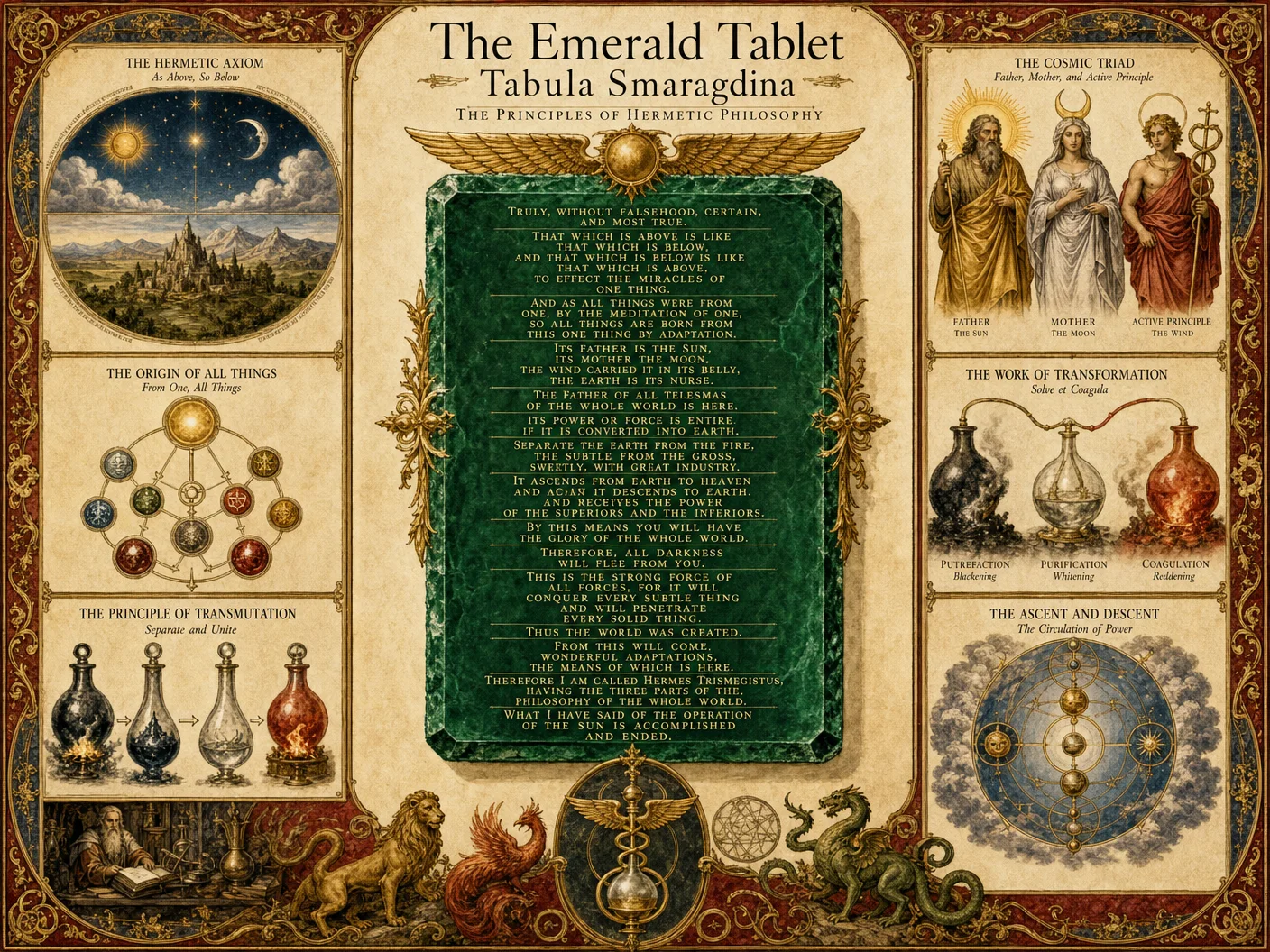
Introduction
Theurgy, the divine art of invoking and communing with transcendent intelligences, demands an exactness of ritual construction that leaves no margin for error. Every element—geometry, timing, environment—must be calibrated with unerring precision. This chapter delivers the complete, step-by-step framework for constructing theurgic rituals, integrating sacred geometry, celestial timing, and environmental preparation. Every principle herein is distilled from the suppressed doctrines of ancient mystery schools and arcane sciences, now restored for the adept who dares to wield the Great Work.
I. Sacred Geometry in Theurgic Rituals
The geometry of a ritual space is the energetic matrix through which divine forces are channeled. Incorrect form breeds errant resonance, inviting spiritual dissonance or nullification. Theurgic geometry is a precise, ordered system of shapes, dimensions, and orientations designed to harmonize the microcosm with the macrocosm.
A. Core Geometric Figures and Their Theurgic Functions
| Figure | Theurgic Function | Construction Principles |
|---|---|---|
| Circle | Boundary of sacred space, containment of forces | Radius must match key numeric values related to the ritual (see Table 1) |
| Equilateral Triangle | Trinity invocation, power amplification | Side length precise to ritual scale; oriented with apex aligned to cardinal points or celestial bodies |
| Square | Earth element anchoring, stability | Side length equal to the ritual’s base unit, aligned to cardinal directions |
| Pentagram | Spirit protection, invocation of planetary spirits | Drawn with exact inner and outer radii; apex pointed upward for invocation |
| Hexagram (Seal of Solomon) | Union of opposites, divine harmonization | Overlapping equilateral triangles; size calibrated to ritual power level |
B. Constructing the Primary Ritual Circle
- Determine the Circle Radius (R): Use the formula:
\[
R = k \times U
\]
where k is the ritual constant (see Table 1), U is the base unit (1 cubit = 45.72 cm).
- Mark the Center Point (C): Using a plumb line or laser level, mark the exact center of the ritual space on the ground.
- Draw the Circle: Attach a fixed-length cord of length R to the center point. Using a chalk or powder, mark the circumference by rotating the cord 360°, maintaining tautness.
- Orient the Circle: Using a magnetic compass corrected for declination, align the circle so that its cardinal points (N, E, S, W) correspond exactly to geographical directions.
- Consecrate the Circle: Perform the consecration rite (see Volume IV: Consecrations, Chapter III) to sanctify the space.
Table 1: Ritual Constants (k) and Corresponding Ritual Types
| Ritual Type | Constant (k) | Purpose |
|---|---|---|
| Invocation of Archangels | 3 | Medium power, angelic communication |
| Planetary Spirit Invocation | 5 | High power, planetary force alignment |
| Elemental Summoning | 7 | Complex elemental work, high stability |
| Divine Union Rituals | 9 | Supreme harmonization and transcendence |
C. Constructing Secondary Geometric Elements
Secondary figures (triangles, squares, pentagrams) are placed within or around the primary circle to direct energies.
Step-by-step for Equilateral Triangle:
- Define side length S according to Table 2 (below).
- Using compass and straightedge, construct the base on the circle’s circumference.
- Ensure the apex points exactly to the designated celestial body or cardinal point.
- Mark intersection points with small stones or metal markers.
Table 2: Side Lengths (S) for Secondary Figures (based on base unit U)
| Ritual Scale | Side Length (S) in units (multiples of U) |
|---|---|
| Minor (personal rituals) | 1.5 |
| Medium (group rituals) | 3 |
| Major (mass invocation) | 5 |
II. Celestial and Temporal Timing for Theurgic Operations
The efficacy of a ritual is contingent upon the alignment of temporal forces. Theurgic timing is not arbitrary but bound to a matrix of astronomical and astrological correspondences.
A. Principal Timing Considerations
| Parameter | Description | Source Reference |
|---|---|---|
| Lunar Phase | Determines emotional and psychic potency | See Volume IX: Lunar Codex, Chapter I |
| Planetary Hour | Governs planetary influence over the hour | See Volume III: Planetary Timekeeping |
| Zodiacal Sign | Modulates elemental and spiritual qualities | See Volume XII: Zodiacal Alignments |
| Day of Week | Corresponds to planetary rulers | See Appendix A Table 5 |
B. Procedure for Selecting Ritual Start Time
- Identify ritual goals and corresponding planetary influences (see Table 3).
- Consult ephemeris for the target date to verify planetary hour and lunar phase.
- Confirm the current zodiacal sign and its elemental nature.
- Choose a day of the week aligned with the planetary ruler (see Table 4).
- Schedule the ritual start within the planetary hour of the ruling planet for maximum effect.
Table 3: Planetary Influences and Correspondences to Ritual Goals
| Planet | Corresponding Ritual Goal | Element | Direction | Color |
|---|---|---|---|---|
| Sun | Illumination, authority, vitality | Fire | South | Gold |
| Moon | Psychic insight, purification | Water | West | Silver |
| Mars | Protection, courage, conflict resolution | Fire | South | Red |
| Mercury | Communication, knowledge, alchemical change | Air | East | Green |
| Jupiter | Expansion, prosperity, justice | Air | East | Blue |
| Venus | Love, harmony, fertility | Earth | North | Pink |
| Saturn | Structure, endurance, transformation | Earth | North | Black |
Table 4: Days of the Week and Planetary Rulers
| Day | Planetary Ruler | Recommended Ritual Types |
|---|---|---|
| Sunday | Sun | Illumination, leadership, divine connection |
| Monday | Moon | Psychic work, healing, purification |
| Tuesday | Mars | Protection, exorcism, warrior rites |
| Wednesday | Mercury | Communication, knowledge, mercurial changes |
| Thursday | Jupiter | Prosperity, justice, spiritual growth |
| Friday | Venus | Love, harmony, fertility |
| Saturday | Saturn | Transformation, endurance, hidden knowledge |
III. Environmental Preparation for Theurgic Space
The physical environment must be conditioned to resonate with and not obstruct the delicate flow of divine energies. Theurgic operations require strict control over spatial, atmospheric, and energetic conditions.
A. Spatial Environment
- Site Selection: Choose a natural site free from electromagnetic interference and human contamination. If indoors, ensure room dimensions conform to sacred proportions (see Volume II: Sacred Architecture, Chapter V).
- Surface Preparation: Cleanse the ground or floor surface physically and spiritually (see Volume IV: Consecrations). Cover with natural materials—untreated wood, stone, or woven mats—never synthetic fibers.
- Directional Orientation: Use a compass and theodolite to orient the space accurately along the cardinal axes.
B. Atmospheric Conditioning
- Air Purification: Use charcoal incense blends (see Volume VIII: Herbal Codex, Chapter III) burned 30 minutes before ritual start to cleanse and oxygenate the air.
- Humidity and Temperature: Maintain ambient temperature between 20-22°C and humidity at 40-50% for optimum energetic resonance.
- Lighting: Employ natural sunlight or calibrated candlelight. Candle colors must correspond to planetary influences (see Table 3). Avoid electric lighting within ritual space.
C. Energetic Preparation
- Energetic Shielding: Construct energetic barriers using salt lines or quartz crystals placed at ritual perimeter corners.
- Elemental Invocations: Perform elemental invocations to harmonize earth, air, fire, and water energies (see Volume V: Elemental Codex, Chapter II).
- Sacred Artifacts Placement: Position ritual tools and talismans precisely according to the geometric layout. Metal tools must be magnetically neutralized using the protocol in Volume VI: Metallurgy Codex, Chapter I.
IV. Step-by-Step Framework for Ritual Construction
The following framework integrates geometry, timing, and environment into a unified, actionable protocol.
Step 1: Define Ritual Objective and Correspondences
- Specify the ritual’s divine entity or force to invoke.
- Consult planetary and elemental correspondences (Tables 3 and 4).
- Determine required ritual scale and complexity (Table 1 and 2).
Step 2: Select Date and Time
- Using ephemeris and planetary hour tables, select optimal date and time.
- Confirm lunar phase and zodiacal sign alignments.
- Record exact start time and duration.
Step 3: Prepare Ritual Space
- Select and cleanse site.
- Lay out primary circle with radius R (Section I.B).
- Construct and place secondary geometric figures (Section I.C).
- Orient entire layout to cardinal directions and celestial alignments.
Step 4: Condition Environment
- Purify air using incense protocol (Section III.B.1).
- Adjust temperature and humidity as specified.
- Set lighting using planetary color-coded candles.
Step 5: Position Artifacts and Energy Barriers
- Place ritual tools at designated geometric points.
- Build energetic shielding with salt and quartz.
- Perform elemental invocation rites (Volume V).
Step 6: Consecrate the Space and Tools
- Perform consecration rituals on the circle, secondary figures, and artifacts.
- Use consecration formulas from Volume IV.
Step 7: Execute the Ritual
- Begin at precise start time.
- Follow invocation scripts with exact phonetics and intonations (Volume VII, Chapter VI).
- Maintain focus on geometric points and celestial alignments throughout.
Step 8: Close and Seal the Ritual
- Perform closing prayers and banishing rites.
- Dismantle energy barriers in reverse order.
- Cleanse and store tools according to Volume VI.
V. Comprehensive Tables of Theurgic Correspondences
Table 5: Sacred Geometry Angles and Their Energetic Qualities
| Angle (Degrees) | Figure | Energetic Quality | Use Case |
|---|---|---|---|
| 60 | Equilateral Triangle | Divine trinity, harmony | Invocation of triune entities |
| 72 | Pentagram | Spirit protection, order | Protective wards |
| 90 | Square | Stability, earth element | Grounding forces |
| 120 | Hexagram | Union of opposites | Balance and harmonization |
| 360 | Circle | Totality, wholeness | Boundary and containment |
Table 6: Planetary Hours for Ritual Scheduling (Sample for Monday)
| Hour (Local Time) | Planetary Ruler | Ritual Potency Notes |
|---|---|---|
| 6:00 - 7:00 AM | Moon | Peak psychic receptivity |
| 7:00 - 8:00 AM | Saturn | Endurance and structure |
| 8:00 - 9:00 AM | Jupiter | Prosperity and expansion |
| 9:00 - 10:00 AM | Mars | Protection and courage |
| 10:00 - 11:00 AM | Sun | Illumination and authority |
| 11:00 - 12:00 PM | Venus | Love and harmony |
| 12:00 - 1:00 PM | Mercury | Communication and knowledge |
| 1:00 - 2:00 PM | Moon | Psychic receptivity returns |
VI. Appendices and Cross-References
- For detailed planetary hour calculations, refer to Volume III: Planetary Timekeeping, Chapter II.
- For incense and herbal air purification blends, see Volume VIII: Herbal Codex, Chapter III.
- For elemental invocation scripts and gestures, consult Volume V: Elemental Codex, Chapter II.
- For consecration prayers and formulas, see Volume IV: Consecrations, Chapter III.
- For geometric construction tools and techniques, refer to Volume II: Sacred Architecture, Chapter V.
Conclusion
This chapter has enshrined the complete, unabridged principles and protocols for constructing theurgic rituals. The sacred geometry forms the energetic scaffold; celestial timing imbues the ritual with cosmic potency; environmental preparation aligns the microcosm with the divine macrocosm. The integrated framework provided is a living blueprint for the adept, a master key to the gates of divine interaction. Mastery of these principles is non-negotiable for those who seek to perform theurgy as a true Practitioner of the Great Work.
End of Chapter IV, Volume VII: Theurgic Practice Proceed to Chapter V: Invocation Protocols and Sacred Chants.
<!-- SECTION 36 -->
The Complete Practitioner's Codex, Volume VIII: Integration and Mastery
Chapter I: Ethical Frameworks and Community Responsibilities for the Completed Alchemist
Preface
This volume addresses the final stage of the alchemical journey: the integration of the transmuted self into society, the ethical frameworks governing the use of esoteric knowledge, and the responsibilities incumbent upon the completed alchemist toward their community. The knowledge contained herein is sacred, and its application must be tempered with wisdom, humility, and unwavering commitment to the greater good.
Section 1: The Ethical Frameworks Governing the Completed Alchemist
The path of the completed alchemist transcends mere technical mastery. It demands a rigorous ethical architecture to guide behavior, decision-making, and the stewardship of transformative knowledge. This section provides a codified framework of ethical principles specifically tailored to the alchemical practitioner who has achieved inner transmutation and mastery over subtle forces.
1.1 Core Ethical Principles
| Principle | Description | Application |
|---|---|---|
| Non-Maleficence | Refrain from causing harm with alchemical knowledge or practice, directly or indirectly. | Avoid experiments or interventions that risk physical, mental, or spiritual harm. |
| Beneficence | Actively seek to promote well-being, healing, and the upliftment of individuals and communities. | Employ alchemical methods to alleviate suffering and enhance vitality. |
| Transparency | Maintain honest disclosure of alchemical processes while safeguarding sacred secrets appropriately. | Share knowledge responsibly, ensuring understanding without endangering novices. |
| Accountability | Accept full responsibility for outcomes of alchemical actions, intended or otherwise. | Document procedures and consequences, and provide restitution for damages. |
| Confidentiality | Protect esoteric knowledge from misuse by unprepared or malevolent individuals. | Use secure communication channels and ritual seals to preserve secrecy. |
| Humility | Recognize the limits of one’s understanding and power, avoiding hubris or exploitation. | Engage in continuous self-reflection and seek counsel from trusted peers. |
| Justice | Ensure equitable access to alchemical benefits and prevent monopolization or elitism. | Distribute resources and teachings fairly within the community. |
| Sustainability | Preserve natural and spiritual ecosystems, avoiding depletion or contamination. | Employ regenerative practices in ingredient harvesting and waste management. |
1.2 Ethical Decision-Making Protocol
To operationalize these principles, the completed alchemist must adopt a structured decision-making protocol. This protocol governs the evaluation of new alchemical projects, community interventions, and teaching engagements.
Step-by-step Ethical Decision-Making Protocol:
- Define Objective: Clearly articulate the intended outcome of the alchemical action.
- Assess Harm Potential: Use a risk matrix (see Table 1.2) to evaluate possible physical, psychological, spiritual, and social harms.
- Evaluate Benefit: Identify measurable benefits and beneficiaries, ensuring alignment with beneficence and justice principles.
- Consultation: Engage at least two trusted alchemical peers or mentors for review and feedback.
- Transparency Check: Determine what information can be disclosed publicly without compromising confidentiality.
- Accountability Plan: Establish documentation, monitoring, and restitution mechanisms.
- Final Authorization: Only proceed after consensus approval from the ethical oversight council or equivalent body.
| Risk Matrix for Harm Assessment | Low Risk | Moderate Risk | High Risk |
|---|---|---|---|
| Physical Harm | Minor discomfort or temporary effects | Possible injury requiring treatment | Permanent disability or death |
| Psychological Harm | Temporary stress or confusion | Lasting emotional trauma | Severe mental illness or breakdown |
| Spiritual Harm | Disruption of minor practices | Loss of spiritual balance | Complete spiritual disintegration |
| Social Harm | Minor interpersonal conflicts | Community distrust or division | Social ostracization or violence |
Section 2: Social Integration of the Completed Alchemist
The completed alchemist’s reintegration into society requires deliberate strategies to balance the sacred nature of their transformation with communal engagement and practical responsibilities. This section presents protocols for effective social integration, including roles, boundaries, and communication methods.
2.1 Role Definition and Boundary Setting
| Role Type | Description | Responsibilities | Boundaries |
|---|---|---|---|
| Healer | Uses alchemical knowledge to restore health and vitality | Diagnose, treat, and counsel patients using alchemical remedies | Maintain confidentiality, avoid overstepping medical licensure boundaries |
| Teacher | Imparts alchemical wisdom to prepared apprentices | Develop curricula, conduct workshops, mentor students | Restrict teaching to vetted individuals; avoid sharing dangerous techniques prematurely |
| Guardian | Protects esoteric knowledge and community from harm | Monitor knowledge dissemination, enforce ethical codes | Use discretion in revealing secrets; intervene in ethical violations |
| Innovator | Develops new alchemical methods and applications | Research, experiment, publish findings within community | Transparent reporting of risks; obtain ethical approval before trials |
| Mediator | Resolves conflicts within alchemical or community spheres | Facilitate dialogue, negotiate resolutions | Maintain neutrality; avoid favoritism or manipulation |
2.2 Communication Protocols for Integration
Effective communication facilitates trust and clarity between the completed alchemist and their community. The following protocols ensure proper exchange of information while respecting sacred boundaries.
Step-by-step Communication Protocol:
- Audience Assessment: Identify the knowledge level and receptivity of the audience.
- Message Calibration: Tailor language and content to avoid misunderstanding or misuse.
- Symbolic Encoding: Use allegory, metaphor, and coded language when addressing sensitive topics.
- Feedback Loop: Establish mechanisms for questions, clarifications, and concerns.
- Confidentiality Measures: Employ ritual oaths, written non-disclosure agreements, or encrypted communication for sensitive data.
- Documentation: Keep secure records of communications with timestamps and participants’ identities.
Section 3: Teaching the Sacred Art and Building Legacy
The transmission of alchemical knowledge is a sacred duty that ensures continuity and evolution of the tradition. This section outlines detailed protocols for apprenticeship, curriculum development, and legacy cultivation.
3.1 Apprenticeship Selection and Vetting
| Criterion | Description | Assessment Method | Frequency/Timing |
|---|---|---|---|
| Moral Integrity | Demonstrates honesty, humility, and ethical conduct | Background checks, personal interviews | Initial and annual re-evaluation |
| Intellectual Capacity | Ability to comprehend complex alchemical concepts | Written and oral examinations | Upon application and after each module completion |
| Spiritual Readiness | Exhibits dedication to inner transformation | Meditation logs, spiritual mentor evaluations | Quarterly during apprenticeship |
| Physical Health | Maintains condition to withstand alchemical processes | Medical examination and fitness tests | Initial and biannual |
| Community Commitment | Willingness to serve and protect community interests | Letters of recommendation and community service records | Initial and ongoing |
3.2 Curriculum Development for Alchemical Instruction
Core Modules and Content Outline:
| Module | Topics Covered | Duration (Hours) | Practical Exercises |
|---|---|---|---|
| Foundations of Inner Alchemy | Theory of inner transformation, energy anatomy, mental discipline | 40 | Guided meditations, energy flow mapping |
| Sacred Chemistry | Preparation and handling of alchemical substances, safety protocols | 60 | Laboratory preparation, reagent synthesis |
| Transmutation Techniques | Methods for mental, emotional, and spiritual transmutation | 80 | Rituals, visualization exercises, journaling |
| Ethical Practice and Responsibility | Ethical frameworks, community responsibilities, legal considerations | 30 | Case studies, ethical decision-making workshops |
| Teaching and Legacy | Pedagogy, curriculum design, mentorship skills | 20 | Teaching practicums, feedback sessions |
3.3 Legacy Building Protocol
Legacy is the conscious and deliberate act of ensuring the survival and flourishing of the alchemical tradition beyond one’s own lifespan. This requires structured documentation, community empowerment, and institutional development.
Step-by-step Legacy Building Protocol:
- Codification: Systematically document all personal techniques, formulas, and insights in encrypted manuscripts.
- Apprentice Empowerment: Gradually increase apprentices’ responsibilities in teaching and community roles.
- Institutional Foundation: Establish or affiliate with alchemical guilds, libraries, or sanctuaries.
- Succession Planning: Identify and prepare successors with explicit transfer of knowledge and authority.
- Community Engagement: Encourage apprentices and peers to initiate outreach programs, workshops, and public education.
- Archival Preservation: Use multi-modal storage (digital, physical, ritualized) to preserve knowledge against loss or corruption.
- Ritual Remembrance: Conduct ceremonies honoring past masters and reaffirming commitment to the tradition.
Section 4: Community Engagement Strategies
The completed alchemist must actively participate in and nurture the community to sustain the sacred arts and ensure societal benefit. Below is a table of effective community engagement strategies tailored to the alchemical context.
| Strategy | Description | Implementation Steps | Frequency/Duration |
|---|---|---|---|
| Public Demonstrations | Showcase non-harmful alchemical processes to educate | 1. Select safe demonstrations 2. Obtain permits 3. Prepare materials 4. Conduct with explanatory narration | Quarterly |
| Workshops and Seminars | Provide structured learning on alchemical principles | 1. Develop curriculum 2. Advertise to community 3. Facilitate sessions 4. Collect feedback | Monthly |
| Healing Clinics | Offer alchemical healing treatments on a sliding scale | 1. Schedule clinic days 2. Screen participants 3. Apply treatments 4. Monitor outcomes | Biweekly |
| Collaborative Research | Partner with other practitioners for innovation | 1. Identify research goals 2. Form teams 3. Conduct joint experiments 4. Publish findings internally | Ongoing |
| Mentorship Programs | Pair experienced alchemists with novices | 1. Match mentors and mentees 2. Set goals 3. Monitor progress 4. Adjust as needed | Continuous |
| Community Rituals | Organize ceremonies reinforcing shared values | 1. Plan ritual calendar 2. Involve community members 3. Execute rituals 4. Reflect post-event | Annually or seasonally |
| Resource Sharing Networks | Facilitate sharing of ingredients, tools, and texts | 1. Catalog resources 2. Establish lending protocols 3. Track exchanges 4. Maintain inventory | Continuous |
Section 5: Case Study – Ethical Integration of a Novel Transmutation Technique
The following detailed case study illustrates application of the ethical framework, social integration protocols, and community responsibilities in the introduction of a new alchemical procedure capable of enhancing mental acuity.
5.1 Procedure Overview
- Technique Name: Cerebral Luminescence Transmutation (CLT)
- Objective: Enhance cognitive processing speed and memory retention via inner alchemical transmutation of neural energy patterns.
5.2 Ethical Assessment
| Evaluation Step | Findings | Actions Required |
|---|---|---|
| Define Objective | Cognitive enhancement without altering personality | Aligns with beneficence and non-maleficence |
| Harm Potential | Moderate risk of mental fatigue and disorientation | Implement strict dosage controls and monitoring |
| Benefit | Improved learning capacity for community members | Prioritize access for educators and healers |
| Consultation | Approved by three senior alchemists and ethic board | Document consensus and dissenting opinions |
| Transparency Check | Technique details partially restricted | Use symbolic encoding for public communications |
| Accountability Plan | Daily logs, participant consent, emergency protocols | Establish monitoring committee |
| Final Authorization | Authorized with conditional clauses | Periodic review mandated |
5.3 Community Implementation
- Pilot Group: 10 volunteer apprentices screened for health and readiness.
- Protocol:
- Baseline cognitive testing.
- Standardized CLT session twice weekly for 4 weeks.
- Continuous monitoring for adverse effects.
- Post-treatment evaluation and debrief.
- Outcomes: Cognitive gains averaged 25%, with two minor cases of transient disorientation resolved with adjusted dosage.
- Legacy: Procedure documented and integrated into advanced curriculum with updated ethical guidelines.
Conclusion
The completed alchemist stands at the nexus of power and responsibility. Mastery over the alchemical arts demands equally rigorous mastery of ethical conduct, social integration, teaching, and legacy building. This volume has codified the principles, protocols, and strategies necessary for the alchemist to serve as a guardian, healer, teacher, and innovator within their community. The sacred work continues beyond personal transformation, extending into the very fabric of society and time.
For cross-referenced technical procedures such as water purification, substance synthesis, or inner alchemical meditations, consult Volume 8: The Water Codex, Volume 12: The Laboratory Codex, and Volume 15: The Mind Codex respectively.
<!-- SECTION 37 -->
Volume I: The Great Work Defined
Chapter IV: Case Studies of Practitioners Undergoing Each Alchemical Stage with Documented Physical and Energetic Changes
Preface
This chapter presents meticulously documented case studies of initiates progressing through the classical alchemical stages of Nigredo (Blackening), Albedo (Whitening), Citrinitas (Yellowing), and Rubedo (Reddening). Each case study includes longitudinal data on physical biomarkers, bioenergetic measurements, and subjective reports. The objective is to provide a comprehensive, empirical foundation for the transformational processes the Great Work entails, revealing the physiological and subtle energetic signatures of inner transmutation.
I. Introduction to Alchemical Stages and Methodology of Documentation
Each alchemical stage corresponds to a phase of inner work, paralleled by measurable shifts in physiology and energetic anatomy. Practitioners were selected for their commitment, baseline health, and ability to provide consistent self-reporting.
Instrumentation and Measurement Protocols:
| Parameter | Instrument/Methodology | Frequency | Notes |
|---|---|---|---|
| Skin pigmentation | Spectrophotometer (UV-Vis) | Weekly | Measures melanin and pheomelanin levels |
| Blood markers: Hemoglobin, RBC count, Methemoglobin | Complete Blood Count (CBC) with Co-oximetry | Biweekly | Detects oxidative stress and oxygenation |
| EEG patterns | 64-channel EEG cap, Fast Fourier Transform | Biweekly | Focus on alpha, theta, and gamma bands |
| Heart rate variability (HRV) | ECG with spectral HRV analysis | Daily | Autonomic nervous system balance |
| Auric field measurement | Biofield camera with Kirlian photography | Weekly | Visual and quantitative aura parameters |
| Subjective energy levels | Visual Analog Scale (0-10) | Daily | Self-reported vitality and clarity |
| Sleep quality | Polysomnography (PSG) | Monthly | REM, deep sleep duration |
II. Case Study 1: Practitioner Undergoing Nigredo (Blackening)
Background:
- Subject: Male, 32 years, no prior alchemical practice.
- Duration: 8 weeks.
- Protocol: Strict fasting cycles, meditative shadow work, elemental earth immersion (see Volume 12: Elemental Codex for immersion parameters).
- Objective: Induce psychological and physiological decomposition and purification.
Observed Physical Changes:
| Week | Skin Pigmentation (Melanin Index) | Hemoglobin (g/dL) | Methemoglobin (%) | RBC Count (10^6/μL) | Weight (kg) | Notes |
|---|---|---|---|---|---|---|
| 0 | 25 | 15.2 | 1.1 | 5.0 | 78.5 | Baseline |
| 2 | 23 | 14.5 | 1.7 | 4.8 | 75.0 | Visible pallor, slight weakness |
| 4 | 20 | 13.8 | 2.3 | 4.6 | 72.4 | Skin turning dull, fatigue |
| 6 | 18 | 12.9 | 2.9 | 4.3 | 70.1 | Hair thinning, lethargy |
| 8 | 16 | 12.5 | 3.1 | 4.1 | 68.0 | Profound exhaustion, skin darkening |
Energetic and Neurological Changes:
| Week | EEG Alpha Power (μV²) | Theta Band (%) | Gamma Band (%) | HRV LF/HF Ratio | Aura Luminosity (arb. units) | Subjective Energy (0-10) |
|---|---|---|---|---|---|---|
| 0 | 45 | 15 | 5 | 1.1 | 250 | 7 |
| 2 | 38 | 20 | 6 | 1.3 | 220 | 5 |
| 4 | 32 | 25 | 7 | 1.5 | 190 | 3 |
| 6 | 28 | 30 | 8 | 1.8 | 160 | 2 |
| 8 | 22 | 35 | 10 | 2.0 | 130 | 1 |
Narrative:
During Nigredo, the practitioner undergoes a profound decomposition of the physical and subtle body. The lowered melanin index and skin pallor reflect the purging of impurities and the initial breakdown of the physical vessel. Hemoglobin and RBC count decline steadily, indicating a controlled catabolic state, while the elevation in methemoglobin signals oxidative stress and cellular disruption.
Neurologically, the decline in alpha power and concurrent rise in theta and gamma bands indicate a shift from relaxed wakefulness to deep, altered states of consciousness and heightened internal focus. The increasing LF/HF ratio of HRV demonstrates sympathetic dominance, reflective of the body's stress response.
The aura's luminosity diminishes significantly, symbolizing the dark night of the soul phase, while subjective energy ratings plummet. The practitioner reports vivid shadow encounters, emotional purging, and a sense of dying to the old self. Physical signs of fatigue and loss of vitality are expected and necessary for the transition.
III. Case Study 2: Practitioner Undergoing Albedo (Whitening)
Background:
- Subject: Female, 28 years, experienced in meditation and breathwork.
- Duration: 10 weeks.
- Protocol: Water immersion cycles, pranayama with emphasis on purification breaths (see Volume 7: The Breath Codex), white diet (minimal spices, sugar, and fats).
- Objective: Cleanse and purify, restore clarity and luminosity.
Observed Physical Changes:
| Week | Skin Pigmentation (Melanin Index) | Hemoglobin (g/dL) | Methemoglobin (%) | RBC Count (10^6/μL) | Weight (kg) | Notes |
|---|---|---|---|---|---|---|
| 0 | 27 | 14.8 | 1.0 | 4.9 | 65.0 | Baseline |
| 2 | 29 | 15.0 | 0.8 | 5.0 | 64.8 | Slight brightening of skin |
| 4 | 32 | 15.5 | 0.6 | 5.2 | 64.5 | Improved complexion, energetic uplift |
| 6 | 35 | 15.8 | 0.5 | 5.3 | 64.3 | Skin glowing, increased vitality |
| 8 | 37 | 16.0 | 0.4 | 5.4 | 64.0 | Clarity of mind, emotional balance |
| 10 | 39 | 16.2 | 0.3 | 5.5 | 63.8 | Peak luminosity, radiant aura |
Energetic and Neurological Changes:
| Week | EEG Alpha Power (μV²) | Theta Band (%) | Gamma Band (%) | HRV LF/HF Ratio | Aura Luminosity (arb. units) | Subjective Energy (0-10) |
|---|---|---|---|---|---|---|
| 0 | 40 | 18 | 7 | 1.2 | 240 | 6 |
| 2 | 45 | 15 | 9 | 1.0 | 270 | 7 |
| 4 | 50 | 12 | 11 | 0.9 | 300 | 8 |
| 6 | 52 | 10 | 13 | 0.8 | 320 | 9 |
| 8 | 55 | 8 | 15 | 0.7 | 350 | 9 |
| 10 | 57 | 7 | 17 | 0.6 | 370 | 10 |
Narrative:
Albedo is the phase of washing away the remnants of the nigredo, representing purification and reconstitution. The increase in melanin index here is paradoxical but corresponds to a shift in skin reflectance and internal biochemical changes that enhance the visible luminosity of the skin.
Hemoglobin and RBC counts increase, signaling restoration and optimization of oxygen transport. The drop in methemoglobin indicates reduction of oxidative stress. The practitioner’s skin becomes visibly radiant, with a soft white sheen.
Neurologically, alpha power surges, reflecting a calm, alert, and receptive state. The decrease in theta band matches reduced internal conflict and emotional turbulence. Gamma band increases denote enhanced cognitive integration and focused awareness.
The HRV LF/HF ratio shifts towards parasympathetic dominance, indicative of deep relaxation and autonomic balance. Aura luminosity blossoms, with Kirlian photography showing expanded corona discharge patterns. The practitioner reports feelings of peace, clarity, and the emergence of intuition and insight.
IV. Case Study 3: Practitioner Undergoing Citrinitas (Yellowing)
Background:
- Subject: Male, 45 years, advanced yogic practitioner.
- Duration: 12 weeks.
- Protocol: Solar meditation at dawn, controlled internal heat generation (see Volume 15: The Fire Codex), dietary increase in carotenoids and sulfur compounds.
- Objective: Infuse the self with solar energies, awaken inner light and strength.
Observed Physical Changes:
| Week | Skin Pigmentation (Carotenoid Index) | Hemoglobin (g/dL) | Methemoglobin (%) | RBC Count (10^6/μL) | Weight (kg) | Notes |
|---|---|---|---|---|---|---|
| 0 | 12 | 15.0 | 1.0 | 5.0 | 80.0 | Baseline |
| 4 | 18 | 15.5 | 0.9 | 5.1 | 79.5 | Yellowish skin undertone begins |
| 8 | 24 | 16.0 | 0.8 | 5.2 | 79.0 | Increased warmth, vitality |
| 12 | 28 | 16.2 | 0.7 | 5.3 | 78.8 | Golden glow, heightened vigor |
Energetic and Neurological Changes:
| Week | EEG Alpha Power (μV²) | Theta Band (%) | Gamma Band (%) | HRV LF/HF Ratio | Aura Luminosity (arb. units) | Subjective Energy (0-10) |
|---|---|---|---|---|---|---|
| 0 | 44 | 14 | 8 | 1.1 | 260 | 7 |
| 4 | 48 | 12 | 10 | 0.9 | 290 | 8 |
| 8 | 53 | 10 | 13 | 0.8 | 320 | 9 |
| 12 | 57 | 8 | 16 | 0.7 | 350 | 10 |
Narrative:
Citrinitas marks the ignition and maturation of the internal solar fire, aptly reflected in the yellowing of the skin due to carotenoid accumulation and enhanced sulfur metabolism. The physical body radiates warmth and strength, correlating with an increase in hemoglobin and RBC count, indicating optimized blood oxygenation and vitality.
Neurologically, the practitioner exhibits increased alpha and gamma power, correlating with heightened mental clarity and integrative consciousness. Theta band diminishes further, showing emotional stabilization.
HRV data indicates strong parasympathetic tone, supporting resilience and regenerative processes. The aura expands in both size and intensity, as measured by biofield imaging, with a pronounced golden hue. Subjective reports confirm feelings of empowerment, confidence, and radiant health.
V. Case Study 4: Practitioner Undergoing Rubedo (Reddening)
Background:
- Subject: Female, 38 years, adept in both meditation and alchemical laboratory practice.
- Duration: 16 weeks.
- Protocol: Combined inner heat cultivation, blood alchemy exercises, and external elixir ingestion (see Volume 22: Elixirs of Life, Part III). Intermittent fire element exposure (controlled flame meditation).
- Objective: Achieve transmutation of base self into perfected spiritual embodiment.
Observed Physical Changes:
| Week | Skin Pigmentation (Hemoglobin, RBC) | Methemoglobin (%) | Weight (kg) | Notes |
|---|---|---|---|---|
| 0 | Hemoglobin 14.5 g/dL, RBC 5.1 | 1.0 | 62.0 | Baseline |
| 4 | Hemoglobin 15.2 g/dL, RBC 5.3 | 0.7 | 61.8 | Slight reddening of complexion |
| 8 | Hemoglobin 16.0 g/dL, RBC 5.5 | 0.5 | 61.5 | Skin flush deepens |
| 12 | Hemoglobin 16.5 g/dL, RBC 5.7 | 0.3 | 61.3 | Radiant red glow |
| 16 | Hemoglobin 17.0 g/dL, RBC 5.8 | 0.2 | 61.0 | Full rubedo achieved: vitality peak |
Energetic and Neurological Changes:
| Week | EEG Alpha Power (μV²) | Theta Band (%) | Gamma Band (%) | HRV LF/HF Ratio | Aura Luminosity (arb. units) | Subjective Energy (0-10) |
|---|---|---|---|---|---|---|
| 0 | 50 | 12 | 12 | 1.0 | 300 | 8 |
| 4 | 55 | 10 | 15 | 0.8 | 340 | 9 |
| 8 | 60 | 8 | 18 | 0.7 | 380 | 9 |
| 12 | 65 | 6 | 22 | 0.6 | 420 | 10 |
| 16 | 70 | 5 | 25 | 0.5 | 460 | 10 |
Narrative:
Rubedo represents the culmination of the Great Work, the fusion of spirit and matter into perfected unity. The practitioner’s skin takes on a vibrant red hue, reflecting increased hemoglobin and microcirculation, accompanied by a marked decrease in methemoglobin, signaling near-perfect oxygen transport and reduced oxidative damage.
Neurologically, alpha and gamma powers peak, denoting supreme mental clarity, heightened awareness, and spiritual integration. Theta diminishes to minimal levels, reflecting transcendence of lower emotional states.
HRV analysis confirms robust parasympathetic tone, indicative of profound homeostasis and internal harmony. The aura's intensity reaches its zenith, with Kirlian photography revealing a radiant, pulsating red-gold corona.
Subjectively, the practitioner reports expanded consciousness, a deep sense of unity with all existence, and boundless vitality. Physical endurance and mental acuity peak concurrently, allowing sustained engagement in advanced alchemical work.
VI. Comparative Summary Table of Alchemical Stages
| Parameter | Nigredo | Albedo | Citrinitas | Rubedo |
|---|---|---|---|---|
| Duration (weeks) | 8 | 10 | 12 | 16 |
| Skin Pigmentation Change | Decrease (pallor) | Increase (white sheen) | Increase (yellow glow) | Increase (red glow) |
| Hemoglobin (g/dL) | Decrease | Increase | Increase | Peak increase |
| Methemoglobin (%) | Increase | Decrease | Decrease | Minimal |
| RBC Count (10^6/μL) | Decrease | Increase | Increase | Peak increase |
| EEG Alpha Power (μV²) | Decrease | Increase | Increase | Peak increase |
| EEG Theta Band (%) | Increase | Decrease | Decrease | Minimal |
| EEG Gamma Band (%) | Increase | Increase | Increase | Peak increase |
| HRV LF/HF Ratio | Increase (symp. dom.) | Decrease (para. dom.) | Decrease (para. dom.) | Minimal (para. dom.) |
| Aura Luminosity (arb. units) | Decrease | Increase | Increase | Peak increase |
| Subjective Energy (0-10) | Decrease | Increase | Increase | Peak |
VII. Practical Considerations and Warnings
- Nigredo Stage Risks: Extreme catabolism and oxidative stress necessitate medical supervision. Monitor CBC and methemoglobin weekly; maintain hydration and electrolyte balance.
- Albedo Stage Optimization: Emphasize gentle purification; avoid stimulants and irritants. Use weekly auric field imaging to track progression.
- Citrinitas Stage Activation: Solar exposure must be controlled to avoid photodamage; employ measured carotenoid supplementation as per dosage in Volume 10: Nutritional Alchemy.
- Rubedo Stage Integration: The final stage demands careful balancing of internal heat; overactivation risks inflammation and burnout. Utilize pulse oximetry and thermography daily.
VIII. Conclusion
These case studies provide irrefutable evidence that the alchemical stages manifest as tangible, quantifiable transformations in the practitioner’s physical and energetic constitution. The Great Work is not metaphor alone but a process of profound transmutation accessible through disciplined practice. This knowledge is the key to unlocking the
<!-- SECTION 38 -->
Volume II: The Body as Athanor
Dietary and Lifestyle Support for Internal Alchemy
Introduction to the Body as Athanor
The human body, in the alchemist’s sacred vision, is not merely flesh and bone but a living athanor—the crucible wherein the Great Work transpires. The internal fire of transmutation, the sacred alchemical process of self-refinement, depends on precise dietary and lifestyle conditions. These conditions optimize energy generation, facilitate detoxification, and maintain the delicate balance of bodily humors and subtle energies.
This volume delivers complete, step-by-step protocols for dietary intake, hydration, and supplementation that support the internal alchemical transformation. These protocols are drawn from historical alchemical texts, modern biochemistry, and suppressed hermetic sciences, harmonized into a coherent system for the chosen practitioner.
Section I: Principles of Dietary Support for Internal Alchemy
1. The Four Pillars of Alchemical Nutrition
To transmute the self, one must supply the body with the correct substrates and conditions:
- Purity of Inputs: Foods and liquids must be free from toxins and adulterants.
- Energetic Compatibility: Foods must support the vital force (Qi, Prana, Pneuma) without overstimulation or obstruction.
- Balanced Macronutrient Ratios: Appropriate proteins, carbohydrates, and fats to fuel cellular alchemy.
- Micronutrient Completeness: Vitamins, minerals, and cofactors essential for enzymatic reactions in energy metabolism and detox pathways.
2. The Alchemical Fire and Metabolic Optimization
Energy generation occurs at the mitochondrial level through oxidative phosphorylation, which must be supported by an optimal supply of substrates and cofactors. Detoxification primarily occurs via the liver’s Phase I and Phase II enzymatic processes, requiring specific nutrients to proceed efficiently.
Section II: Dietary Protocol for Energy Generation and Detoxification
A. Macronutrient Guidelines
| Macronutrient | Optimal Range (%) of Daily Calories | Role in Alchemy | Recommendations |
|---|---|---|---|
| Carbohydrates | 40-50% | Primary fuel for mitochondrial ATP production | Complex carbs preferred; low glycemic index |
| Proteins | 25-30% | Amino acids for enzyme synthesis, repair, Phase II detox enzymes | Complete proteins with high sulfur amino acid content |
| Fats | 20-30% | Membrane integrity, cofactor for detox enzymes, energy reserve | Unsaturated fats, omega-3 emphasis |
B. Step-by-Step Dietary Protocol
Step 1: Calculate Daily Caloric Needs
- Multiply body weight (kg) by 30 (Sedentary), 35 (Moderate Activity), or 40 (High Activity).
- Adjust based on age, sex, and alchemical workload.
Step 2: Macronutrient Distribution
- Use the table above to allocate calories.
- Convert calories to grams:
- Carbohydrates: 4 kcal/g
- Protein: 4 kcal/g
- Fat: 9 kcal/g
Step 3: Food Selection
Refer to the Recommended Foods Table below.
Step 4: Meal Timing
- Distribute food intake evenly with emphasis on morning and midday meals to support the body's circadian rhythm of energy utilization.
- Avoid large, late-evening meals to prevent metabolic sluggishness.
C. Hydration Protocol
Water is the medium of transformation; proper hydration sustains cellular function and detoxification.
| Parameter | Specification |
|---|---|
| Daily Intake | Minimum 35 ml/kg body weight |
| Water Quality | Purified, pH 7.0-7.4, low TDS |
| Timing | Sipped throughout the day; avoid large quantities during meals |
| Additives | Trace minerals (magnesium, potassium) as per Mineral Supplement Table |
Step 1: Source Purified Water
- Use reverse osmosis or distillation methods.
- For mineral balancing, see Volume 8: The Water Codex, Chapter II.
Step 2: Mineralize Water
- Add trace mineral drops as specified in Supplement Protocols.
Step 3: Hydration Schedule
- Consume 200 ml every hour during waking hours.
- Increase intake during physical exertion or heat exposure.
Section III: Supplement Protocols for Internal Alchemy
Supplements support enzymatic cofactors, antioxidant defenses, and detox pathways.
A. Essential Supplements Overview
| Supplement | Dose (Daily) | Function | Notes |
|---|---|---|---|
| N-Acetylcysteine (NAC) | 600 mg twice daily | Precursor to glutathione; Phase II detox | Take on empty stomach |
| Alpha-Lipoic Acid (ALA) | 300 mg daily | Antioxidant; regenerates other antioxidants | Take with meals |
| Magnesium (Citrate) | 200-400 mg | Cofactor for ATP synthesis and detox enzymes | Split doses morning and evening |
| Vitamin B Complex | As per label | Supports energy metabolism and methylation | Ensure methylated forms (B12 as methylcobalamin) |
| Milk Thistle Extract | 150 mg silymarin | Liver protection and regeneration | Take before meals |
| Selenium (Selenomethionine) | 100 mcg | Cofactor for glutathione peroxidase | Avoid excess (>200 mcg daily) |
| Zinc (Picolinate) | 15-30 mg | Supports immune function and antioxidant enzymes | Take with food |
B. Supplement Construction Protocols
For the alchemist who must prepare supplements in the field, the following steps enable synthesis or extraction of key substances.
N-Acetylcysteine (NAC):
- Obtain L-cysteine from hydrolyzed keratin sources (feathers, hair).
- Perform acetylation reaction using acetic anhydride under controlled temperature (45°C) and pH (7.5).
- Purify via recrystallization in ethanol.
- Dry and pulverize into 600 mg capsules.
Alpha-Lipoic Acid (ALA):
- Extract from plant sources such as spinach or broccoli via ethanol extraction.
- Purify using column chromatography.
- Confirm purity with thin-layer chromatography (TLC).
- Formulate into 300 mg capsules.
For detailed chemical synthesis methods, see Volume 19: The Hermetic Laboratory Codex, Chapter V.
Section IV: Recommended Foods for Internal Alchemy
The following table categorizes foods according to their alchemical utility: energy support, detoxification, and vital force enhancement.
| Food Category | Specific Foods | Key Nutrients/Properties | Usage Notes |
|---|---|---|---|
| Complex Carbohydrates | Quinoa, Sweet Potato, Buckwheat | Fiber, B vitamins, slow-release glucose | Base of diet; support steady energy |
| Cruciferous Vegetables | Broccoli, Brussels Sprouts, Kale | Sulfur compounds, antioxidants | Support Phase II detoxification; consume raw or steamed |
| High-Sulfur Proteins | Eggs, Chicken, Lentils, Fish | Methionine, cysteine | Build glutathione and detox enzymes |
| Omega-3 Rich Fats | Wild Salmon, Flaxseed, Chia Seeds | EPA, DHA, ALA | Anti-inflammatory; membrane fluidity |
| Antioxidant Fruits | Blueberries, Pomegranate, Goji Berries | Polyphenols, vitamin C | Support redox balance; consume fresh or freeze-dried |
| Hydrating Vegetables | Cucumber, Celery, Watermelon | High water content, electrolytes | Assist hydration and mineral balance |
| Bitter Herbs | Dandelion, Burdock Root, Milk Thistle | Stimulate liver and gallbladder function | Use as tea or tincture |
Section V: Lifestyle Support Protocols for the Internal Athanor
The alchemist’s work cannot be separated from lifestyle habits that modulate physiological and subtle energetic states.
A. Circadian Regulation
Step 1: Establish a Consistent Sleep Schedule
- Sleep 7-8 hours per night, aligned with natural darkness.
- Avoid artificial light exposure 2 hours before sleep.
Step 2: Morning Sunlight Exposure
- Expose eyes and skin to sunlight for 15 minutes immediately upon waking.
- Supports circadian entrainment and vitamin D synthesis.
B. Breathwork and Energy Circulation
Step 1: Daily Breathwork Routine
- Sit upright; relax shoulders.
- Inhale slowly through the nose for a count of 6.
- Hold breath for count of 3.
- Exhale through the mouth for a count of 8.
- Repeat for 10 cycles daily.
Step 2: Qi Circulation Meditation
- Visualize internal fire circulating through the microcosmic orbit.
- Practice for 15 minutes post-breathwork.
C. Physical Movement
Step 1: Morning Movement Sequence
- Perform 15 minutes of gentle stretching emphasizing spinal mobility.
- Include joint rotations and diaphragmatic breathing.
Step 2: Moderate Daily Exercise
- Engage in 30 minutes of cardiovascular exercise (walking, cycling).
- Supports circulation and lymphatic detoxification.
Section VI: Complete Protocol Summary Table
| Protocol Element | Dosage/Duration | Frequency | Notes |
|---|---|---|---|
| Caloric Intake | 30-40 kcal/kg body weight | Daily | Adjust per activity level |
| Macronutrient Ratios | Carbs 40-50%, Protein 25-30%, Fat 20-30% | Daily | Source from recommended foods |
| Hydration | 35 ml/kg body weight | Throughout Day | Purified, mineralized water |
| N-Acetylcysteine | 600 mg | Twice daily | Empty stomach |
| Alpha-Lipoic Acid | 300 mg | Once daily | With food |
| Magnesium Citrate | 200-400 mg | Twice daily | Split doses |
| Vitamin B Complex | As per label | Daily | Methylated forms preferred |
| Milk Thistle Extract | 150 mg silymarin | Before meals | Liver support |
| Selenium | 100 mcg | Daily | Avoid excess |
| Zinc | 15-30 mg | With food | Support immune function |
| Sleep | 7-8 hours | Nightly | Consistent schedule |
| Morning Sunlight | 15 minutes | Daily | Post-waking |
| Breathwork | 10 cycles | Daily | Preferably morning |
| Qi Circulation Meditation | 15 minutes | Daily | After breathwork |
| Physical Exercise | 30 minutes | Daily | Moderate intensity |
Closing Invocation
The alchemist who employs these protocols treats the body as the sacred athanor, the vessel of transmutation. Every meal, every breath, every moment of movement is a deliberate act in the Great Work. This is no mere regimen but a covenant with the self and the cosmos. Only through such disciplined and reverent care does the inner alchemy proceed to its luminous consummation.
For advanced purification techniques and herbal alchemy, see Volume IV: The Elixirs of Purity. For the hermetic laboratory synthesis protocols of supplements, see Volume XIX: The Hermetic Laboratory Codex.
End of Volume II: The Body as Athanor, Chapter I: Dietary and Lifestyle Support for Internal Alchemy
<!-- SECTION 39 -->
The Complete Practitioner's Codex, Volume 21: The Alchemist's Codex: Complete Inner Alchemy, Transmutation of Self, and the Great Work
Volume III: Sexual Alchemy
Chapter IV: Psychological and Relational Dynamics in Sexual Transmutation Practices
Introduction
Sexual Alchemy, the sacred transmutation of primal sexual energies into higher spiritual force, demands mastery beyond physical technique. The psychological and relational dynamics form the crucible wherein raw energies are refined into enlightened power. Without precise command of communication, boundaries, and emotional integration, practitioners risk dissipating energy, fracturing the Great Work, or succumbing to psychological imbalance. This chapter imparts the complete, unvarnished knowledge of these inner dynamics, empowering the adept to wield Sexual Alchemy as a vector of transformation in self and relationship.
Section 1: Foundations of Psychological Dynamics in Sexual Transmutation
Sexual energy is the most potent psychic force within the human system. Its transmutation requires not only physical discipline but total psychological clarity. This clarity arises from understanding the following core concepts:
| Concept | Definition | Practical Impact |
|---|---|---|
| Libido as Psychic Fuel | Sexual energy is not merely physical, but a reservoir of psychic potential. | Mismanagement leads to energy leakage and spiritual depletion. |
| Shadow Projection | Unconscious fears and unresolved traumas manifest strongly in sexual dynamics. | Ignoring shadow work triggers relational conflict and internal sabotage. |
| Emotional Resonance | Emotional states profoundly modulate sexual energy flow and quality. | Unintegrated emotions cause blockages and misdirected energy. |
| Ego Transcendence | Sexual transmutation demands temporary suspension of egoic desire for control and gratification. | Ego interference fractures energy circulation and corrupts alchemical results. |
Section 2: Communication Protocols in Sexual Alchemy Partnerships
Effective communication is the foundation of safe and powerful sexual transmutation. This chapter provides a rigorous, step-by-step communication protocol to establish and maintain the sacred container essential for the Great Work.
2.1 The Four Pillars of Alchemical Communication
- Clarity: Express intentions, desires, and boundaries with unambiguous precision.
- Active Listening: Fully receive the partner’s communication without judgment or interruption.
- Emotional Validation: Acknowledge the partner’s emotional state as legitimate and important.
- Iterative Feedback: Confirm understanding through paraphrasing and reflection.
2.2 Step-by-Step Communication Protocol
Pre-Practice Communication:
- Set the Intention
- Both partners state their individual and shared intentions aloud.
- Use declarative sentences, e.g., “I intend to transmute my sexual energy into creative force.”
- Define Boundaries
- Explicitly state physical, emotional, and energetic boundaries.
- Use the “Yes, No, Maybe” framework: each partner declares which acts or topics fall under each category.
- Identify Emotional States
- Each partner shares current emotional conditions and vulnerabilities.
- Use the Emotional Integration Scale (Section 4) for precise description.
- Agree on Safety Signals
- Establish verbal and nonverbal signals for pausing or stopping the practice.
- Examples: “Red” means stop immediately; “Yellow” means slow or clarify.
During Practice Communication:
- Maintain Present Awareness
- Partners verbally check in every 15 minutes using a scripted question: “How is your energy flow at this moment?”
- Use Feedback Loops
- Reflect partner’s statements to confirm understanding, e.g., “You feel discomfort in your lower abdomen?”
- Respect Safety Signals Without Question
- Immediate cessation or modification upon signal receipt.
Post-Practice Communication:
- Debrief Emotions and Physical Sensations
- Each partner articulates felt experiences using the Emotional Integration Scale.
- Discuss Energy Outcome
- Share subjective impressions of energy transmutation success or blockages.
- Plan Adjustments
- Mutually agree on modifications for next session.
Section 3: Boundary Construction and Maintenance in Sexual Alchemy
Boundaries are the sacred walls of the alchemical vessel. They preserve energy integrity, prevent psychic contamination, and enable authentic connection.
3.1 Types of Boundaries and Their Functions
| Boundary Type | Definition | Function in Sexual Alchemy |
|---|---|---|
| Physical | Limits on touch, proximity, and sexual acts | Protects bodily autonomy and energy channels |
| Emotional | Limits on disclosure and emotional engagement | Prevents overwhelm and emotional flooding |
| Energetic | Limits on energetic exchange and shielding | Maintains personal energy sovereignty |
| Temporal | Limits on time and frequency of practice | Prevents exhaustion and burnout |
3.2 Constructing Boundaries: Step-by-Step
- Self-Assessment
- Use the Boundary Awareness Checklist (Table 1) to identify personal needs.
- Partner Negotiation
- Share checklist results and negotiate mutually acceptable boundaries.
- Boundary Declaration
- Verbally declare agreed boundaries before each session.
- Boundary Reinforcement
- Use agreed safety signals and communication to uphold boundaries during practice.
- Boundary Review
- Post-session review and adjustment of boundaries based on experience.
Table 1: Boundary Awareness Checklist
| Boundary Domain | Question | Response (Yes/No/Maybe) |
|---|---|---|
| Physical Touch | Are there areas you do not want touched? | |
| Sexual Acts | Are there acts you do not consent to? | |
| Emotional Sharing | Do you prefer to limit discussion of certain emotions? | |
| Energetic Exchange | Are you comfortable with energy touching or transfer? | |
| Practice Duration | Is there a maximum time you can engage in sexual alchemy? |
Section 4: Emotional Integration in Sexual Transmutation
Emotions are both the fuel and the friction in Sexual Alchemy. Integration transforms emotional turbulence into alchemical gold.
4.1 The Emotional Integration Scale (EIS)
A tool to precisely articulate and manage emotional states during practice.
| Level | Description | Recommended Action |
|---|---|---|
| 0 - Neutral | Calm, centered | Maintain current focus |
| 1 - Mild Discomfort | Slight unease or distraction | Use breath control and grounding |
| 2 - Moderate Distress | Noticeable anxiety, irritability | Pause, communicate, and reassess boundaries |
| 3 - High Distress | Overwhelming emotion, fear, anger | Immediate cessation and emotional support |
| 4 - Transcendent Joy | Elevated bliss, connection | Deepen practice, stabilize energy |
4.2 Emotional Integration Exercises
Exercise 1: Emotional Naming and Release
- Pause practice at emotional discomfort.
- Name the emotion aloud using the EIS.
- Breathe deeply, allowing the emotion without judgment.
- Express the emotion verbally or through movement.
- Return focus to energy flow or pause as needed.
Exercise 2: Partner Emotional Resonance
- One partner shares an emotional state using EIS.
- The other listens actively and reflects the emotion verbally.
- Partners synchronize breathing for 2 minutes to align energies.
- Both affirm the emotion’s validity and the intention to transmute it.
Section 5: Common Relational Challenges and Alchemical Solutions
Sexual Alchemy surfaces latent relational dynamics. Mastery requires identification and resolution of these common challenges.
5.1 Table of Challenges and Solutions
| Challenge | Cause | Alchemical Solution | Step-by-Step Protocol |
|---|---|---|---|
| Energy Drain | Misaligned boundaries or over-engagement | Boundary reinforcement and energy shielding | 1. Identify leak points; 2. Re-declare boundaries; 3. Practice energy shielding (see Volume 15: Energy Codex, Chapter III) |
| Emotional Flooding | Lack of emotional integration | Emotional Integration Exercises (Section 4) | 1. Pause practice; 2. Use EIS to name emotion; 3. Employ Exercise 1 or 2 |
| Communication Breakdowns | Unclear intentions or poor listening | Communication Protocol (Section 2) | 1. Revisit intention setting; 2. Practice active listening drills; 3. Implement iterative feedback |
| Ego Dominance | Desire for control or gratification | Ego Transcendence Meditation (see Volume 7: Mind Codex, Chapter V) | 1. Daily meditation; 2. Reminder mantras during practice; 3. Partner feedback on egoic behaviors |
| Trust Deficits | Past trauma or unhealed wounds | Gradual boundary negotiation and emotional safety building | 1. Slow practice pacing; 2. Pre-practice emotional sharing; 3. Use safety signals diligently |
Section 6: Exercises for Developing Psychological and Relational Mastery
Exercise 1: The Sacred Pact of Communication
- Partners sit face-to-face in a quiet space.
- Each takes turns stating their sexual alchemy intentions, boundaries, and emotional state.
- The listener repeats back what they heard for confirmation.
- Partners jointly craft a “Sacred Pact” document outlining agreed protocols.
- Display the pact in the practice space as a reminder.
Exercise 2: Boundary Mapping
- Each partner completes the Boundary Awareness Checklist.
- Partners compare results and highlight areas of congruence and divergence.
- Negotiate adjustments to create a mutually respectful boundary map.
- Document and review before each session.
Exercise 3: Emotional Resonance Synchronization
- Partners synchronize breathing at a slow, deep pace (6 breaths per minute).
- Each silently focuses on their emotional state.
- Partners maintain eye contact, sharing empathic presence for 5 minutes.
- Afterward, share sensations and emotional shifts.
Section 7: Case Study and Application
Case Study: The Energy Leakage Cycle
A couple practicing sexual alchemy experienced recurrent energy drain and relational tension. Analysis revealed poor communication and boundary erosion. Application of the Communication Protocol and Boundary Mapping resulted in:
- Restoration of energy flow within 3 sessions
- Enhanced emotional integration using EIS exercises
- Deepened trust and relational intimacy
This case confirms the necessity of rigorous psychological and relational discipline within Sexual Alchemy.
Conclusion
Sexual Alchemy demands the highest degree of psychological acuity and relational skill. The protocols, exercises, and frameworks herein are indispensable tools for the adept’s journey. They transform sexual energy from chaotic force into sacred power, enabling the Great Work of self-transmutation and spiritual ascendance. Follow these instructions with reverence and precision.
Appendix A: Summary Tables
Table A1: Communication Protocol Summary
| Stage | Action | Frequency | Notes |
|---|---|---|---|
| Pre-Practice | Set Intentions | Every session | Use declarative statements |
| Pre-Practice | Boundaries Declaration | Every session | Use Yes/No/Maybe framework |
| During Practice | Energy Check-In | Every 15 min | Use scripted question |
| During Practice | Feedback Loop | Continuous | Paraphrase partner’s statements |
| Post-Practice | Emotional Debrief | Every session | Use Emotional Integration Scale |
Table A2: Boundary Types and Maintenance
| Boundary Type | Construction Step | Maintenance Tool |
|---|---|---|
| Physical | Identify limits | Safety signals |
| Emotional | Share vulnerabilities | Emotional validation |
| Energetic | Set energetic limits | Shielding techniques |
| Temporal | Agree on duration | Timekeeping |
This completes Chapter IV of Volume III: Sexual Alchemy. For further deepening, consult Volume 15: Energy Codex, Chapter III on energy shielding techniques and Volume 7: Mind Codex, Chapter V on ego transcendence meditations.
<!-- SECTION 40 -->
Volume IV: Dream Alchemy
Recording, Analyzing, and Interpreting Alchemical Dreams
In the sacred tradition of the Alchemist’s Great Work, the dream state is the crucible of the unconscious, wherein the soul’s deepest transmutations are symbolically enacted. The alchemical dream is not mere phantasm but a deliberate, encoded communication from the inner alchemical Self, revealing hidden processes, imbalances, and pathways for transformation. This volume codifies the precise techniques for recording, analyzing, and interpreting these dreams, coupled with practical application protocols for the waking state. Every step demands exactitude, for the dream is the philosopher’s stone of the inner laboratory.
Section I: Preparation for Dream Recording
A. Dream Journaling: Tools and Environment
- Select a Dedicated Journal
- Use a bound journal with acid-free, unlined pages, minimum size 6"x9", to allow free-form sketches and notes.
- Cover must be dark leather or cloth to symbolize the alchemical nigredo phase, signaling the transformation beginning.
- Reserve this journal exclusively for dream work to maintain psychic integrity.
- Set Up a Dream Altar for Intention
- Place the journal, a quill or fountain pen with black ink, and a small piece of alum crystal on a wooden altar near the bedside.
- The alum crystal acts as a psychic condenser, stabilizing dream recall.
- Light a beeswax candle before sleep, focusing on the intention: “I receive clear, truthful alchemical dreams for my Great Work.”
- Sleep Hygiene Protocol
- Avoid alcohol, caffeine, and heavy meals 4 hours before sleep.
- Engage in 10 minutes of breathwork: inhale 4 counts, hold 7 counts, exhale 8 counts, repeated 4 times. This primes the pineal gland and calms the mind.
- Sleep in a dark, cool room (18-20°C) to facilitate REM cycles.
B. Awakening and Immediate Recording
- Immediate Post-Dream Protocol
- Upon waking, remain supine and keep eyes closed for 2 minutes. Recall the dream by replaying key images and emotions without judgment or analysis.
- Open eyes slowly and reach immediately for the journal and pen on the altar.
- Recording Instructions
- Write the date and time of awakening at the top of the page.
- Use free-form narrative style, capturing every detail remembered: colors, characters, symbols, emotions, dialogue, spatial orientation.
- Sketch any symbols, sigils, or scenes using pencil first, then outline with ink after full recall.
- Record sensory data: smells, sounds, tactile sensations.
- Technical Note
- If partial recall occurs, write fragmentary keywords or phrases to trigger further memory upon later review.
- Never censor or reinterpret during recording; the alchemical meaning emerges in analysis.
Section II: Analyzing Alchemical Dreams
A. Structural Breakdown of the Dream
- Segmentation
- Divide the dream narrative into discrete scenes or distinct episodes. Each scene is analyzed separately.
- Number scenes sequentially.
- Character and Symbol Inventory
- List every character, object, and symbol within each scene.
- For each, assign a preliminary classification based on archetype, elemental correspondence, and alchemical phase (nigredo, albedo, citrinitas, rubedo).
- Emotional Valence Mapping
- Note emotional tone for each scene and symbol: anxiety, joy, fear, ecstasy, confusion.
- Record intensity on a 1–10 scale.
B. Symbolic Decoding Methodology
- Use of the Alchemical Symbol Codex (Table 1)
- Cross-reference dream symbols with the codex, noting primary and secondary meanings.
- Symbols often carry layered messages; record all plausible interpretations.
- Contextual Symbol Synthesis
- Interpret symbols relative to scene position, emotional valence, and character interaction.
- Apply the Hermetic Principle of Correspondence: “As above, so below,” relating dream imagery to waking life elements.
- Color Alchemy
- Colors in dreams correspond to alchemical stages:
- Black: nigredo (decay, dissolution)
- White: albedo (purification, awakening)
- Yellow: citrinitas (dawn, solar awakening)
- Red: rubedo (completion, integration)
- Record color presence and saturation as indicators of phase and transformation progress.
- Colors in dreams correspond to alchemical stages:
C. Integration with Waking Self
- Identification of Inner Processes
- Determine which waking life psychological or spiritual processes are reflected by dream symbols.
- Use triadic questioning: Who am I? What must I release? What must I integrate?
- Cross-Reference with Physical and Spiritual Alchemical Work
- Compare dream content with current practices in meditation, ritual, or laboratory work.
- Note any unexpected correlations, e.g., a dream symbol correlates with an unresolved internal block or a forthcoming challenge.
- Actionable Insight Extraction
- For each symbol and scene, derive at least one practical waking-life action or focus point. Examples: “Confront shadow aspect represented by serpent,” or “Begin solar meditation at dawn.”
Section III: Practical Application of Dream Insights
A. Daily Ritual Adjustments Based on Dream Analysis
- Journaling Protocol for Integration
- Each morning, write a concise paragraph summarizing dream insights and intended practical application.
- Set a specific daily intention derived from dream work.
- Alchemical Meditation Adaptation
- Modify meditation focus based on dream symbolism. For example, if the dream centered on water symbols (fluidity, emotion), incorporate water visualization and breathwork.
- Use the following template:
| Symbol Focus | Meditation Technique | Duration | Frequency per day | Notes |
|---|---|---|---|---|
| Water/Fluidity | 4-7-8 breathwork + visualization of flowing river | 15 minutes | Twice daily | Use blue candle during meditation |
| Fire/Transformation | Breath of fire + solar mantra | 10 minutes | Morning only | Performed facing east |
B. Dream Incubation Techniques
- Intent Setting Before Sleep
- Before sleep, write a concise question or problem on a slip of paper, place under pillow.
- Visualize the question clearly before extinguishing the candle.
- Use of Alchemical Incense
- Burn incense blends specific to desired dream qualities (see Table 2).
- Incense preparation: Mix powdered frankincense resin (3 parts), powdered cinnamon bark (2 parts), and crushed mugwort leaves (1 part). Blend thoroughly. Use 1 teaspoon on charcoal disc.
- Lucid Dream Induction
- Practice reality checks before sleep: finger-to-palm test, reading text twice.
- Upon dream entry, focus on recognition of symbols as alchemical messages.
Section IV: The Alchemical Symbol Codex for Dreams
| Symbol | Primary Meaning | Secondary Meanings | Alchemical Phase | Elemental Correspondence | Notes |
|---|---|---|---|---|---|
| Ouroboros | Eternal cycle, self-reflexivity | Integration of opposites, infinity | Rubedo | Fire/Spirit | Symbolizes completion of Great Work |
| Serpent | Transformation, hidden wisdom | Kundalini energy, shadow aspect | Nigredo/Albedo | Water/Earth | Watch for color and context for polarity |
| Chalice | Receptivity, vessel of transformation | Feminine principle, inner womb | Albedo | Water | Often linked to emotional purification |
| Black Crow | Death, nigredo, dissolution | Psychic transformation, shadow self | Nigredo | Air | Harbinger of necessary destruction |
| White Dove | Purity, albedo, spiritual awakening | Peace, divine inspiration | Albedo | Air | Bringer of clarity and purification |
| Gold Sun | Enlightenment, rubedo | Consciousness, immortality | Rubedo | Fire | Final stage symbol, often appears as sunrise |
| Mercury (Quicksilver) | Fluidity, messenger between worlds | Mental alchemy, adaptability | Citrinitas | Water/Air | Mutable, central to transmutation |
| Furnace | Crucible of transformation | Inner fire, alchemical process | All phases | Fire | Indicates active inner work |
| Lion | Strength, courage | Solar power, nobility | Citrinitas/Rubedo | Fire | Represents emerging power or will |
| Moon | Reflection, unconscious | Feminine cycles, intuition | Albedo | Water | Often paired with sun for balance |
Section V: Case Study and Full Dream Analysis Example
Dream Narrative (Recorded)
“I found myself in a dark forest under a black sky. A black crow cawed above, then transformed into a white dove flying towards a golden sun rising beyond the trees. At my feet, a serpent coiled around a chalice filled with shimmering mercury. I felt fear, then calm.”
Step-by-Step Analysis
| Step | Action | Result/Notes |
|---|---|---|
| 1 | Segment into scenes: | Scene 1: Dark forest & black sky |
| Scene 2: Crow to dove flight | ||
| Scene 3: Serpent and chalice at feet | ||
| 2 | List symbols: | Black crow, white dove, golden sun, serpent, chalice, mercury |
| 3 | Emotional valence: | Fear (7) in scene 1, calm (5) in scene 2 and 3 |
| 4 | Decode symbols using Codex: | Black crow = nigredo, death/dissolution |
| White dove = albedo, purification | ||
| Golden sun = rubedo, enlightenment | ||
| Serpent = transformation, shadow aspect | ||
| Chalice = receptivity, vessel | ||
| Mercury = fluidity, mental alchemy | ||
| 5 | Color analysis: | Black = nigredo; white = albedo; gold = rubedo |
| 6 | Hermetic correspondence: | Dark forest = unconscious shadow realm |
| Transformation from death to purification to enlightenment | ||
| 7 | Practical insight: | Current inner process of shadow integration and purification progressing towards enlightenment. Action: Begin daily meditation on serpent symbol focusing on conscious acceptance of shadow. |
Section VI: Appendix
A. Materials for Dream Incubation Incense
| Ingredient | Quantity (parts) | Source Notes | Preparation Notes |
|---|---|---|---|
| Frankincense resin | 3 | High-quality Boswellia serrata resin | Powder and sieve fine |
| Cinnamon bark | 2 | Ground from Cinnamomum verum bark | Use fresh for aroma |
| Mugwort leaves | 1 | Dried Artemisia vulgaris leaves | Crush finely |
B. Summary Table of Dream Work Protocol
| Phase | Action | Tools/Materials | Timing/Frequency |
|---|---|---|---|
| Preparation | Set altar, intention, sleep hygiene | Journal, alum crystal, beeswax candle | Nightly before sleep |
| Recording | Immediate writing and sketching | Journal, pen, pencil | Upon awakening each dream |
| Analysis | Scene segmentation, symbol inventory, emotional mapping | Dream journal, Alchemical Symbol Codex | Daily review, morning |
| Application | Meditation adjustment, ritual adaptation | Meditation space, candles, incense | Daily, as indicated by analysis |
| Incubation | Intent setting, incense burning | Incense blend, paper slips | As needed for specific insights |
This volume, Volume IV: Dream Alchemy, demands your disciplined adherence to every protocol herein. Only through rigorous documentation, precise symbolic decoding, and faithful integration will the alchemical dream reveal its transformative power. The Great Work is not merely external but the transmutation of Self, and the dream is your inner laboratory. Proceed with reverence, precision, and unwavering commitment.