Sovereignty Module: Harness the Horse
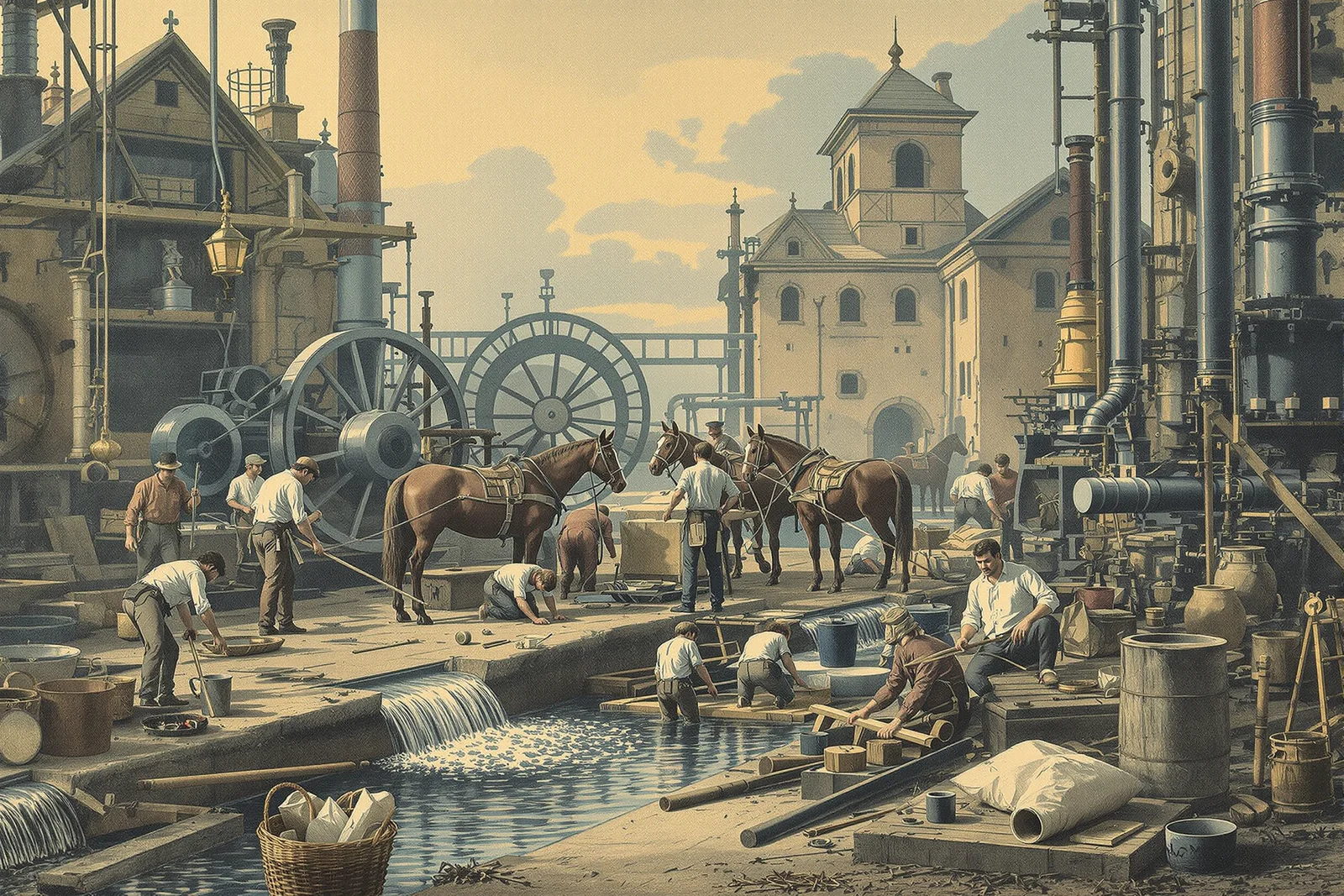
Harness the Horse
Complete Horse Training, Draft Power, and Equine Management Guide
Complete Horse Training, Draft Power, and Equine Management Guide
The horse multiplies human labor by a factor of 10. This campaign covers selection, training, harnessing, and working with horses for agriculture, transport, and logging.
Chapter 1: Draft Breeds and Selection
| Breed | Weight | Height | Temperament | Best For | Pull Capacity |
|---|---|---|---|---|---|
| Belgian | 1,800-2,200 lbs | 16-17 hands | Gentle, willing | Heavy draft, farming | 8,000-10,000 lbs |
| Percheron | 1,800-2,600 lbs | 15-17 hands | Intelligent, calm | All-purpose draft | 7,000-9,000 lbs |
| Clydesdale | 1,800-2,200 lbs | 16-18 hands | Gentle, energetic | Logging, parades | 7,000-8,000 lbs |
| Suffolk Punch | 1,600-2,000 lbs | 15-16 hands | Very willing, easy keeper | Farming (low feed needs) | 6,000-8,000 lbs |
| Haflinger | 800-1,300 lbs | 13-15 hands | Hardy, versatile | Small farm, mountain | 3,000-5,000 lbs |
| Mule (horse × donkey) | 800-1,400 lbs | 14-16 hands | Smart, sure-footed | Rough terrain, hot climates | 4,000-6,000 lbs |
| Quarter Horse | 1,000-1,200 lbs | 14-16 hands | Versatile, quick | Light draft, riding, cattle | 2,000-3,000 lbs |
Chapter 2: Basic Training Progression
| Stage | Age | Duration | Goals | Methods |
|---|---|---|---|---|
| Imprinting | Birth-3 days | First hours | Accept human touch, halter | Handle all over, halter briefly |
| Halter training | 1-6 months | 2-4 weeks | Lead, tie, stand, pick up feet | Short sessions (10-15 min), reward |
| Ground manners | 6-18 months | Ongoing | Respect space, yield to pressure | Pressure/release, consistency |
| Long-lining | 2-3 years | 4-8 weeks | Voice commands, turns, stops | Two long reins, work behind horse |
| Introduction to harness | 2-3 years | 2-4 weeks | Accept collar, traces, blinders | Gradual introduction, no pulling yet |
| Light draft work | 3 years | 4-8 weeks | Pull light loads (tire, log) | Start with drag (no wheels), build slowly |
| Full draft work | 3-4 years | Ongoing | Full working capacity | Gradually increase load and duration |
Chapter 3: Voice Commands (Standard)
| Command | Meaning | Tone | Notes |
|---|---|---|---|
| Walk / Walk on | Start walking forward | Calm, encouraging | Cluck or kiss sound also works |
| Whoa | Stop completely | Firm, low, drawn out | Most important command. Must be absolute. |
| Easy / Steady | Slow down | Calm, soothing | Reduce pace without stopping |
| Back / Back up | Move backward | Firm, clear | Light rein pressure + voice |
| Gee | Turn right | Clear | Standard teamster command |
| Haw | Turn left | Clear | Standard teamster command |
| Get up / Hup | Increase speed/effort | Energetic | Used when more pull is needed |
| Stand | Stand still (different from whoa) | Calm | Stay in place while unhitched/adjusted |
Chapter 4: Harness Components
| Component | Function | Fit Check | Common Problems |
|---|---|---|---|
| Collar | Transfers pulling force to shoulders | Two fingers between collar and neck at sides | Too tight = sores. Too loose = rocks, pinches. |
| Hames | Metal/wood pieces on collar, attach traces | Sit in collar groove, tight at top | Must match collar size exactly |
| Traces (tugs) | Connect hames to implement/load | Level from hame to singletree | Too short = lifts collar. Too long = slack. |
| Backband (saddle) | Supports traces, carries shafts | Sits behind withers, padded | Too far forward = interferes with shoulder |
| Breeching | Holds back load (going downhill, stopping) | Sits on buttocks, level | Too low = under tail. Too high = rides up. |
| Bridle | Controls head, carries bit | Two fingers under throatlatch | Too tight = discomfort. Too loose = comes off. |
| Bit | Communication through mouth | Wrinkles corner of mouth (1-2 wrinkles) | Too low = tongue over. Too high = pinches. |
| Lines (reins) | Driver controls direction and speed | Smooth, no tangles | Must reach from driver position to bit |
| Blinders | Prevent seeing behind (reduces spooking) | Eyes centered in cups | Must not touch eyes or restrict forward vision |
Chapter 5: Draft Work Applications
| Application | Equipment | Horses Needed | Output vs. Human | Notes |
|---|---|---|---|---|
| Plowing | Walking plow + harness | 1-2 horses | 10× (1 acre/day vs. 1/10 acre) | Adjust depth gradually |
| Harrowing | Drag harrow or disk | 1-2 horses | 15× | Lighter draft than plowing |
| Mowing | Horse-drawn mower | 1-2 horses | 20× | 5-10 acres/day |
| Logging (skidding) | Chains + singletree | 1 horse | 5-10× | Horse navigates where machines can't |
| Hauling (wagon) | Wagon + harness | 1-2 horses | 20× | 1-2 tons per horse on good road |
| Cultivating | Cultivator | 1 horse | 10× | Between crop rows |
| Grading/scraping | Fresno scraper or slip | 1-2 horses | 10× | Earth moving, road building |
Chapter 6: Daily Care and Feeding
| Need | Requirement | Details | Cost/Effort |
|---|---|---|---|
| Feed (hay) | 15-25 lbs/day (1.5-2% body weight) | Good quality grass or mixed hay | ~1 ton/month for draft horse |
| Feed (grain) | 5-15 lbs/day (working horses) | Oats preferred (safest grain for horses) | More grain when working hard |
| Water | 10-15 gallons/day (more in heat/work) | Clean, fresh, always available | Check twice daily minimum |
| Salt/minerals | Free-choice mineral block | Trace mineral salt block in pasture/stall | Replace when consumed |
| Hoof care | Trim every 6-8 weeks, shoe if needed | Barefoot if possible, shoe for road/rock work | Farrier or learn to trim |
| Teeth (floating) | Check annually, float if needed | Sharp edges cause pain, poor eating | Equine dentist or vet |
| Deworming | Every 2-3 months (or fecal test) | Rotate dewormers to prevent resistance | Paste or feed-through |
| Shelter | Minimum 3-sided run-in shed | Protection from wind, rain, sun | 12×12 feet per horse minimum |
Reference Card
- One draft horse = 10 human laborers for pulling/plowing. The most important animal for rebuilding.
- WHOA is the most important command. Must be absolute. Never use casually. Train first, work second.
- Collar fit: two fingers at sides of neck. Traces level from hames to singletree. Breeching on buttocks.
- Feed: 1.5-2% body weight in hay daily + grain when working. 10-15 gallons water. Salt free-choice.
- Training progression: halter → ground manners → long-lining → harness introduction → light loads → full work.
- Never start full draft work before age 3 (bones not mature). Light work at 3, full work at 4.
- Mules: smarter, hardier, more sure-footed, less feed than horses. Cannot reproduce. Excellent for rough terrain.
- A well-trained team of horses can plow 1 acre/day, haul 2 tons on road, or skid 1,000+ lbs of logs.
TransmissionCOMPLETE — unaltered & unabridged
Words1,233 — every one of them
SHA-256 of source text9079a1746ce353c2af2ddb9032327b59464418149c2581f8b20e5c9d7d4e689f
Canonical textdownload campaign-horse-power.md — byte-identical to what this page renders