Complete Primitive Signaling and Communication: From Smoke to Semaphore
Communication across distances is critical for coordination, rescue, and community. This campaign covers visual signals, audible signals, written systems, and emergency communication.
Chapter 1: Visual Signals
Method
Range
Conditions
Difficulty
Speed
Reliability
Smoke signals
5-50 miles
Clear day, no wind
Low
Slow
Moderate
Signal fire
5-20 miles
Night
Very low
Slow
Good
Mirror/heliograph
10-100+ miles
Sunny day
Low
Moderate
Good
Semaphore flags
1-5 miles
Clear day
Moderate
Fast
Very good
Signal flags (maritime)
1-10 miles
Clear day
Moderate
Moderate
Very good
Light signals (lantern)
1-10 miles
Night
Low
Moderate
Good
Ground-to-air signals
1-5 miles (altitude)
Clear day
Low
N/A (static)
Good
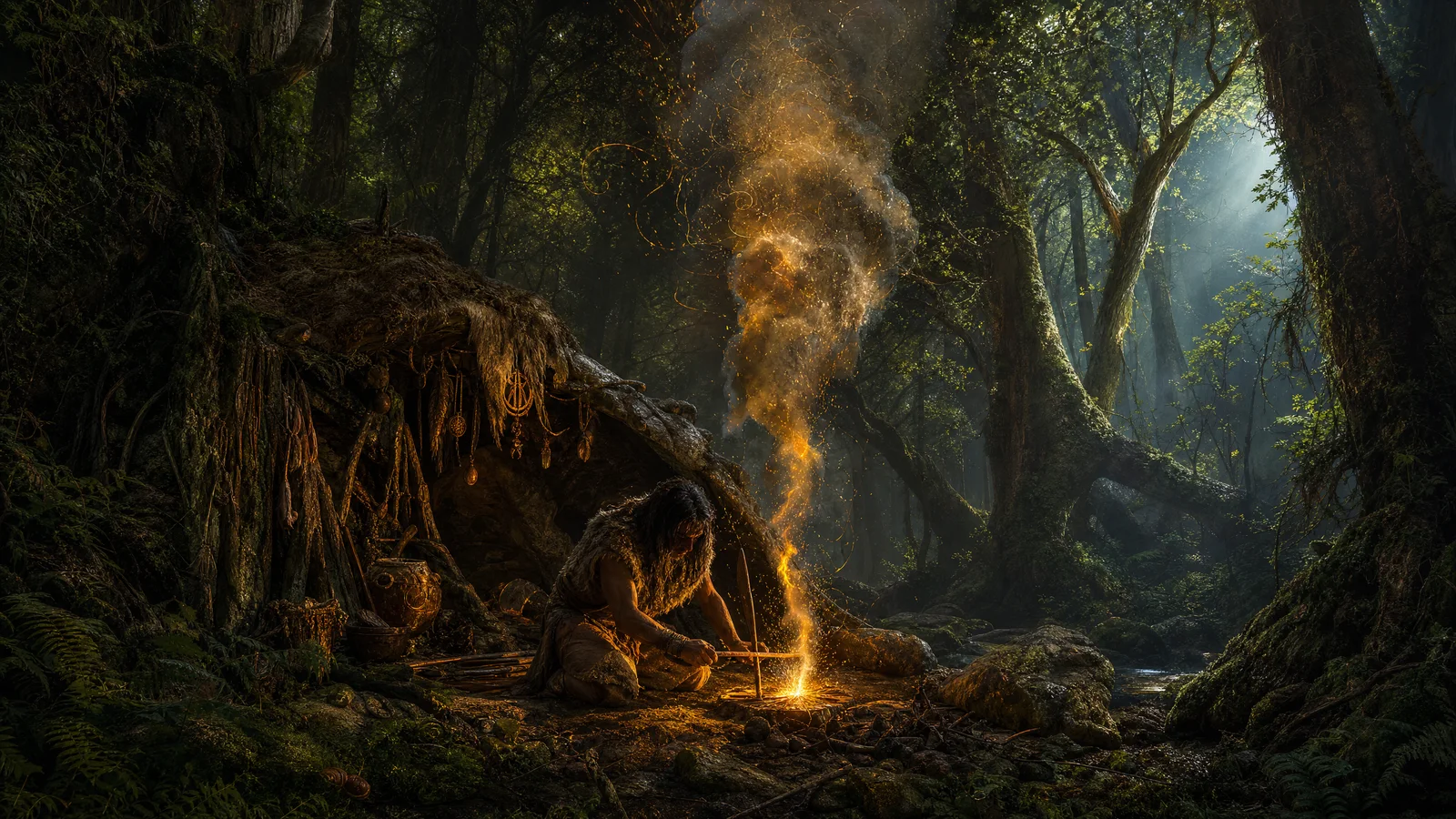
Smoke signals: 1) Build large fire with dry wood (produces flame, not smoke). 2) Once fire is established, add green branches, grass, or damp material. 3) Green material produces thick white smoke (visible for miles). 4) To create puffs: cover fire with wet blanket, remove briefly, re-cover. 5) Three puffs is universal distress signal. 6) Steady column of smoke: "I am here" / "camp location." 7) Two columns of smoke: "all is well" (some traditions). 8) Smoke signals work best on calm, clear days. 9) Wind disperses smoke quickly (limits effectiveness). 10) Choose high ground for maximum visibility.
Chapter 2: Audible Signals
Method
Range
Conditions
Difficulty
Message Complexity
Whistle (3 blasts = distress)
1/4-1 mile
Any
Very low
Very low
Horn/trumpet
1-3 miles
Any
Low
Low
Drum
1-5 miles
Any (travels far at night)
Moderate
Moderate-high
Gunshot (3 shots = distress)
1-3 miles
Any
Very low
Very low
Bell
1/2-2 miles
Any
Very low
Low
Yelling/voice
100-500 yards
Calm conditions
Very low
High
Drum communication: 1) Drums carry further than voice (low frequencies travel far). 2) Sound travels better at night (temperature inversion reflects sound). 3) Sound travels better over water (flat, reflective surface). 4) Simple code: rapid beats = danger/alarm. 5) Steady beats = gathering/meeting. 6) Specific rhythmic patterns can encode complex messages. 7) Relay system: drummers at intervals repeat the message. 8) African talking drums could transmit complex messages over 100+ miles through relay.
Chapter 3: Written Communication
System
Complexity
Learning Time
Permanence
Materials
Pictographs
Low
Minutes
Permanent (carved/painted)
Rock, paint, charcoal
Trail markers (blazes)
Very low
Minutes
Semi-permanent
Axe, knife, paint
Knot records (quipu)
Moderate
Hours-days
Semi-permanent
Cordage
Tally sticks
Low
Minutes
Permanent
Wood, knife
Cipher/code
High
Hours-days
Varies
Writing materials
Map making
Moderate
Hours
Permanent
Paper/bark, charcoal/ink
Trail markers: 1) Blaze: axe mark on tree at eye height (remove bark to show light wood). 2) Two blazes = trail continues in this direction. 3) Three blazes = trail junction or important point. 4) Cairn: stacked rocks (3+ rocks) mark trail above treeline. 5) Broken branch: bend and break branch to point direction. 6) Arrow on ground: rocks or sticks arranged as arrow. 7) Consistent marking system is more important than specific symbols. 8) Mark frequently enough that next marker is visible from current one.
Chapter 4: Emergency Communication
Signal
Meaning
Method
International Standard
SOS (... --- ...)
Distress
Light, sound, visual
Yes (universal)
Three of anything
Distress
Fires, shots, whistles
Yes (universal)
X on ground
Need medical help
Rocks, logs, fabric
Yes (ground-to-air)
V on ground
Need assistance
Rocks, logs, fabric
Yes (ground-to-air)
Single fire
Location marker
Fire
Common
Triangle of fires
Distress
Three fires in triangle
Common
Orange smoke
Distress (maritime)
Smoke signal
Yes (maritime)
Mirror flash
Distress/location
Signal mirror
Yes (aviation/maritime)
Chapter 5: Community Communication Systems
System
Range
Speed
Infrastructure
Maintenance
Runner/messenger
Unlimited
5-10 mph
Trails, relay stations
Low
Signal tower chain
50-500+ miles
Near instant (visual)
Towers, operators
High
Drum relay
10-100+ miles
Fast (sound speed)
Drummers at intervals
Moderate
Pigeon post
50-500+ miles
30-60 mph
Trained pigeons, lofts
Moderate
Semaphore chain
50-200+ miles
Fast (visual)
Towers, operators
High
Written mail
Unlimited
Speed of carrier
Routes, carriers
Low
Reference Card
Three of anything means distress (three fires, three whistle blasts, three gunshots, three of anything is the universal distress signal). 2. Signal mirrors reach the farthest (a small mirror can be seen from over 100 miles away on a clear day; carry one in every survival kit). 3. Sound carries farther at night (temperature inversions at night reflect sound waves downward; drums and horns are more effective after dark). 4. High ground for visual signals (smoke, fire, and mirror signals need line of sight; always signal from the highest available point). 5. Consistency beats complexity (a simple signaling system that everyone knows is better than a complex one that nobody remembers). 6. SOS is universal (three short, three long, three short; by light, sound, or any medium; everyone in the world recognizes this pattern). 7. Ground-to-air signals must be large (make signals at least 10 feet across using contrasting materials; aircraft move fast and pilots need to see quickly). 8. Redundancy saves lives (use multiple signaling methods simultaneously; smoke during the day, fire at night, mirror when sunny).