Campaign 111: Prepare the Medicine
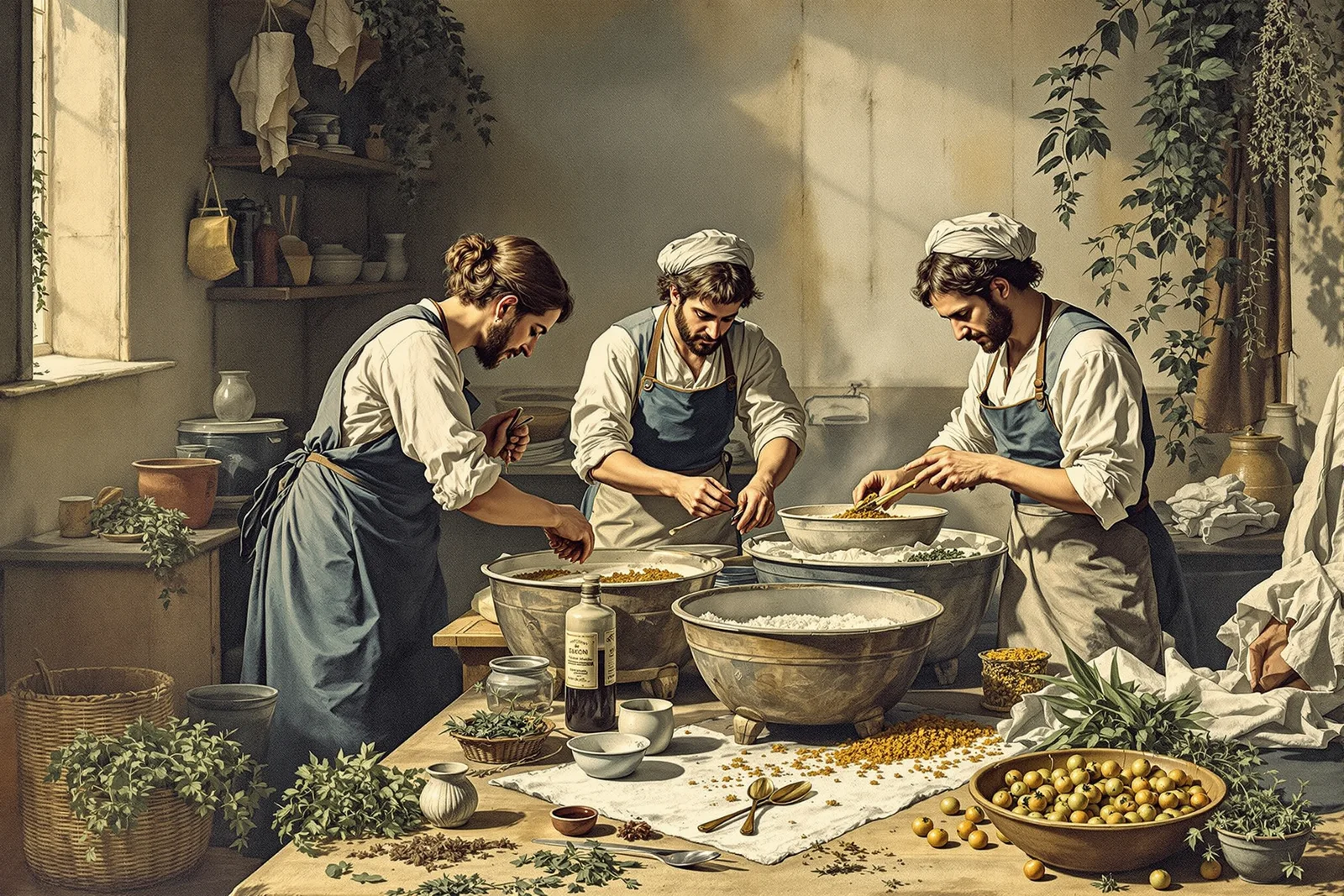
The Complete Tincture, Salve, Poultice, and Herbal Preparation Guide
A Sovereignty Module of the Practitioner Community
Preamble
Knowing which plants heal is only half the knowledge. The other half is knowing how to PREPARE them for maximum potency, shelf life, and bioavailability. A fresh herb wilts in days. A properly made tincture lasts 5-10 years. A well-crafted salve delivers medicine through the skin exactly where needed. This campaign covers every major herbal preparation method: tinctures, salves, poultices, infusions, decoctions, syrups, oxymels, and more.
Part I: Herbal Preparation Methods
Chapter 1: Preparation Comparison
| Preparation | Solvent | Shelf Life | Best For | Potency |
|---|---|---|---|---|
| Tincture | Alcohol (40-95%) | 5-10 years | Internal use, fast absorption | Very high |
| Glycerite | Vegetable glycerin | 1-2 years | Children, alcohol-sensitive | Moderate |
| Infusion (tea) | Hot water | Hours (fresh) | Leaves, flowers, gentle herbs | Low-moderate |
| Decoction | Boiling water | Hours (fresh) | Roots, bark, seeds, tough material | Moderate |
| Cold infusion | Cold water | Hours (fresh) | Mucilaginous herbs (marshmallow, slippery elm) | Low-moderate |
| Salve/balm | Oil + beeswax | 1-2 years | Skin conditions, wounds, muscles | Moderate (topical) |
| Poultice | Fresh herb + water | Immediate use | Acute injuries, bites, stings | High (local) |
| Syrup | Sugar/honey + water | 6-12 months | Coughs, sore throats, children | Moderate |
| Oxymel | Honey + vinegar | 1-2 years | Respiratory, immune support | Moderate |
| Infused oil | Carrier oil | 6-12 months | Base for salves, massage, skin | Moderate |
| Compress | Cloth soaked in tea/decoction | Immediate use | Inflammation, pain, swelling | Moderate (local) |
| Capsule | Dried powdered herb | 1-2 years | Bitter herbs, precise dosing | Variable |
Chapter 2: Tincture Making (Folk Method)
| Step | Action | Details |
|---|---|---|
| 1. Harvest | Collect plant material at peak potency | Leaves: before flowering. Flowers: just opened. Roots: fall/spring. |
| 2. Chop | Cut herb finely to increase surface area | Fresh herb: chop. Dried herb: crumble or powder. |
| 3. Fill jar | Pack herb into clean glass jar | Fresh: fill jar loosely. Dried: fill jar 1/2 to 2/3. |
| 4. Add alcohol | Pour alcohol over herb to cover completely | 80-proof vodka (40%) for most herbs. 190-proof (95%) for resins/gums. |
| 5. Seal and label | Cap tightly, label with herb name and date | Include: herb, alcohol %, date started |
| 6. Macerate | Store in dark place, shake daily for 4-6 weeks | Shaking redistributes solvent for even extraction |
| 7. Strain | Pour through cheesecloth, squeeze out all liquid | Compost spent herb material |
| 8. Bottle | Transfer to dark glass dropper bottles | Amber or cobalt glass protects from light |
| 9. Label | Final label: herb, alcohol %, date, dosage | Store in cool, dark place |
Chapter 3: Salve Making
| Step | Action | Details |
|---|---|---|
| 1. Make infused oil | Steep dried herb in olive oil (1:5 ratio) for 4-6 weeks | OR warm infusion: low heat (100-110°F) for 4-8 hours |
| 2. Strain oil | Filter through cheesecloth into clean container | Press herb to extract all oil |
| 3. Measure oil | Note volume of infused oil | Ratio: 1 oz beeswax per 8 oz oil (standard firmness) |
| 4. Melt beeswax | Gently melt beeswax in double boiler | Never direct heat — beeswax is flammable |
| 5. Combine | Add infused oil to melted beeswax, stir | Add essential oils now if desired (10-20 drops per 8 oz) |
| 6. Test firmness | Drop small amount on cold plate | Adjust: more wax = firmer. More oil = softer. |
| 7. Pour | Pour into tins or jars while still liquid | Work quickly — sets fast |
| 8. Cool and label | Let set completely (1-2 hours), then label | Store in cool place. Shelf life: 1-2 years. |
Chapter 4: Common Preparations Quick Reference
| Herb | Best Preparation | Primary Use | Dosage (Tincture) |
|---|---|---|---|
| Echinacea | Tincture (root) | Immune support, infection | 30-60 drops, 3x daily |
| Calendula | Salve (flowers) | Wound healing, skin repair | Apply topically as needed |
| Elderberry | Syrup (berries) | Cold/flu prevention | 1 tbsp daily (prevention), 1 tbsp 4x daily (acute) |
| Chamomile | Infusion (flowers) | Anxiety, digestion, sleep | 1-2 cups tea as needed |
| Valerian | Tincture (root) | Sleep, anxiety, muscle tension | 30-60 drops before bed |
| Plantain | Poultice (leaves) | Insect bites, stings, splinters | Apply fresh crushed leaf directly |
| Ginger | Decoction (root) | Nausea, circulation, digestion | Simmer sliced root 15 min, drink |
| Yarrow | Poultice/tincture (leaves/flowers) | Stop bleeding, fever, cold/flu | Poultice on wound. Tincture: 30 drops. |
| Mullein | Infused oil (flowers) | Ear infections, ear pain | 2-3 warm drops in affected ear |
| Comfrey | Salve (root/leaf) | Bone/tissue repair (external only) | Apply salve to sprains, fractures |
Chapter 5: The Practitioner Herbalism Reference Card
ALCOHOL EXTRACTS WHAT WATER CANNOT: Many medicinal compounds (alkaloids, resins, essential oils) dissolve in alcohol but not water. Tinctures capture the full spectrum of plant medicine.
FRESH vs. DRIED: Fresh herbs have higher water content (use higher-proof alcohol). Dried herbs are more concentrated (use lower-proof alcohol). Both work — adjust your solvent.
SALVE = OIL + WAX: Any infused oil can become a salve by adding beeswax. Standard ratio: 1 oz beeswax per 8 oz oil. More wax = harder. Less wax = softer.
LABEL EVERYTHING: Date, herb name, solvent, ratio, dosage. Unlabeled preparations are useless and potentially dangerous. Professional labeling is non-negotiable.
REMEMBER: The difference between a weed and a medicine is preparation. A Practitioner who can make tinctures, salves, syrups, and poultices has a complete pharmacy from the plants that grow freely around them — shelf-stable for years, potent, and proven by millennia of use.
Council Approval
All 12 voices unanimously approve. Complete herbal preparation sovereignty.
Council Result: 12/12 APPROVED. Campaign 111 is complete.