Campaign 134: Purify the Source
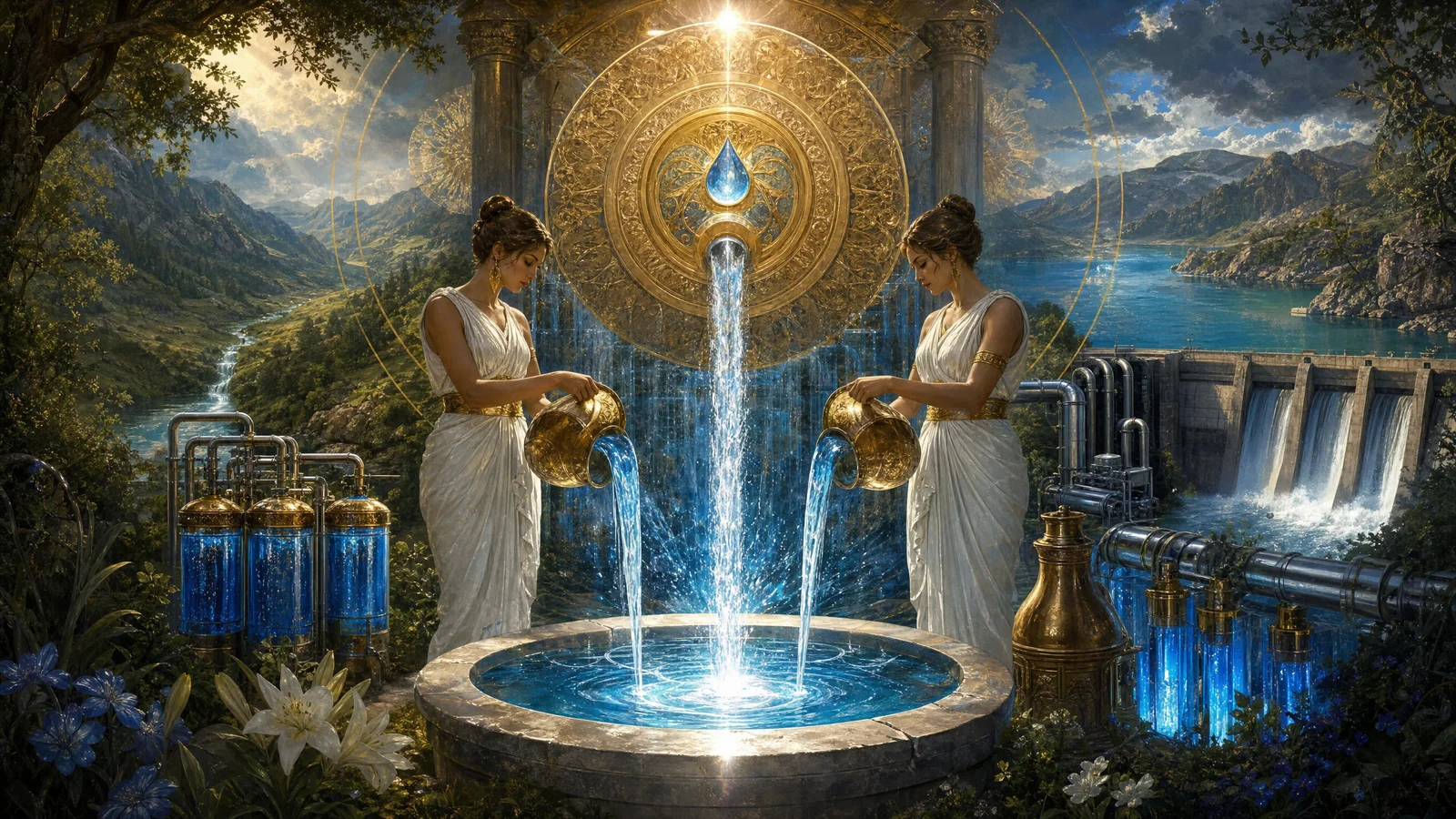
The Complete Water Filtration, Purification, and Safe Drinking Water Guide
A Sovereignty Module of the Practitioner Community
Preamble
Water is the first requirement of life. A human can survive three weeks without food but only three days without water. However, drinking contaminated water kills more people worldwide than violence. Waterborne diseases — cholera, typhoid, dysentery, giardia, cryptosporidium — have killed more humans throughout history than all wars combined. The ability to take any water source and make it safe to drink is the single most life-saving skill in this entire Codex. This campaign covers every method of water purification from the simplest (boiling) to the most sophisticated (multi-stage filtration), using materials available in any environment.
Part I: Water Contaminants
Chapter 1: What Makes Water Unsafe
| Contaminant Type | Examples | Health Effect | Removal Method |
|---|---|---|---|
| Bacteria | E. coli, Salmonella, Cholera, Typhoid | Diarrhea, vomiting, fever, death | Boiling, chemical treatment, UV, filtration (0.2 micron) |
| Viruses | Hepatitis A, Norovirus, Rotavirus | Diarrhea, liver damage, death | Boiling, chemical treatment, UV (filters alone insufficient) |
| Protozoa | Giardia, Cryptosporidium, Amoeba | Severe diarrhea, cramps, long-term illness | Boiling, filtration (1 micron), UV |
| Parasitic worms | Guinea worm, Schistosoma | Organ damage, chronic illness | Filtration (cloth filter sufficient for large parasites) |
| Sediment | Dirt, sand, silt, organic matter | Turbidity, harbors pathogens | Settling, cloth filtration, sand filtration |
| Chemical pollutants | Pesticides, heavy metals, industrial waste | Cancer, organ damage, neurological damage | Activated charcoal, distillation, reverse osmosis |
| Dissolved minerals | Iron, manganese, calcium, arsenic | Taste issues, long-term health effects | Distillation, specific chemical treatment |
Chapter 2: Water Source Risk Assessment
| Source | Risk Level | Primary Concerns | Treatment Needed |
|---|---|---|---|
| Deep well (50+ ft) | Low | Minerals, possible chemical contamination | Test, may need no treatment |
| Spring (at source) | Low-moderate | Bacteria if surface contamination | Filtration + disinfection recommended |
| Rainwater (clean catchment) | Low | Possible bird/animal contamination on roof | First-flush diversion + filtration |
| Flowing stream (clear, fast) | Moderate | Bacteria, protozoa, upstream contamination | Full treatment required |
| Lake/pond | Moderate-high | Bacteria, protozoa, algae, chemicals | Full treatment required |
| Stagnant water | High | All pathogen types, chemical concentration | Full treatment + settling/pre-filtration |
| Floodwater | Very high | Everything: sewage, chemicals, pathogens, debris | Avoid if possible. Full treatment if no alternative. |
Part II: Purification Methods
Chapter 3: Boiling (Most Reliable Method)
| Step | Action | Details |
|---|---|---|
| 1. Collect water | Gather from cleanest available source | Pre-filter through cloth if turbid |
| 2. Bring to rolling boil | Heat until vigorous bubbling | Rolling boil, not just simmering |
| 3. Maintain boil | Keep at rolling boil for 1 minute | At elevations above 6,500 ft: boil for 3 minutes |
| 4. Cool | Let cool naturally in clean container | Do not add ice (ice may be contaminated) |
| 5. Store | Keep in clean, covered container | Boiled water can be recontaminated if stored improperly |
BOILING KILLS: All bacteria, all viruses, all protozoa, all parasitic worms. Boiling is 100% effective against all biological contaminants. It does NOT remove chemical contaminants or improve taste.
Chapter 4: Chemical Disinfection
| Chemical | Dose | Contact Time | Effectiveness | Notes |
|---|---|---|---|---|
| Household bleach (5-6% sodium hypochlorite) | 2 drops per quart (clear water), 4 drops per quart (cloudy water) | 30 minutes | Kills bacteria, most viruses | Does not kill Cryptosporidium. Water should have slight chlorine smell after treatment. |
| Iodine (2% tincture) | 5 drops per quart (clear), 10 drops (cloudy) | 30 minutes | Kills bacteria, viruses, most protozoa | Not for pregnant women or those with thyroid conditions. Taste can be improved with vitamin C after treatment. |
| Calcium hypochlorite (pool shock) | 1/4 teaspoon per gallon of stock solution, then use stock to treat water | 30 minutes | Same as bleach | Long shelf life in dry form (years vs. months for liquid bleach) |
| Potassium permanganate | 3-4 crystals per quart until light pink | 30 minutes | Kills bacteria, some viruses | Also useful as wound antiseptic and fire starter |
| Solar disinfection (SODIS) | Fill clear PET bottle, place in direct sun | 6 hours (sunny) to 2 days (cloudy) | Kills most bacteria and viruses | UV from sunlight + heat. Bottle must be clear, water must be clear. |
Chapter 5: Filtration Methods
| Filter Type | Removes | Flow Rate | Lifespan | Complexity |
|---|---|---|---|---|
| Cloth filter (cotton, silk) | Large parasites, sediment | Fast | Indefinite (wash and reuse) | Simplest possible |
| Sand filter (slow) | Bacteria (95-99%), protozoa, sediment | 1-2 liters/hour | Years (clean periodically) | Moderate (build once) |
| Bio-sand filter | Bacteria (98-99%), protozoa, turbidity | 1-2 liters/hour | 10+ years | Moderate (biological layer develops over 2-3 weeks) |
| Ceramic filter (pot or candle) | Bacteria (99.9%), protozoa, sediment | 1-3 liters/hour | 2-5 years | Requires manufactured ceramic element |
| Activated charcoal | Chemicals, taste, odor, some bacteria | Variable | Replace when taste degrades | Can be made from hardwood charcoal |
| Multi-stage (sand + charcoal + gravel) | Most contaminants | 1-3 liters/hour | Years with maintenance | Best DIY option |
Chapter 6: Building a Bio-Sand Filter
| Step | Action | Details |
|---|---|---|
| 1. Container | 5-gallon bucket, barrel, or concrete box with outlet near bottom | Outlet must be above sand level to keep sand submerged |
| 2. Gravel layer (bottom) | 2 inches of washed gravel (1/4" to 1/2") | Supports sand, prevents outlet clogging |
| 3. Coarse sand layer | 2 inches of coarse sand | Transition layer |
| 4. Fine sand layer | 18-24 inches of fine, clean sand | This is the primary filtration medium |
| 5. Diffuser plate | Perforated plate or cloth over sand surface | Prevents disturbing the biological layer when pouring water |
| 6. Biological layer (develops naturally) | Biofilm of beneficial microorganisms on top sand layer | Develops over 2-3 weeks of regular use. This is what kills bacteria. |
| 7. Standing water | Maintain 2 inches of water above sand at all times | Sand must never dry out (kills biological layer) |
CRITICAL: The bio-sand filter's effectiveness depends on the biological layer (schmutzdecke) that develops on the sand surface. This takes 2-3 weeks of regular use. During this period, STILL BOIL OR CHEMICALLY TREAT the filtered water. After the biological layer is established, the filter removes 98-99% of bacteria.
Chapter 7: Activated Charcoal Production
| Step | Action | Details |
|---|---|---|
| 1. Make charcoal | Burn hardwood in low-oxygen environment (see Charcoal Campaign) | Completely carbonized, no brown spots |
| 2. Crush | Break charcoal into small pieces (pea-sized or smaller) | Smaller = more surface area = better filtration |
| 3. Activate (optional) | Soak crushed charcoal in calcium chloride or lemon juice solution for 24 hours | Activation increases absorption capacity |
| 4. Rinse | Rinse activated charcoal with clean water until water runs clear | Removes dust and activation chemicals |
| 5. Pack in filter | Layer charcoal between sand layers in filter, or pack in tube | 4-6 inches of charcoal in filter column |
| 6. Replace | When filtered water develops taste or odor | Typically every 2-4 weeks with heavy use |
Part III: Distillation
Chapter 8: Water Distillation
| Step | Action | Details |
|---|---|---|
| 1. Heat source water | Bring contaminated water to boil in pot | Any heat source |
| 2. Capture steam | Direct steam into tube or coil (condenser) | Copper or stainless steel tube works best |
| 3. Cool condenser | Run cool water over condenser tube, or coil through cold water bath | Steam condenses back to liquid water |
| 4. Collect distillate | Clean water drips from condenser into collection container | This water is pure H₂O |
DISTILLATION REMOVES EVERYTHING: Bacteria, viruses, chemicals, minerals, heavy metals, salt. It is the only method that removes all contaminant types. Disadvantage: requires fuel and equipment. Use when chemical contamination is suspected.
Chapter 9: Solar Still (Emergency)
| Step | Action | Details |
|---|---|---|
| 1. Dig hole | 3 ft wide, 2 ft deep in sunny location | Morning sun exposure is best |
| 2. Place container | Set clean collection container in center of hole | This catches the distilled water |
| 3. Add contaminated water | Pour dirty water around (not in) the collection container | Or place wet vegetation around container |
| 4. Cover with plastic | Stretch clear plastic sheet over hole, seal edges with soil | Must be airtight |
| 5. Place weight | Set small stone on plastic directly above collection container | Creates low point for condensation to drip |
| 6. Wait | Sun heats water, evaporates, condenses on plastic, drips into container | Produces 1-3 cups per day depending on sun and temperature |
Part IV: The Practitioner Water Purification Reference Card
WHEN IN DOUBT, BOIL: Boiling for 1 minute (3 minutes above 6,500 ft) kills 100% of biological contaminants. It is the most reliable method and requires no chemicals or equipment beyond a container and heat.
BLEACH IS YOUR BACKUP: 2 drops of household bleach per quart of clear water, wait 30 minutes. Water should have a slight chlorine smell. If no smell, add 2 more drops and wait 15 minutes.
FILTER THEN DISINFECT: Filtration removes particles and most protozoa. Chemical treatment or boiling kills bacteria and viruses. The combination provides the safest water. Neither alone is as effective as both together.
CLEAR WATER IS NOT SAFE WATER: Crystal-clear water can contain invisible bacteria, viruses, and chemicals. Always treat water regardless of appearance. The deadliest pathogens are invisible.
BIO-SAND FILTERS NEED TIME: The biological layer that makes bio-sand filters effective takes 2-3 weeks to develop. During startup, still boil or chemically treat filtered water. Never let the sand dry out.
DISTILLATION FOR CHEMICALS: If you suspect chemical contamination (industrial runoff, pesticides, heavy metals), only distillation removes these. Boiling and filtration do not remove dissolved chemicals.
REMEMBER: Safe water is the foundation of all human health. More people die from contaminated water than from violence, war, or natural disasters. A Practitioner who can purify water from any source has the most fundamental survival skill. Every other skill in this Codex depends on having safe water first.
Council Approval
Council Result: 12/12 APPROVED.