Campaign 70: Heal the Herd
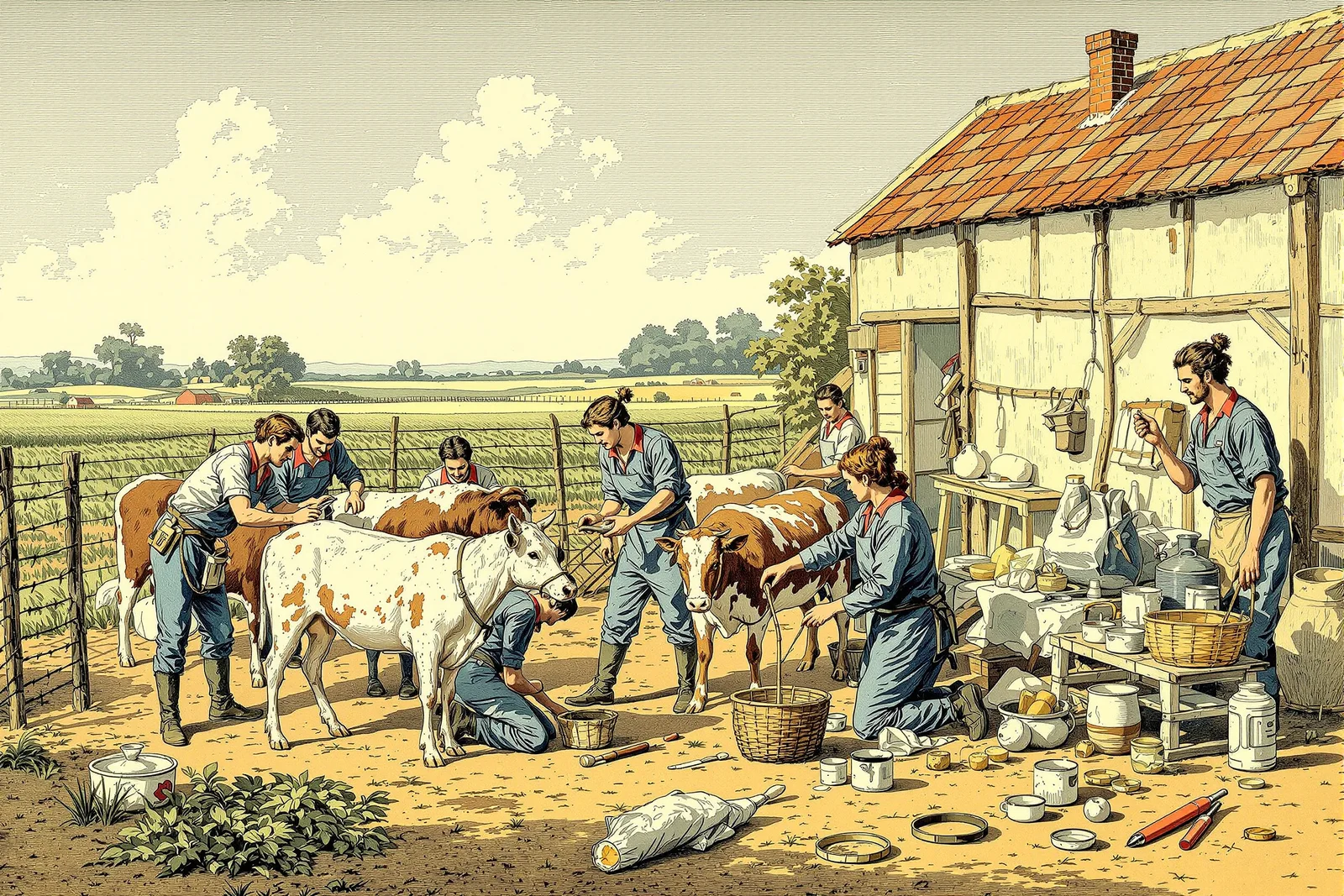
The Complete Animal First Aid, Veterinary Basics, and Livestock Health Guide
A Sovereignty Module of the Practitioner Community
Preamble
Animals in your care depend on you for their health. Veterinary access may be limited, expensive, or unavailable. Basic animal first aid and health assessment skills save lives and prevent suffering. This campaign covers vital signs for common livestock and companion animals, wound care, common diseases, birthing assistance, and when professional help is essential.
Part I: Vital Signs and Assessment
Chapter 1: Normal Vital Signs by Species
| Species | Temperature (°F) | Heart Rate (bpm) | Respiration (breaths/min) | Rumen/Gut Sounds |
|---|---|---|---|---|
| Cattle | 100.5-102.5 | 40-80 | 12-30 | 1-2 per minute per quadrant |
| Goat | 101.5-104 | 70-90 | 12-25 | 1-2 per minute per quadrant |
| Sheep | 101-103 | 60-90 | 12-25 | 1-2 per minute per quadrant |
| Horse | 99-101.5 | 28-44 | 8-16 | Continuous gurgling in all quadrants |
| Pig | 101-103.5 | 60-100 | 8-18 | Active gut sounds |
| Chicken | 105-107 | 250-300 | 15-30 | N/A |
| Dog | 100-102.5 | 60-140 (size dependent) | 10-30 | Active gut sounds |
| Cat | 100-102.5 | 140-220 | 20-30 | Active gut sounds |
Chapter 2: Health Assessment Checklist
| Check | Healthy | Concerning |
|---|---|---|
| Eyes | Bright, clear, alert | Dull, sunken, discharge, swollen |
| Nose | Clean, moist (ruminants) | Discharge (especially thick/colored) |
| Ears | Alert, responsive | Drooping, hot, discharge |
| Coat/feathers | Smooth, glossy | Rough, patchy, parasites visible |
| Posture | Standing normally, weight on all legs | Hunched, limping, lying down excessively |
| Appetite | Eating and drinking normally | Refusing food/water for 12+ hours |
| Manure/droppings | Normal consistency and color for species | Diarrhea, blood, mucus, absence |
| Behavior | Normal activity level, social | Isolated, lethargic, aggressive (unusual) |
| Breathing | Quiet, regular | Labored, coughing, wheezing, open-mouth |
| Gums | Pink, moist, capillary refill < 2 seconds | Pale, white, blue, dark red, slow refill |
Chapter 3: Animal First Aid Kit
| Item | Use |
|---|---|
| Digital thermometer (rectal) | Temperature check (most reliable method for all species) |
| Stethoscope | Heart rate, lung sounds, gut sounds |
| Betadine/povidone-iodine | Wound disinfection |
| Chlorhexidine solution | Wound cleaning, navel dipping (newborns) |
| Gauze pads and rolls | Wound dressing |
| Vet wrap (self-adhesive bandage) | Bandaging (does not stick to hair/fur) |
| Antibiotic ointment (triple antibiotic) | Wound treatment |
| Epsom salts | Hoof soaking, drawing poultice |
| Electrolyte powder | Dehydration treatment |
| Syringes (various sizes) | Medication administration, wound flushing |
| Needles (16-20 gauge) | Injections (if trained) |
| Hoof pick/knife | Hoof care |
| Bloat trocar | Emergency bloat relief (ruminants) |
| OB lubricant | Birthing assistance |
| Clean towels | Drying newborns, wound care |
| Flashlight/headlamp | Nighttime emergencies |
| Notebook | Record keeping (symptoms, treatments, dates) |
Part II: Common Emergencies
Chapter 4: Wound Care
| Step | Action | Notes |
|---|---|---|
| 1 | Restrain animal safely | Calm handling reduces stress and bleeding |
| 2 | Stop bleeding (direct pressure with clean cloth) | Maintain pressure 5-10 minutes |
| 3 | Flush wound with clean water or saline | Remove debris, dirt, hair |
| 4 | Apply dilute betadine or chlorhexidine | Disinfect wound |
| 5 | Apply antibiotic ointment | Thin layer |
| 6 | Bandage if location allows | Vet wrap over gauze. Not too tight. |
| 7 | Monitor daily for infection signs | Swelling, heat, discharge, odor, fever |
| 8 | Change bandage every 1-2 days | Keep wound clean |
WHEN TO CALL VET: Deep puncture wounds, wounds near joints or eyes, wounds with exposed bone/tendon, wounds that won't stop bleeding, any wound showing infection signs after 48 hours.
Chapter 5: Birthing Assistance
| Stage | Normal | Intervention Needed |
|---|---|---|
| Stage 1 (labor begins) | Restlessness, nesting, mild contractions. Hours. | No intervention unless distress |
| Stage 2 (active delivery) | Strong contractions, water breaks, delivery within 30-60 min of pushing | If no progress after 30 min of active pushing, check position |
| Normal presentation | Front feet first (soles down), nose between knees | If anything else, reposition or call vet |
| Stage 3 (placenta) | Passes within 2-6 hours after birth | If not passed in 12 hours (cattle/horse) or 6 hours (goat/sheep), call vet |
| Newborn care | Dry with towels, clear airway, dip navel in 7% iodine, ensure nursing within 1-2 hours | If not nursing in 2 hours, milk colostrum and bottle/tube feed |
Chapter 6: The Practitioner Animal Health Reference Card
TEMPERATURE: The single most useful diagnostic tool. Take temperature FIRST for any sick animal. Fever = infection. Low temp = shock or hypothermia.
DEHYDRATION TEST: Pinch skin on neck. If it stays tented for more than 2 seconds, animal is dehydrated. Offer electrolyte water.
BLOAT (RUMINANTS): Left side distended, animal in distress. Emergency. Walk the animal. If no improvement, trocar may be needed. This is life-threatening.
COLIC (HORSES): Rolling, pawing, looking at flank, not eating. Walk the horse. Call vet. Do not let horse roll violently (risk of twisted gut).
NEWBORNS: Must receive colostrum (first milk) within 2 hours of birth. Colostrum contains antibodies essential for survival. No colostrum = high mortality risk.
RECORD KEEPING: Write down every treatment, every symptom, every date. Patterns emerge from records that memory cannot hold.
REMEMBER: Animals cannot tell you what hurts. They hide pain and illness as a survival instinct. By the time an animal looks sick, it has been sick for a while. Daily observation of normal behavior is your best diagnostic tool. Know what normal looks like so you recognize abnormal immediately. A Practitioner who can assess and treat basic animal health issues protects the living assets of the homestead.
Council Approval
All 12 voices unanimously approve. Complete animal health sovereignty.
Council Result: 12/12 APPROVED. Campaign 70 is complete.