Sovereignty Module: Guard the Tradition
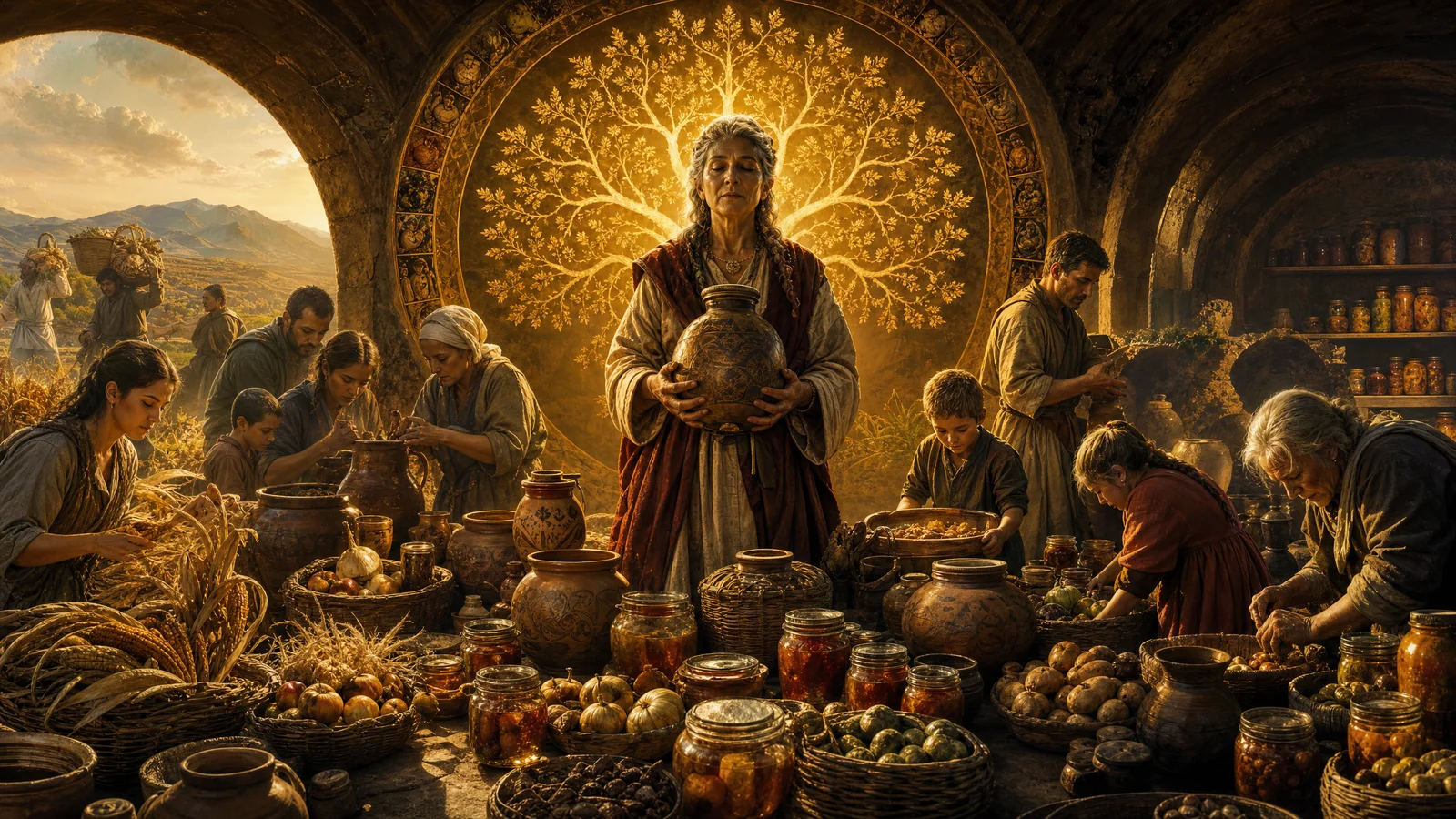
Guard the Tradition
Complete Pottery Heritage and Cultural Preservation: From Ancient Techniques to Living Traditions
Complete Pottery Heritage and Cultural Preservation: From Ancient Techniques to Living Traditions
Pottery traditions carry the wisdom of civilizations. This campaign covers the preservation of indigenous pottery techniques, cultural significance of ceramic traditions, and the responsibility of contemporary potters to honor and continue these traditions.
Chapter 1: World Pottery Traditions
| Tradition | Region | Age | Key Technique | Cultural Significance |
|---|---|---|---|---|
| Jomon | Japan | 16,000 years | Coil-built, cord-marked | Oldest known pottery |
| Pueblo | American Southwest | 2,000 years | Coil-built, painted | Spiritual, ceremonial |
| Greek | Mediterranean | 3,500 years | Wheel-thrown, painted | Narrative, artistic |
| Chinese | China | 10,000 years | Wheel-thrown, glazed | Technical innovation |
| Raku | Japan | 450 years | Hand-built, rapid fired | Tea ceremony |
| Majolica | Italy/Spain | 800 years | Tin-glazed earthenware | Decorative arts |
| Wedgwood | England | 250 years | Industrial, refined | Mass production pioneer |
Chapter 2: Endangered Techniques
| Technique | Region | Status | Threat |
|---|---|---|---|
| Pit firing | Global indigenous | Declining | Replaced by kiln firing |
| Coil building | Americas, Africa | Declining | Replaced by wheel throwing |
| Natural clay sourcing | Global | Declining | Replaced by commercial clay |
| Wood ash glazing | East Asia | Declining | Replaced by commercial glazes |
| Burnishing | Americas, Africa | Declining | Replaced by glazing |
| Open firing | Africa, Americas | Declining | Replaced by kiln firing |
| Natural pigments | Global | Declining | Replaced by commercial stains |
Chapter 3: Documentation Methods
| Method | What It Captures | Permanence |
|---|---|---|
| Written description | Process steps, materials | High |
| Photography | Visual record of process | High |
| Video | Complete process documentation | High |
| Audio recording | Oral history, explanations | High |
| Sample collection | Clay, pigment, glaze materials | High |
| Apprenticeship | Embodied knowledge, feel | Highest (living tradition) |
| Museum collection | Finished examples | High |
Chapter 4: Ethical Considerations
| Issue | Concern | Best Practice |
|---|---|---|
| Cultural appropriation | Using sacred or restricted techniques | Seek permission, give credit |
| Intellectual property | Traditional designs and methods | Respect ownership |
| Economic impact | Competition with traditional potters | Support, don't undercut |
| Sacred objects | Reproducing ceremonial items | Do not reproduce without permission |
| Attribution | Claiming traditional techniques as original | Always credit the source tradition |
| Collaboration | Working with indigenous communities | Equal partnership, shared benefit |
Chapter 5: Revitalization Programs
| Approach | Method | Example |
|---|---|---|
| Apprenticeship programs | Master-student transmission | Pueblo pottery workshops |
| Cultural centers | Community-based preservation | Native American cultural centers |
| Academic programs | University ceramic departments | Ethnographic ceramic studies |
| Museum partnerships | Collection access, workshops | Living tradition exhibitions |
| Economic development | Market access for traditional potters | Fair trade pottery cooperatives |
| Digital preservation | Online archives, virtual workshops | Digital heritage projects |
Reference Card
- Pottery traditions carry cultural memory (every pottery tradition encodes knowledge about materials, techniques, aesthetics, and values; when a tradition dies, irreplaceable cultural knowledge is lost). 2. The oldest pottery is 16,000 years old (Jomon pottery from Japan represents humanity's earliest known ceramic tradition; pottery predates agriculture, metallurgy, and writing; it is among our most ancient technologies). 3. Many traditions are endangered (as industrial production replaces handcraft, traditional pottery techniques are being lost; the potters who carry this knowledge are aging, and young people are not learning). 4. Documentation preserves but does not replace practice (written descriptions, photographs, and videos capture information but not the embodied knowledge of making; living traditions require living practitioners). 5. Ethical engagement respects cultural ownership (traditional pottery techniques belong to the communities that developed them; using these techniques requires respect, permission, and attribution). 6. Economic viability sustains traditions (if traditional potters cannot earn a living, they will abandon the craft; creating markets for traditional pottery is essential to cultural preservation). 7. Every contemporary potter inherits a tradition (whether we know it or not, every technique we use was developed by potters who came before; acknowledging this inheritance is both honest and respectful). 8. Preserving pottery traditions is preserving human heritage (the diversity of world pottery traditions represents thousands of years of human creativity and adaptation; preserving these traditions preserves our shared human heritage).
TransmissionCOMPLETE — unaltered & unabridged
Words785 — every one of them
SHA-256 of source text3c54e610d30cd1af92c03d688951c76e6a238f2bfd7c60fef812541c0665647d
Canonical textdownload campaign-guard-tradition.md — byte-identical to what this page renders