Sovereignty Module: Light the Dark
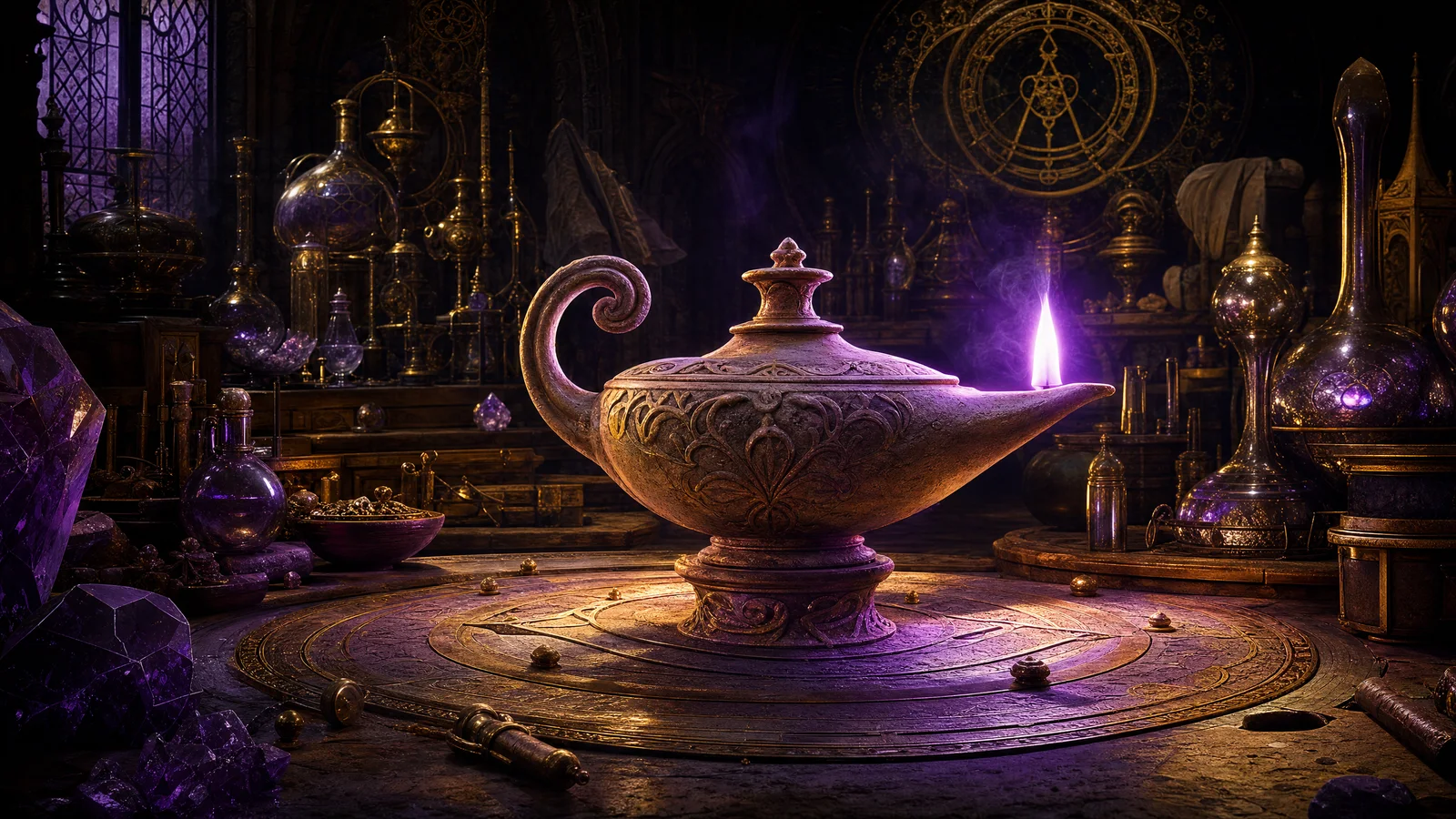
Light the Dark
Complete Clay Oil Lamp and Lighting: From Darkness to Illumination
Complete Clay Oil Lamp and Lighting: From Darkness to Illumination
Before electricity, clay oil lamps provided light for thousands of years. This campaign covers lamp design, wick materials, fuel oils, and the craft of making reliable, beautiful lighting.
Chapter 1: Lamp Types
| Type | Design | Fuel | Burn Time | Light Output |
|---|---|---|---|---|
| Open dish | Shallow bowl with pinched spout | Any oil | 2-4 hours | Low |
| Covered lamp | Enclosed reservoir, wick hole | Olive, sesame | 4-8 hours | Medium |
| Multi-wick | Multiple wick holes | Any oil | 4-8 hours | High |
| Pedestal lamp | Raised on stem or stand | Any oil | 4-8 hours | Medium |
| Hanging lamp | Suspension holes or chains | Any oil | 4-8 hours | Medium |
| Betty lamp | Iron or clay, covered, with wick support | Any oil | 6-12 hours | Medium |
Chapter 2: Construction
Open dish lamp: 1) Throw or hand-build a shallow bowl (3-4 inches diameter, 1 inch deep). 2) Pinch one edge to form a spout for the wick. 3) Smooth interior (oil must flow freely to wick). 4) Bisque fire to cone 06 (1828°F). 5) Glaze interior only (prevents oil seepage). 6) Glaze fire to appropriate cone. 7) Fill with oil, lay wick in spout, light.
| Component | Material | Specification |
|---|---|---|
| Body | Stoneware clay | Fired to cone 6-10 for durability |
| Glaze | Food-safe interior glaze | Prevents oil seepage |
| Wick | Cotton, linen, or rush | Absorbent, slow-burning |
| Fuel | Olive, tallow, lard, or vegetable oil | Clean-burning preferred |
Chapter 3: Fuel Oils
| Fuel | Smoke | Odor | Availability | Light Quality |
|---|---|---|---|---|
| Olive oil | Very low | Mild | Mediterranean regions | Excellent |
| Tallow (rendered fat) | Moderate | Strong | Anywhere with livestock | Good |
| Lard | Low-moderate | Moderate | Anywhere with pigs | Good |
| Sesame oil | Very low | Mild | Warm climates | Excellent |
| Fish oil | High | Strong | Coastal areas | Fair |
| Beeswax (melted) | Very low | Pleasant | Where bees are kept | Excellent |
| Vegetable oil | Low | Mild | Agricultural areas | Good |
Chapter 4: Wick Materials
| Material | Burn Rate | Smoke | Availability | Preparation |
|---|---|---|---|---|
| Cotton cord | Medium | Low | Common | Braid or twist |
| Linen cord | Slow | Very low | Where flax grows | Twist tightly |
| Rush pith | Fast | Low | Wetlands | Peel outer skin, dry |
| Milkweed fiber | Medium | Low | Wild areas | Twist into cord |
| Cattail fluff | Fast | Moderate | Wetlands | Pack tightly |
Chapter 5: Decorative Lamps
| Style | Decoration | Technique | Historical Origin |
|---|---|---|---|
| Roman | Relief figures, patterns | Mold-made | Mediterranean |
| Greek | Black figure, red figure | Slip painting | Greece |
| Islamic | Geometric patterns | Carved, pierced | Middle East |
| Medieval | Simple, functional | Wheel-thrown | Europe |
| Asian | Celadon glaze, lotus motifs | Wheel-thrown, carved | China, Korea |
Reference Card
- Light extends the productive day (before artificial light, work stopped at sunset; a reliable oil lamp adds 4-6 hours of productive time each day; this is transformative for reading, crafting, and community life). 2. The open dish lamp is the simplest and oldest (a shallow clay dish with a pinched spout for a wick has provided light for over 10,000 years; it requires no special materials and can be made by any potter). 3. Fuel quality determines light quality (clean-burning oils like olive and sesame produce bright light with minimal smoke; animal fats work but produce more smoke and odor; choose the best fuel available). 4. The wick controls the flame (a thicker wick produces more light but consumes more fuel; a thinner wick is more economical; cotton and linen make the best wicks because they absorb oil steadily). 5. Glaze the interior to prevent seepage (unglazed clay absorbs oil; a glazed interior keeps the fuel in the reservoir where it belongs; this extends burn time and prevents mess). 6. Multiple lamps light a room (one lamp provides reading light for one person; lighting a room for a gathering requires multiple lamps placed strategically; plan lighting as you would plan furniture). 7. The lamp maker serves the community (in a world without electricity, the potter who makes reliable oil lamps provides an essential service; good lamps are always in demand). 8. Fire is humanity's oldest technology (the controlled flame of an oil lamp connects us to the first humans who mastered fire; every time we light a lamp, we participate in humanity's oldest and most fundamental technology).
TransmissionCOMPLETE — unaltered & unabridged
Words848 — every one of them
SHA-256 of source text747260778fb0028863054240180d8e4a55eef3eac3477356777a73d4ccc6500c
Canonical textdownload campaign-light-dark-lamp.md — byte-identical to what this page renders