Sovereignty Module: Steward the Flock
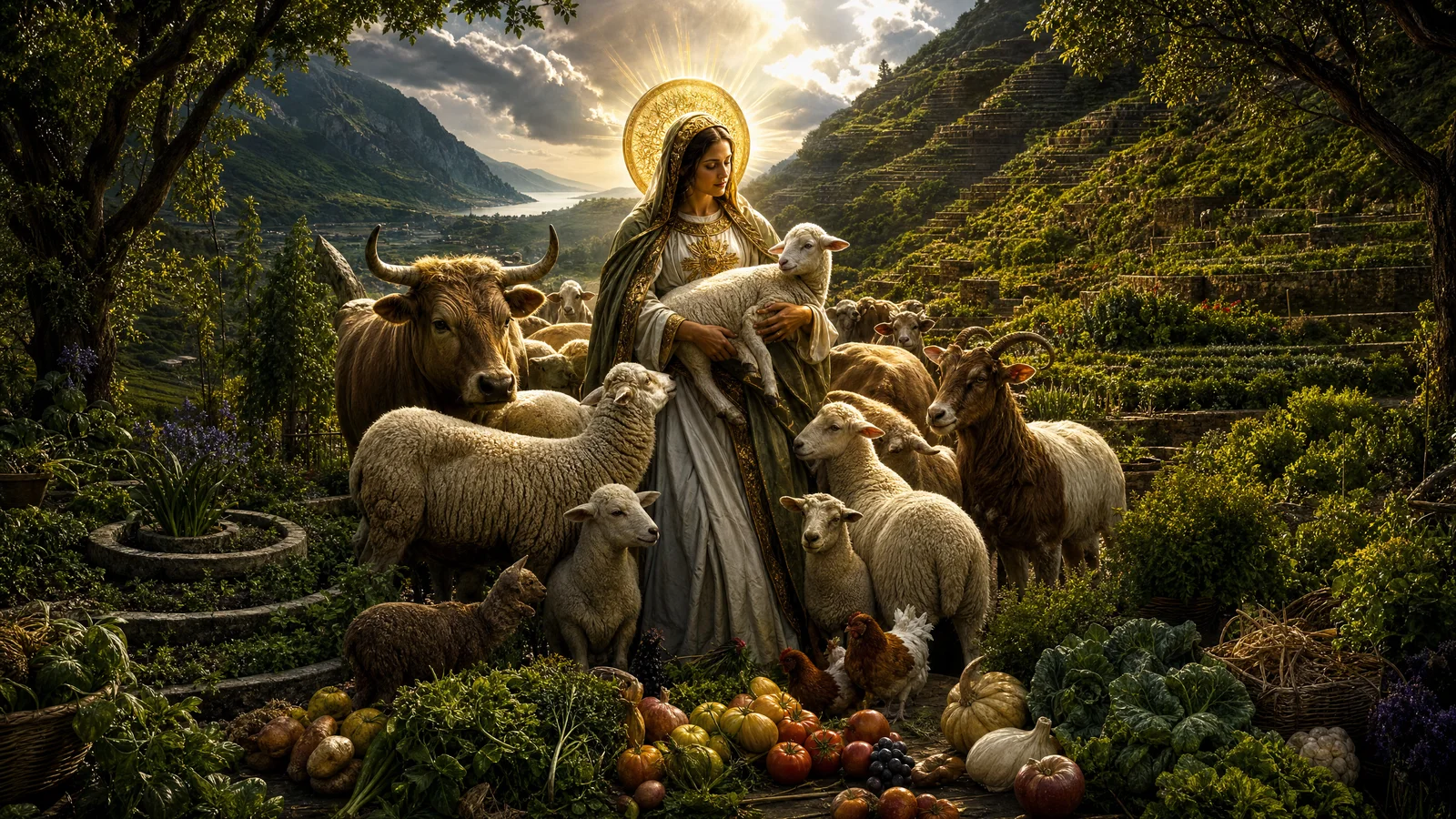
Steward the Flock
Complete Animal Husbandry: From Selection to Harvest
Complete Animal Husbandry: From Selection to Harvest
Livestock provide food, fiber, power, fertilizer, and companionship. This campaign covers selection, breeding, feeding, housing, health, and processing for all major domestic animals.
Chapter 1: Livestock Selection
| Animal | Space Needed | Feed Cost | Products | Labor | Difficulty | Best For |
|---|---|---|---|---|---|---|
| Chickens (layers) | 4 sq ft/bird (coop) + run | Low (scraps + grain) | Eggs (250-300/yr), meat, manure | Low | Beginner | Eggs, pest control, manure |
| Chickens (meat) | 2-4 sq ft/bird | Moderate (grain) | Meat (8-12 weeks to harvest) | Low | Beginner | Fast protein production |
| Ducks | 6 sq ft/bird + water | Low-moderate | Eggs (200-300/yr), meat, down | Low | Beginner | Eggs, slug control, wet areas |
| Goats (dairy) | 200 sq ft/goat + pasture | Moderate (browse + hay) | Milk (1-3 qt/day), meat, fiber | Moderate | Moderate | Milk, brush clearing |
| Goats (meat) | 200 sq ft + pasture | Low-moderate (browse) | Meat, hides | Low-moderate | Beginner-moderate | Meat, land clearing |
| Sheep | 200 sq ft + pasture | Moderate (pasture + hay) | Wool, meat, milk, lanolin | Moderate | Moderate | Fiber, meat, milk |
| Pigs | 80 sq ft/pig + outdoor | High (grain + scraps) | Meat (200-300 lbs at 6 months) | Moderate | Moderate | Maximum meat per acre |
| Cattle (dairy) | 1-2 acres/cow | High (pasture + hay + grain) | Milk (3-8 gal/day), calves | High | Advanced | Milk, butter, cheese |
| Cattle (beef) | 2-5 acres/cow | Moderate (pasture + hay) | Meat (800-1,200 lbs), hides, tallow | Moderate | Moderate | Meat, hides, draft |
| Rabbits | 12 sq ft/rabbit | Low (hay + greens + pellets) | Meat (3-5 lbs at 8-12 weeks), fur | Low | Beginner | Fast meat, small space |
| Bees | Hive (2x2 ft) | None (forage) | Honey (30-60 lbs/yr), wax, pollination | Low | Moderate | Honey, wax, pollination |
| Horses | 2+ acres | High (hay + grain + pasture) | Draft power, riding, manure | High | Advanced | Transportation, farm power |
Chapter 2: Feeding
| Animal | Primary Feed | Supplement | Water (daily) | Feed/Day | Annual Feed Cost |
|---|---|---|---|---|---|
| Chicken (layer) | Grain mix (corn, wheat, oats) | Calcium (oyster shell), grit, greens | 1 pint | 1/4 lb | 90 lbs grain/year |
| Goat (dairy) | Hay (grass/legume) + browse | Grain (1-2 lbs when milking), minerals | 1-2 gallons | 4-6 lbs hay + browse | 1,500 lbs hay + 500 lbs grain |
| Sheep | Pasture + hay (winter) | Mineral block, grain (pregnant/lactating) | 1-2 gallons | 3-5 lbs hay | 1,200 lbs hay |
| Pig | Grain (corn, barley) + scraps | Protein supplement, minerals | 3-5 gallons | 5-8 lbs | 1,000-1,500 lbs grain |
| Cow (dairy) | Pasture + hay + grain | Mineral, salt, protein supplement | 15-25 gallons | 25-40 lbs hay + 10-15 lbs grain | 5 tons hay + 2 tons grain |
| Cow (beef) | Pasture + hay (winter) | Mineral block, salt | 10-15 gallons | 25-30 lbs hay (winter) | 3-4 tons hay |
| Rabbit | Hay (timothy/grass) + pellets | Fresh greens, salt lick | 1-2 cups | 1/4 cup pellets + unlimited hay | 50 lbs pellets + 100 lbs hay |
| Horse | Hay + pasture + grain (working) | Mineral, salt | 10-15 gallons | 15-25 lbs hay + 5-10 lbs grain | 4 tons hay + 1 ton grain |
Chapter 3: Housing
| Animal | Shelter Type | Ventilation | Bedding | Fencing | Predator Protection |
|---|---|---|---|---|---|
| Chickens | Coop (enclosed at night) | High (ammonia control) | Straw, wood shavings (deep litter) | Chicken wire + hardware cloth | Lock up at night, hardware cloth |
| Goats | Three-sided shelter minimum | Moderate | Straw (they hate wet) | 4-5 ft fence (they climb/jump) | Secure at night, guardian animal |
| Sheep | Three-sided shelter | Moderate | Straw | 4 ft woven wire | Guardian dog, secure at night |
| Pigs | Shelter (shade + rain protection) | High | Straw, hay | Strong fence (hog panels, electric) | Strong fencing (pigs defend themselves) |
| Cattle | Open shelter or barn | High | Straw (barn), none (pasture) | 4-5 strand barbed or electric | Size is protection (adults) |
| Rabbits | Hutch (raised, wire floor) or colony | High (prevent respiratory) | Straw in nest box | Enclosed hutch or secure colony | Hardware cloth, raised hutch |
| Horses | Run-in shelter or barn | Very high | Straw, shavings | Board fence, electric, or rail | Size is protection (adults) |
Chapter 4: Health and Disease Prevention
| Practice | Frequency | Purpose | Animals | Method |
|---|---|---|---|---|
| Clean water | Daily | Prevent disease | All | Fresh water, clean containers |
| Clean bedding | Weekly-monthly | Reduce parasites, ammonia | All | Replace bedding, compost old |
| Parasite control | Monthly-quarterly | Prevent worm burden | All ruminants, horses | Rotation, herbal, chemical deworm |
| Hoof trimming | Every 6-8 weeks | Prevent lameness | Goats, sheep, horses | Trim with hoof knife/nippers |
| Vaccination | Annual | Prevent disease | Varies by species | Consult local vet/extension |
| Quarantine (new animals) | 2-4 weeks | Prevent disease introduction | All new arrivals | Separate housing, observe |
| Pasture rotation | Every 1-4 weeks | Break parasite cycles, prevent overgrazing | All grazers | Move to fresh pasture |
| Observation | Daily | Catch problems early | All | Watch for limping, isolation, not eating |
Chapter 5: Breeding
| Animal | Breeding Age | Gestation | Offspring/Year | Breeding Ratio | Method |
|---|---|---|---|---|---|
| Chicken | 5-6 months | 21 days (incubation) | 50-200 chicks (if hatching) | 1 rooster : 8-12 hens | Natural or incubator |
| Goat | 7-12 months | 150 days (5 months) | 1-3 kids | 1 buck : 25-30 does | Seasonal (fall breeding) |
| Sheep | 7-12 months | 147 days (5 months) | 1-3 lambs | 1 ram : 30-50 ewes | Seasonal (fall breeding) |
| Pig | 6-8 months | 114 days (3 months, 3 weeks, 3 days) | 8-14 piglets (2 litters/year) | 1 boar : 15-20 sows | Year-round |
| Cow | 15-18 months | 283 days (9.5 months) | 1 calf/year | 1 bull : 25-30 cows | Year-round |
| Rabbit | 4-6 months | 31 days | 6-12 kits (4-6 litters/year) | 1 buck : 8-10 does | Year-round |
| Horse | 3-4 years | 340 days (11 months) | 1 foal/year | 1 stallion : 20-30 mares | Seasonal (spring) |
Chapter 6: Processing and Products
| Product | Animal | Process | Yield | Storage | Equipment |
|---|---|---|---|---|---|
| Eggs | Chicken, duck | Collect daily | 250-300/hen/year | Cool, dry (weeks) or preserve | Nesting boxes |
| Milk | Goat, cow, sheep | Milk 1-2x daily | 1-8 gal/day (varies) | Refrigerate or process immediately | Milking pail, strainer |
| Butter | Cow, goat | Cream + churn | 1 lb per 2.5 gal milk | Salt, refrigerate, or can | Churn, molds |
| Cheese | Cow, goat, sheep | Heat + culture + rennet + press | 1 lb per gallon milk | Cool aging (weeks-years) | Pot, press, molds, cultures |
| Meat | All | Slaughter, bleed, skin, butcher | Varies by animal | Smoke, salt, dry, freeze, can | Knives, gambrel, saw |
| Wool | Sheep | Shear annually (spring) | 5-10 lbs/sheep | Dry, moth-free | Shears, storage bags |
| Honey | Bees | Harvest frames (late summer) | 30-60 lbs/hive/year | Room temp (indefinite) | Extractor, strainer |
| Tallow | Cattle, sheep | Render fat (heat, strain) | 50-100 lbs/beef animal | Cool, dry (months-years) | Pot, strainer, molds |
| Hides | All large animals | Skin, flesh, tan | 1 per animal | Dry or tan | Fleshing beam, tanning supplies |
| Manure | All | Collect, compost | Continuous | Compost pile (6-12 months) | Pitchfork, wheelbarrow |
Reference Card
- Start small: chickens first (easiest, fastest return). Then rabbits or goats. Then pigs. Cattle/horses last (most expensive, most experience needed).
- Feed math: calculate feed needs BEFORE acquiring animals. One dairy cow = 5 tons hay + 2 tons grain per year. Can you provide that?
- Water: clean, fresh, daily. Non-negotiable. One cow drinks 15-25 gallons/day. Plan water source before animals arrive.
- Fencing: build fence BEFORE animals arrive. Goats escape everything. Pigs root under. Cattle push through. Match fence to animal.
- Breeding: one male serves many females. Don't keep extra males (fight, eat feed, no production). Borrow or rotate males.
- Parasites: rotate pastures. Never graze same ground continuously. 3-4 week rotation breaks parasite life cycle. Most important health practice.
- Butchering: learn before you need to. Practice on chickens (simplest). Sharp knife, clean workspace, cool quickly. Respect the animal.
- Manure: gold for gardens. Compost 6-12 months before applying (kills pathogens, reduces burn). One cow = 12 tons manure/year = fertilizer for 2-3 acres.
TransmissionCOMPLETE — unaltered & unabridged
Words1,615 — every one of them
SHA-256 of source text96a062d0672ddca5099d04dedee4f1e231d358b0550e8643aad2be5399bf2c4c
Canonical textdownload campaign-livestock-full.md — byte-identical to what this page renders