Sovereignty Module: Heal the Wounded
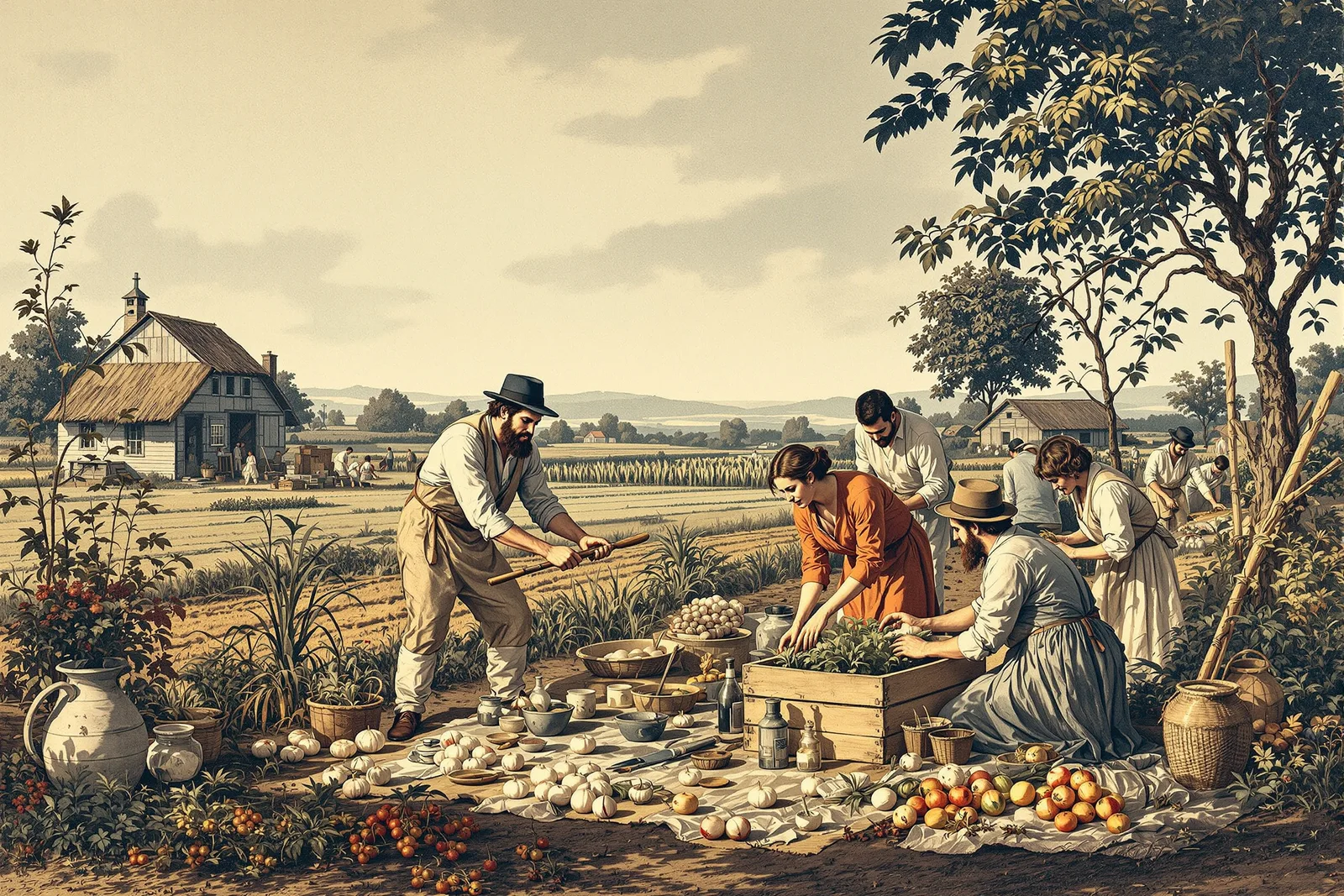
Complete Natural Medicine: From Garden to Patient
When modern medicine is unavailable, knowledge of natural remedies, wound care, and disease prevention saves lives. This campaign covers medicinal plants, preparation, diagnosis, and treatment.
Chapter 1: Essential Medicinal Plants
| Plant | Primary Use | Preparation | Dosage | Availability | Effectiveness |
|---|---|---|---|---|---|
| Willow bark | Pain, fever, inflammation | Tea (decoction) | 1-2 tsp bark in cup, 3x/day | Widespread (near water) | High (contains salicin/aspirin) |
| Yarrow | Wound healing, stop bleeding | Poultice (fresh), tea | Apply directly to wound | Very common (fields) | High (hemostatic) |
| Plantain (broadleaf) | Insect stings, wounds, draws | Poultice (chew and apply) | Apply directly | Extremely common (lawns) | Moderate-high |
| Elderberry | Immune support, cold/flu | Syrup, tea (berries/flowers) | 1 tbsp syrup 3x/day | Common (hedgerows) | Moderate-high |
| Echinacea | Immune stimulant | Tincture, tea (root) | 1 ml tincture 3x/day | Cultivated/wild (prairies) | Moderate |
| Garlic | Antibiotic, antifungal | Raw (crushed), oil | 2-3 cloves/day raw | Cultivated | High (broad-spectrum) |
| Honey (raw) | Wound dressing, cough | Topical, oral | Apply to wound, 1 tsp for cough | Beekeeping | Very high (antibacterial) |
| Chamomile | Digestive, calming, anti-inflammatory | Tea (flowers) | 1-2 tsp flowers per cup, 3x/day | Cultivated/wild | Moderate |
| Peppermint | Digestive, nausea, headache | Tea (leaves) | 1-2 tsp leaves per cup | Cultivated (easy) | Moderate |
| Comfrey | Bone/tissue healing (external only) | Poultice, salve | Apply to sprains/fractures externally | Cultivated/wild | High (cell proliferant) |
| Calendula | Wound healing, skin conditions | Salve, wash | Apply to wounds/burns | Cultivated (easy) | Moderate-high |
| Valerian | Sleep, anxiety, pain | Tincture, tea (root) | 1-2 ml tincture at bedtime | Cultivated/wild | Moderate-high |
Chapter 2: Preparation Methods
| Method | Solvent | Time | Shelf Life | Best For | Ratio |
|---|---|---|---|---|---|
| Infusion (tea) | Hot water | 10-20 minutes | Use immediately | Leaves, flowers (delicate) | 1-2 tsp per cup |
| Decoction | Boiling water | 20-40 minutes simmer | Use within 24 hours | Roots, bark, seeds (tough) | 1 tbsp per cup |
| Tincture | Alcohol (40%+) | 4-6 weeks (shake daily) | 3-5+ years | Concentrated, portable | 1:5 (herb:alcohol) by weight |
| Salve/ointment | Oil + beeswax | Infuse oil 4-6 weeks | 1-2 years | External wounds, skin | Oil infusion + 1 oz wax per cup oil |
| Poultice | Fresh plant material | Apply immediately | Use fresh | Acute wounds, stings, swelling | Enough to cover area |
| Syrup | Water + sugar/honey | Cook 20-30 min | 6-12 months (refrigerated) | Cough, children, taste | Decoction + equal volume sweetener |
| Oil infusion | Olive/other oil | 4-6 weeks (sun) | 1-2 years | Base for salves, massage | Fill jar with herb, cover with oil |
| Compress | Water (hot or cold) | Apply 15-30 min | Use fresh | Inflammation, pain, swelling | Strong tea on cloth |
Tincture making: Fill jar 1/3-1/2 with dried herb (or 2/3 with fresh). Cover completely with 80-proof vodka (40% alcohol). Seal. Shake daily for 4-6 weeks. Strain through cheesecloth. Bottle in dark glass. Label with herb, date, alcohol %. Standard dose: 1-2 ml (30-60 drops) 2-3 times daily.
Chapter 3: Common Conditions and Treatments
| Condition | Symptoms | Natural Treatment | Duration | When to Seek Help |
|---|---|---|---|---|
| Common cold/flu | Congestion, fever, aches | Elderberry syrup, rest, fluids, garlic | 7-14 days | High fever (104°F+), difficulty breathing |
| Wound (minor) | Cut, scrape, bleeding | Clean, honey/yarrow, bandage | 3-14 days healing | Deep, won't stop bleeding, signs of infection |
| Burn (minor, 1st degree) | Red, painful, no blisters | Cool water 10 min, aloe/honey | 3-7 days | Blisters (2nd degree), large area, face/hands |
| Diarrhea | Loose stools, cramping | Blackberry root tea, BRAT diet, fluids | 1-3 days | Blood in stool, severe dehydration, 3+ days |
| Headache | Head pain, tension | Willow bark tea, peppermint oil, rest | Hours | Sudden severe, with fever/stiff neck, vision changes |
| Insomnia | Can't sleep | Valerian tincture, chamomile tea | Ongoing | Chronic (weeks), with depression |
| Muscle pain/sprain | Pain, swelling, limited motion | Comfrey poultice, rest, ice, elevation | 1-4 weeks | Can't bear weight, severe swelling, deformity |
| Toothache | Tooth pain | Clove oil (eugenol), willow bark | Until treated | Swelling, fever, abscess |
| Cough | Persistent cough | Thyme tea, honey, mullein | 1-3 weeks | Blood, 3+ weeks, difficulty breathing |
| Skin infection | Red, warm, swollen, pus | Garlic poultice, honey, clean | 3-7 days | Red streaks, fever, spreading rapidly |
Chapter 4: Wound Care
| Step | Action | Materials | Critical Notes |
|---|---|---|---|
| 1. Stop bleeding | Direct pressure (15+ min) | Clean cloth, bandage | Elevate above heart. Tourniquet only for life-threatening |
| 2. Clean wound | Flush with clean water (pressure) | Boiled water (cooled), syringe/squeeze bottle | Remove all debris. Most important step for preventing infection |
| 3. Assess | Determine depth, damage | Good light, clean hands | Deep (muscle/tendon visible) = needs closure |
| 4. Close (if needed) | Butterfly strips, sutures, or staples | Adhesive strips, needle + thread (sterilized) | Only close clean wounds. Dirty/bite wounds: leave open |
| 5. Dress | Apply antimicrobial, cover | Honey, clean bandage | Change daily. Watch for infection signs |
| 6. Monitor | Check for infection daily | Eyes, nose (smell) | Red, warm, swollen, pus, red streaks, fever = infection |
Infection signs (seek help): Red streaks extending from wound (lymphangitis = spreading infection). Fever. Foul-smelling discharge. Increasing pain after day 2-3. Wound edges separating. Tissue turning black. These indicate systemic infection requiring antibiotics if available.
Chapter 5: Hygiene and Disease Prevention
| Practice | Prevents | Method | Frequency |
|---|---|---|---|
| Handwashing | Most infectious diseases | Soap + water, 20+ seconds | Before food prep, after toilet, after animal contact |
| Water purification | Cholera, typhoid, parasites | Boil 1 min, or filter + treat | All drinking water from untreated sources |
| Food safety | Food poisoning, parasites | Cook thoroughly, store properly | Every meal |
| Waste disposal | Cholera, dysentery, parasites | Latrine 100+ ft from water, downhill | Always (never defecate near water) |
| Wound cleaning | Infection, sepsis, tetanus | Clean immediately with water | Every wound, no matter how small |
| Insect protection | Malaria, Lyme, plague | Repellents, netting, clothing | In endemic areas, always |
| Quarantine | Epidemic spread | Isolate sick individuals | When contagious disease appears |
| Vaccination (if available) | Specific diseases | Per medical guidance | When available |
Chapter 6: Emergency Medicine
| Emergency | Immediate Action | Time Critical | Tools/Materials |
|---|---|---|---|
| Severe bleeding | Direct pressure, tourniquet if limb | Minutes (death from blood loss) | Cloth, belt/rope for tourniquet |
| Choking | Back blows (5), abdominal thrusts (5) | Minutes (no oxygen) | Hands only |
| Drowning | Remove from water, CPR if no breathing | Minutes | Clear airway, rescue breaths + compressions |
| Fracture | Immobilize (splint), don't move if spine suspected | Hours (for treatment) | Sticks, cloth for splint, padding |
| Snakebite | Keep calm, immobilize limb, get to help | Hours (depends on species) | Splint, keep below heart level |
| Hypothermia | Remove wet clothing, warm gradually, warm drinks | Hours | Dry clothing, blankets, fire, warm (not hot) drinks |
| Heat stroke | Cool rapidly, shade, water | Minutes to hours | Water (pour on), shade, fan |
| Heart attack | Aspirin (if available), rest, get to help | Minutes to hours | Aspirin, calm environment |
| Allergic reaction (severe) | Epinephrine if available, airway, get to help | Minutes | EpiPen if available |
Reference Card
- Willow bark: nature's aspirin. Decoction of bark for pain, fever, inflammation. 1-2 tsp bark per cup, simmer 20 min.
- Honey: best wound dressing available. Antibacterial, promotes healing, reduces scarring. Apply directly to clean wounds.
- Garlic: broad-spectrum antibiotic. Crush and apply to infections. Eat raw for systemic effect. 2-3 cloves daily.
- Clean wounds immediately: flush with clean water under pressure. Remove all debris. This prevents more infections than any medicine.
- Infection signs: increasing redness, warmth, swelling, pus, red streaks, fever. Red streaks = emergency (spreading infection).
- Hygiene prevents more death than medicine: handwashing, clean water, proper sanitation, food safety. Non-negotiable.
- Tinctures: most concentrated, longest-lasting preparation. Alcohol extracts and preserves. 4-6 weeks to make. Years of shelf life.
- Know your plants: NEVER use a plant you cannot positively identify. Many medicinal plants have toxic lookalikes. Study with an expert.