Sovereignty Module: Build from Earth
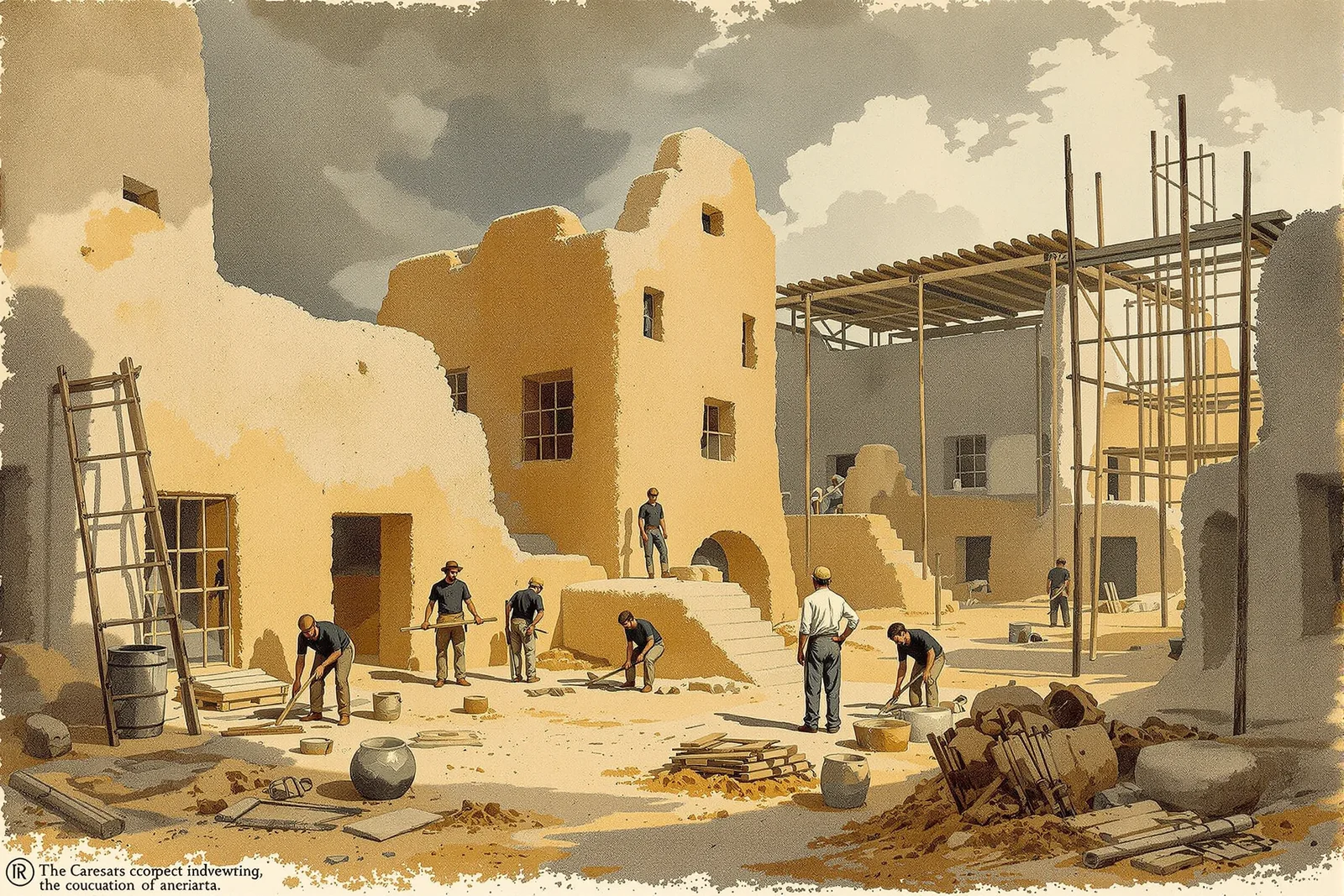
Complete Earthen Construction: Cob, Adobe, and Rammed Earth
Earth is the most abundant building material on the planet. This campaign covers cob, adobe, rammed earth, earthbag, and related techniques for building durable, comfortable structures.
Chapter 1: Earthen Building Methods
| Method | Wall Thickness | Strength | Insulation | Difficulty | Speed |
|---|---|---|---|---|---|
| Cob (monolithic) | 12-24 inches | Good (compression) | Moderate (thermal mass) | Low | Slow |
| Adobe (sun-dried brick) | 10-16 inches | Good | Moderate | Low | Moderate |
| Rammed earth | 12-24 inches | Very good | Moderate | Moderate | Moderate |
| Earthbag (superadobe) | 12-18 inches | Good | Moderate | Low | Moderate |
| Wattle and daub | 4-8 inches | Low-moderate | Low | Low | Fast |
Chapter 2: Cob Construction
Cob mixing: 1) Lay tarp on ground. 2) Pile sand and clay soil on tarp (3:1 sand to clay soil). 3) Add water gradually. 4) Mix by stomping with feet. 5) Add straw generously. 6) Continue mixing until uniform. 7) Consistency: should hold together when squeezed.
Cob wall building: 1) Foundation: stone or concrete, minimum 6 inches above grade. 2) Place cob in lifts 6-12 inches high. 3) Knead each lift into the one below. 4) Walls: 12-24 inches thick. 5) Let each lift firm before adding next. 6) Trim excess with machete. 7) Install window and door frames as you build. 8) Roof must overhang walls significantly. 9) Plaster exterior with lime plaster.
Chapter 3: Adobe Brick Making
Adobe brick making: 1) Mix soil, sand, straw, and water. 2) Fill wooden mold. 3) Pack firmly, strike off top level. 4) Lift mold straight up. 5) Let dry 1-2 days, then turn on edge. 6) Continue drying 1-3 weeks total. 7) Test: should ring when tapped. 8) Production rate: 50-200 bricks per day.
Chapter 4: Rammed Earth
Rammed earth procedure: 1) Build formwork. 2) Fill with 4-6 inches of damp soil mix. 3) Ram with heavy tamper until soil stops compressing. 4) Add next lift, ram again. 5) Continue until form is full. 6) Remove forms after 24 hours. 7) Compressive strength: 300-1,000+ PSI.
Chapter 5: Design Principles
Good hat (roof): wide overhangs protect earth walls from rain. Good boots (foundation): stone or concrete above grade protects from ground moisture. Good coat (plaster): lime plaster waterproofs while allowing breathability. Thermal mass: thick walls absorb heat during day, release at night.
Reference Card
- Good hat and good boots (proper roof overhang and raised foundation protect earth walls). 2. Test your soil (20-35% clay is ideal). 3. Straw prevents cracking (long fibers act like rebar). 4. Dry completely before loading (wet bricks crush under weight). 5. Lime plaster breathes (cement plaster traps moisture and destroys earth walls). 6. Thermal mass is not insulation (thick walls moderate temperature swings). 7. Rammed earth is stone-like (compressive strength comparable to concrete block). 8. Earth buildings last centuries (with proper roof, foundation, and maintenance).