Sovereignty Module: Tend the Flock
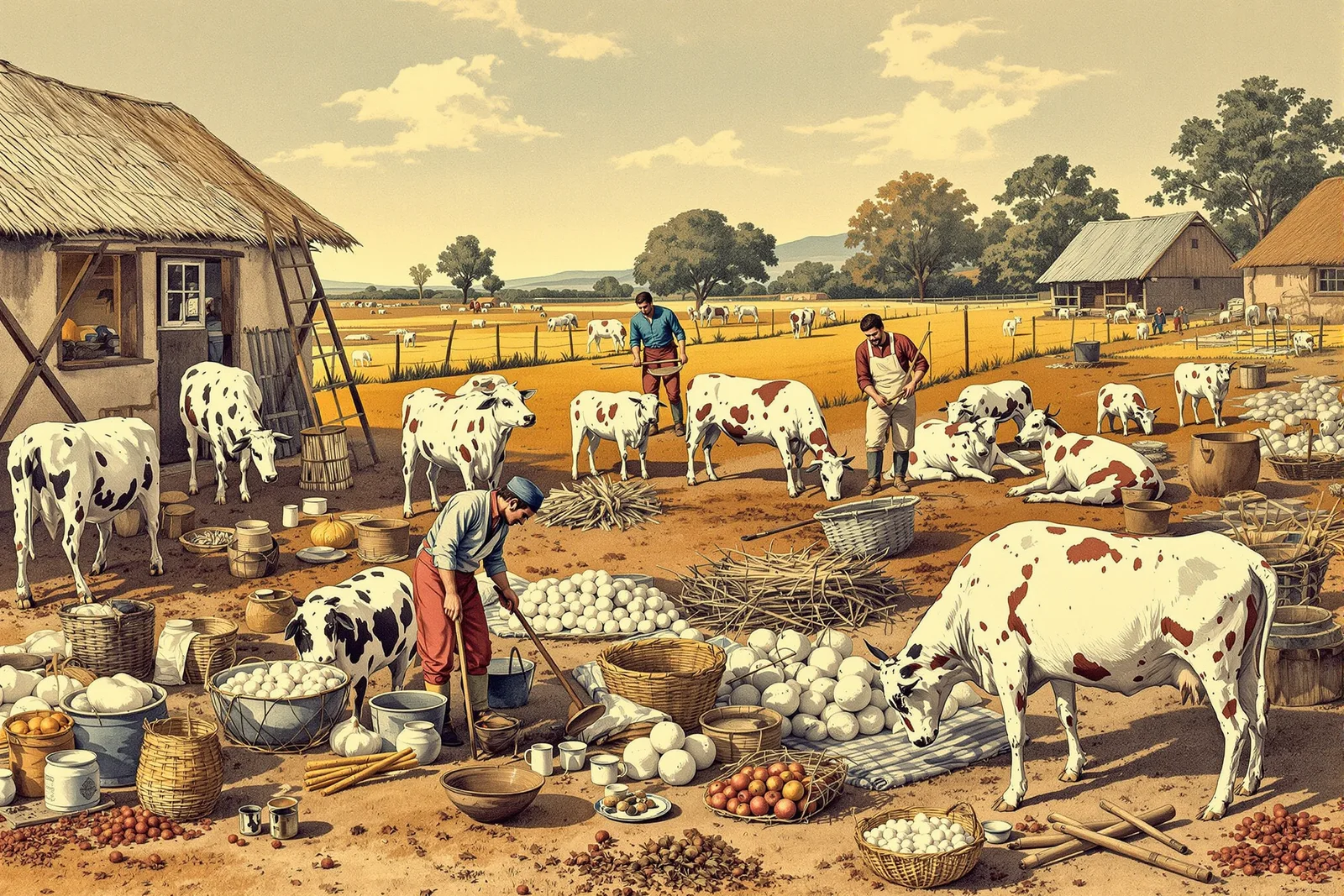
Tend the Flock
Complete Animal Husbandry, Livestock Management, and Breeding Guide
Complete Animal Husbandry, Livestock Management, and Breeding Guide
Livestock provides meat, milk, eggs, leather, wool, labor, fertilizer, and companionship. Properly managed animals multiply your labor and feed your family indefinitely. This campaign covers selection, care, breeding, and management of essential livestock.
Chapter 1: Livestock Selection Guide
| Animal | Space Needed | Feed/Day | Products | Breeding Rate | Difficulty | ROI Time |
|---|---|---|---|---|---|---|
| Chickens (layers) | 4 sq ft/bird (coop) + run | 1/4 lb feed | Eggs (250-300/year), meat, fertilizer | 21-day hatch, mature 5 months | Very low | 2-3 months |
| Chickens (meat) | 2 sq ft/bird | 1/3 lb feed | Meat (5-8 lbs in 8 weeks) | Same | Very low | 8 weeks |
| Rabbits | 6 sq ft/doe + kits | 4-6 oz feed + hay | Meat (3-5 lbs), fur, fertilizer | 30-day gestation, 6-10 kits | Low | 3-4 months |
| Goats (dairy) | 200 sq ft/goat + pasture | 3-5 lbs hay + browse | Milk (1-3 quarts/day), meat, fiber | 150-day gestation, 1-3 kids | Low-moderate | 6-12 months |
| Goats (meat) | 200 sq ft + pasture | 3-5 lbs hay + browse | Meat (50-80 lbs), hide | Same | Low | 6-12 months |
| Sheep | 200 sq ft + pasture | 3-5 lbs hay + pasture | Wool, meat, milk, lanolin | 147-day gestation, 1-3 lambs | Moderate | 6-12 months |
| Pigs | 50 sq ft/pig | 5-8 lbs feed + scraps | Meat (200-300 lbs), lard, leather | 114-day gestation, 8-12 piglets | Moderate | 6-8 months |
| Cattle (dairy) | 2+ acres/cow | 30-40 lbs hay + pasture | Milk (5-8 gallons/day), calves | 283-day gestation, 1 calf | High | 2-3 years |
| Cattle (beef) | 2+ acres/cow | 25-35 lbs hay + pasture | Meat (400-600 lbs), hide, tallow | Same | Moderate | 18-24 months |
| Ducks | 6 sq ft + water access | 1/4 lb feed + forage | Eggs (200-300/year), meat, pest control | 28-day hatch | Low | 2-3 months |
| Bees | 1 hive = 2 sq ft | None (self-feeding) | Honey (30-60 lbs/year), wax, pollination | Swarm/split annually | Moderate | 1 year |
Chapter 2: Chicken Keeping (Best Starter Livestock)
| Topic | Details |
|---|---|
| Housing | Coop: 4 sq ft/bird inside, 10 sq ft/bird outside run. Ventilation (not drafts). Roost bars. Nest boxes (1 per 4 hens). |
| Feed | Layer feed (16% protein) OR: kitchen scraps + garden waste + free range insects + supplemental grain. Oyster shell for calcium. |
| Water | 1 cup/bird/day. Always fresh. Heated in winter (prevents freezing). |
| Egg production | Starts at 5-6 months. Peak: 250-300 eggs/year (first 2 years). Declines 10-20% per year after. |
| Health | Dust bath (prevents mites). Apple cider vinegar in water (1 tbsp/gallon). Watch for: lethargy, pale comb, runny droppings. |
| Predator protection | Secure coop at night (raccoons, foxes, hawks). Hardware cloth (not chicken wire — raccoons reach through). |
| Breeding | 1 rooster per 8-12 hens. Collect fertile eggs, incubate 21 days at 99.5F, 55-65% humidity. |
Chapter 3: Goat Management
| Topic | Details |
|---|---|
| Housing | 3-sided shelter minimum. 15-20 sq ft/goat. Dry bedding (straw). Elevated sleeping platform preferred. |
| Feed | Hay (grass or alfalfa): 3-5 lbs/day. Browse (leaves, brush): preferred natural diet. Mineral supplement (loose, not block). |
| Fencing | 4-5 feet minimum. Goats climb, jump, and squeeze. Woven wire or electric. No gaps larger than 4 inches. |
| Milking | Milk 2x daily (12-hour intervals). Udder hygiene critical. Pasteurize or use raw within 24 hours. |
| Breeding | Buck in rut (fall). Does cycle every 21 days. Gestation: 150 days. Kid in spring (warmer weather). |
| Health | Hoof trimming every 6-8 weeks. Deworm based on fecal testing. Watch for: bloat, parasites, mastitis. |
| Products | Milk: 1-3 quarts/day per doe. Cheese, yogurt, soap. Meat: 50-80 lbs dressed weight. Fiber (Angora/Cashmere breeds). |
Chapter 4: Pig Raising
| Topic | Details |
|---|---|
| Housing | Shelter from sun/rain. 50 sq ft/pig minimum. Wallow (mud) for cooling (pigs can't sweat). Strong fencing (electric or board). |
| Feed | 5-8 lbs/day: grain, kitchen scraps, garden waste, dairy waste, forage. Pigs eat ANYTHING organic. |
| Growth | Weaner (8 weeks, 40 lbs) → market weight (6 months, 250-300 lbs). Gain 1.5-2 lbs/day on good feed. |
| Breeding | Gilt (female) breeds at 8 months. Gestation: 3 months, 3 weeks, 3 days (114 days). Litter: 8-12 piglets. |
| Slaughter | At 250-300 lbs live weight. Yields 150-180 lbs meat + 20-40 lbs lard. Hang 24-48 hours before butchering. |
| Products | Meat (every cut), lard (rendering), leather, sausage casings (intestines), bone meal, bristles. |
| Management | Rotate pastures. Pigs root (destroy ground) — use this to clear land/garden prep. Ring nose to prevent rooting if needed. |
Chapter 5: Breeding Principles
| Principle | Application | Details |
|---|---|---|
| Linebreeding | Breed related animals (not siblings) to fix traits | Grandfather × granddaughter. Concentrates good genetics. |
| Outcrossing | Breed unrelated animals for vigor | Introduces new genetics. Increases health/fertility (hybrid vigor). |
| Selection | Keep best producers, cull poor performers | Ruthless selection = rapid improvement. Track records. |
| Culling | Remove animals with poor traits from breeding | Sell/eat — do not breed. Includes: poor mothers, low production, bad temperament. |
| Record keeping | Track: birth date, parents, production, health | Essential for improvement. Simple notebook works. |
| Seasonal breeding | Time births for optimal weather/feed | Spring kidding/lambing (temperate). Avoid winter births if possible. |
Chapter 6: Pasture Management
| Practice | Purpose | Method | Frequency |
|---|---|---|---|
| Rotational grazing | Prevents overgrazing, maintains pasture | Move animals to fresh paddock every 1-7 days | Continuous rotation |
| Rest period | Allows grass to regrow | Each paddock rests 21-60 days between grazing | After each grazing |
| Multi-species grazing | Different animals eat different plants | Cattle → sheep → chickens (in sequence) | Rotate species through same pasture |
| Mowing/clipping | Controls weeds, promotes grass | Mow what animals leave behind | After each rotation |
| Overseeding | Fills bare spots, improves diversity | Broadcast seed on grazed areas | Spring and fall |
| Composting manure | Returns nutrients to soil | Spread aged manure (6+ months) on pasture | Annually |
Reference Card
- Start with chickens: lowest cost, lowest skill, fastest return. Eggs in 5-6 months.
- Goats: best dairy for small farms. 1-3 quarts/day per doe. Eat brush and weeds (free feed).
- Pigs: fastest meat production. 40 lbs → 300 lbs in 6 months. Eat anything. Clear land.
- Breeding: keep best, cull worst. Track production. Ruthless selection = rapid improvement.
- Rotational grazing: move animals every 1-7 days. Rest pasture 21-60 days. Prevents overgrazing.
- Water: always fresh, always available. Animals die faster from dehydration than starvation.
- Predator protection: secure housing at night. Hardware cloth (not chicken wire). Electric fence for larger predators.
- Multi-species: cattle eat tall grass, sheep eat short grass, chickens eat insects in manure. Sequence them.
TransmissionCOMPLETE — unaltered & unabridged
Words1,250 — every one of them
SHA-256 of source text1a326595472c8d236314cb93955e336e8488aa9fbad589ccd8a1fd0ec00b33de
Canonical textdownload campaign-livestock-v2.md — byte-identical to what this page renders